The American automotive landscape is undergoing a significant transformation, characterized by a decisive pivot toward hybrid technology. Recent data from Cox Automotive confirms that hybrid vehicles have reached a record-breaking 16.3% share of the United States market as of the second quarter of 2026. This shift represents more than a transient trend; it reflects a broader recalibration of consumer preferences, influenced by macroeconomic pressures, advancements in powertrain efficiency, and a more pragmatic approach to the transition toward full electrification. While the pure battery-electric vehicle (BEV) segment continues to navigate challenges related to charging infrastructure and initial capital costs, hybrids have emerged as the favored bridge technology for millions of American households.
The Evolution of the Hybrid Market: From Niche to Necessity
For years, hybrids were often categorized as boutique vehicles—niche offerings for environmentally conscious early adopters. However, the current market reality is vastly different. Several factors have converged to drive this adoption. First, the retail price gap between internal combustion engine (ICE) vehicles and their hybrid counterparts has narrowed significantly, thanks to economies of scale and more sophisticated manufacturing processes. Second, the persistent volatility of fuel prices remains a primary motivator for consumers looking to maximize efficiency without the range anxiety often associated with early-generation electric vehicles.
Furthermore, the expansion of hybrid lineups by major legacy automakers has forced the technology into the mainstream. Manufacturers have realized that for many consumers, the infrastructure necessary for a seamless transition to pure BEVs—specifically reliable, high-speed public charging—is not yet fully optimized for long-distance travel. Hybrids offer the convenience of gasoline refueling while providing the fuel economy benefits of electric motors, effectively negating the "lifestyle change" barrier that prevents some buyers from committing to plug-in electric vehicles.
Toyota’s Continued Hegemony
Despite an increasingly crowded field, Toyota remains the undisputed leader in the hybrid segment, maintaining a 44% market share through the second quarter of 2026. This dominance is not accidental. Toyota pioneered the mass-market hybrid space with the Prius, which remains a global icon for fuel efficiency.
However, Toyota’s recent success is also a result of a strategic product overhaul. By transitioning core, high-volume models like the Camry and the RAV4 into hybrid-exclusive platforms, Toyota has effectively forced a change in consumer purchasing patterns. When the most popular sedans and crossovers in America are only available as hybrids, the technology ceases to be an "option" and becomes the standard. While Toyota’s market share saw a modest decline of 4% year-over-year—a statistical inevitability as more competitors enter the space—the brand remains the benchmark against which all other hybrid systems are measured.
The Disruptors: Kia and Subaru’s Rapid Expansion
While Toyota defends its title, the most striking developments in the market are occurring at the mid-tier level, specifically with Kia and Subaru. Both brands have leveraged aggressive product launches to capture market share, signaling that the "hybrid gap" is closing rapidly across all automotive segments.
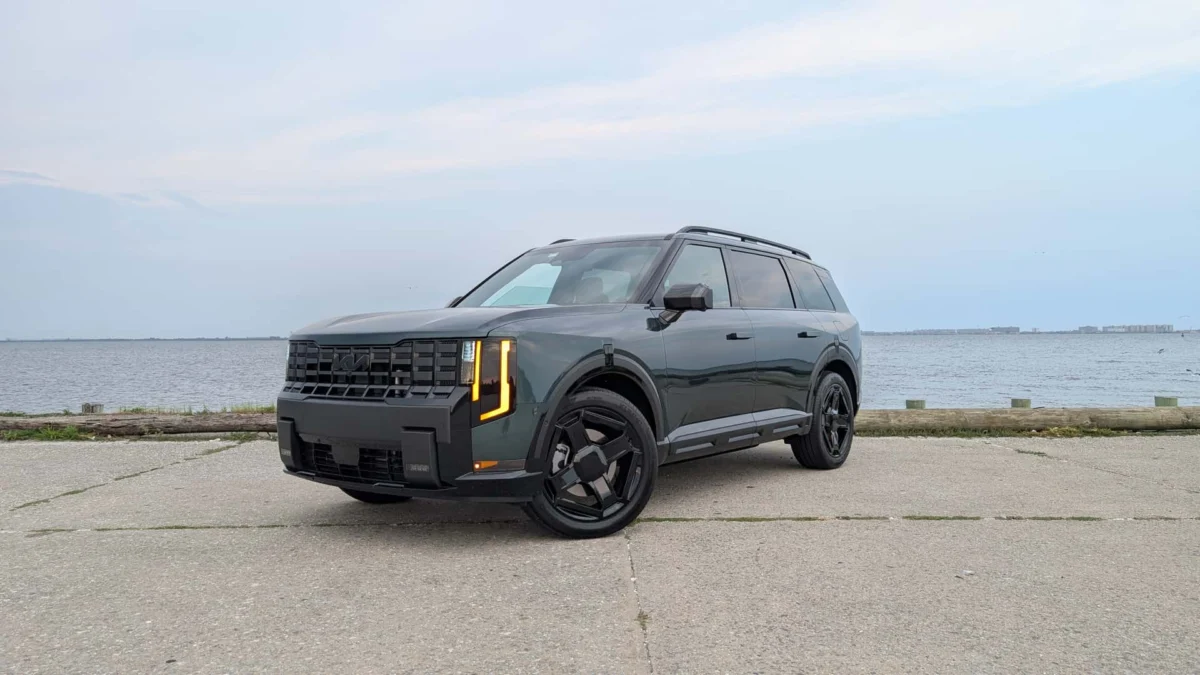
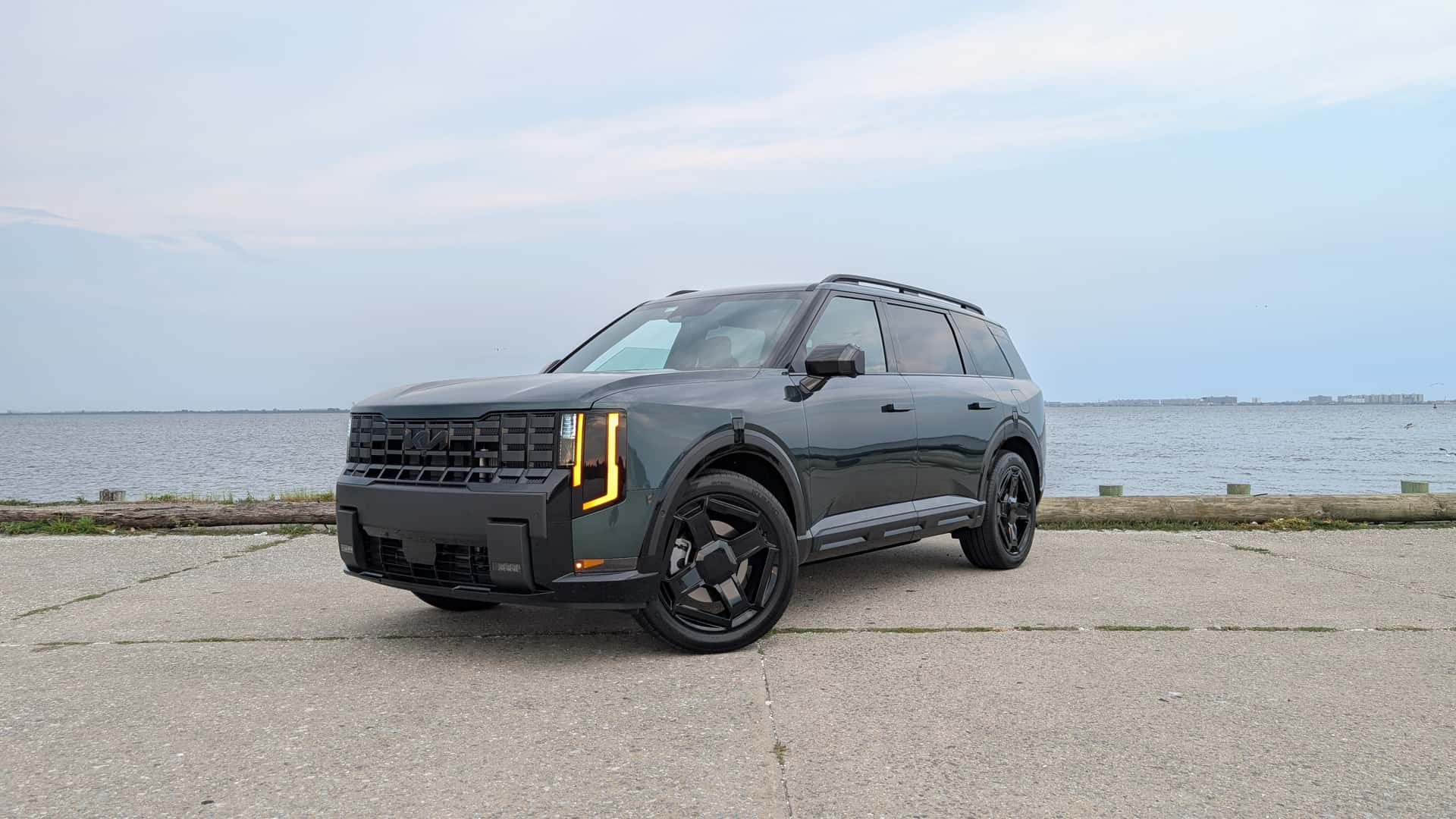
Kia has reported a staggering 130% year-over-year growth in its hybrid sales through the third quarter. This performance is largely attributed to the introduction of the Telluride Hybrid. As one of Kia’s most successful nameplates, the Telluride already commanded strong brand loyalty; by adding a hybrid powertrain, Kia effectively addressed the primary criticism of the vehicle—its fuel consumption—without compromising its utility or design. Industry analysts suggest that this strategic move has positioned Kia to maintain strong momentum as the hybrid market continues to expand.
Subaru’s trajectory is perhaps even more notable, given its starting point. In 2024, the company lacked a dedicated hybrid offering in its U.S. portfolio. By 2026, however, the brand achieved a 140% year-over-year improvement, driven by the rollout of hybrid variants for its staples: the Forester and the Crosstrek. Subaru’s commitment to integrating hybrid technology into its "Wilderness" off-road-oriented trims indicates that automakers are no longer reserving electrification for urban commuters. Instead, they are proving that hybrid technology can be applied to vehicles designed for rugged, long-range utility, further broadening the appeal of the powertrain.
Chronology of the Shift: 2024–2026
The acceleration of hybrid adoption can be traced through a series of key industry markers:
- 2024: The market sees a stabilization in EV demand, with many consumers expressing concerns over the lack of charging infrastructure and the high cost of entry. Legacy manufacturers begin prioritizing hybrid R&D as a mid-term strategy.
- Early 2025: Automakers begin phasing out non-hybrid versions of high-volume models, a trend led by Toyota and quickly mimicked by other major OEMs.
- Mid-2025: Fuel prices remain high, causing a sharp uptick in consumer interest for fuel-efficient alternatives. Hybrids see their first significant surge in market share.
- 2026 (Q1–Q2): The industry records a 16.3% market share for hybrids, the highest in history. Kia and Subaru post triple-digit percentage growth, proving that the trend is no longer limited to Japanese giants.
- Late 2026: The market begins to transition into a "hybrid-first" era, where consumers view the powertrain as a standard feature rather than an upgrade.
Implications for the Future of Electrification
The surge in hybrid sales carries significant implications for the broader automotive industry. For one, it provides a buffer for manufacturers struggling to meet aggressive federal emissions standards while simultaneously managing the high costs associated with pure-electric R&D. By selling high volumes of hybrids, companies can generate the capital required to continue investing in battery technology and charging networks.
However, some analysts caution that the current enthusiasm for hybrids could potentially slow the immediate transition to full BEVs. If consumers are satisfied with the performance and efficiency of a hybrid, the urgency to purchase a full electric vehicle may diminish. This "bridge" could last longer than many policymakers originally anticipated, potentially extending the lifespan of internal combustion engines in the form of electrified powertrains for several decades.
From a manufacturing perspective, the success of these vehicles highlights a move toward modular, flexible platforms. Modern vehicle architectures are now designed to accommodate both ICE and hybrid powertrains with minimal modification, allowing manufacturers to pivot production based on real-time market demand. This flexibility is critical for surviving the current period of market uncertainty.
Looking Ahead
As we move into the next phase of the automotive evolution, the focus will likely shift from simply increasing hybrid volume to optimizing battery longevity and performance within these systems. With the infrastructure for pure EVs still in a state of development, hybrids offer a pragmatic, immediate solution to the dual demands of environmental responsibility and consumer convenience.
For the American consumer, the choice has never been clearer. Whether it is a daily commute in a sedan or a weekend excursion in a hybrid-equipped crossover, the technology has successfully integrated into the fabric of daily life. The industry data suggests that while the long-term goal of total electrification remains, the road to getting there will be paved, at least for the foreseeable future, by the hybrid.
As manufacturers prepare their 2027 and 2028 model year lineups, the expectation is that the hybrid segment will continue to grow, potentially encroaching further on the territory held by traditional, non-electrified gasoline engines. The question for the industry is no longer whether Americans want electrification, but rather, in what form they prefer to receive it. For now, the answer is unequivocally: the hybrid.