Apple officially released the Apple Watch Ultra 4 this September, marking a significant shift in the company’s approach to high-performance athletic tracking. While Apple has historically occupied a position as a late entrant in the specialized fitness-tracker market, the introduction of the Ultra 4 and the simultaneous launch of the Apple Watch Series 12 represent a strategic pivot toward data-driven training ecosystems. This development follows years of market dominance by dedicated sports-watch manufacturers such as Garmin, Coros, and Suunto, which have long defined the parameters of heart rate variability (HRV) and recovery readiness metrics.
Chronology of Competitive Integration
The landscape of wearable technology has undergone rapid consolidation over the last decade. Garmin pioneered the integration of “Training Readiness” scores, which synthesize sleep quality, recovery time, HRV status, and recent training loads into a singular, actionable metric. For years, the Apple Watch was criticized for its lack of native, longitudinal recovery analysis, often requiring third-party applications to bridge the gap between simple step counting and advanced physiological monitoring.
The development timeline for this feature set began in earnest following the 2024 refinement of the Apple Watch’s sensor array. By September 2026, Apple reached a critical hardware threshold. The integration of the most sophisticated heart rate sensors yet deployed by the company—validated against a wide-reaching clinical study involving diverse demographics—allowed Apple to introduce native Readiness scoring. This rollout mirrors the broader industry trend of transforming smartwatches from notification-centric devices into essential tools for physiological diagnostic support.
Technical Specifications and Sensor Accuracy
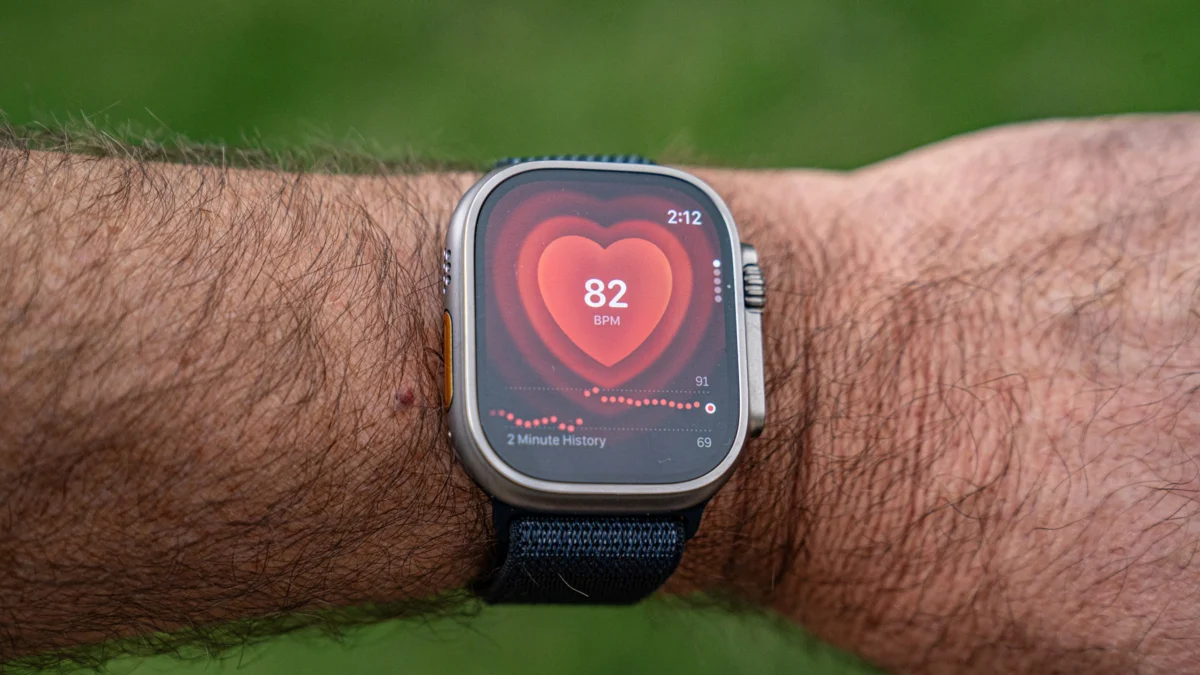
The core of the Apple Watch Ultra 4’s utility lies in its upgraded sensor suite. The device measures HRV—the interval between successive heartbeats—as frequently as every five minutes during both sleep and waking rest periods. This high-resolution data collection is essential for calculating the body’s autonomic nervous system balance.
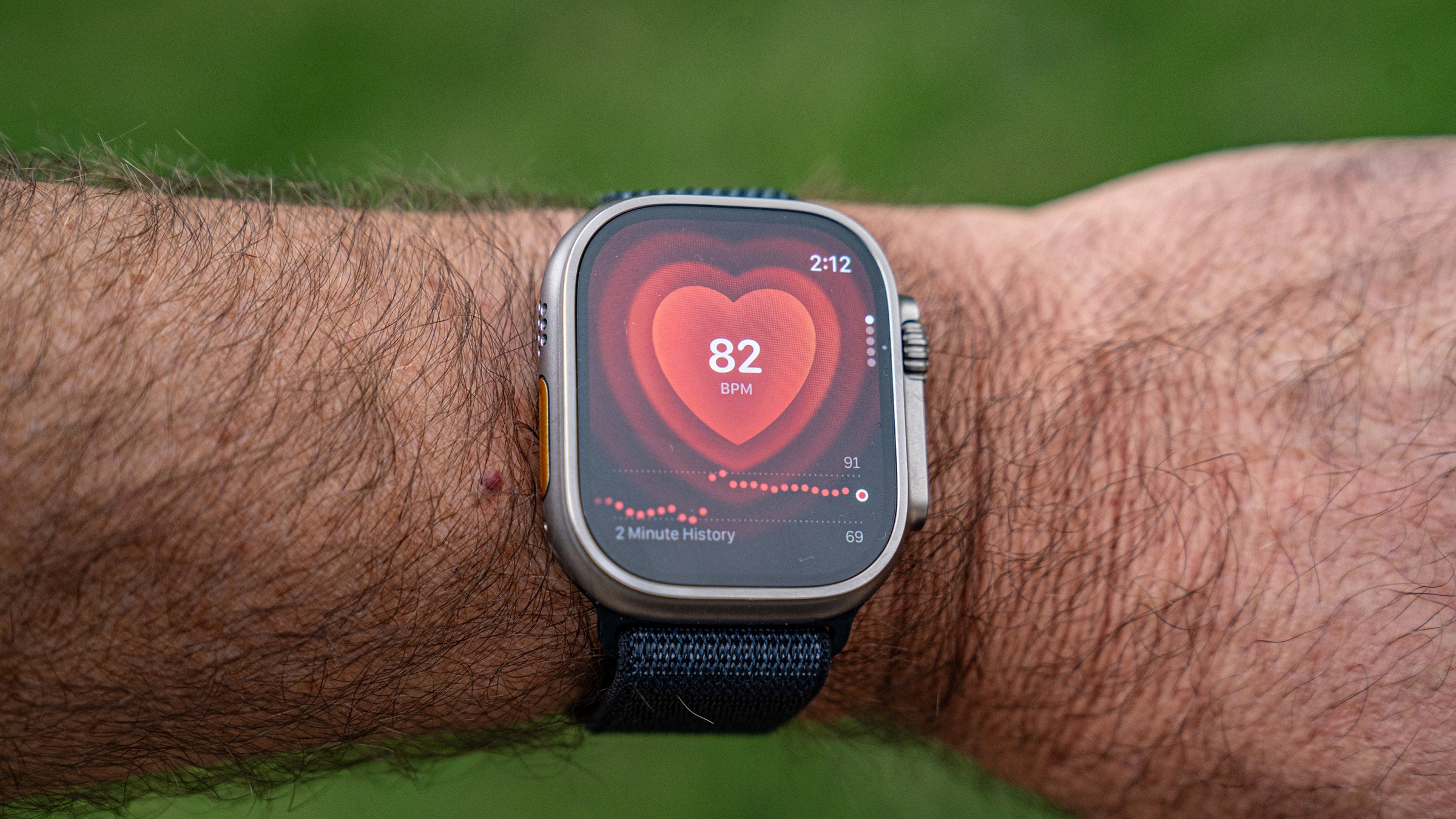
According to official data released by Apple, the sensor’s accuracy has been benchmarked against a wide range of wrist- and arm-based devices. The company claims the Ultra 4 achieves a higher degree of consistency across varying skin tones, body mass indices, and age groups than previous iterations. By contrast, the industry standard for high-performance sports watches, such as the Garmin Fenix or Enduro series, often utilizes continuous, multi-hertz sampling. While the Ultra 4 operates on a five-minute interval for HRV, it maintains a general heart rate sampling rate of every five seconds during standard operation, providing a balance between battery longevity and data granularity.
The Logic of Readiness Scores
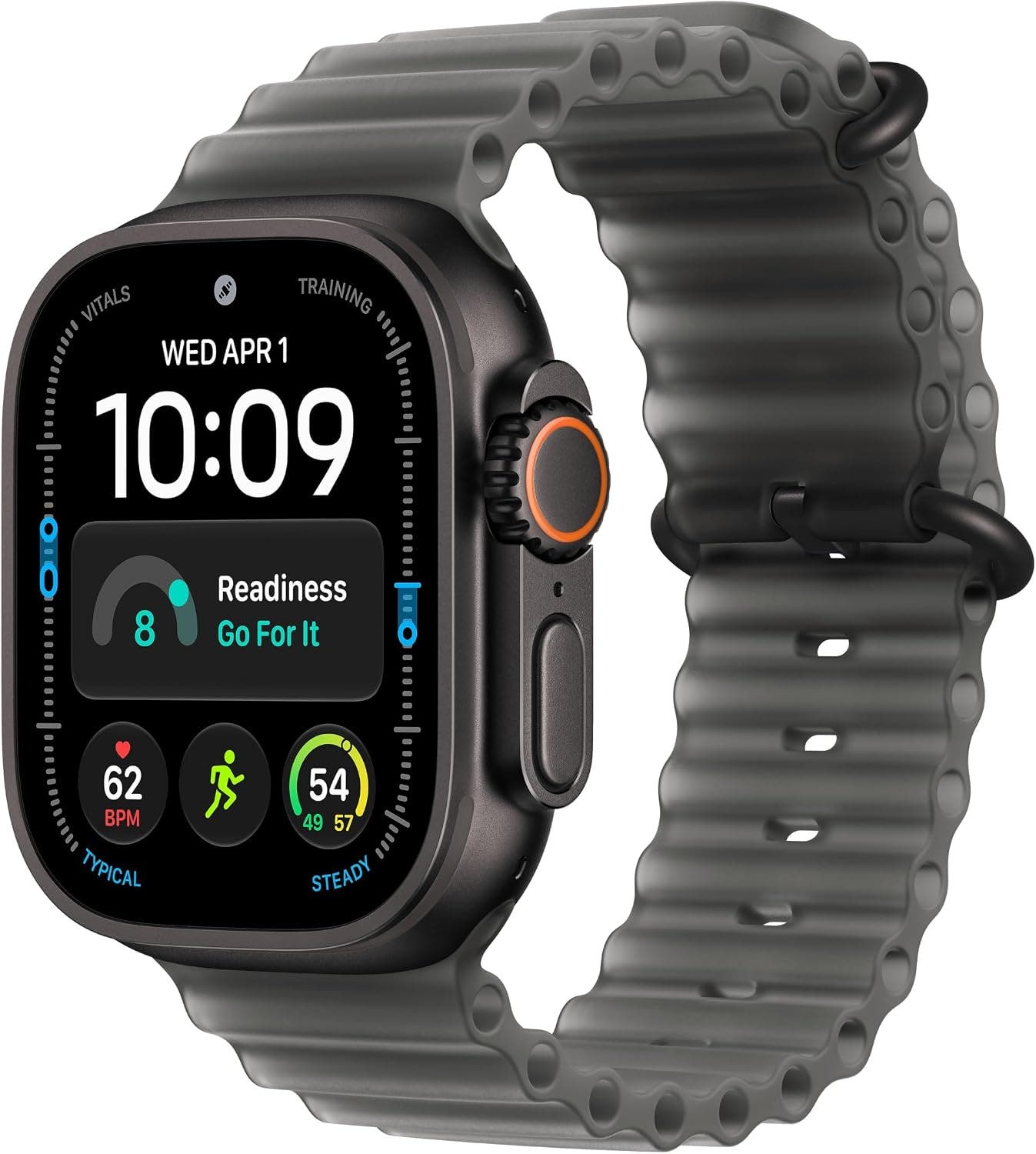
Apple’s approach to data presentation is markedly different from its competitors. Whereas Garmin utilizes a complex 1-100 scale intended for athletes who are accustomed to parsing granular physiological data, Apple has opted for a 1-10 scale coupled with specific, plain-language guidance.
The interpretative framework is as follows:
- 0-1 (Recover): Indicates significant physical or mental fatigue; rest is prioritized.
- 2-4 (Pace Yourself): Suggests moderate exertion is permissible but high-intensity training should be avoided.
- 5-7 (Ready): Indicates the body has recovered sufficiently for standard training loads.
- 8-10 (Go For It): Signals peak physiological readiness for high-intensity or volume-based efforts.
This design philosophy emphasizes accessibility, potentially expanding the market for advanced biometrics to casual users who previously found competing platforms overly technical. By delegating the interpretation of complex metrics to its software interface, Apple is effectively lowering the barrier to entry for health-conscious consumers.
Implications of the Health App Redesign
The hardware advancements in the Ultra 4 are supported by an upcoming expansion of the Apple Health application. Later in 2026, the software will introduce an "Insights" tab, which will utilize Apple Intelligence to synthesize heart rate, sleep, readiness, and nutritional data into personalized coaching advice.
Furthermore, the introduction of a "Health Age" metric serves as a direct competitor to Garmin’s "Fitness Age." This metric estimates a user’s biological age relative to their population-average physiological markers. Additionally, the "Longevity" tab represents a move into longitudinal health tracking, aimed at long-term wellness rather than immediate athletic performance. These tools suggest that Apple is positioning the Watch Ultra 4 as a comprehensive health-management device, moving beyond the niche of endurance sports and into the broader category of preventative medical monitoring.
Battery Life and the Endurance Market
A critical point of contention for potential users remains the battery performance. The Apple Watch Ultra 4 offers 50 hours of standard battery life and up to 18 hours of continuous, full-power workout tracking. While this is an improvement over the Ultra 3, it remains secondary to specialized ultra-endurance devices.
For context, the Garmin Enduro 3 provides approximately 120 hours of GPS tracking, or significantly more when utilizing its integrated solar charging capabilities. The Coros Pace 4 Pro offers 60 hours of GPS tracking at a lower price point. Consequently, while the Apple Watch Ultra 4 is highly capable for the average athlete—including those training for marathons or long-distance cycling—it is not currently positioned as the primary tool for multi-day endurance events or ultra-distance races where charging access is non-existent.
The power consumption profile of the Apple Watch is largely driven by its high-resolution display and its background processing of non-fitness applications. Apple’s decision to prioritize these smart features over pure battery longevity reflects its target demographic: users who value a multipurpose device that excels in both athletic tracking and daily productivity.
Broader Industry Impact
The release of the Apple Watch Ultra 4 signals a maturing market for wearable sensors. By standardizing advanced recovery metrics, Apple is forcing a convergence in feature sets across the entire industry. Competitors are now under increased pressure to not only match these metrics but to refine their own user interfaces to match the simplicity and clarity of Apple’s ecosystem.
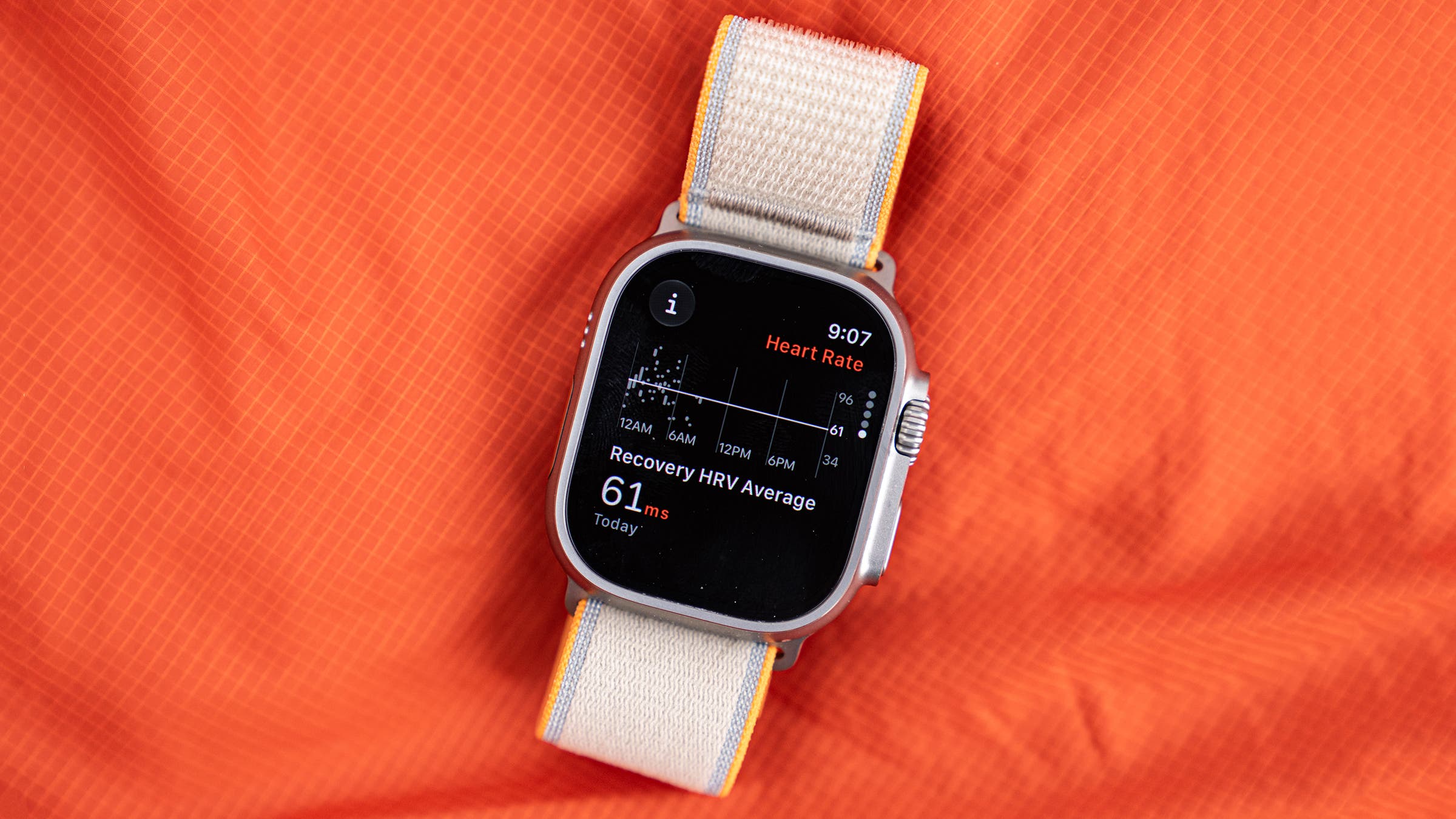
From a clinical perspective, the reliance on wrist-based heart rate sensors continues to grow. While chest straps remain the gold standard for clinical-grade EKG accuracy, the industry-wide improvement in photoplethysmography (PPG) sensors is closing the performance gap. As these devices become more accurate, the potential for using longitudinal data to identify early indicators of illness or overtraining increases.
The Apple Watch Ultra 4 does not attempt to displace the specialized endurance watches favored by professional ultrarunners; rather, it attempts to capture the much larger market of serious, data-conscious athletes who require a balance of form, function, and daily usability. For the average user, the integration of HRV, readiness scores, and AI-driven coaching represents a significant leap forward, transforming the wearable from a passive collector of data into an active participant in the user’s daily health and recovery routine.
As the 2026 market cycle continues, the success of this strategy will be measured by the adoption rate of these metrics among non-professional users. If Apple’s simplified, approachable delivery of data proves successful, it may well dictate the future direction of the entire wearable device industry, shifting the focus from technical performance to actionable, user-centric health intelligence.