As the transition from summer warmth to crisp autumn temperatures sets in across North America, outdoor enthusiasts and industry professionals alike are pivoting their focus toward fall and winter preparedness. For the editorial team at Backpacker magazine, September 2026 marked a period of intensive field testing, ranging from late-season paddling excursions and high-altitude snow tracking in South America to rugged terrain evaluations along Wisconsin’s historic Ice Age Trail. These rigorous field tests are part of the ongoing research and development cycle leading up to the publication of the highly anticipated 2027 Spring Gear Guide.
During these recent expeditions, the editorial staff evaluated a diverse array of equipment designed to enhance safety, comfort, and performance in unpredictable backcountry conditions. Among the dozens of items tested, three pieces of gear stood out for their innovation, reliability, and practical utility: the Outdoor Element Flicker Feather survival knife, the Paka Trail Crew alpaca wool socks, and Buzz Bomb sublingual caffeine powder. These products not only assisted editors through demanding environments but also represent notable design trends within the contemporary outdoor equipment sector.
Evolution of Survival Tools and the Outdoor Element Flicker Feather
The market for fixed-blade outdoor knives has historically been dominated by traditional designs centered around utility cutting, batoning wood, and general camp chores. However, manufacturers are increasingly turning toward multi-functional, specialized tools that maximize space and weight efficiency for backpackers and survivalists. Retailing at $60, the Outdoor Element Flicker Feather represents a departure from conventional knife geometry by functioning primarily as a "survival chisel."
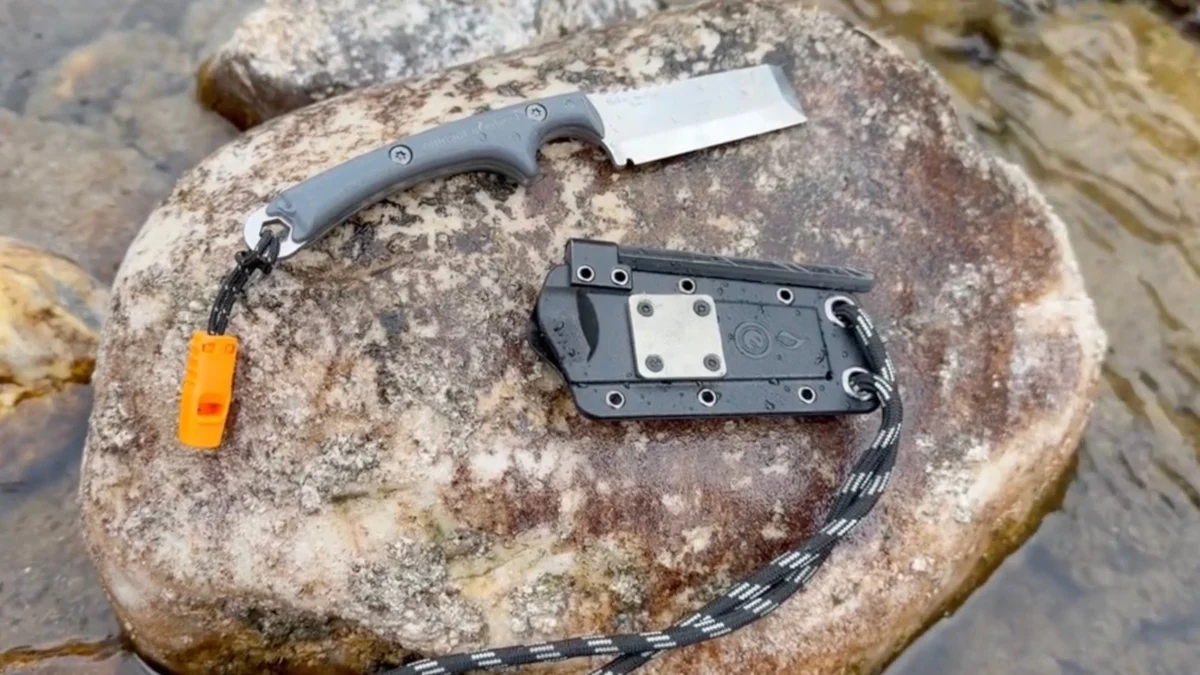
Engineered with a VG10 steel blade, the Flicker Feather features a distinctive flat-tip configuration that incorporates a second, perpendicular sharp edge. This design is intended for scraping, carving, and utility tasks where a traditional pointed tip might be prone to snapping. The ergonomic handle is tailored to facilitate precise, fine-motor blade movements, addressing a common critique that survival knives are often too clunky for delicate camp tasks.
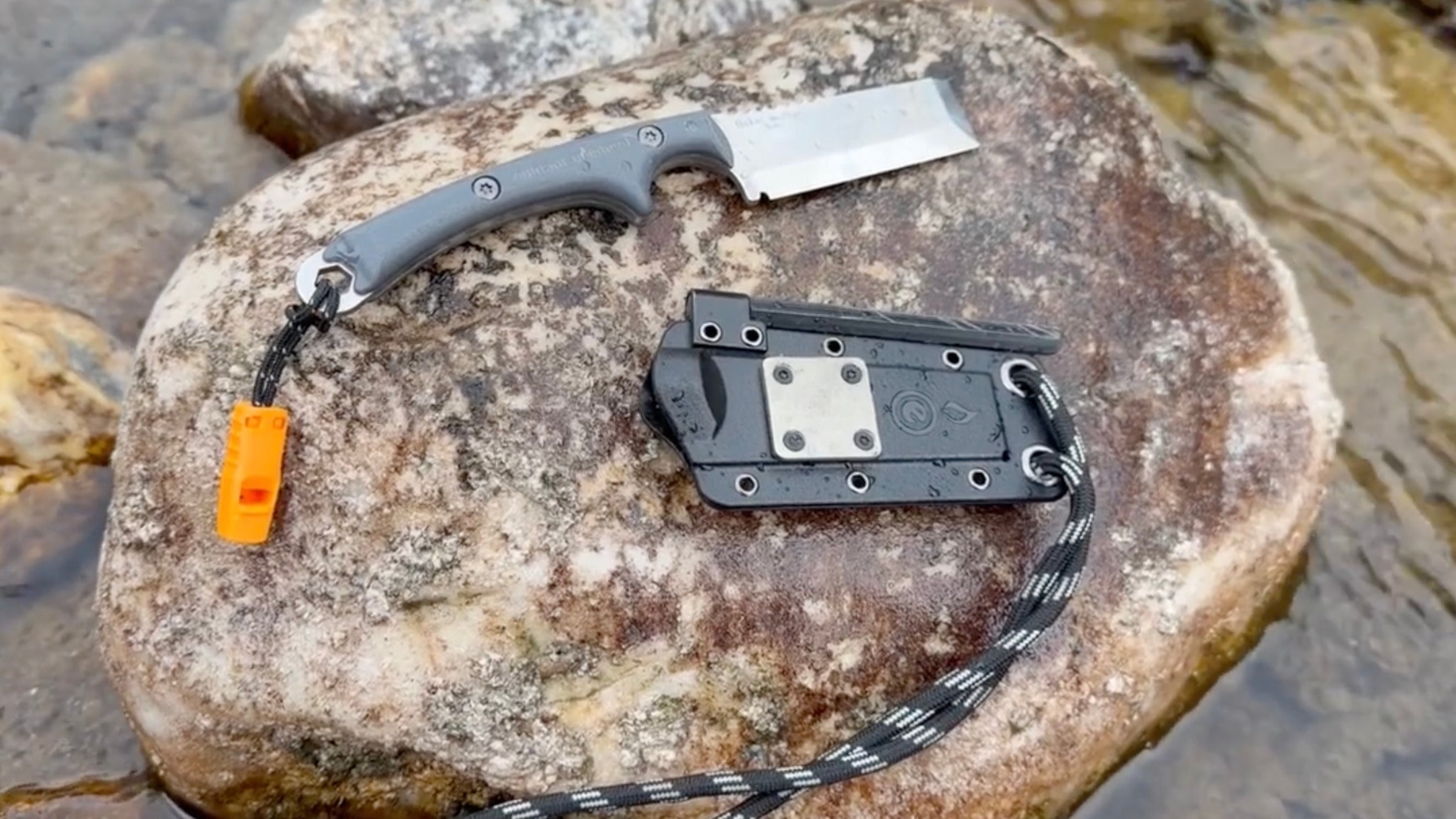
Despite its innovative design, the product has drawn specific operational considerations from field testers. Due to its single-direction bevel, the knife requires consumers to purchase a dedicated left- or right-handed variant, limiting its ambidextrous utility.
Nevertheless, the primary innovation of the Flicker Feather lies within its hard-plastic locking sheath system. Designed for secure retention, the sheath prevents accidental displacement during high-impact activities such as running or scrambling over boulders. The storage system integrates multiple survival mechanisms:
- A large metal clip for secure attachment to webbing, packs, or belts.
- A neck lanyard for alternative carry options.
- An integrated, field-ready sharpening plate for routine blade maintenance.
- A built-in ferrocerium (ferro) rod for friction-based fire starting without the reliance on traditional lighters or matches.
- A safety whistle incorporated directly into the knife’s pommel.
Industry analysts note that pricing a multi-functional survival tool at the $60 threshold positions it competitively against traditional fixed-blade alternatives, making it accessible to a broader demographic of recreational hikers and emergency-preparedness enthusiasts.
Material Science Innovation in Footwear: Paka Trail Crew Socks
Footwear comfort remains one of the most critical variables in long-distance backpacking, directly influencing injury prevention, endurance, and overall trail satisfaction. While merino wool has maintained a decades-long dominance as the gold standard for moisture-wicking and anti-microbial sock manufacturing, alternative natural fibers are beginning to gain mainstream traction.
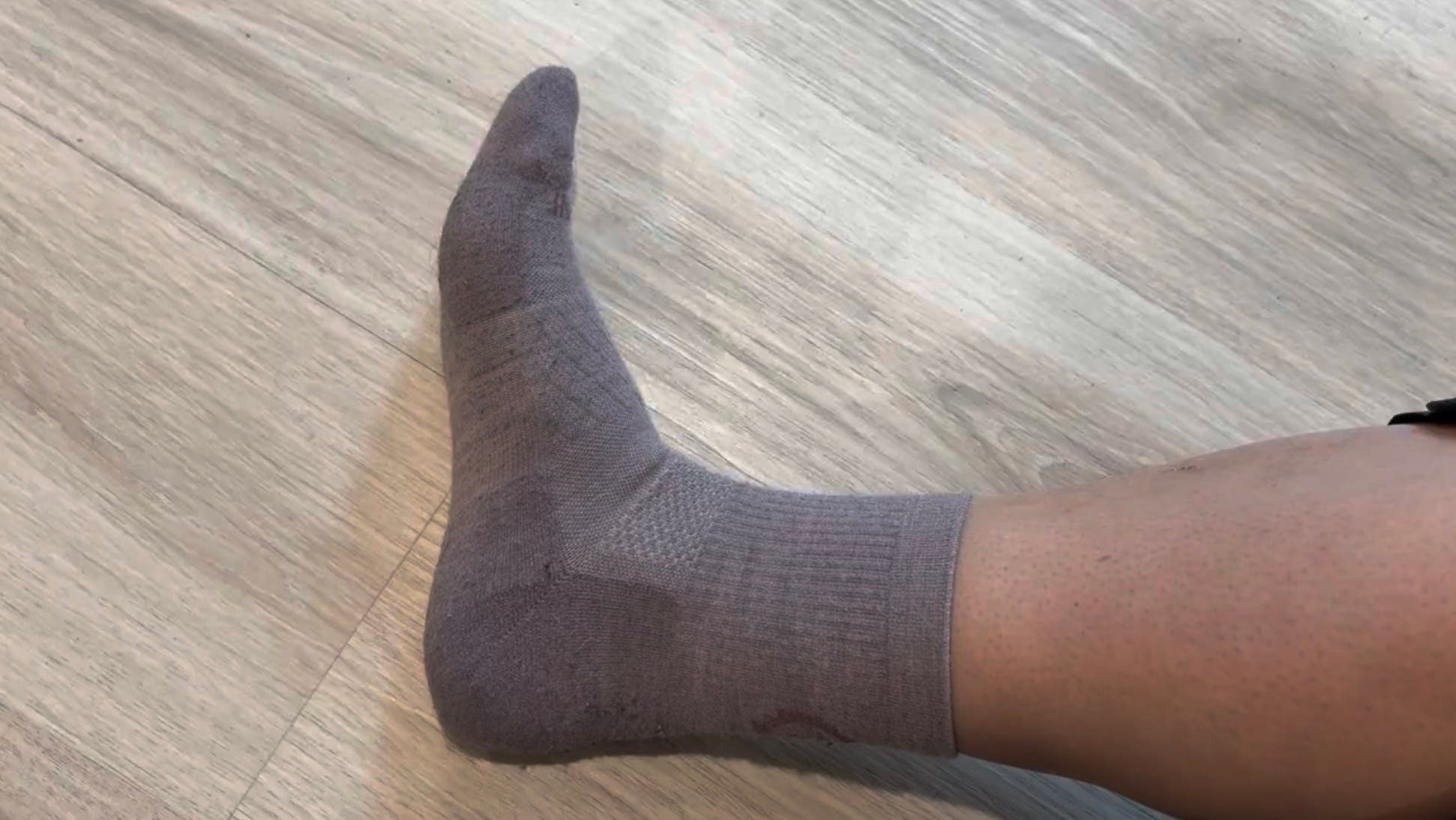
The $25 Paka Trail Crew socks highlight a growing industry shift toward alpaca fiber in technical apparel. Long utilized in Andean textiles, alpaca wool possesses unique thermodynamic and physical properties that compare favorably against traditional sheep-derived merino wool. According to material specifications provided by manufacturers and corroborated by field evaluations, alpaca fibers feature microscopic air pockets that enhance natural thermoregulation while remaining significantly lighter than sheep’s wool. Additionally, the fiber’s lower absorption rate allows the socks to dry much faster after river crossings, rain exposure, or heavy perspiration.
Field evaluations conducted by senior editorial staff along technical terrain highlighted several key design attributes of the Paka Trail Crew socks:
- Targeted Cushioning: The heel cushion extends higher up the Achilles tendon than standard hiking socks, offering targeted protection against friction generated by the hard collars of trail running shoes and cycling footwear.
- Compression and Fit: A lightly compressive arch support band prevents the fabric from bunching, slipping, or bagging out, even after consecutive days of high-mileage use in wet or dusty conditions.
- Odor Resistance: Like merino wool, natural keratin proteins in the alpaca fiber inhibit the growth of odor-causing bacteria, allowing for multi-day wearability without excessive odor accumulation.
The commercial integration of alpaca wool reflects broader consumer demand for sustainable, ethically sourced, and high-performance natural materials in outdoor recreation, challenging the dominance of petroleum-based synthetics and traditional wools.
Nutritional Science and Sublingual Delivery: Buzz Bomb Caffeine Powder
Maintaining stable energy levels during alpine starts and grueling ascents is a fundamental challenge for endurance athletes and backpackers. Traditional solutions—such as high-sugar energy drinks, caffeinated gels, and heavy thermoses of coffee—frequently present drawbacks, including gastrointestinal distress, excessive liquid weight, and abrupt energy crashes driven by high caffeine dosages.
Addressing the demand for rapid, lightweight supplementation, Buzz Bomb introduced a sublingual caffeine powder packaged in single-serving, 1-gram packets retailing at $25 for a 20-pack. Unlike conventional sports nutrition powders designed to be diluted in water reservoirs or flasks, Buzz Bomb products are formulated to be poured directly underneath the tongue, where the active ingredients dissolve rapidly into the mucous membranes.
Proponents of sublingual delivery systems emphasize that bypassing the digestive tract allows active compounds to enter the bloodstream more rapidly than liquid or solid ingestibles, theoretically providing an accelerated onset of alertness. From a nutritional standpoint, each Buzz Bomb packet contains approximately 50 milligrams of caffeine—roughly equivalent to a standard cup of black tea or a fraction of the 300-milligram loads frequently found in commercial energy drinks. This lower, controlled dosage appeals to endurance athletes seeking manageable stimulation without the jittery side effects associated with high-stimulant products.
Available in palatable fruit profiles such as Lemon Drop and Peach Mango, the product underscores a broader industry trend toward micro-dosing and targeted nutritional efficiency in backcountry settings, where minimizing pack weight and simplifying consumption routines are paramount.
Broader Industry Implications and Outlook for 2027
The gear selections highlighted by the Backpacker editorial team reflect three distinct trajectories currently shaping the outdoor recreation economy:
- Multi-Functionality and Redundancy: Products like the Outdoor Element Flicker Feather demonstrate consumer demand for gear that consolidates multiple survival utilities into a single, lightweight footprint, appealing to both ultralight backpackers and emergency preparedness advocates.
- Alternative Natural Materials: The rising popularity of alpaca wool over traditional merino wool signals a continuous search for superior performance metrics—such as enhanced warmth-to-weight ratios and faster drying times—through sustainable agricultural fibers.
- Optimized Nutritional Delivery: Innovations in sublingual supplementation highlight a shift away from bulky liquids and high-sugar energy products toward precise, lightweight nutritional solutions designed for rapid physiological uptake.
As outdoor brands finalize their product lineups for the upcoming 2027 Spring Gear Guide, consumer reception of these field-tested innovations will likely dictate future manufacturing priorities, balancing the eternal backcountry demands of reduced weight, heightened durability, and multi-faceted utility.