The intersection of sound and vision has always defined the enduring legacy of modern music. While historical concert photography has traditionally focused on the iconic frontmen and guitar gods commanding the stage, a major paradigm shift has taken place within the global artistic community. At the Abbey Road Music Photography Awards 2026, the traditional hierarchy of the concert lens was thoroughly upended, with passionate fans, raw underground spaces, and behind-the-scenes rituals claiming the competition’s highest honors.
Hosted by the legendary Abbey Road Studios in London—a crucible of recorded music history—the annual international photography competition announced its 2026 class of winners following a record-breaking submission cycle. Out of more than 24,500 entries submitted by photographers across 42 different countries, the winning and shortlisted frames demonstrate that the true pulse of live music extends far beyond the spotlighted performers, living instead in the sweat, tears, and euphoria of the audience.
The Rise of Fan-Centric Concert Photography
The defining narrative of the 2026 competition was the elevation of crowd culture and fan devotion into high art. For decades, music photography was defined by tightly controlled press-pit access, capturing polished artists from standard angles. However, contemporary photographers are increasingly turning their lenses 180 degrees to document the collective effervescence of the crowd.
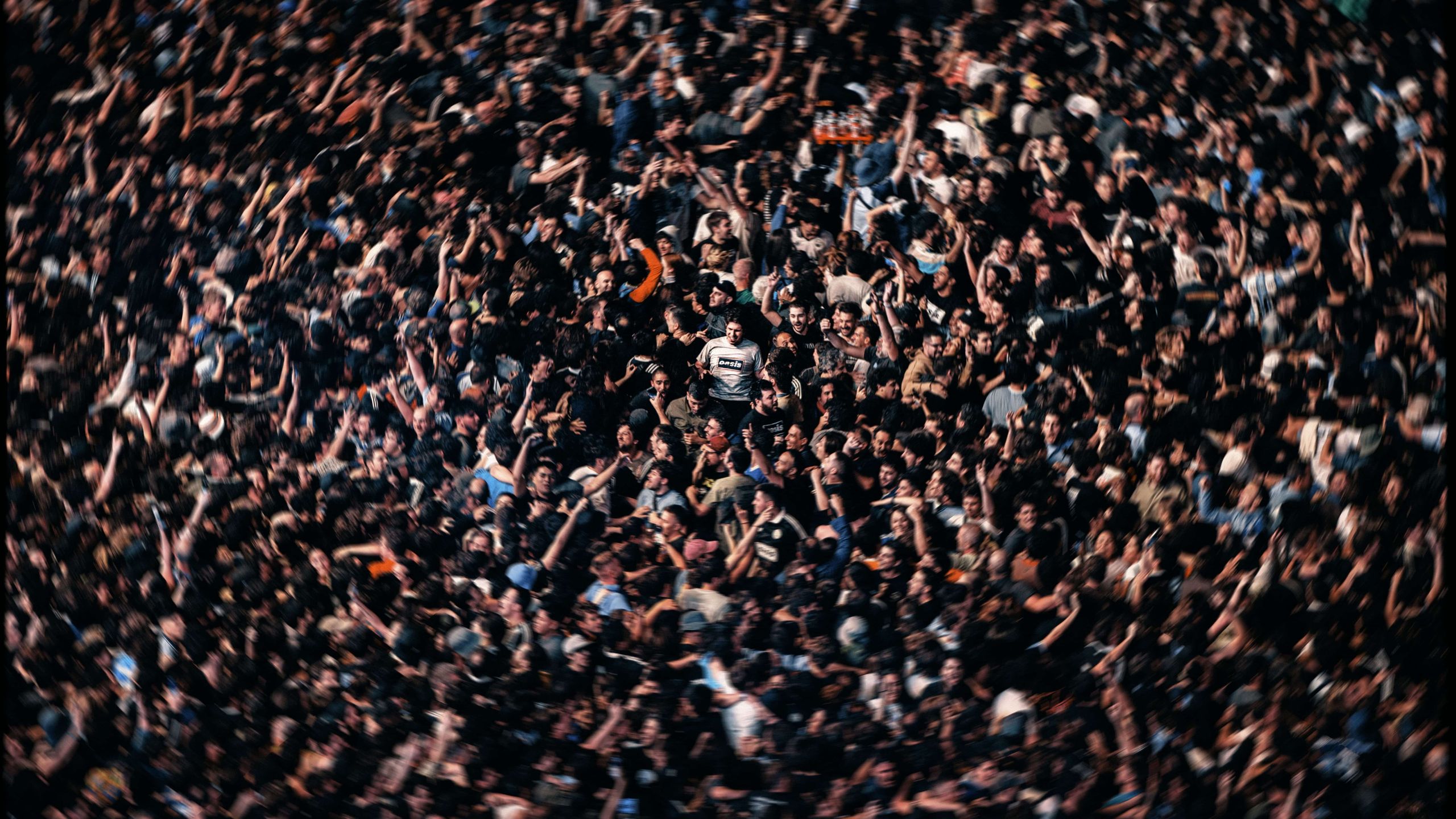
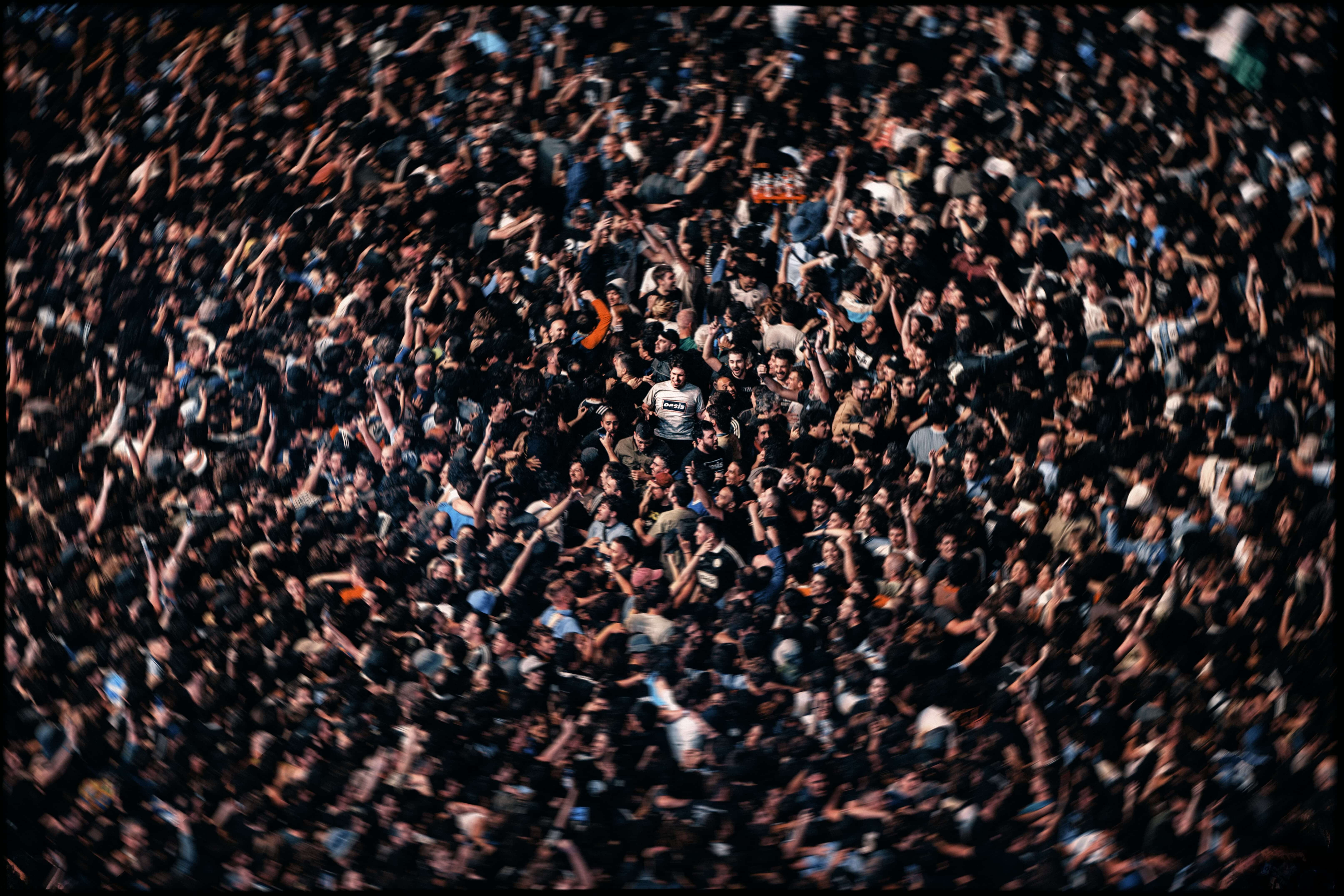
This shift was epitomized by the overall standout image of the year: Joshua Halling’s visceral capture of an Oasis fan swallowed by a swirling vortex of humanity. Winning the highly competitive "Music Moment of the Year" category, Halling’s frame encapsulates the raw, chaotic energy of the Britpop revival. The photo was taken during Oasis’s massive 2026 reunion tour stop in Buenos Aires—a city globally renowned for its fiercely passionate concert audiences. Reflecting on the sheer intensity of that evening, band member Noel Gallagher later remarked in a radio broadcast that it was a performance "none of us will ever forget," a sentiment visually validated by Halling’s composition.
Exploring Underground Scenes and Intimate Preparations
Beyond massive stadium spectacles, the Abbey Road Music Photography Awards places significant emphasis on the subterranean and preparatory layers of music culture. The "Underground Scenes" and "Behind the Scenes" categories provided profound insights into the grassroots subcultures that sustain the global music ecosystem.
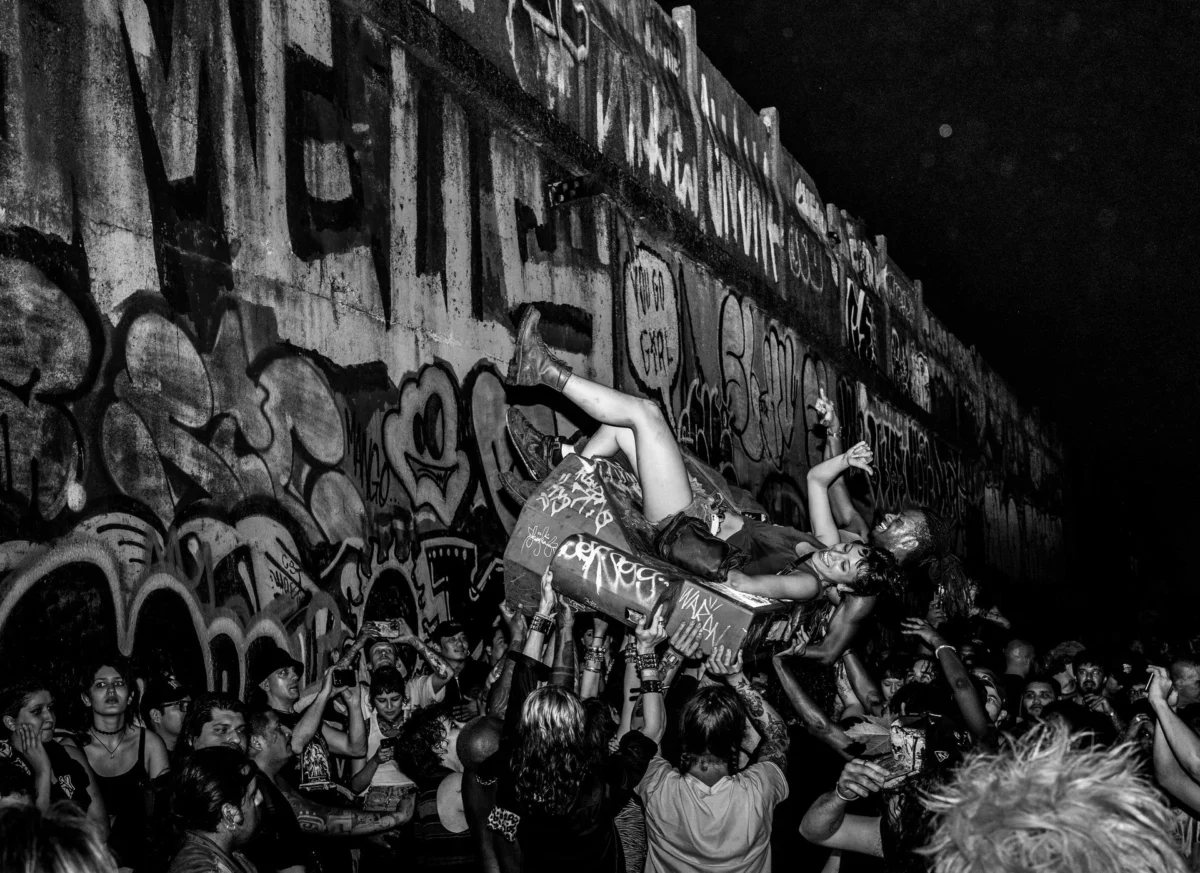
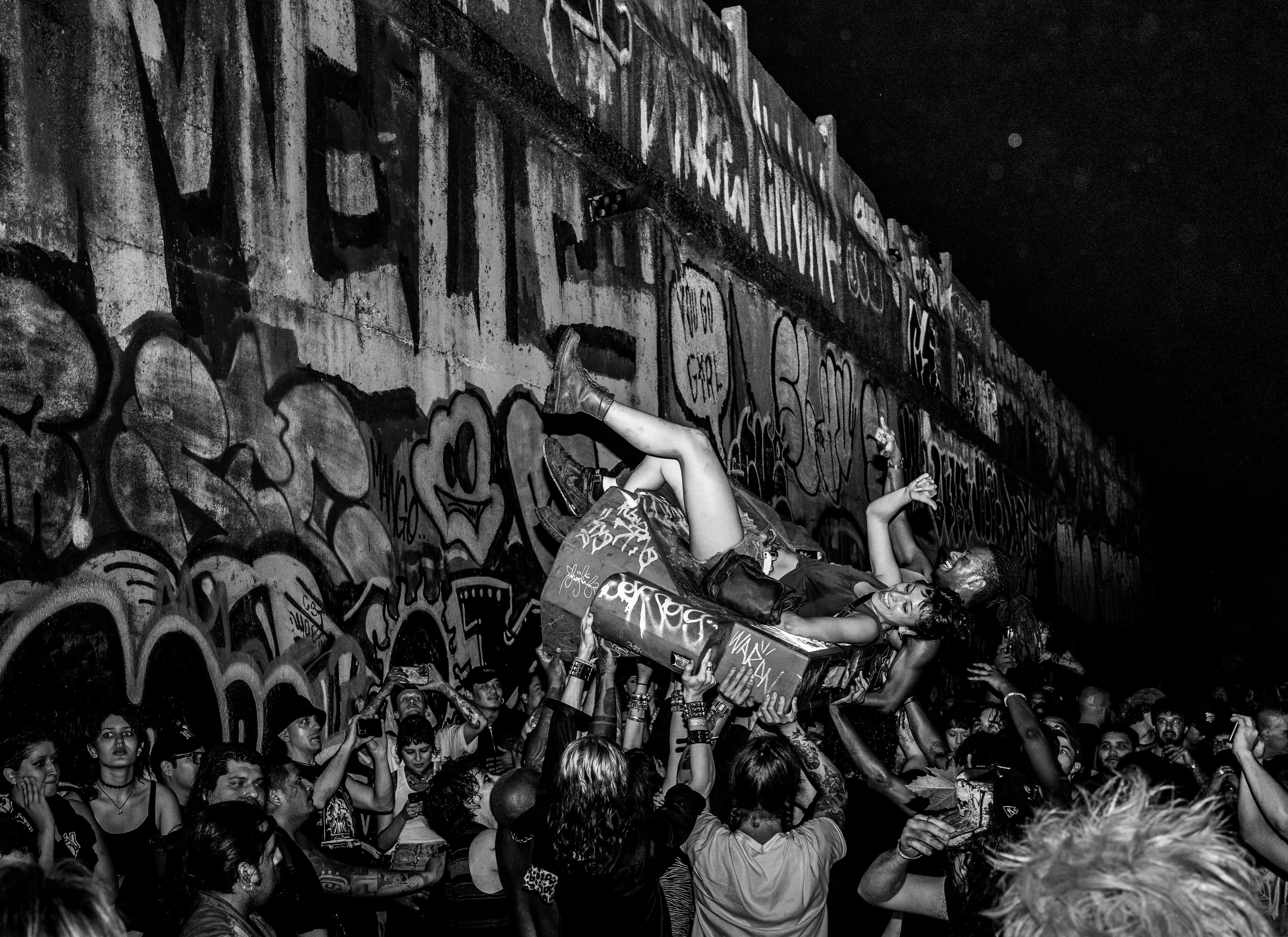
AF Cortés claimed the top spot in the "Underground Scenes" category with a breathtaking, adrenaline-fueled image of audience members participating in intense crowd surfing during a secret KARTEL show. Staged along an abandoned, overgrown railway track in Brooklyn, New York, the gritty urban backdrop contrasted sharply with the ethereal, weightless suspension of the crowd members, highlighting the enduring appeal of DIY, unpermitted warehouse spaces in modern music curation.
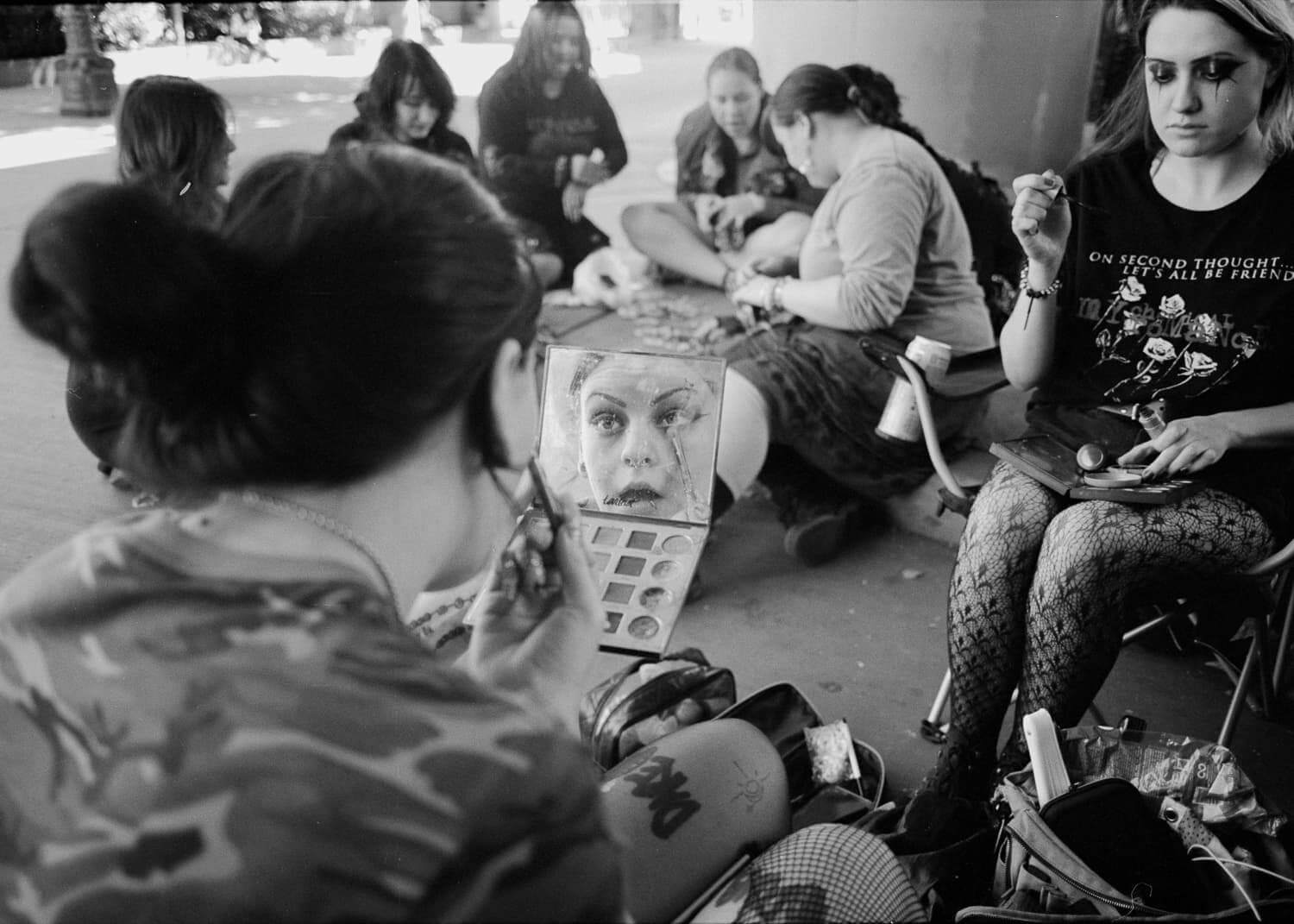
Meanwhile, photographer Gabrielle Ravet triumphed in the "Behind the Scenes" category by capturing a quiet moment of transformation. Ravet’s lens focused on a group of dedicated My Chemical Romance fans meticulously painting their faces in preparation for the opening night of the band’s Long Black Parade Tour in Seattle. The image captures the profound sense of identity, community, and belonging that live music fosters long before the first amplifier is switched on.
Iconic Performances and the Judges’ Perspective
While audience members and subcultures dominated the thematic core of the 2026 awards, legendary musicians still retained a formidable presence across several key categories, offering fresh visual interpretations of famous touring acts.
The "Judges’ Choice" category yielded one of the most talked-about images of the event: a striking, back-staged perspective of the members of Oasis walking out toward a sold-out stadium on the opening night of their landmark Reunion Tour in Cardiff, captured skillfully by Angus Jenner. This cinematic framing subverts the standard audience view, placing the viewer directly in the shoes of the performers as they face a roaring sea of thousands.
In the "Portrait" category, Frances Carter secured critical acclaim with a serene, surreal portrait of British singer-songwriter Billie Marten perched atop a white horse. The composition merges bucolic tranquility with artistic mystery, setting a high standard for editorial music portraiture. Simultaneously, Tom Pallant captured the raw electricity of modern alternative rock in the "Live Music" category with a euphoric shot of Yungblud performing on a heavily smoke-shrouded stage, perfectly freezing the chaotic, genre-bending energy of contemporary live performances.
Honoring Living Legends: Career Recognition at Abbey Road
In addition to celebrating contemporary working photographers, the Abbey Road Music Photography Awards utilized its global platform to honor foundational figures whose archival work shaped the visual language of modern music.
The prestigious "ICON" career honor was presented to Roberta Bayley, a photographer whose definitive work during the 1970s New York punk rock explosion at CBGB documented the birth of a global counterculture. Bayley’s candid, unpolished portraits of icons such as the Ramones, Blondie, and Richard Hell established a blueprint for authentic music journalism.
Furthermore, the coveted "Lifetime Achievement" award was bestowed upon Masayoshi Sukita, recognizing a staggering 44-year photographic collaboration with the late David Bowie. Sukita’s iconic imagery—most notably the cover photograph for Bowie’s 1977 masterpiece “Heroes”—demonstrates the profound artistic heights achievable when a photographer maintains a decades-long creative dialogue with a visionary musician.

The Broader Implications for Music Journalism and Visual Arts
The immense global participation in the Abbey Road Music Photography Awards 2026—surpassing 24,500 submissions from 42 countries—signals a healthy, highly competitive landscape for music journalism and specialized photography. In an era dominated by smartphone snapshots and immediate social media consumption, professional music photography continues to carve out a vital niche by preserving the tactile, emotional reality of live performance.
By shifting the narrative focus away from exclusive artist access and toward the shared human experience of concert-goers, underground scenesters, and dedicated fans, the 2026 awards have redefined what it means to document music history. These images do not merely record an event; they immortalize the psychological and emotional bonds forged between artists and their followers, ensuring that the ephemeral magic of live music endures long after the final encore fades.