Apple is preparing to make a significant entry into the residential security sector, with plans to launch a dedicated home monitoring service by 2027. According to a recent report by Bloomberg’s Mark Gurman, this initiative will move beyond simple hardware sales, signaling a strategic shift for the technology giant as it aims to capture a larger share of the smart home market. The upcoming service is expected to be part of a broader, aggressive overhaul of Apple’s home product ecosystem, which is slated to introduce new iterations of the Apple TV 4K, the HomePod mini, and a specialized home hub device currently referred to as the HomePad.
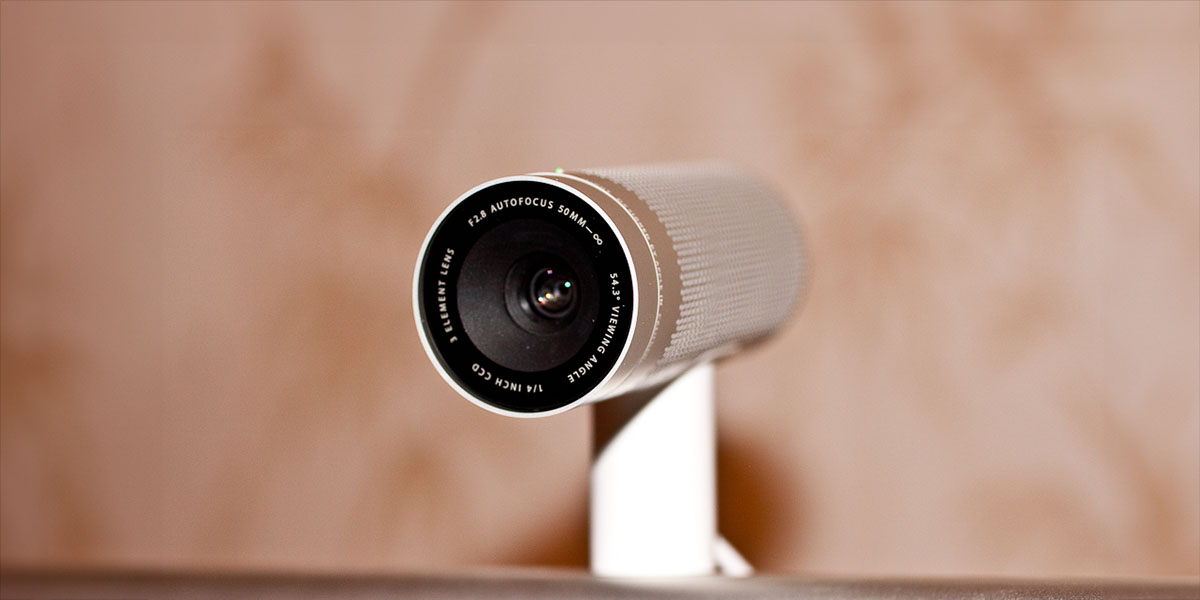
The centerpiece of this strategy is a new, privacy-centric security sensor designed to monitor residential environments. Unlike traditional security cameras that rely on continuous video streaming—which often raises privacy concerns and necessitates complex cloud-storage solutions—Apple’s proposed device will reportedly utilize artificial intelligence to analyze environmental patterns. By focusing on data interpretation rather than raw video capture, Apple intends to provide security monitoring that can detect activity, identify individuals, and alert homeowners to anomalies without compromising the visual privacy of the domestic space.
The Evolution of the Smart Home Strategy
Apple’s interest in the home automation space has been a long-term, albeit iterative, process. Since the launch of HomeKit in 2014, the company has positioned its ecosystem as a premium, privacy-focused alternative to the fragmented smart home market. However, compared to competitors like Amazon’s Ring or Google’s Nest, which have long established themselves with robust, subscription-based security services, Apple’s presence has remained largely confined to hardware interoperability and software management via the Home app.
The 2027 timeline marks a departure from this cautious approach. By integrating a dedicated monitoring service, Apple is positioning itself to compete directly with established industry leaders. This shift suggests that the company has identified a critical gap: consumers are increasingly wary of the privacy implications inherent in constant video monitoring. If Apple can successfully leverage its reputation for "Privacy by Design" to offer a security service that provides peace of mind without the perceived "Big Brother" aspect of traditional surveillance, it may find a unique value proposition that resonates with its existing user base.
Chronology of Home Product Expansion
The path to a 2027 security service is paved by a series of hardware updates currently in the pipeline. Apple’s internal roadmap suggests a rapid succession of product launches intended to revitalize the smart home category:
- 2025–2026 Phase: Apple has prioritized a refresh of its core audio and visual hardware. This includes the rollout of updated HomePod mini units, which feature improved processing power to handle local AI tasks, and a new generation of the Apple TV 4K. These devices act as the "brains" of the modern smart home, and their enhanced capabilities are foundational to the security features that will follow.
- Late 2026: The introduction of the "HomePad," a dedicated home hub device, is expected to serve as the physical gateway for the ecosystem. This device is designed to be placed in every room, acting as an ambient sensor and command center.
- 2027 Launch Window: The culmination of these efforts will be the debut of the specialized security sensor and the associated subscription-based monitoring service. This service will be the first time Apple directly enters the "proactive security" market, likely providing real-time alerts to a professional monitoring center or directly to the user’s device ecosystem.
Market Data and Economic Implications
The global smart home security market is currently valued in the tens of billions of dollars, with a compound annual growth rate (CAGR) that consistently outpaces other consumer electronics sectors. Industry analysts suggest that the "services" component—subscription fees for cloud storage, emergency dispatch, and AI-driven insights—is where the highest margins exist.
By bundling this future security service into Apple One, the company’s comprehensive subscription suite, Apple would be able to increase its "stickiness" within the consumer market. Apple One already includes iCloud+, Apple Music, Apple TV+, and other services; adding home security creates a powerful incentive for users to stay within the Apple ecosystem. This integration minimizes the likelihood of "churn" (customers leaving for competitors) and maximizes the Lifetime Value (LTV) of each household.
Furthermore, the shift toward AI-driven, non-video-based monitoring aligns with current consumer trends regarding data security. According to recent surveys, a significant percentage of potential smart home buyers report that "privacy concerns" are the primary barrier to purchasing indoor security cameras. By marketing a system that interprets movement rather than recording video, Apple is effectively positioning its hardware as a premium, ethical alternative.
Technical Challenges and Privacy Hurdles
The transition to an AI-driven monitoring system is not without technical hurdles. Distinguishing between a resident, a pet, or an intruder without the use of visual confirmation requires highly sophisticated machine learning models. These models must be trained to recognize gait, size, and behavioral patterns, all while maintaining the speed and reliability necessary for a security product.
Apple’s advantage lies in its commitment to on-device processing. By utilizing the Neural Engine in its latest chips, the company can perform much of this complex analysis locally rather than in the cloud. This reduces latency—ensuring that an alert is triggered in milliseconds—and reinforces the privacy promise, as sensitive environmental data does not necessarily need to leave the home to be processed.
Broader Industry Impact
The entrance of a major player like Apple into the home security and monitoring service market is likely to force a response from competitors. Companies like Amazon (Ring), Google (Nest), and ADT have relied on traditional video-based models for years. If Apple succeeds in setting a new industry standard for privacy-focused, sensor-based monitoring, it could trigger a "race to the bottom" regarding privacy intrusion or, conversely, a industry-wide pivot toward more ethical data handling.

Moreover, the impact on residential insurance could be significant. Insurance providers are increasingly looking for ways to reduce risk through the use of smart home sensors. If an Apple-branded security system is certified by major insurance companies as a reliable monitoring tool, it could lead to premium discounts for homeowners, further accelerating adoption rates.
The Strategic Vision: A Unified Home Experience
Ultimately, the 2027 plan is about more than just security; it is about cementing the home as an extension of the Apple platform. As the company continues to expand into health monitoring, automotive integration (CarPlay), and now home security, the "Apple Home" is becoming a total life management system.
While the hardware—the sensors, the HomePad, the updated HomePod—will draw initial attention, the recurring revenue generated by the security service will be the true driver of the company’s long-term growth in the smart home segment. For investors, this represents a diversification of income streams that relies less on the volatile smartphone market and more on the stable, recurring nature of household utility services.
As of early 2026, the project remains in the development and testing phase. Apple has not yet issued an official comment regarding the pricing or specific functionality of the 2027 service, but the clear direction of its product pipeline indicates that the "smart" in smart home is about to receive a significant, privacy-conscious upgrade. For consumers currently weighing the trade-offs between convenience and surveillance, Apple’s upcoming offering may prove to be the deciding factor in the future of domestic security.