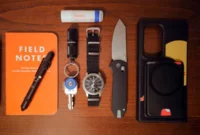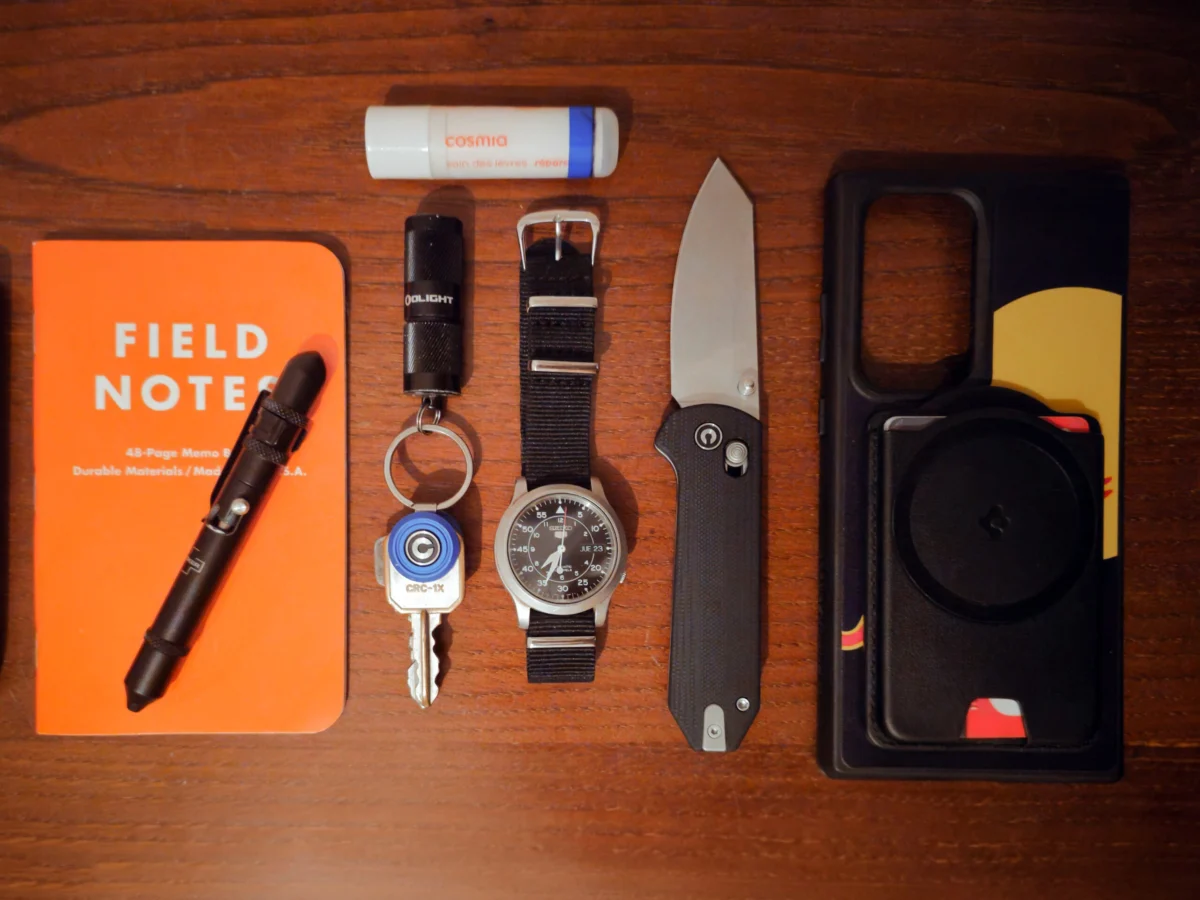
In the specialized field of aeronautical automation, the requirement for precision, reliability, and efficiency extends beyond the workstation and into the personal effects carried by professionals. Ruben Caeiro, an automation operator based in Portugal, exemplifies the intersection of technical discipline and utilitarian minimalism in his approach to Everyday Carry (EDC). His current selection of tools highlights a shifting trend in the EDC community toward high-value, high-performance gear that prioritizes weight reduction and ergonomic efficiency. By focusing on essential, multi-functional items—ranging from advanced locking knives to compact, task-oriented writing implements—Caeiro’s setup offers a template for how modern professionals integrate personal utility with professional readiness.
The Evolution of Personal Utility in Technical Fields
The concept of "Everyday Carry" has evolved from a niche hobbyist subculture into a broader movement focused on personal preparedness and organizational psychology. In sectors such as aviation, aerospace, and industrial automation, where workers must frequently navigate high-stakes environments, the tools one chooses to carry often reflect a need for rapid deployment and failure-resistant equipment.
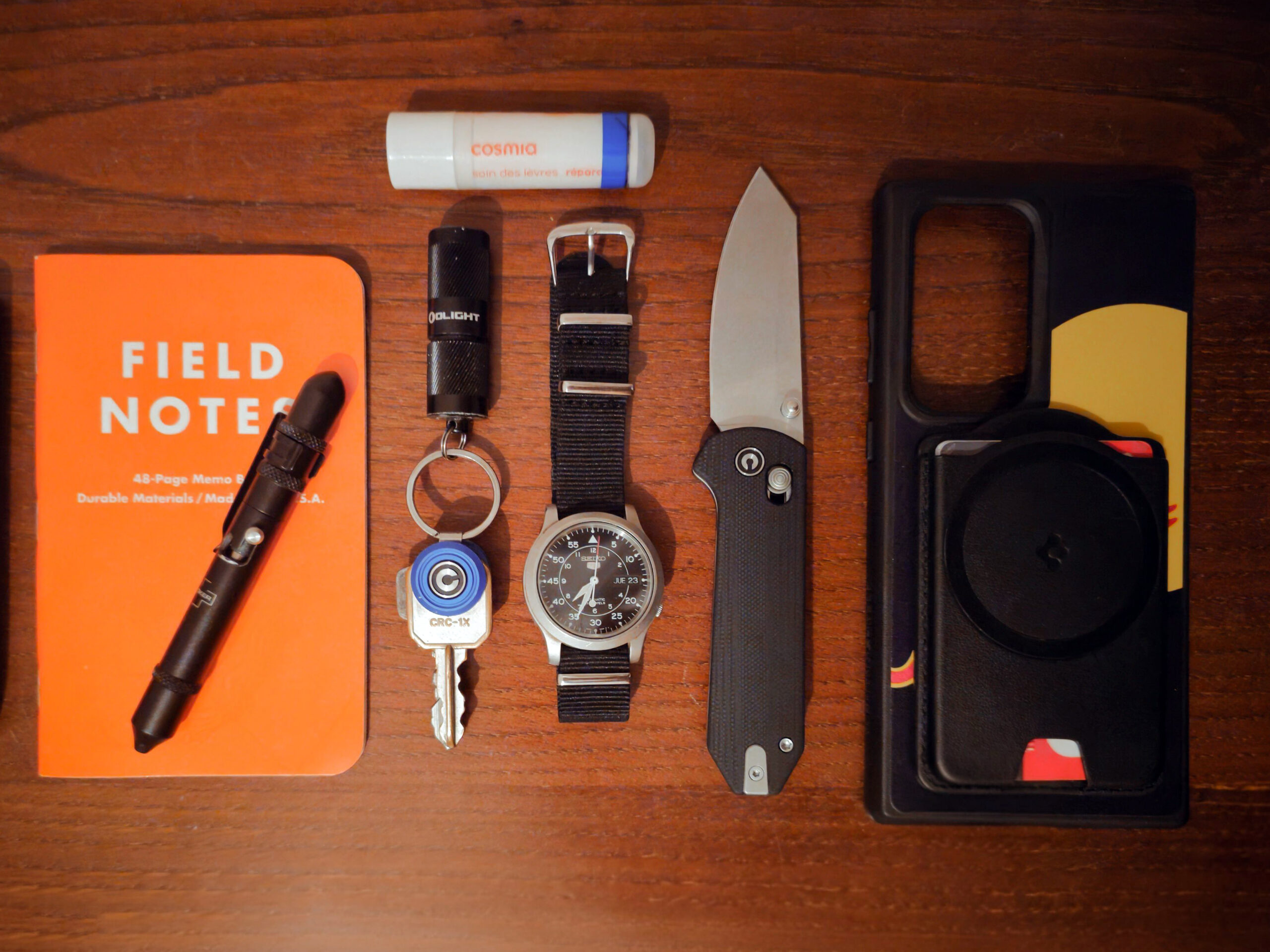
For an automation operator, the gear must be unobtrusive, allowing for fluid movement in tight technical spaces while remaining accessible for diagnostic or administrative tasks. Caeiro’s recent inclusion of a Field Notes notebook and the CIVIVI Yonder pocket knife demonstrates a deliberate shift toward tools that bridge the gap between heavy-duty industrial use and standard office-bound administrative duties. This balance is critical, as operators often transition between software-heavy monitoring environments and physical maintenance or verification tasks within the facility.
Chronology and Gear Integration: A Case Study
The integration of new equipment into an established EDC rotation is typically a process of trial and error. Caeiro’s current configuration represents a steady evolution over several months of field testing.
- Initial Phase (Early 2025): The foundation of the carry was established with core essentials: a smartphone with an integrated magnetic wallet, a compact key organizer, and a minimalist flashlight. These items were selected for their high power-to-weight ratio.
- The Transition (Mid-2025): The introduction of the Field Notes notebook signaled a shift toward manual logging and sketching, reflecting the necessity for non-digital backups in an increasingly automated environment.
- The Current Standard (Late 2025): The acquisition of the CIVIVI Yonder marks the latest milestone. Designed by Zac Whitmore and recognized as the "Best Buy of the Year" at the 2024 Blade Show, the Yonder represents the current peak of consumer-grade, crossbar-locked folding knives.
This chronology illustrates a "refined utility" approach, where each addition is evaluated not by its aesthetic appeal, but by its performance metrics in a professional setting.
Technical Analysis: The CIVIVI Yonder
The inclusion of the CIVIVI Yonder is perhaps the most significant component of Caeiro’s current rotation. From a design perspective, the Yonder is indicative of a broader trend in the knife industry toward democratization—providing high-end features such as crossbar-locking mechanisms and premium steel at an accessible price point.
The crossbar lock, once reserved for high-end boutique manufacturing, has become a standard for safety and reliability. In a professional environment, the ambidextrous nature of the lock is a vital feature, allowing for one-handed operation regardless of the user’s positioning or available hand space. With an ergonomic handle design that reduces fatigue during repetitive use, the Yonder is engineered to function as a tool rather than a collector’s piece. The fact that it received industry recognition at the 2024 Blade Show underscores the market’s shift toward functional, high-value EDC gear.
Broadening the Scope: Minimalist Philosophy and Efficiency
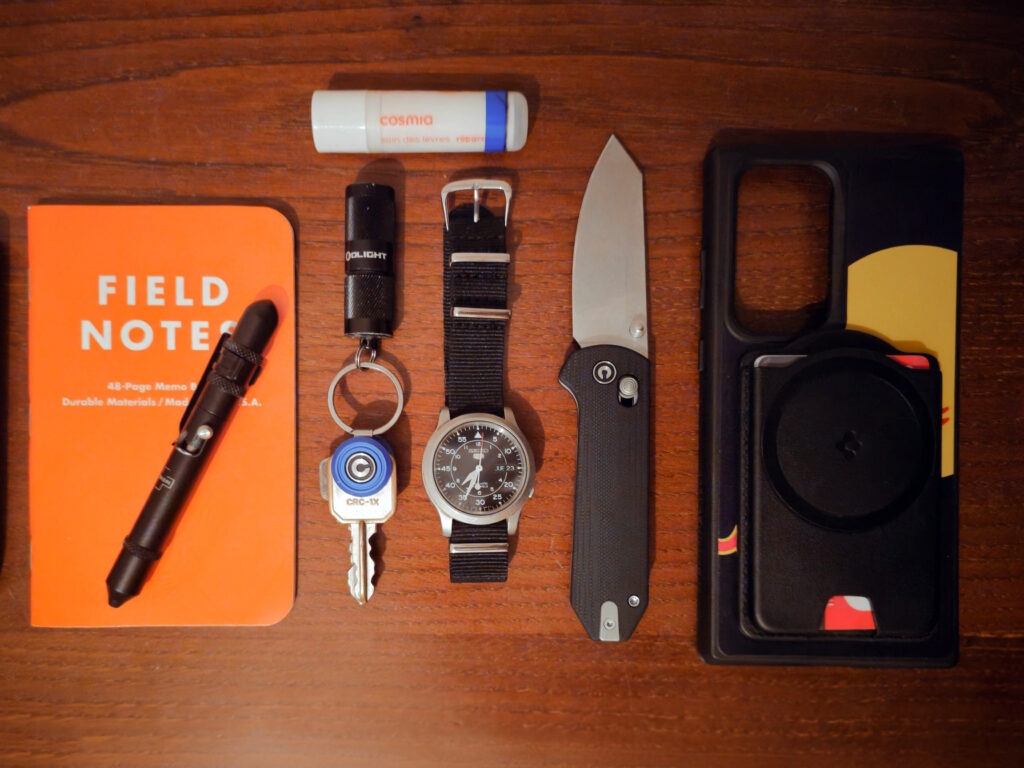
The overarching philosophy of Caeiro’s carry—and indeed the philosophy championed by contemporary EDC practitioners—is centered on the concept of "load-out optimization." By consolidating bulky items like traditional bi-fold wallets into magnetic, phone-attached versions, and utilizing compact, bolt-action pens, the operator saves valuable pocket real estate.
This optimization is not merely about comfort; it is about psychological clarity. A cluttered pocket or an overloaded belt can lead to "cognitive friction," where the operator spends unnecessary time searching for equipment. In an aeronautical environment where seconds can matter during a maintenance procedure or a system diagnostic, the ability to intuitively locate a tool is a significant operational advantage.
Supporting Data: The Rise of the EDC Industry
The market for personal gear has seen exponential growth over the last decade. Industry reports indicate that the pocket knife and multi-tool sector, in particular, has benefited from a surge in interest from demographics outside of traditional outdoor enthusiasts. This includes professionals in IT, engineering, and automation.
Data from secondary market tracking suggests that the resale value of high-quality, "value-tier" knives like the CIVIVI line remains relatively stable, suggesting that consumers are moving away from disposable, low-quality tools toward investment-grade equipment that retains its functional utility over time. Furthermore, the popularity of the "Tiffany dial" style watch, which Caeiro identifies as his preferred dress-casual alternative, reflects a broader aesthetic trend toward blending retro-inspired design with modern quartz reliability—a staple of the "EDC fashion" subset.
Implications for Future Gear Selections
As professionals like Caeiro continue to refine their carries, we can expect to see increased demand for modularity. Future gear will likely continue to emphasize:
- Material Science: The use of lightweight alloys, titanium, and carbon fiber to reduce the weight-to-durability ratio.
- Sustainability: A preference for products that are easily repairable or come with long-term manufacturer support, reducing the need for total replacement.
- Cross-Platform Integration: Gear that can serve multiple purposes, such as the pen that doubles as a stylus or the flashlight that serves as both a task light and an emergency beacon.
Professional Perspectives on EDC Utility
The practice of maintaining a standardized EDC has garnered attention from organizational psychologists, who argue that such rituals foster a sense of autonomy and readiness. When an individual takes ownership of their personal equipment, it correlates with a higher degree of attentiveness to their professional tools.
"When you optimize your daily gear, you are essentially creating a personal ecosystem that supports your workflow," says one independent product design consultant. "For someone in aeronautical automation, the gear is an extension of their cognitive process. If the tools are reliable and ergonomic, the user can focus entirely on the complexity of the systems they are managing rather than the physical tools they are using."
Future Outlook and Conclusion
Ruben Caeiro’s approach to his daily carry provides a clear insight into the mindset of the modern technical professional. By meticulously selecting gear that offers the highest functional output for the lowest physical footprint, he maintains a state of constant preparedness.
As he transitions between his professional role in aeronautical automation and his off-duty time, the ability to swap specific components—such as the knife or the timepiece—while keeping the core of his kit consistent, suggests a high level of intentionality. This strategy of "modular minimalism" ensures that whether he is on the clock or off, his equipment remains an asset rather than a burden.
As the industry continues to advance, the standards set by early adopters of high-value, ergonomic gear will likely influence the broader market. We are moving away from an era of "more is better" and into an era of "better is better," where every item in a professional’s pocket has a defined purpose, a proven performance record, and a place in the broader workflow. For Caeiro and his peers, the future of EDC is not found in the acquisition of more gear, but in the intelligent application of the right gear at the right time. The success of this approach is evidenced not only by the efficiency of his daily operations but by the growing community of professionals who are adopting similar methods to enhance their own productivity and readiness in an increasingly complex and automated world.