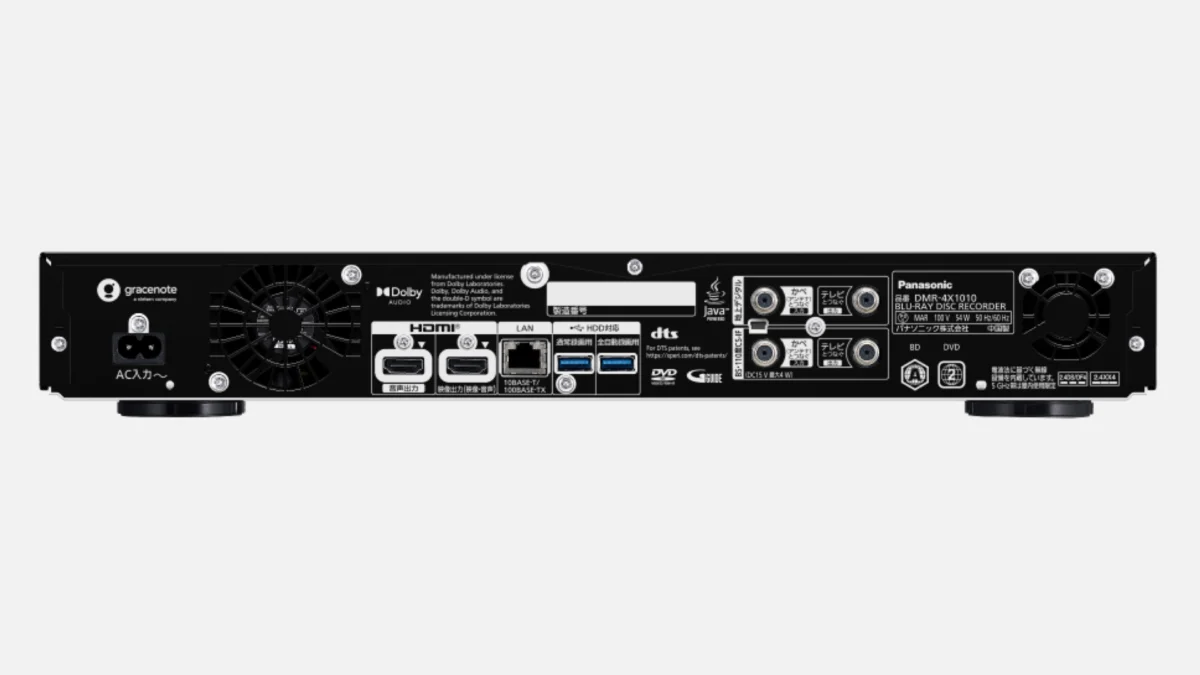
Physical media enthusiasts and home theater aficionados have received an unexpected boost following the announcement of two high-end disc players within the same month. Leading the charge from a mainstream consumer electronics giant is the Panasonic DMR-4X10¹⁰, a sophisticated flagship 4K Blu-ray recorder and media hub. Scheduled for an authorized dealer release on October 22, 2026, this device combines traditional physical disc playback with massive onboard storage and modern cloud integration. However, much to the disappointment of international cinephiles, the hardware remains a Japan-only release, carrying a retail price of 434,500 yen—approximately $2,800 USD, £2,080 GBP, or $3,930 AUD.
The introduction of the DMR-4X10¹⁰ arrives alongside the Magnetar Ultima, a reference-grade player targeted at ultra-luxury audiophiles priced at an astonishing $12,000 USD. While both products demonstrate that manufacturers are still willing to invest in high-end optical disc hardware, neither device caters to the average consumer looking for an accessible, entry-level replacement for older hardware. Instead, these releases highlight a bifurcated market where physical media has increasingly transitioned into a luxury hobby, championed by niche enthusiasts and collectors willing to pay a significant premium for dedicated hardware.
Comprehensive Hardware Capabilities and Storage Innovations
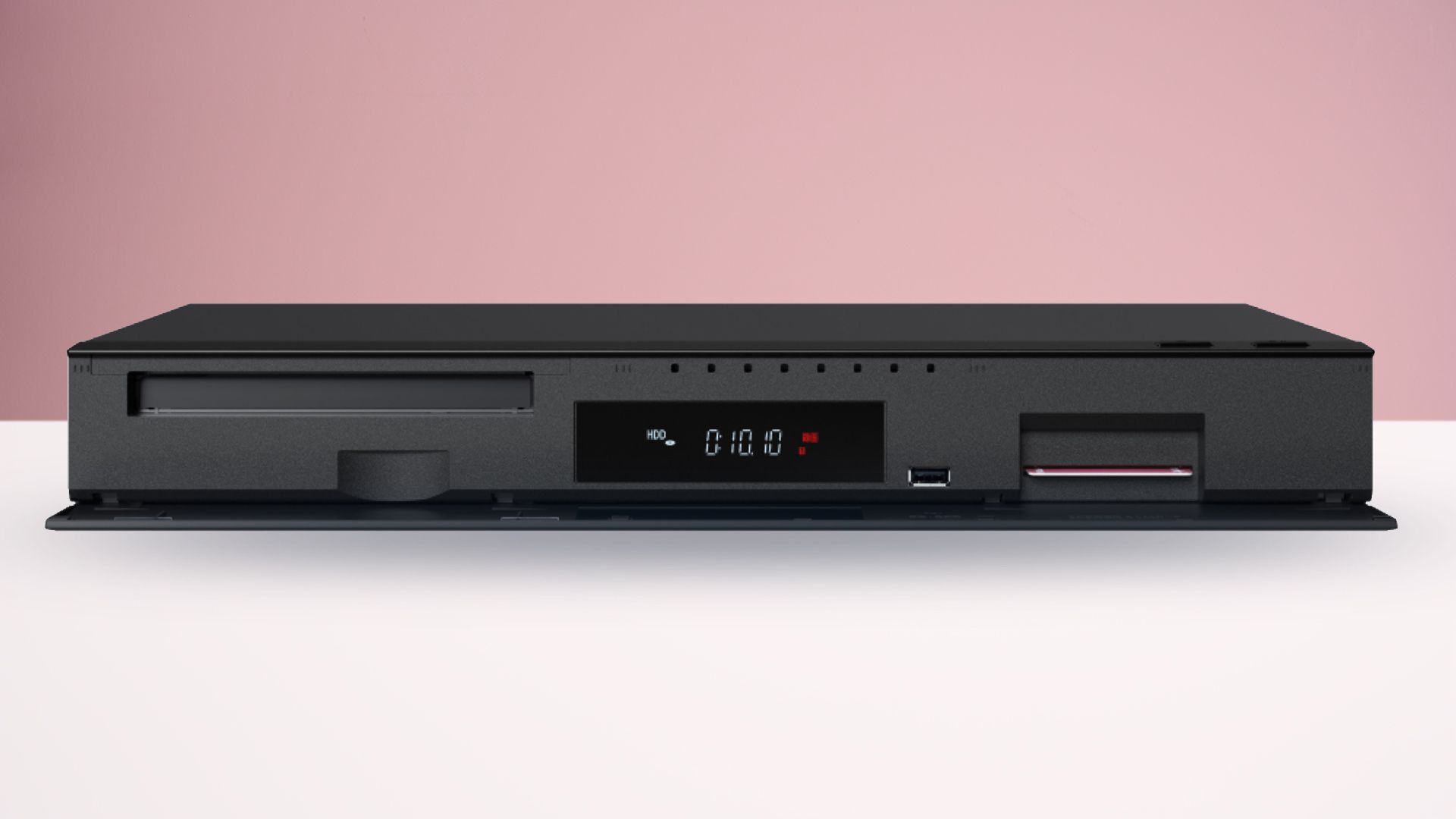
The Panasonic DMR-4X10¹⁰ transcends the traditional definition of a Blu-ray player by functioning as an all-in-one broadcast recorder, media server, and disc spinner. Beyond supporting standard 4K Ultra HD Blu-rays, legacy Blu-rays, and standard-definition DVDs, the device integrates built-in 4K broadcast tuners tailored to the Japanese television landscape.
At the core of the player’s hardware architecture is a colossal 10-terabyte internal hard disk drive. This massive storage capacity is specifically designed to accommodate extensive local recording of live television broadcasts, movies, and series. To maximize this space, Panasonic has implemented an advanced AVC encoder capable of compressing high-definition 24Mbps broadcast signals down to approximately 1.6Mbps without catastrophic quality loss, ensuring hundreds of hours of archival space.
Furthermore, the hardware addresses modern cloud storage trends by offering optional cloud recording capabilities of up to 10TB via integration with Google Drive and Microsoft OneDrive. This functionality allows users to stream their recorded television content directly to mobile devices or securely back up digital image files of their physical disc collections to remote cloud servers. For those who prefer physical backups, the unit also supports recording directly to high-capacity BD-R and BD-RE optical discs of up to 100GB.
Artificial Intelligence Integration and Audiovisual Enhancements
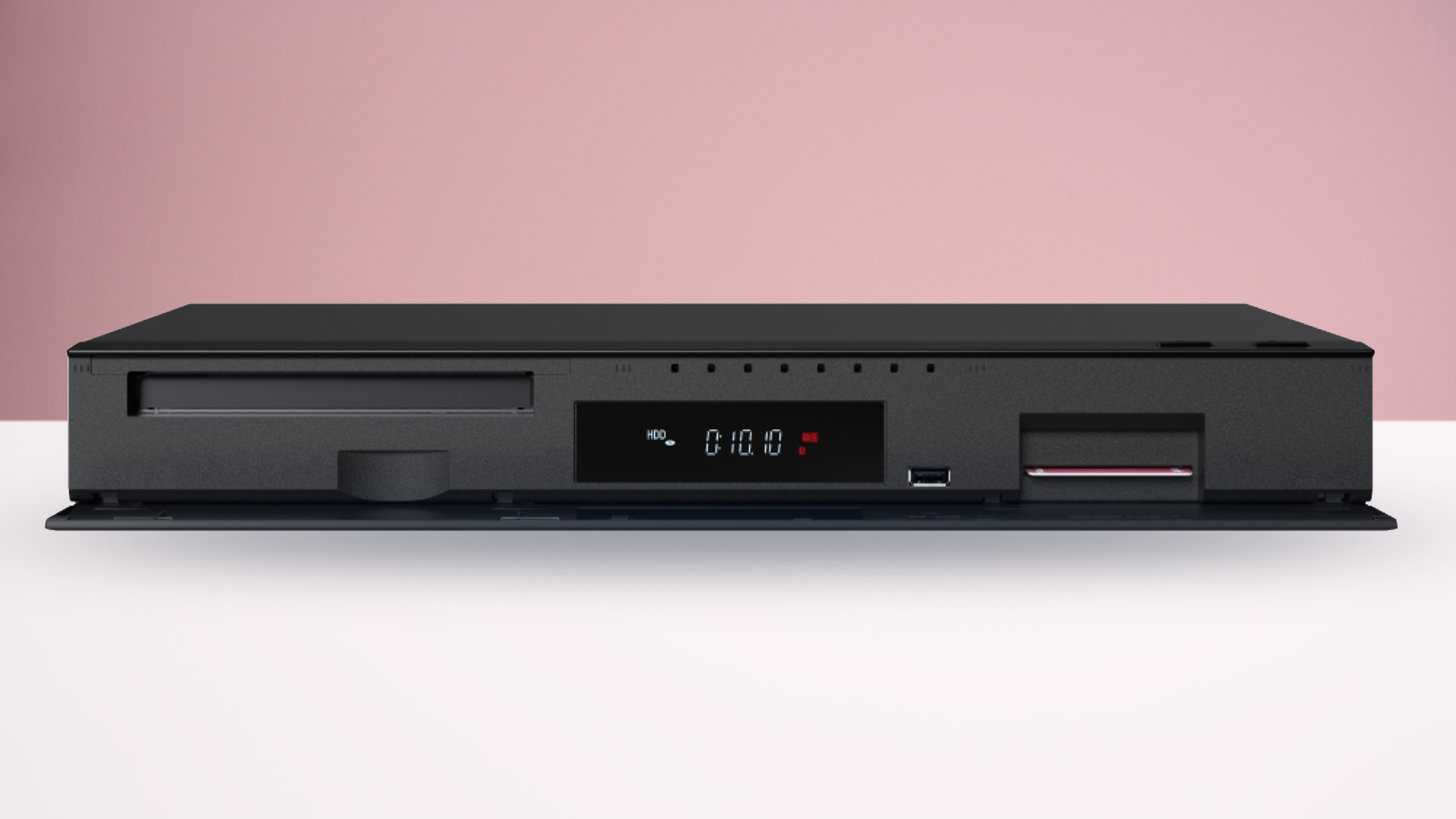
Panasonic has equipped its flagship player with proprietary processing technology, notably its AI Viera system. This machine-learning suite is designed to dynamically analyze incoming video feeds in real-time, adjusting picture parameters to suit the specific genre and visual composition of the content being displayed. For instance, the system can optimize color saturation and brightness for high-motion sports broadcasts while shifting toward deeper contrast curves and shadow detail for cinematic noir features.
In addition to visual adjustments, the AI framework monitors audio output to deliver a more immersive soundstage. By intelligently balancing dialogue clarity with dynamic range scaling, the system aims to replicate a theatrical audio experience within domestic living environments. These processing features are powered by specialized onboard silicon designed to handle heavy algorithmic workloads without introducing latency into the playback pipeline.
Industry Context and the State of the Physical Media Market
The launch of the Panasonic DMR-4X10¹⁰ takes place against a backdrop of persistent anxiety regarding the long-term viability of the 4K Ultra HD Blu-ray format. Over recent years, major consumer electronics manufacturers have scaled back their hardware divisions, leading to extended product lifecycles for existing players and occasional price hikes on legacy models. Panasonic itself adjusted the pricing of its globally available player lineup upward, signaling the rising cost of sourcing specialized optical drive components in a market dominated by subscription-based streaming services.
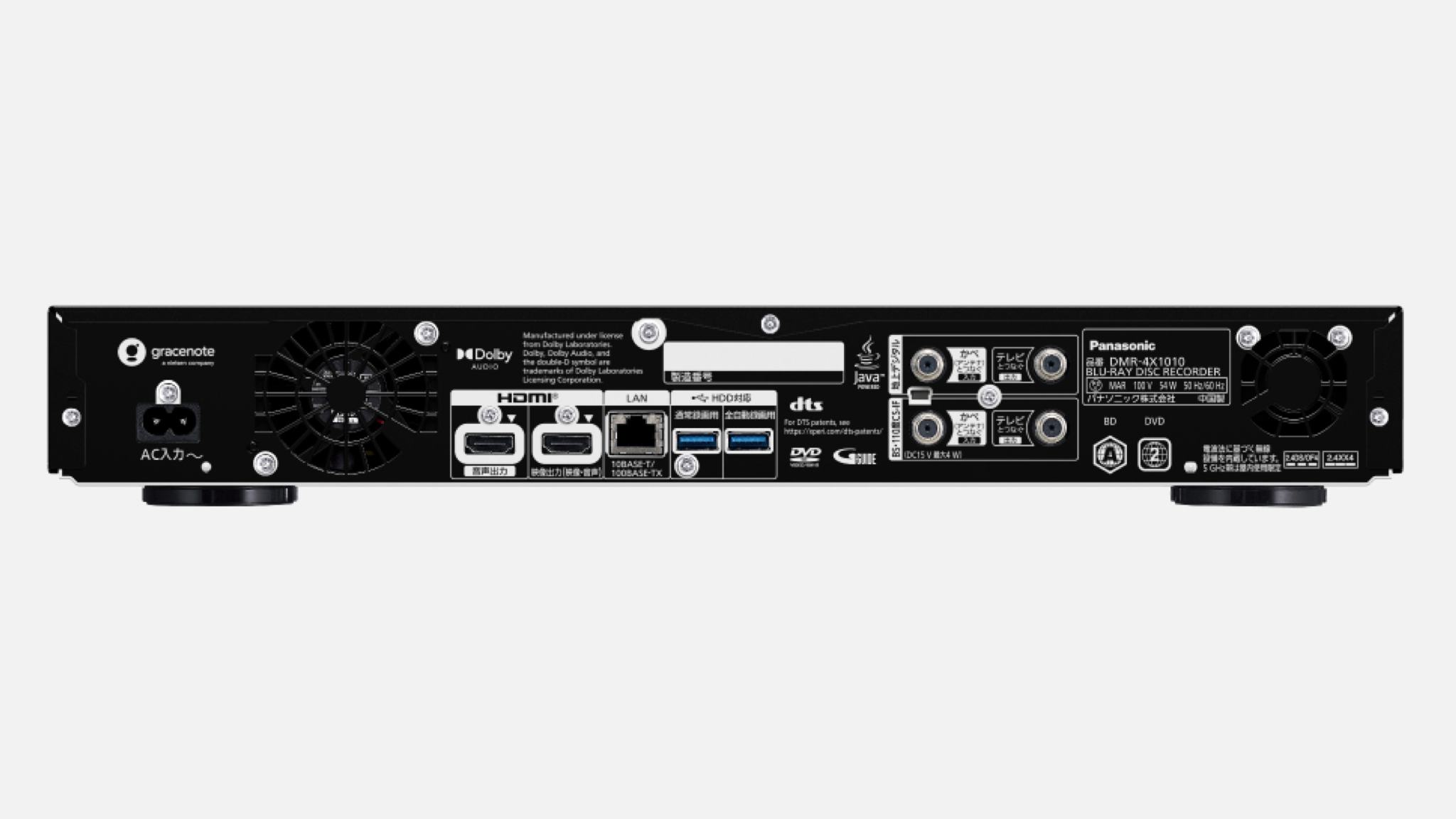
Despite the dominance of digital streaming platforms, a dedicated global consumer base continues to champion physical media for its superior bitrates, uncompressed audio formats, and immunity to digital licensing removals. Live broadcast recording, while largely phased out in North American and European markets due to the proliferation of cloud-based DVRs and video-on-demand services, retains a robust consumer base in Japan. This cultural preference for archiving broadcast content makes the Japanese market uniquely suited for high-capacity hybrid devices like the DMR-4X10¹⁰, which bridges the gap between linear television, physical discs, and modern network storage.
Analysis of Market Implications and Future Outlook
The simultaneous arrival of the Panasonic DMR-4X10¹⁰ and the ultra-luxury Magnetar Ultima underscores a broader industry reality: hardware manufacturers are prioritizing high-margin, low-volume products to justify the engineering and manufacturing costs associated with optical drive technology. By targeting affluent enthusiasts, audiophiles, and collectors, these companies can sustain R&D efforts in a shrinking sector.
However, industry analysts note that the absence of affordable, mainstream 4K Blu-ray players remains a critical bottleneck for format growth. As older players degrade through normal wear and tear, consumers face a dwindling selection of replacements under the $500 threshold. While flagship machines like the DMR-4X10¹⁰ showcase the absolute pinnacle of what optical media hardware can achieve in terms of storage and integration, the long-term health of the physical media ecosystem ultimately depends on the eventual introduction of accessible, mid-tier players for everyday movie fans.