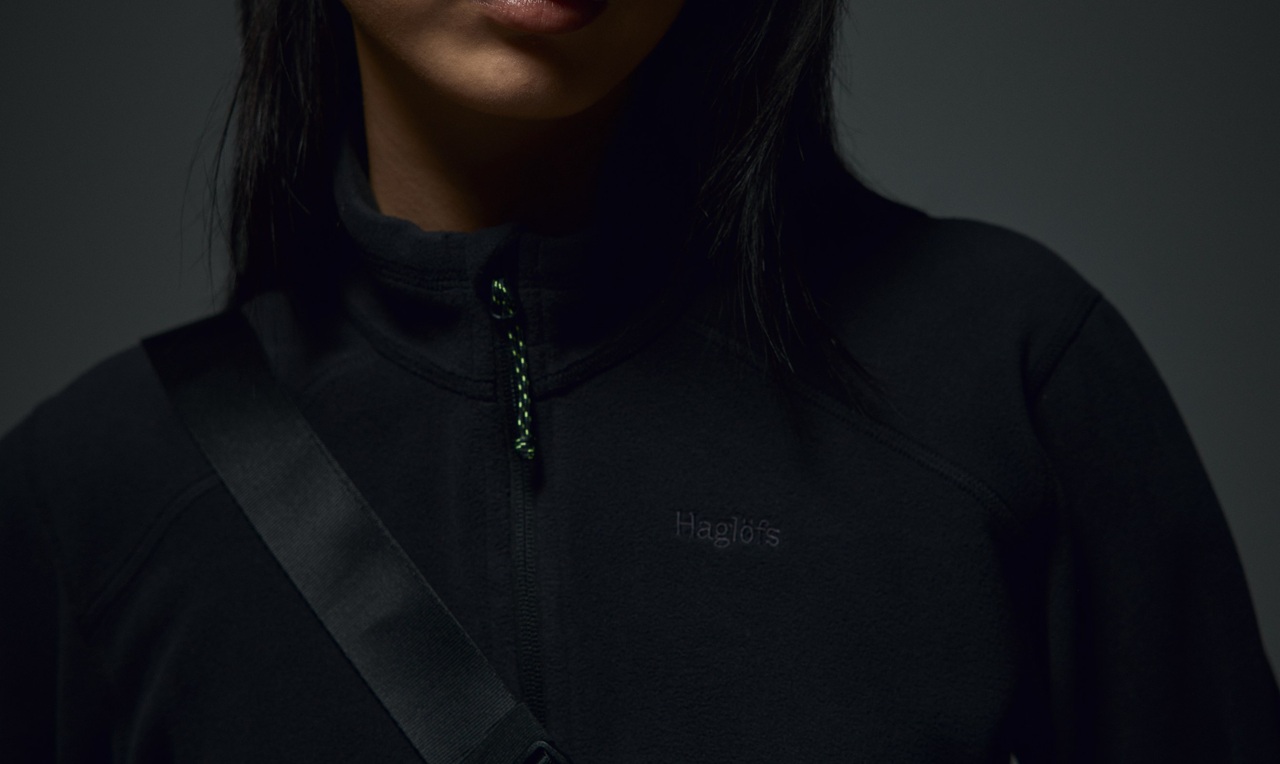
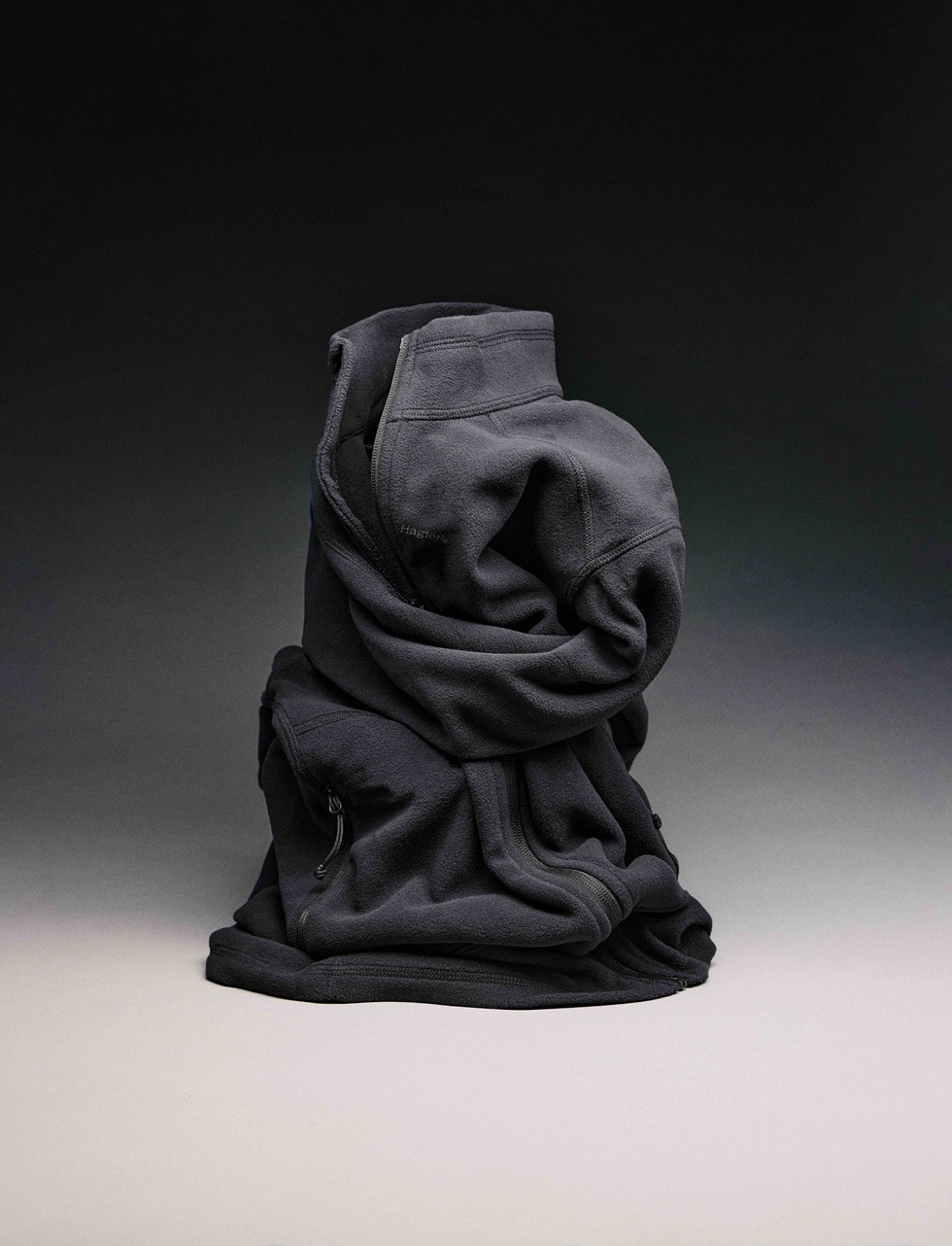
Step into any outdoor apparel retailer and walk down the fleece aisle, and you will immediately encounter an invisible environmental redundancy. Side by side hang dozens of black mid-layer jackets, pullovers, and trousers produced by competing brands. To the untrained eye of the consumer, they appear identical. However, when held under direct, bright light, subtle discrepancies emerge: one garment carries a faint bluish undertone, while another leans toward a warmer hue.
These microscopic visual variations are not intentional design choices. Instead, they are the byproduct of a fragmented global supply chain where countless outdoor apparel brands independently commission, process, and dye their own proprietary shades of black. Recognizing the staggering inefficiency of this practice, heritage outdoor brand Haglöfs has partnered with technical fabric innovator Polartec to introduce a disruptive concept known as Standard Issue Black. Designed to streamline manufacturing and dramatically reduce water and chemical pollution, this initiative challenges the outdoor industry to rethink how it approaches the most ubiquitous color in modern apparel.
The Scale of the Problem and Textile Chemistry
To comprehend the significance of Standard Issue Black, one must first examine the resource-intensive reality of synthetic textile dyeing. Unlike natural fibers such as cotton and wool, which possess a natural affinity for water-based dyes and can be treated at relatively low temperatures, synthetic polymers like polyester are inherently hydrophobic. They repel moisture, requiring an entirely different class of chemistry to achieve coloration.
Polyester manufacturing relies heavily on disperse dyes applied under intense pressure within aqueous thermal baths operating at temperatures of 130 degrees Celsius or higher. These extreme conditions force dye molecules deep into the core structure of the synthetic fibers. Among all available colors, black is technologically the most demanding. Creating a deep, consistent, and neutral black requires the complex layering of multiple disperse dye molecules, compounding the amount of heat, chemical additives, and water required for each cycle.
According to global environmental assessments, the textile industry accounts for approximately 20 percent of worldwide industrial water pollution, with wet processing—specifically dyeing and finishing—responsible for the vast majority of that burden. Depending on efficiency rates and depth of shade, processing a single kilogram of dyed polyester can consume between 30 and 150 liters of water. Because black sits at the absolute peak of this demand curve, the cumulative global footprint of thousands of brands independently running small-batch black dye jobs is staggering.
Operational Hurdles: Minimum Order Quantities and Redundancy
The roots of this issue are operational rather than aesthetic. Commercial dye houses operate on strict volume thresholds known as minimum order quantities (MOQs). To execute an economically viable dye cycle, facilities require substantial fabric quantities, often measuring in the hundreds of kilograms per run.
When smaller or mid-sized outdoor brands require black fabric, they commission custom dye recipes, fulfill the MOQ, and take delivery of their specific batch. Because hundreds of brands undertake this independent process simultaneously, the global textile industry perpetually runs numerous distinct, parallel dye cycles that yield virtually indistinguishable results. Each independent run necessitates its own laboratory recipe development, chemical consumption, wastewater treatment load, and quality approval framework. While individual business decisions are rational when viewed in isolation, the collective macro-outcome is deeply inefficient.
Chronology of the Initiative: From Concept to Implementation
The journey toward Standard Issue Black followed a deliberate trajectory designed to provoke industry-wide reflection before introducing a commercial solution.
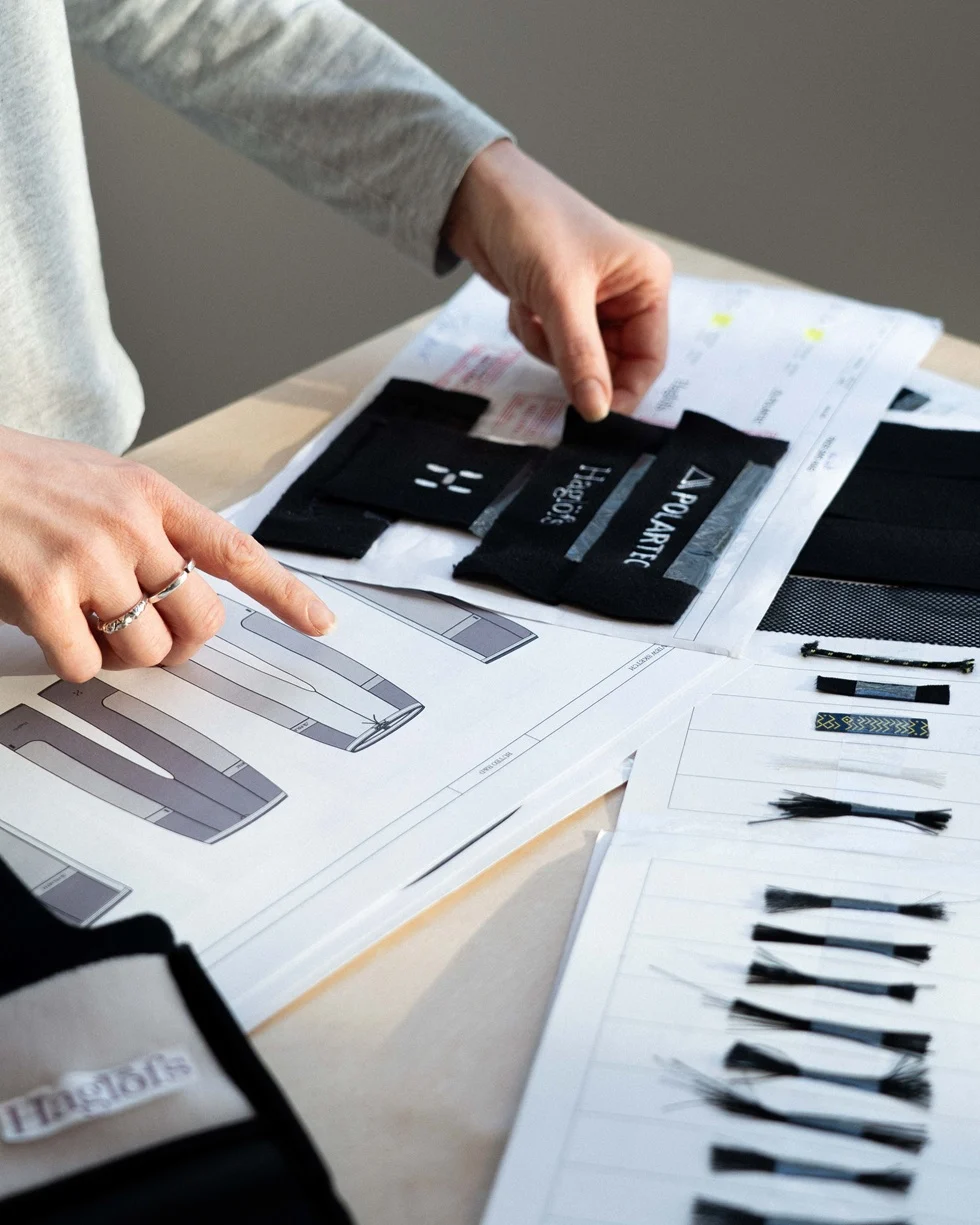
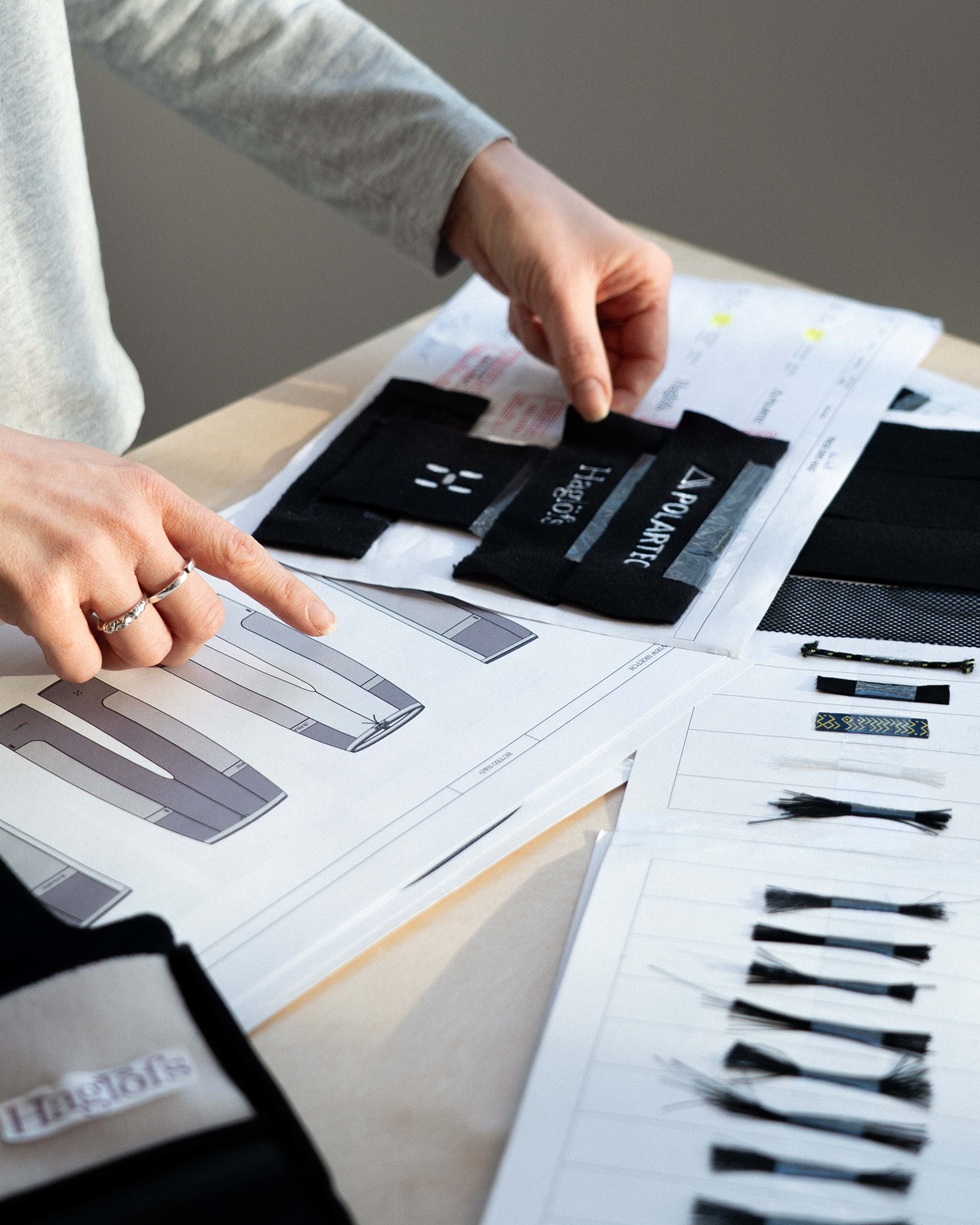
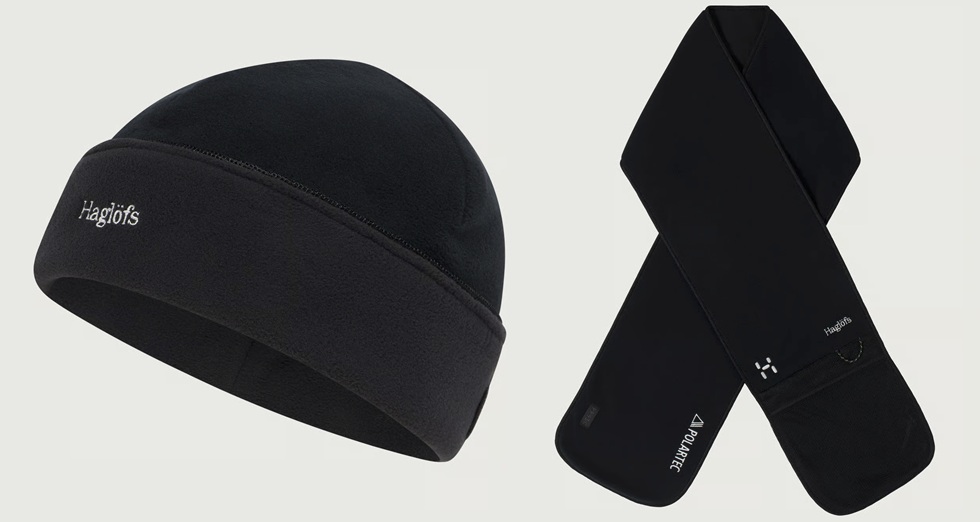
The campaign began with a conceptual awareness-raising phase centered around the Black Capsule Project. Haglöfs engineered a limited-edition capsule collection comprising a Project Tee, beanie, scarf, and trousers, constructed entirely from leftover, mismatched scraps of black Polartec fleece sourced from various separate dye runs. Every individual panel on these garments featured a visible woven label displaying its unique color batch number, visually demonstrating to consumers just how many distinct industrial processes were traditionally required to assemble a single outfit.
Following this exploratory awareness campaign, Haglöfs and Polartec transitioned from critique to execution. Rather than keeping the initiative proprietary, the partners established a universal, standardized shade of black. Polartec integrated this specific hue into its standard, large-scale production runs, making the formulation openly available to any apparel brand globally without licensing fees, exclusivity clauses, or competitive restrictions.
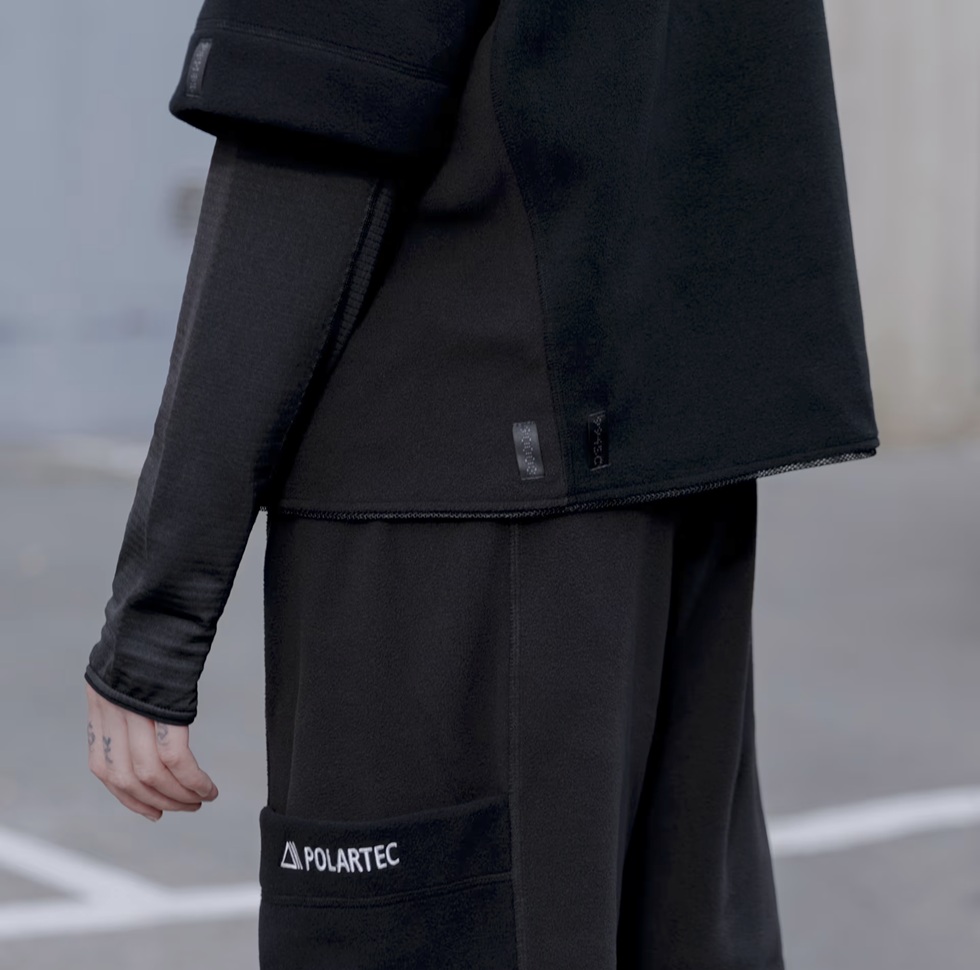
The commercial rollout reaches a major milestone during the Fall/Winter 2026 season, marked by the integration of Standard Issue Black into one of Haglöfs’ highest-volume commercial products: the Buteo Mid II Jacket. By applying the standard to a best-selling item rather than a niche, limited-edition line, the brand aims to prove that environmental consolidation can successfully scale within mainstream retail channels.
Quantifying the Environmental Impact
While the outdoor industry has historically struggled with greenwashing and unverified sustainability claims, the mathematical logic behind batch consolidation is well-established in industrial chemistry. By replacing dozens of fractured, small-to-medium dye lots with consolidated, high-volume production runs, manufacturers can amortize setup, cleaning, and chemical processing energy across significantly larger yields.
Internal production assessments conducted by Haglöfs estimate that transitioning to Standard Issue Black yields greater than a 50 percent reduction in water utilization and at least a 20 percent decrease in thermal energy consumption compared to traditional piece-dyed black synthetic fabrics. While these figures represent company-supplied data rather than independently certified lifecycle analyses, the fundamental efficiency gains align with established manufacturing science.
Industry Implications, Creativity, and the Path Forward
A predictable objection raised by apparel designers centers on creative restriction. Critics argue that standardizing a core color might homogenize the outdoor retail landscape and stifle aesthetic innovation. However, industry veterans note that black has rarely served as a primary differentiator for technical outdoor apparel. Brands traditionally establish their unique identity through technical cuts, specialized hardware, ergonomic fit, trim details, branding placement, and seasonal accent colorways. Black remains a functional, unchanging industry constant.
Eva Weiss, Haglöfs Head of Design and R&D, addressed this concern directly during the rollout, emphasizing that standardization provides a framework for collaborative impact rather than a limitation on design freedom. She noted that defining a single industry-wide black simplifies upstream supply chains while preserving ample room for creative expression through structural design and complementary palettes. Industry observers frequently draw parallels to the widespread adoption of YKK zippers decades ago—a component standardization that streamlined production without diminishing outerwear design diversity.
Despite the clear economic and environmental arguments in favor of Standard Issue Black, broad adoption across the wider outdoor sector remains contingent upon overcoming institutional inertia. The apparel industry has a historical precedent of developing well-intentioned sustainability frameworks that struggle to achieve universal cross-brand participation due to competing corporate priorities and supply chain habits.
Nevertheless, because Standard Issue Black is economically neutral to positive and requires no financial premium from participating brands, it bypasses the traditional consumer "green premium" barrier. As brands like Haglöfs prove the viability of standardized materials through high-volume products like the Buteo Mid II Jacket, the initiative poses a fundamental question to the broader marketplace: whether the outdoor industry is prepared to abandon redundant manufacturing practices in favor of collective efficiency.