On Columbus Day Weekend in 2004, the retail landscape for climbing gear was significantly more opaque than it is today. A 15-year-old novice entering an Eastern Mountain Sports in West Lebanon, New Hampshire, faced a daunting array of specialized footwear—models like the Miura, Moccasym, and Anasazi Velcro—without the benefit of modern online tutorials or standardized sizing guides. This historical anecdote serves as a microcosm of the challenges faced by contemporary beginners: the confusion between stiff, flat-soled shoes designed for long-distance crack climbing and soft, downturned footwear intended for high-intensity indoor bouldering. As climbing has transitioned from a niche, rugged pursuit into a mainstream Olympic sport, the need for informed consumer education has become critical to preventing injury, financial waste, and early abandonment of the sport.

The Evolution of Climbing Footwear Technology
The physics of climbing shoes is governed by a delicate balance of friction, tension, and support. Historically, shoes were designed with stiff midsoles to support the foot during long, vertical, or slab-based ascents where standing on small edges was the primary objective. However, the rise of commercial indoor gyms has shifted the focus toward "smearing"—the act of using the rubber’s friction on flat surfaces—and toe-hooking, which requires high levels of sensitivity and flexibility.
Data from the past decade indicates that the average beginner’s climbing journey now begins on plastic holds in a climate-controlled gym environment. This shift has rendered traditional "stiff-last" beginner shoes less relevant for those focused on the modern, steep, and volume-heavy bouldering styles seen in international competitions. Manufacturers have responded by developing "gym-focused all-arounders," which prioritize synthetic materials that retain their shape, breathable linings for long sessions, and specialized rubber compounds that maximize contact with large, rounded holds.
Understanding the Mechanics: A Technical Primer
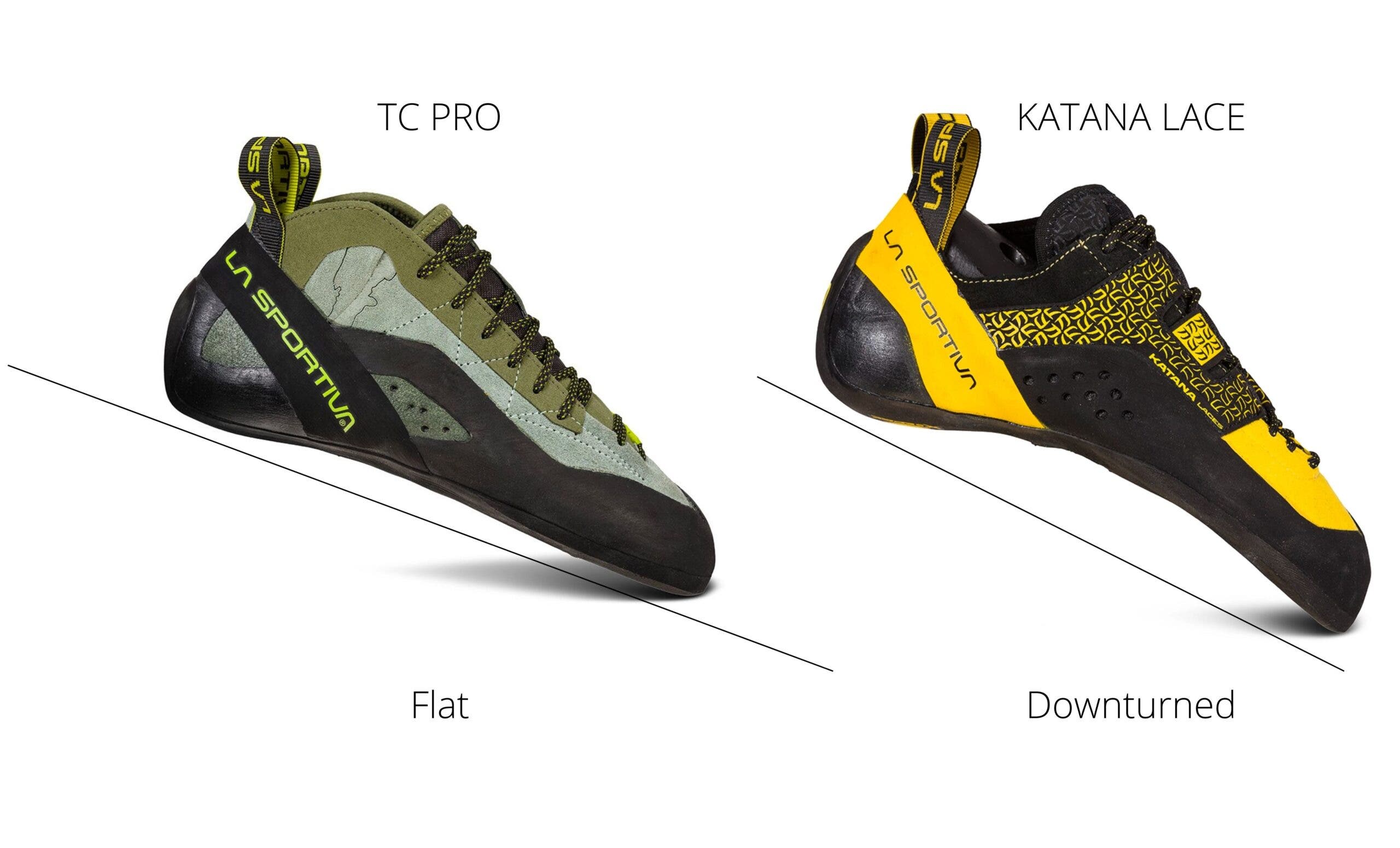
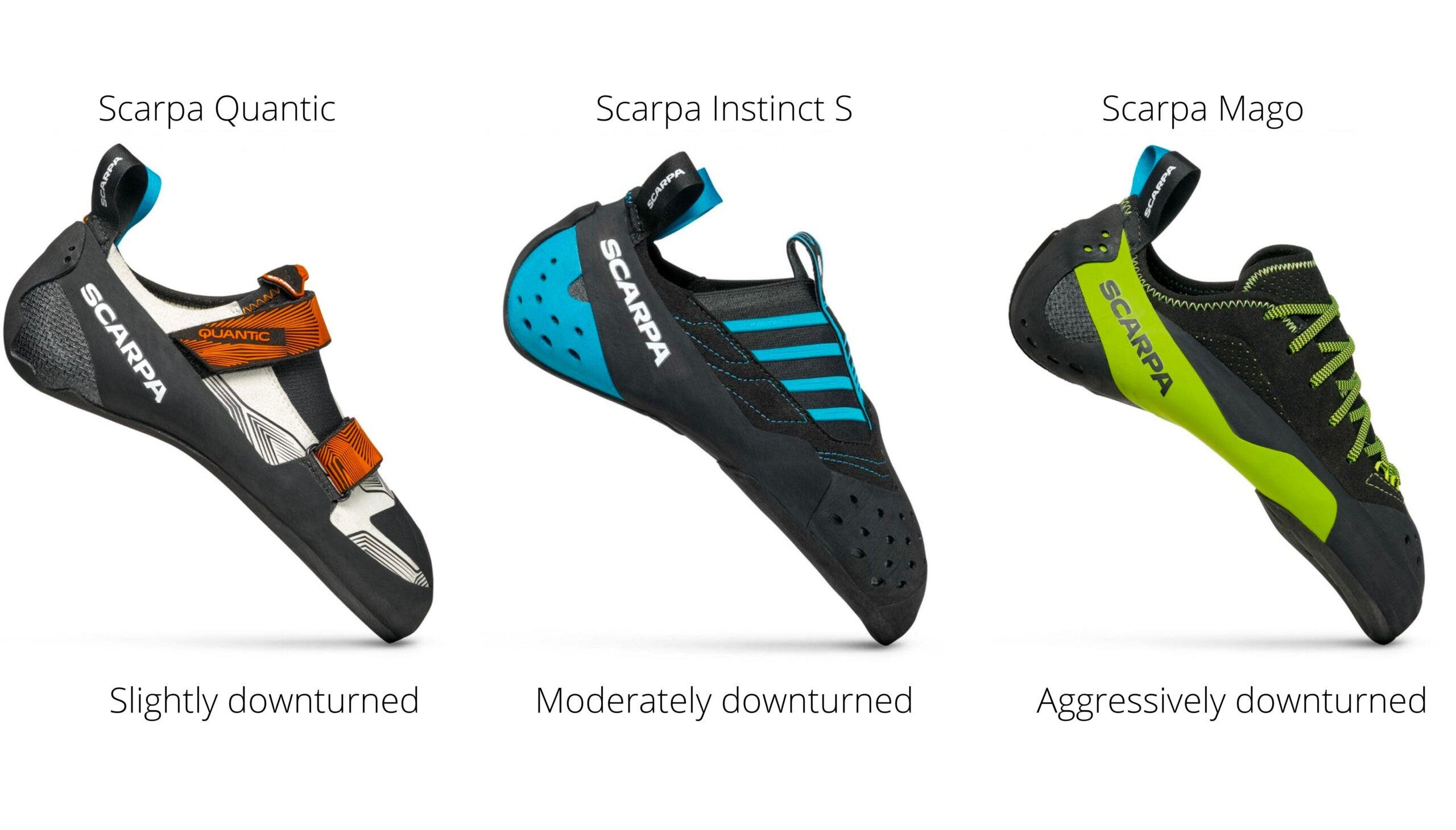
To make an informed purchase, a beginner must understand the four primary pillars of shoe design. First, the profile—the degree of "downturn"—dictates the shoe’s primary terrain. A flat-soled shoe keeps the foot in a neutral position, offering maximum comfort for multi-hour sessions. Conversely, a downturned shoe forces the foot into a claw-like shape, shifting the power to the big toe to maximize leverage on overhanging terrain.
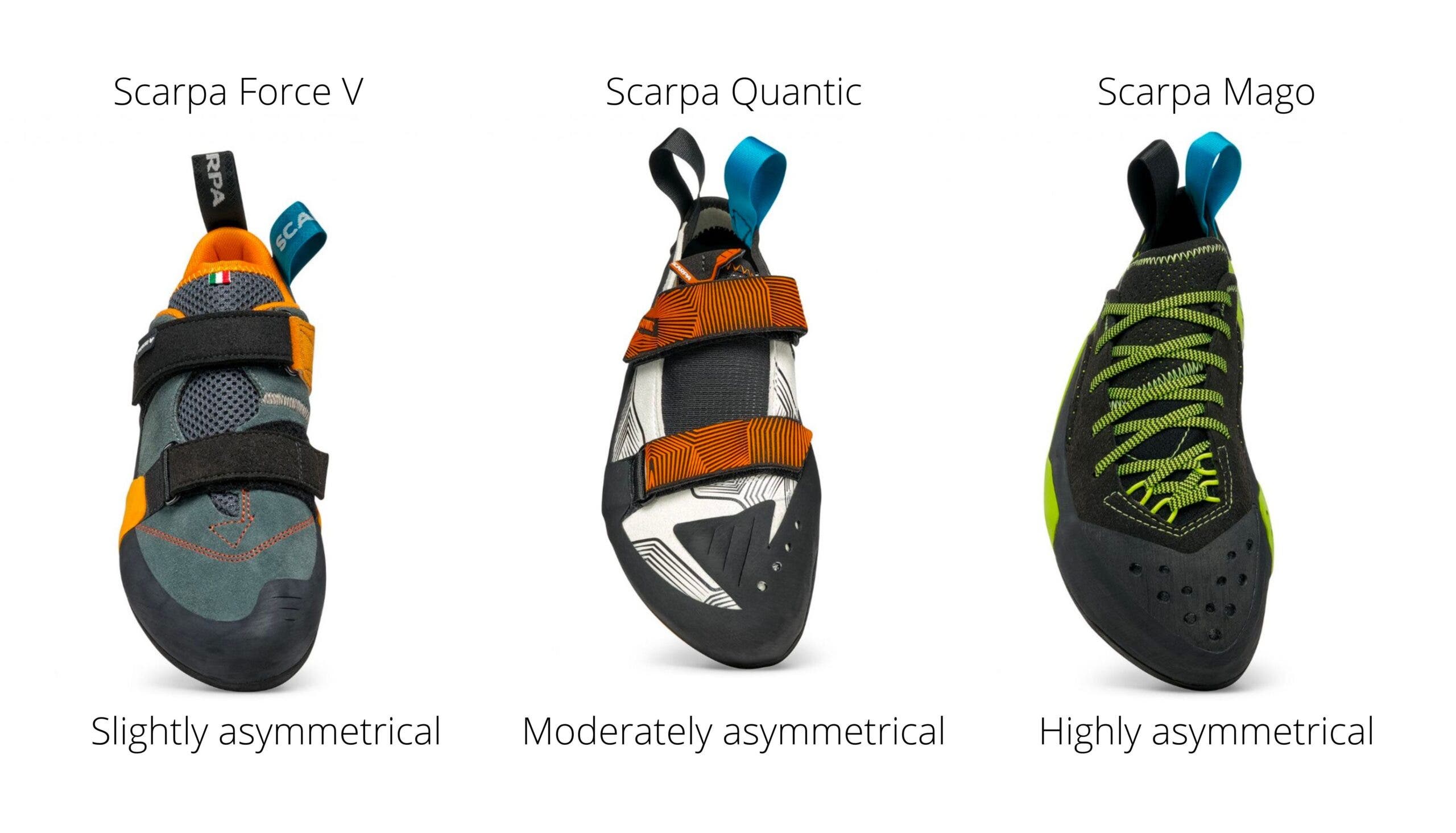
Second, the stiffness of the midsole determines the support-to-sensitivity ratio. A stiffer shoe acts like a platform, reducing muscle fatigue on thin, razor-sharp edges. A soft shoe acts like a second skin, allowing the climber to "feel" the rock and conform to complex, three-dimensional volumes. Third, the closure system is not merely a matter of convenience. Laces offer the most precise, customizable fit for various foot shapes, while Velcro straps provide efficiency during high-volume training sessions. Finally, asymmetry—the degree to which the shoe curves toward the big toe—is a key factor in power distribution. Highly asymmetrical shoes are designed for performance, but they can be uncomfortable for those still acclimating to the specific pressures of climbing footwork.
A Comparative Analysis of Beginner-Friendly Models
The current market offers a spectrum of footwear, ranging from budget-conscious entry-level models to high-performance hybrids.
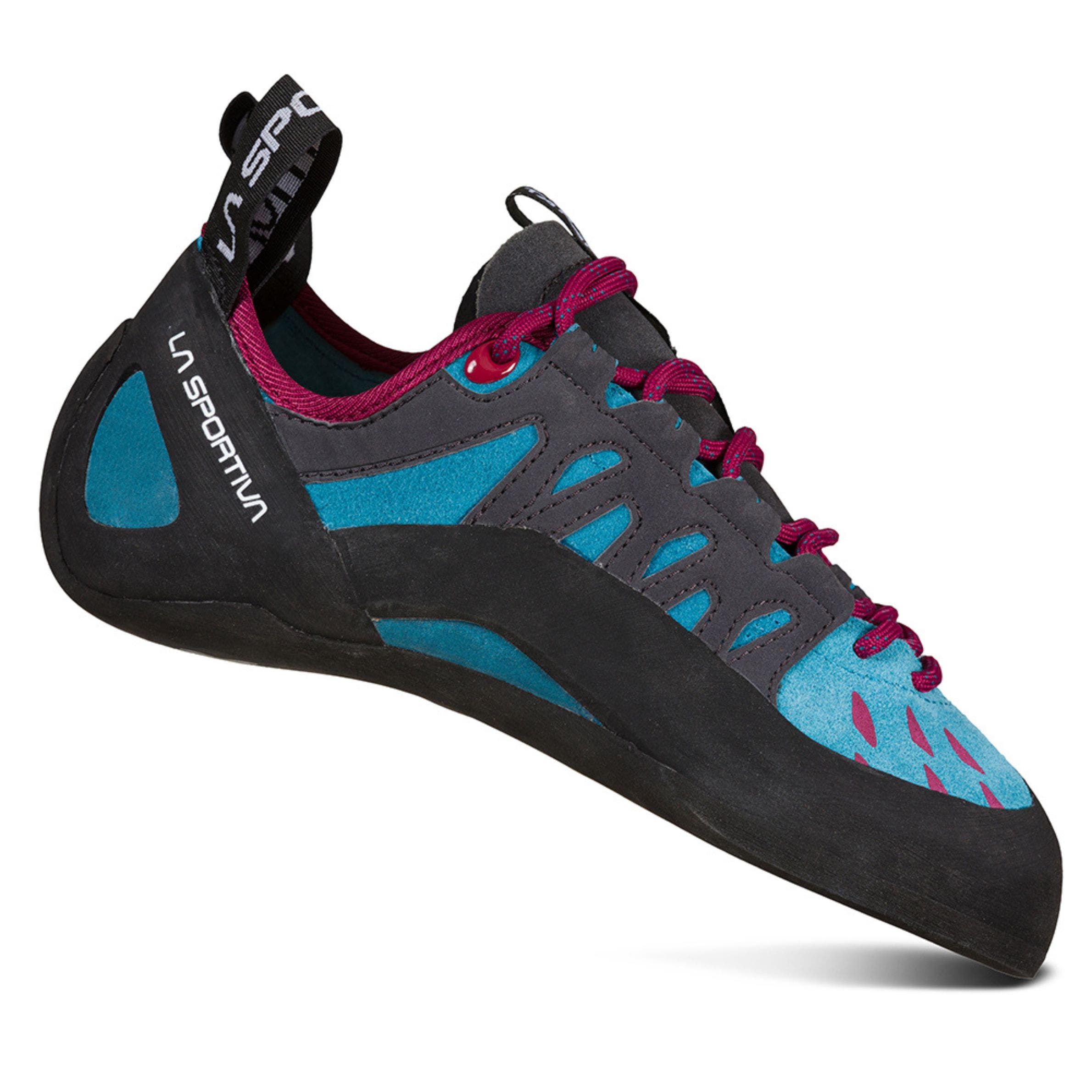
The La Sportiva Tarantulace remains a benchmark for the budget-conscious. Its unlined leather construction and flat, stiff last make it an excellent tool for learning the mechanics of footwork. However, its lack of sensitivity is a known limitation. In contrast, the Scarpa Veloce Lace has emerged as a favorite among gym-centric climbers. Its soft, highly sensitive sole is purpose-built for the modern bouldering gym, allowing for superior smearing on large volumes. While it lacks the edging support needed for technical outdoor granite, its performance in a gym setting is arguably superior to the stiffer, more traditional alternatives.
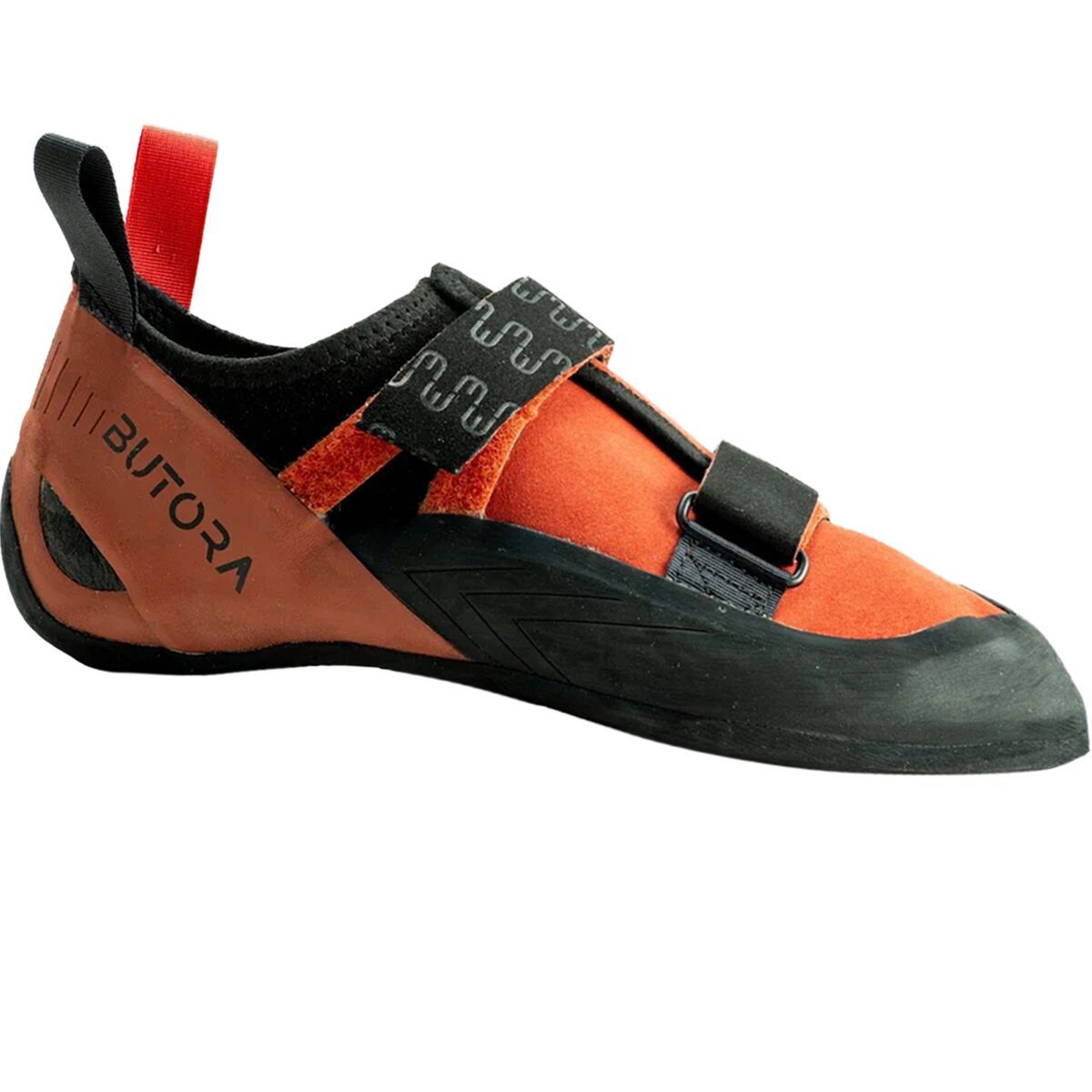
For those seeking a bridge between beginner and intermediate, models like the Butora Endeavor offer a balanced, mid-stiff construction that performs reliably across various terrains. The inclusion of hemp linings for odor control and multiple width options addresses common complaints regarding fit and hygiene, which are often cited by new participants as primary reasons for discarding their first pair of shoes.
The Financial and Ergonomic Implications of Sizing
A recurring error among new climbers is the misapplication of street-shoe sizing to performance footwear. Professional fitters emphasize that while comfort is essential to prevent injury, a "loose" climbing shoe is a functional failure. When a shoe is too large, the foot slides within the rand, leading to a loss of precision and potential blistering.
A consensus among experts is that a beginner shoe should feel "snug but not painful." The toes should touch the end of the toe box without extreme curling. Because leather shoes stretch up to half a size, while synthetic shoes remain relatively stable, the choice of material is as important as the sizing itself. Financial analysts in the sporting goods sector suggest that while spending $100 to $150 on a first pair may seem high, the cost-per-session—when compared to renting shoes at a gym—typically reaches a break-even point within three to four months of regular attendance.
Official Guidance and Industry Best Practices
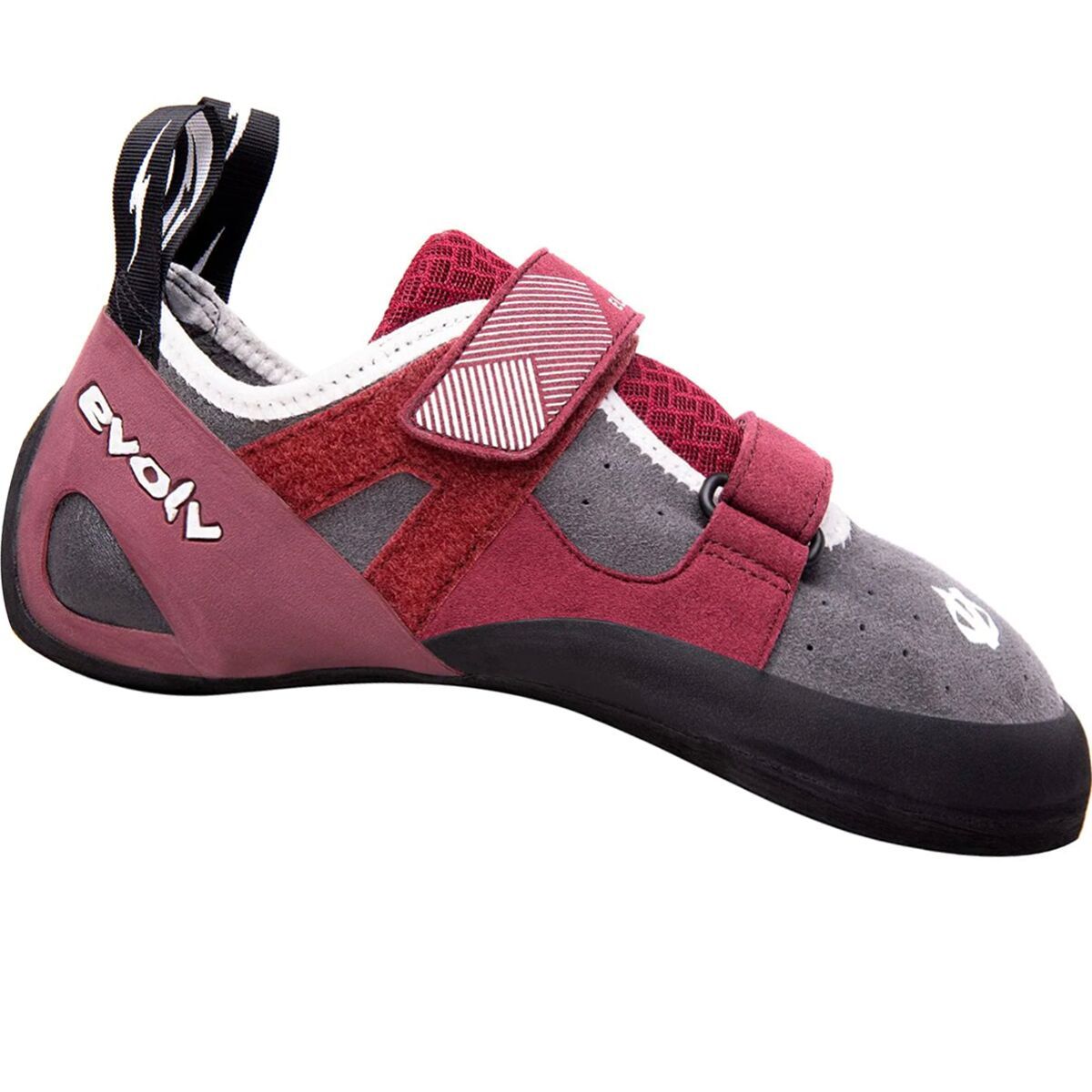
Industry leaders and professional climbers, such as Olympic medalist Sam Watson, have frequently highlighted the importance of matching the shoe to the specific discipline. While the Evolv Defy/Elektra series is often lauded for its comfort and breathability—and has even been utilized in competitive speed climbing—it is categorized as an "all-arounder." This designation implies a compromise; it does not excel in any single area but provides a reliable baseline for the learner.
The broader implication for the industry is a move toward more transparent, feature-focused marketing. Instead of using vague labels like "beginner" or "advanced," manufacturers are increasingly categorizing shoes by their ideal terrain: "Overhang," "Vertical," or "Gym." This allows the consumer to make a data-driven decision based on their local climbing environment.
Conclusion: Making the Right Investment
The trajectory of a climber’s development is inextricably linked to their equipment. A shoe that is too stiff may hinder the development of tactile sensitivity, while a shoe that is too soft may cause premature fatigue for a beginner who has not yet developed the intrinsic foot strength required for advanced climbing.
As the sport continues to grow, the primary advice remains consistent: identify your primary climbing style—be it gym bouldering, outdoor trad, or sport climbing—and seek a shoe that offers the necessary support for that environment. The goal is to reach a point where the footwear becomes an extension of the body rather than a source of distraction. By prioritizing proper fit, understanding the functional differences between profiles, and recognizing the limitations of entry-level gear, the novice climber can navigate the complex retail landscape with the same precision they apply to the wall.