The home robotics industry has witnessed a dramatic transformation as iRobot, the pioneering firm that defined the consumer robot vacuum market over two decades ago, officially re-enters the commercial landscape. Following its highly publicized filing for bankruptcy in late 2025, the company has emerged under the stewardship of its primary manufacturing partner, Shenzhen PICEA Robotics. This transition marks a new chapter for the brand, which is immediately attempting to reclaim its market share by unveiling an aggressive, feature-rich lineup of eight new Roomba models designed to compete with the high-performance vacuum manufacturers that originally contributed to its market decline.
The Chronology of a Corporate Turnaround
The path to this resurgence was far from certain. Founded in 1990 by roboticists from the Massachusetts Institute of Technology, iRobot spent over twenty years enjoying a dominant position as the quintessential household name for automated cleaning. However, the period between 2022 and 2025 was characterized by increasing pressure from low-cost, high-innovation competitors emerging from Asia. These rivals offered sophisticated mapping technology, advanced mopping capabilities, and high-suction motors at price points that iRobot struggled to match while maintaining its traditional manufacturing margins.
By December 2025, the financial burden of these competitive pressures culminated in a formal bankruptcy filing. The move served as a necessary restructuring event, allowing the company to shed legacy debt and pivot its operational model. The acquisition by Shenzhen PICEA Robotics—a move that effectively integrated the company’s supply chain directly into its ownership structure—was finalized in early 2026. This vertical integration is widely viewed by industry analysts as a strategic effort to lower production costs while accelerating the iteration cycle of new hardware, a critical necessity in the fast-moving smart home sector.
Technical Evolution: The New Roomba Lineup
The newly announced product range signifies a departure from the company’s previous design philosophy. The focus has shifted toward "miniaturization and optimization." According to internal disclosures, many of the eight new models feature a physical footprint reduced by up to 25 percent compared to their predecessors. This design choice is intended to improve navigation in cluttered domestic environments, allowing the robots to access tighter spaces under furniture and move more fluidly between room thresholds.
The flagship of the new collection, the Roomba 775, represents a massive leap in technical specifications. Most notably, the 775 boasts a suction power rating of 30,000 Pa, a significant upgrade from the 16,000 Pa rating of the previous 705 series. This doubling of power places iRobot back in the upper echelon of the market, matching or exceeding the raw specifications of premium competitors.
Beyond raw suction, the 775 integrates "hot spot mopping," a sophisticated feature that utilizes localized heat application to treat stubborn stains. The docking station—a critical component of modern vacuum convenience—has been entirely redesigned. It now provides a fully automated workflow that includes bin emptying, hot water mop washing, and high-temperature air drying. By automating the sanitation process for the mop pads, the 775 addresses one of the most common consumer complaints regarding early-generation robot mops: the development of odors and bacteria on damp cleaning pads.
At the other end of the spectrum, the entry-level Roomba 115 indicates that the company is not abandoning the budget-conscious consumer. With a starting price point equivalent to roughly $309, the 115 offers 15,000 Pa of suction power—a massive improvement over previous entry-level models. The optional availability of an auto-empty dock for an additional $95 ensures that even the lowest-tier models can provide a "hands-off" cleaning experience, which has become the industry standard.
Market Dynamics and Pricing Strategy
The pricing strategy for the new lineup reflects a careful balance between reclaiming market share and maintaining brand prestige. Based on early pricing data provided to international outlets, the company is positioning its products to be more competitive than its late-2025 offerings.
In the United Kingdom, the new range starts at £229, roughly equivalent to $309, for the 115 model. The flagship 775 is priced at £799, or approximately $1,080. When compared to the previous generation’s pricing—which topped out near the $1,000 threshold—the current range represents a more aggressive value proposition. By utilizing the manufacturing efficiencies of Shenzhen PICEA Robotics, the new management team appears to be aiming for a "more for less" value-to-price ratio.

Analysts observing the sector note that this pricing strategy is essential for survival. During its period of decline, iRobot was often perceived as a "premium" brand that was falling behind in feature sets. To succeed in the post-bankruptcy era, the company must convince consumers that its hardware is not only as capable as its rivals but also better integrated with modern smart home ecosystems.
The Role of AI and Navigation
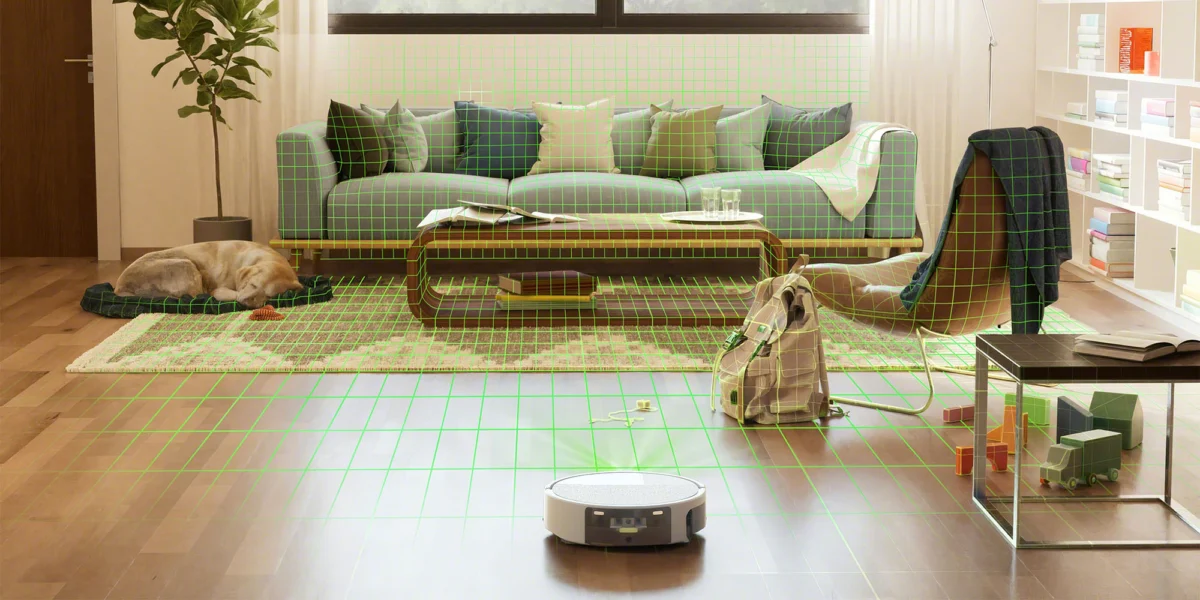
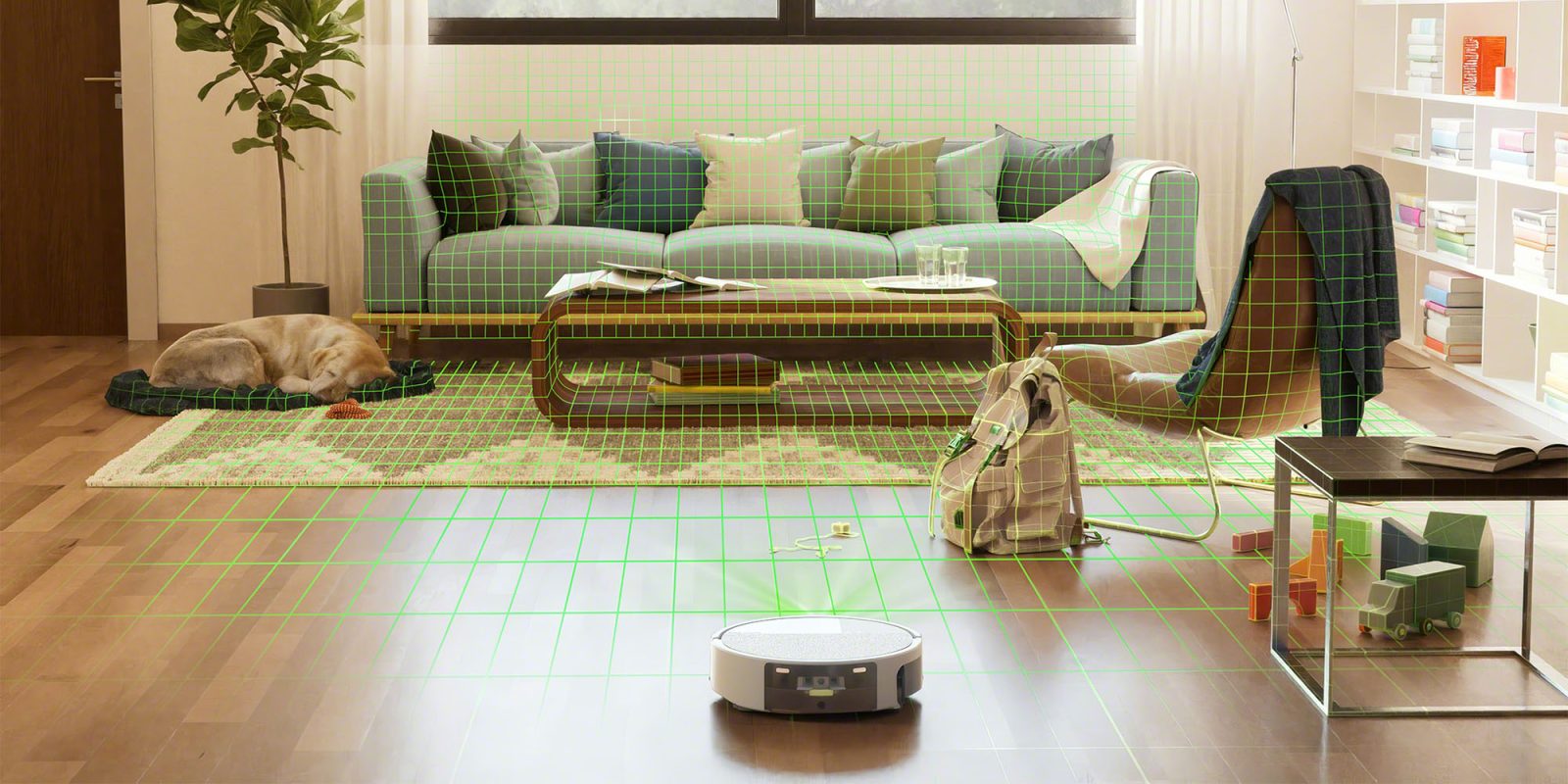
The new Roomba models continue to rely on the hallmark of the brand’s intelligence: the combination of LiDAR mapping and AI-powered camera systems. LiDAR remains the gold standard for environmental mapping, allowing the robots to build precise floor plans and navigate in low-light conditions. However, the integration of newer, more responsive AI models into the navigation software is intended to minimize "corner cases," such as robots getting stuck on cables or struggling with non-standard flooring transitions.
The reliance on AI also extends to object recognition. The latest software suite is designed to identify and avoid common household obstacles—socks, pet toys, and electrical cords—with a higher degree of accuracy than previous iterations. This focus on "obstacle avoidance" is critical, as it directly impacts the consumer’s desire to set their robot to clean while they are away from home. If a robot requires human intervention to be rescued from an obstacle, it defeats the primary purpose of the product category.
Broader Industry Implications
The emergence of a "reborn" iRobot under Chinese ownership is a microcosm of broader trends in global manufacturing and technology. The shift reflects a reality where the original inventors of a category often face disruption from their own supply chain partners. By absorbing the firm, Shenzhen PICEA Robotics has effectively streamlined the flow of capital and innovation, potentially creating a more resilient entity.
However, the transition also brings questions regarding data privacy and security, which have historically been significant concerns for users of connected, camera-equipped home devices. As a company that was once a US-based entity and is now under different ownership, the new iRobot will likely face increased scrutiny regarding how it handles user floor plans, home imagery, and usage data. The company has yet to release a detailed privacy manifesto under its new ownership, though it is expected that they will emphasize compliance with international data protection standards to maintain the trust of Western consumers.

Looking Ahead
For the millions of existing Roomba owners, the company’s survival is a positive development. It ensures continued support, software updates, and the availability of replacement parts—concerns that were at the forefront when the bankruptcy was first announced in December 2025.
The immediate future for the brand will be determined by how quickly these eight new models can gain traction in the global market. The competition remains fierce; established players like Roborock, Ecovacs, and Dreame have effectively capitalized on the vacuum of leadership left by iRobot during its restructuring.
The launch of the 775 and 115 series is more than just a product release; it is a signal to the market that iRobot intends to remain the standard-bearer for home robotics. Whether the company can leverage its historic brand equity while successfully executing its new, lower-cost manufacturing strategy will be the defining story of the domestic robotics market in 2026. The technical improvements—higher suction, smaller form factors, and advanced hot-mopping capabilities—provide a strong foundation, but the ultimate success of the "reborn" iRobot will depend on its ability to execute consistently in a global market that has moved well beyond the simple "bump-and-turn" robots that first launched the company to fame twenty-three years ago.