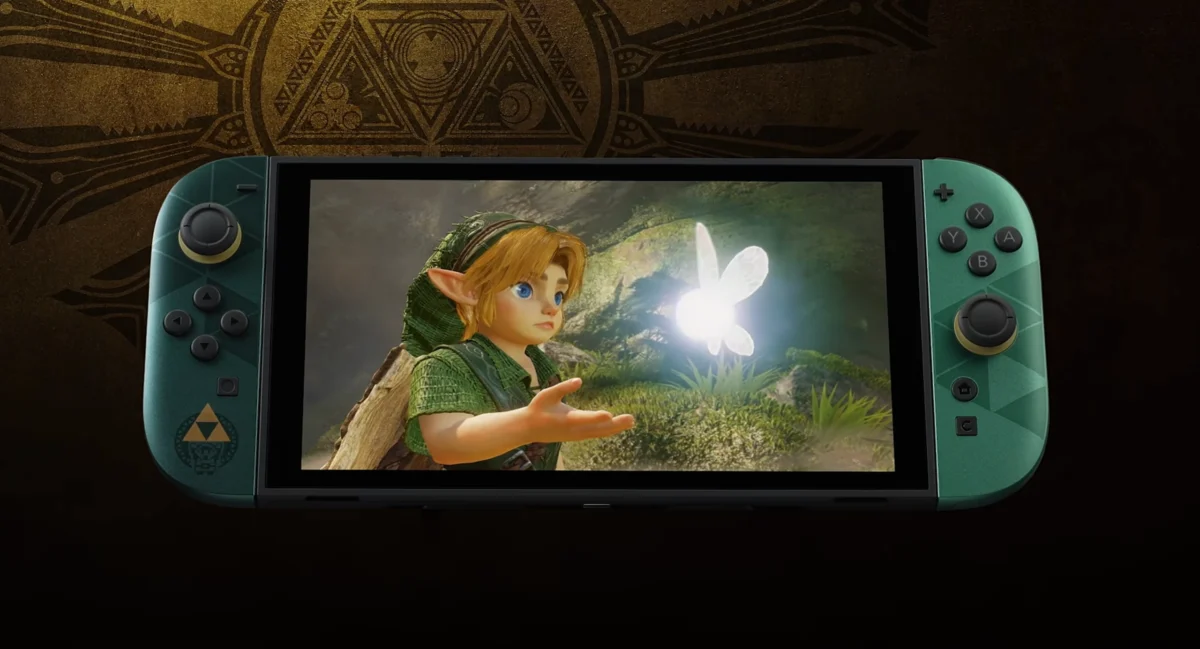
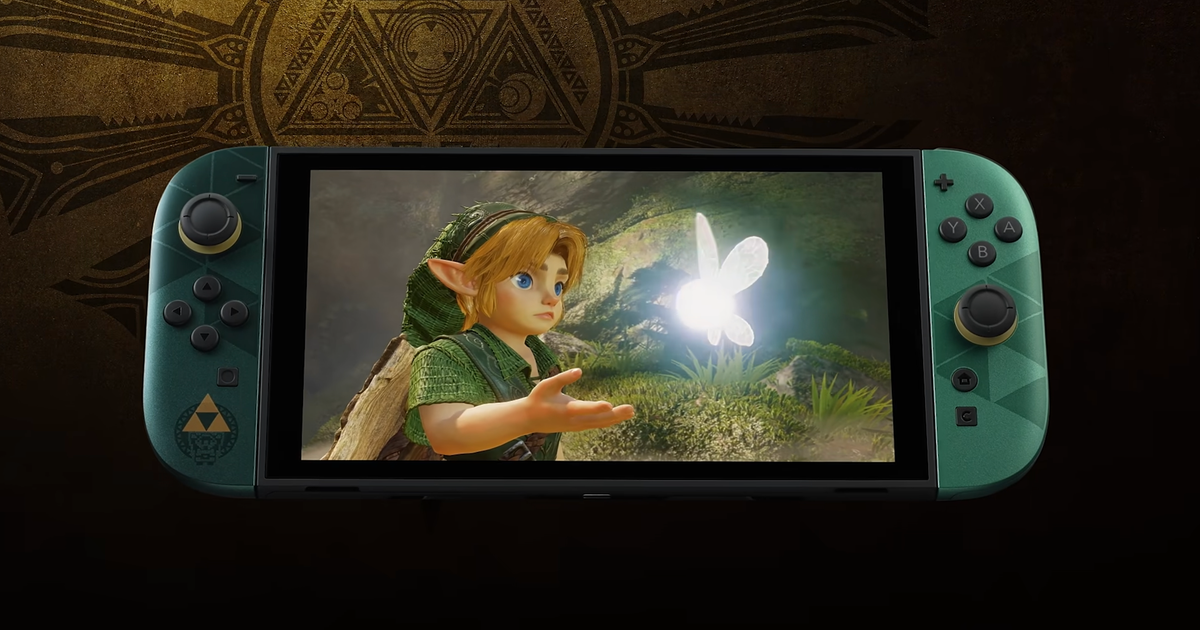
The highly anticipated launch of the Nintendo Switch 2, marked by the release of a limited-edition console commemorating the 40th anniversary of The Legend of Zelda franchise, has been marred by extreme supply shortages and aggressive resale activity. Following a dedicated Nintendo Direct presentation earlier this week, preorders for the specialized hardware—featuring iconic "Link-green" Joy-Cons and a gold-embossed Triforce aesthetic—vanished from major retail shelves within minutes. The rapid depletion of stock has left many longtime fans empty-handed, while simultaneously providing a lucrative opportunity for third-party resellers on platforms like eBay.
The Anatomy of the Launch
The Nintendo Switch 2 40th Anniversary Edition was unveiled as the centerpiece of a celebratory Nintendo Direct stream, designed to honor four decades of the Hyrulean saga. Beyond the console’s distinct chassis, the release includes a color-coordinated Pro Controller and a premium carry case, both featuring design motifs inspired by the series’ long-standing iconography.
Retailers initially listed the special edition console at a suggested retail price of approximately £435, reflecting a modest £15 premium over the standard Switch 2 model. However, the perceived value among collectors and enthusiasts quickly decoupled from the manufacturer’s suggested retail price. Within hours of the digital storefronts opening, the limited allocation was exhausted. Unlike previous hardware iterations, Nintendo has yet to provide guidance regarding potential additional inventory or the possibility of a second wave of preorders through its official online storefront.
The Scalping Phenomenon
The immediate aftermath of the sellout saw a predictable surge in secondary market listings. Data from major auction sites indicates that the consoles are currently trading at prices between $700 and $985—representing a markup of roughly 60% to 125% over the official MSRP.
A notable trend among these scalped listings is the inclusion of "bundle" offers that do not officially exist. Numerous sellers are marketing the hardware alongside the upcoming remake of The Legend of Zelda: Ocarina of Time, despite Nintendo confirming no such official bundle is currently in production. This practice creates confusion for consumers and illustrates the predatory nature of the current resale landscape, where information asymmetry is leveraged to maximize profit margins.
Historical Context: Nintendo and Limited Editions
Nintendo has a long history of utilizing limited-edition hardware to drive engagement for major anniversaries. From the gold-hued Game Boy Advance SP to various Zelda-themed 3DS iterations, the company has successfully cultivated a market that views these devices not merely as gaming tools, but as collectible assets.
However, the transition to the Switch 2 era appears to have compounded these supply chain challenges. The global semiconductor shortage that plagued the release of the original Switch and its competitors, the PlayStation 5 and Xbox Series X, set a precedent for low availability. While supply chains have largely stabilized for standard electronics, "special edition" hardware remains uniquely vulnerable to supply-demand imbalances, largely due to the fixed production runs that characterize these collector items.
Chronology of the 40th Anniversary Celebration
The events leading up to this week’s chaos were meticulously planned by Nintendo to maximize anticipation:
- September 2026, Early Week: Nintendo hosts a dedicated "Zelda 40th Anniversary Direct," outlining a year-long celebration of the franchise.
- September 10, 2026: Official reveal of the Nintendo Switch 2 40th Anniversary Edition and the Ocarina of Time remake.
- September 11, 2026: Global retailers open preorders; the inventory is depleted in less than four hours.
- September 12, 2026: Secondary market prices on eBay exceed $900 per unit.
- October 29, 2026: Scheduled release date for the Anniversary Edition console.
- November 5, 2026: Scheduled release date for the Ocarina of Time remake.
Industry Implications and Consumer Impact
The rapid evaporation of stock raises broader questions regarding Nintendo’s retail distribution strategy. By failing to implement anti-botting measures or strict one-per-customer protocols at the retail partner level, the company has effectively allowed the secondary market to dictate the accessibility of its flagship anniversary product.
Economists observing the gaming sector note that while these markups are standard for high-demand consumer electronics, they have a deleterious effect on brand loyalty. When a significant portion of a product’s initial run is diverted to resellers rather than the primary consumer base, the brand’s image as a consumer-friendly entity is strained.
Furthermore, the rise of "bundled" misinformation on resale sites poses a consumer protection risk. Fans eager to secure a copy of the Ocarina of Time remake may be misled into paying exorbitant prices for a console bundle that lacks any official warranty or support from Nintendo.

Market Reactions and Future Outlook
While Nintendo has remained silent on the secondary market activity, the company typically avoids commenting on third-party resale pricing. Internally, however, the pressure is likely mounting to address the supply gap. The launch of the Switch 2 is arguably the most significant hardware transition in the company’s recent history, and the optics of a botched anniversary rollout could potentially color the perception of the console’s entire lifecycle.
Industry analysts suggest that Nintendo may eventually address this by announcing a secondary, perhaps wider-distributed, batch of the hardware, or by releasing a standard version of the console that allows users to purchase themed accessories separately. For now, however, the landscape remains volatile.
As the October 29 launch date approaches, potential buyers are being advised to exercise extreme caution when navigating resale platforms. Experts recommend waiting for official announcements regarding restock volumes rather than engaging with speculative listings that carry no guarantee of delivery or authenticity.
Conclusion
The 40th anniversary of The Legend of Zelda should have been a purely celebratory milestone. Instead, the discourse has shifted toward the frustrations of supply chain management and the mechanics of the digital gray market. As Nintendo moves toward the launch of the Switch 2, the company faces the dual challenge of satisfying an insatiable fan base while protecting the integrity of its retail ecosystem. Whether this limited edition remains a rare commodity or receives the inventory boost needed to meet demand remains the primary question for investors and fans alike as the autumn release window closes in.