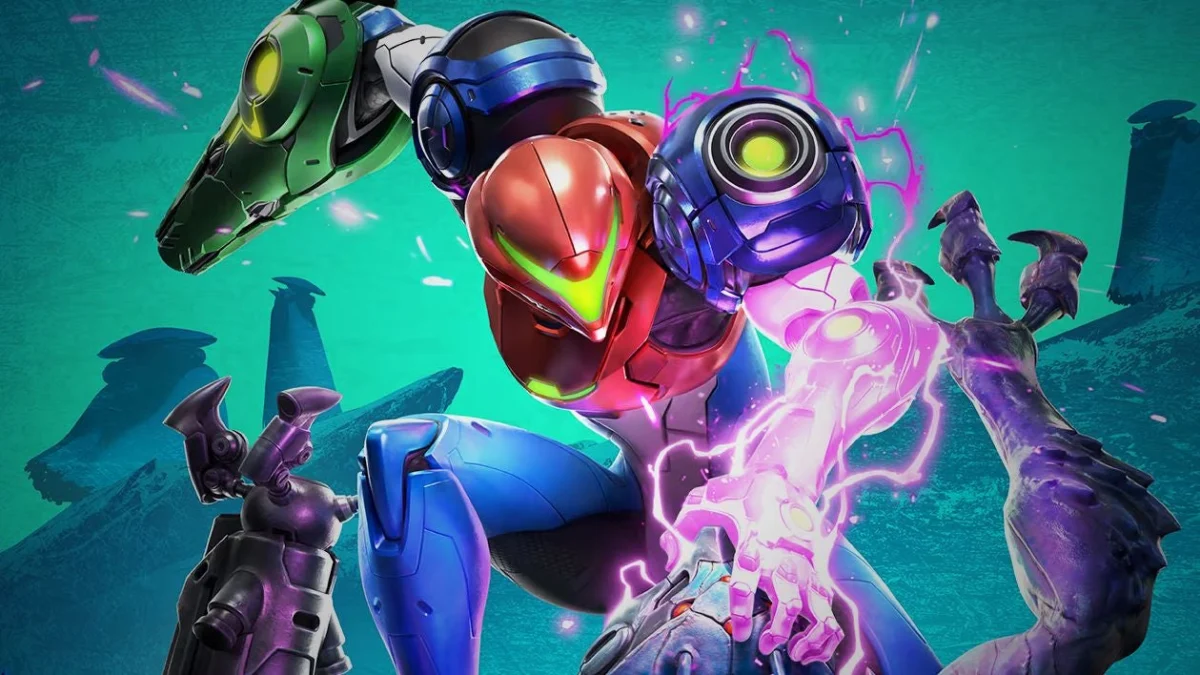
The conclusion of the September 2026 Nintendo Direct event left the global gaming community buzzing, primarily due to the surprise unveiling of Metroid Ravenous, the next major installment in the iconic sci-fi franchise. While the trailer showcased the high-octane, side-scrolling action synonymous with the series, a notable absence of studio branding sparked widespread speculation among industry analysts and fans alike. That ambiguity has now been resolved, as Spanish developer MercurySteam—the creative force behind the critically acclaimed Metroid Dread—has officially confirmed its involvement in the project.
A Stealth Confirmation Following Industry Speculation
The speculation regarding the developer’s identity began almost immediately after the Direct concluded. Observers were quick to note the striking visual parallels between the aesthetic language of Metroid Dread and the footage displayed in the Ravenous trailer. Despite these visual cues, the promotional material released by Nintendo during the broadcast omitted any mention of the Madrid-based studio. Furthermore, MercurySteam’s official social media channels remained uncharacteristically silent throughout the immediate aftermath of the announcement, a move often associated with Nintendo’s strict non-disclosure policies regarding internal project development.
This period of uncertainty was brought to an abrupt end when MercurySteam utilized its official X (formerly Twitter) and LinkedIn profiles to share the trailer, accompanied by a minimalist combination of a ninja emoji and a heart. This digital signal, while subtle, serves as a de facto acknowledgment of the studio’s leadership on the title. By engaging with the promotional material, the studio has effectively signaled its return to the Metroid universe, transitioning from a period of intense public speculation to confirmed development status.

The Evolution of the Metroid Formula
Metroid Ravenous appears to be a natural, albeit visually distinct, successor to the 2021 hit Metroid Dread. Where Dread utilized a stark, industrial, and often claustrophobic visual palette to emphasize the horror elements of Samus Aran’s struggle against the E.M.M.I. robots, Ravenous adopts a more vibrant, high-energy aesthetic. The gameplay footage indicates that while the core side-scrolling mechanics remain intact, the developers are experimenting with perspective and environmental interactivity to a degree not seen in previous 2D iterations.
For those familiar with the history of the franchise, this evolution is significant. Metroid Dread, which secured a prestigious "Essential" badge upon its release, was lauded for its refined controls, challenging boss encounters, and atmospheric storytelling. It was a milestone for both Nintendo and MercurySteam, successfully revitalizing a dormant 2D sub-series and setting a new benchmark for the genre. Early observations suggest that Ravenous is positioning itself to build upon this foundation, offering a refined, faster-paced experience that leverages the increased technical overhead of the upcoming Nintendo Switch 2 hardware.
Contextualizing MercurySteam’s Recent Challenges
The confirmation of MercurySteam’s involvement comes at a critical juncture for the studio. Following the success of Metroid Dread, the company sought to capitalize on its momentum with original intellectual properties, most notably the action-adventure title Blades of Fire. While Blades of Fire received respectable critical reception, it failed to achieve the necessary commercial velocity required to sustain the studio’s existing operational model.
The subsequent financial underperformance of that project led to a difficult period for the developer. Internal reports indicate that the company was forced to undergo a significant restructuring process, which included a round of layoffs approximately two months prior to the September 2026 Direct. In the context of these hardships, the acquisition of a high-profile, first-party project like Metroid Ravenous represents not only a vote of confidence from Nintendo but also a vital strategic recovery for the studio. The stability provided by a flagship Nintendo franchise is expected to anchor MercurySteam as it navigates the post-restructuring landscape.

A Strategic Release for the Switch 2
The timing of the announcement and the subsequent release date of January 28, 2027, suggest a calculated move by Nintendo to support the launch window of its next-generation console, the Switch 2. Historically, Nintendo has utilized the Metroid brand to showcase the capabilities of its hardware, and the choice to debut a new entry exclusively on the Switch 2 platform underscores its importance to the console’s early lifecycle.
Industry analysts have noted that Nintendo’s silence regarding developers—a common practice until shortly before a game’s launch—is designed to keep the focus squarely on the IP itself rather than the third-party partner. By keeping MercurySteam out of the initial marketing, Nintendo ensured that the focus remained on the character of Samus Aran and the gameplay innovations being introduced in Ravenous. Now that the studio’s involvement is known, the narrative shifts toward the technical capabilities of the Switch 2, as gamers look to understand how the new hardware will facilitate the game’s more ambitious visual effects and fluid movement.
Market Implications and Future Outlook
The partnership between Nintendo and MercurySteam has proven to be one of the most successful collaborations in the Japanese giant’s modern history. The success of Metroid Dread demonstrated that MercurySteam possesses a unique understanding of the Metroid DNA—a delicate balance of exploration, power-up acquisition, and atmospheric tension.
Looking forward, the success of Metroid Ravenous will be a bellwether for the health of the 2D action-platformer genre in an era dominated by massive, open-world experiences. With the game arriving early in 2027, it will likely serve as one of the primary "must-have" titles for early adopters of the Switch 2. The pressure on the studio is immense, given the high bar set by its predecessor, yet the creative freedom hinted at by the trailer suggests a team that is eager to push the boundaries of what a 2D Metroid experience can achieve.

Furthermore, the industry at large is watching closely to see how Nintendo manages its relationships with external studios in the coming years. The model of using a trusted, specialized developer like MercurySteam to handle a core franchise while maintaining strict creative oversight has proven to be a winning formula. It allows Nintendo to broaden its software output without compromising the quality that fans expect from its premier titles.
Conclusion: A New Chapter
As the industry prepares for the dawn of the next console generation, the reveal of Metroid Ravenous serves as a bridge between the legacy of the Switch and the future of the Switch 2. For MercurySteam, the project is a testament to the studio’s resilience. Having weathered the volatility of the market and the complexities of independent game development, the team now finds itself once again at the center of the gaming world.
Fans can expect further details, including gameplay deep dives and narrative teases, to emerge in the coming months as the January 2027 release date approaches. For now, the confirmation of the partnership serves to validate the excitement surrounding the title, reassuring players that the series remains in the hands of a team that has already proven its ability to craft a masterpiece. As Samus Aran returns to the screen, she does so with the weight of expectation—and the backing of a studio that is clearly ready to prove its mettle once more.