The evolution of professional camera transportation has reached a critical juncture where the demands of high-performance ergonomics meet the aesthetic and functional requirements of daily urban life. Allan Henry, a veteran sports photographer who spent two decades documenting major athletic events for USA Today, has transitioned from a primary user of equipment to a disruptive designer in the soft goods industry. His latest endeavor, the Atlas One system, represents a fundamental departure from traditional camera bag manufacturing, prioritizing long-term durability and physiological comfort over the industry’s standard cycle of rapid iteration and feature-bloat. By applying the rigorous standards of sideline sports photography—where carrying dual bodies and heavy telephoto lenses for eight-hour stretches is the norm—Henry has developed a carry ecosystem that treats ergonomics not as a marketing buzzword, but as a prerequisite for professional longevity.
The Genesis of Ergonomic Necessity: From USA Today to Atlas Packs
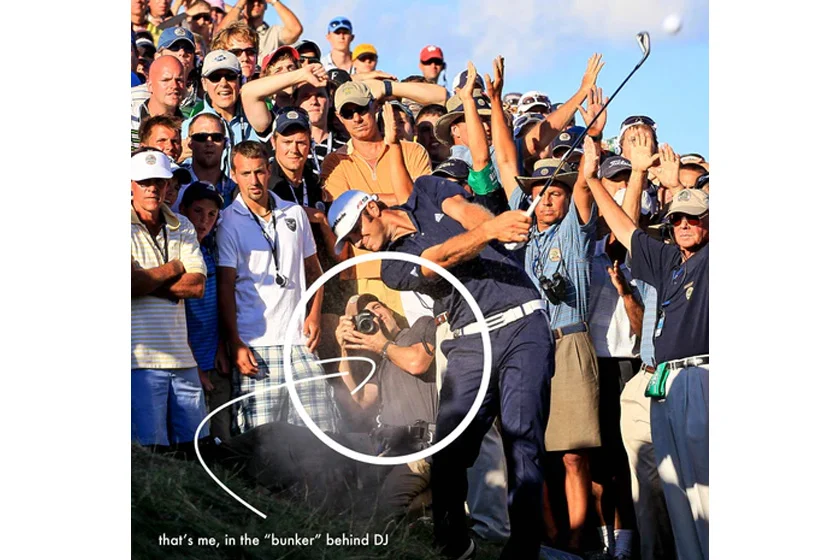
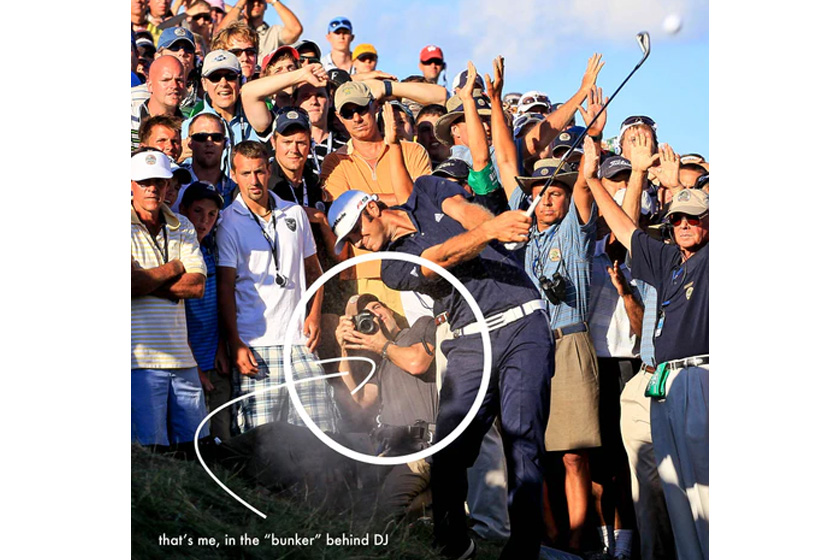
To understand the architectural philosophy behind Atlas Packs, one must examine the professional history of its founder. For twenty years, Allan Henry operated in the high-stakes environment of professional sports photography. In this field, the weight of the gear is a constant adversary. A standard kit for a championship event often includes two professional DSLR or mirrorless bodies, a 70-200mm f/2.8 lens, and frequently a 400mm or 600mm prime lens. The cumulative weight can easily exceed 25 pounds, all of which must be carried, shifted, and deployed instantly to capture split-second action.
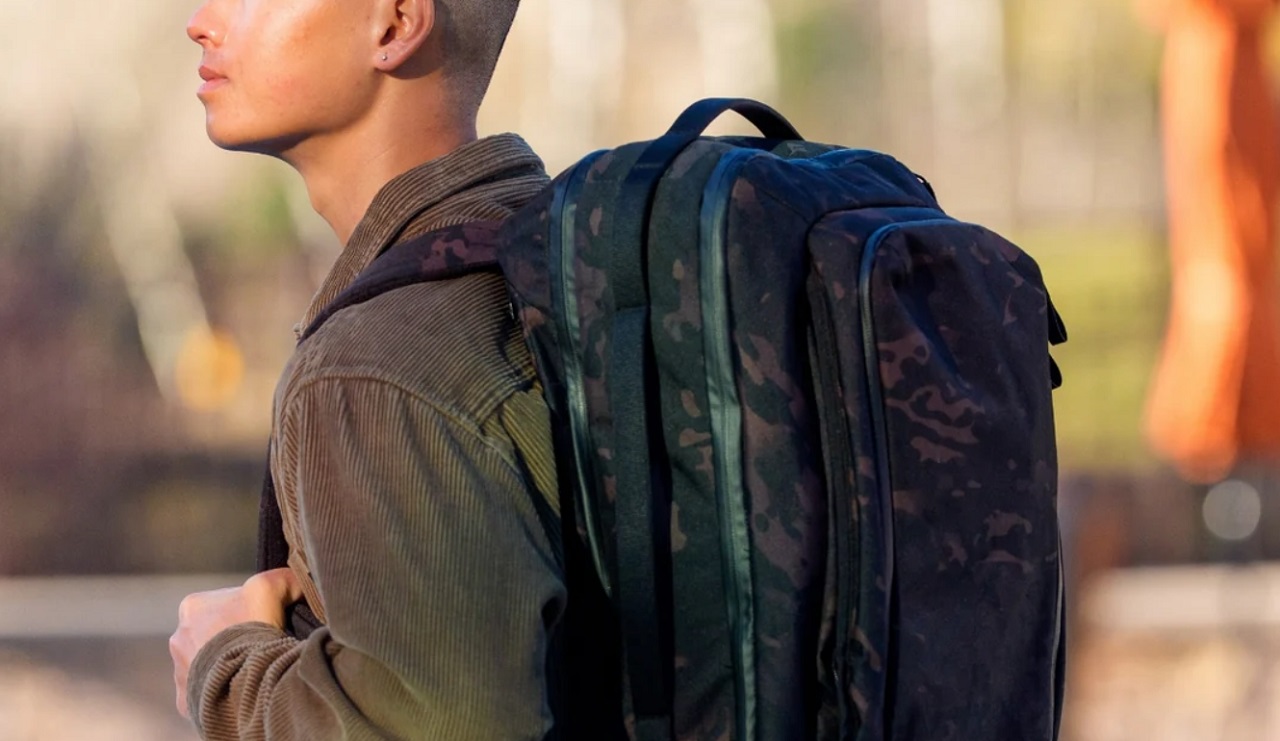
This environment fosters a utilitarian, unromantic relationship with gear. Henry’s experience taught him that a poorly positioned harness or an extra pound of unnecessary padding does more than cause discomfort; it induces physical fatigue that degrades the quality of a photographer’s work and leads to long-term musculoskeletal issues. When Henry launched Atlas Packs, his initial focus was on the backcountry. The "Adventure" and "Athlete" packs were designed to bridge the gap between technical alpine mountaineering bags and specialized camera storage. These packs introduced custom-sized suspension systems to the photography world, eventually earning the Atlas Athlete Pack the Carry Award for Best Camera Bag—a recognition that solidified the brand’s reputation among gear enthusiasts and professionals alike.
The 365-Day Variable Test: A Study in Design Patience
While many manufacturers rush from prototype to production within a few months to meet seasonal retail windows, Henry adopted a path of "deliberate deceleration" for the Atlas One. This new lineup was intended to translate the heavy-duty principles of his wilderness packs into a tighter, everyday carry (EDC) footprint. However, rather than simply shrinking existing designs, Henry created an entirely new blueprint and subjected it to a grueling 365-day variable test.
Throughout a full calendar year, Henry lived with a single, finished prototype without altering a single stitch. The objective was to move beyond the "honeymoon phase" of product testing. By using the bag across four distinct seasons, he was able to track how different technical textiles reacted to continuous UV exposure, how the frameless yoke shifted under varying weight loads, and where friction naturally occurred against various types of clothing. This longitudinal data allowed for refinements based on actual wear patterns rather than theoretical stress points. The result is a pattern that accounts for the natural "settling" of fabric panels, ensuring the bag maintains its structural integrity after years of use rather than months.
Community Feedback and the Rejection of Complexity
A pivotal moment in the development of the Atlas One occurred during the focus group phase. Henry initially hypothesized that his core audience—users accustomed to the feature-rich utility of the Athlete and Adventure packs—would demand a high level of internal complexity, including specialized pockets, modular attachment points, and intricate organization systems.
The feedback from existing Atlas customers provided a significant reality check. Instead of more features, the community expressed a singular desire for two things: uncompromising comfort and flawless build quality. This data allowed Henry to aggressively "strip the clutter away." He pivoted the design focus toward optimizing core touchpoints, such as the shoulder straps and back panel, and refining the internal cleanliness of the bag. This minimalist approach ensures that the user is not fighting against the bag’s own architecture to access their gear, a common complaint in the overcrowded EDC market.
Technical Specifications: The "One Body, One Lens" Philosophy
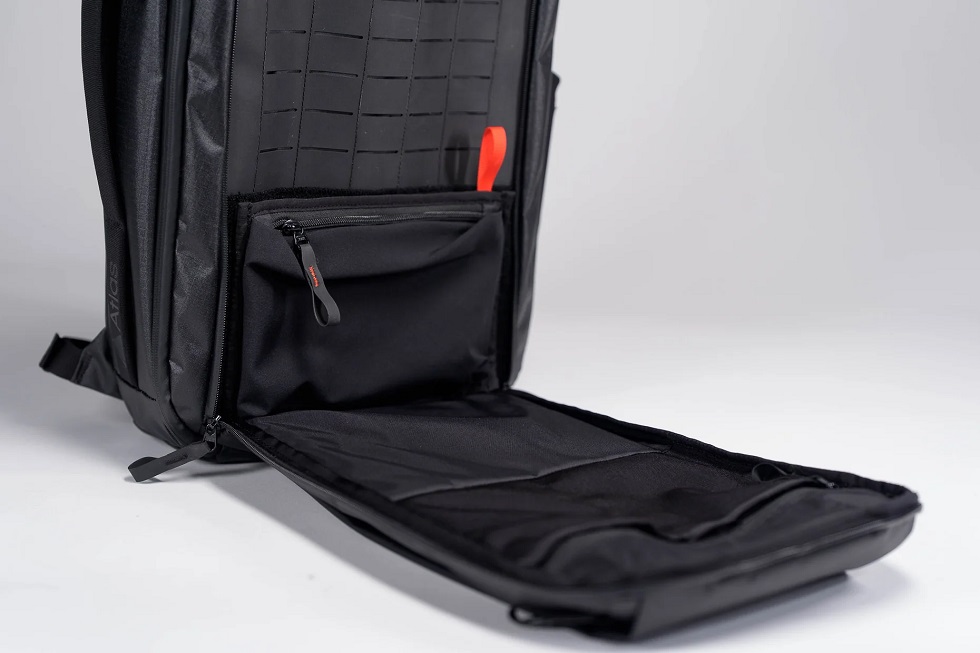
The Atlas One system is built around the geometry of a "One Body, One Lens" footprint. Traditional camera bags often function as general-purpose boxes where users must use inserts to fill dead space, leading to an inefficient "Tetris-like" packing experience. The Atlas One avoids this by lining the interior wall-to-wall with premium Velex loop fabric. This creates a low-profile ecosystem where gear can be secured directly to the bag’s internal frame, maximizing space and stability.
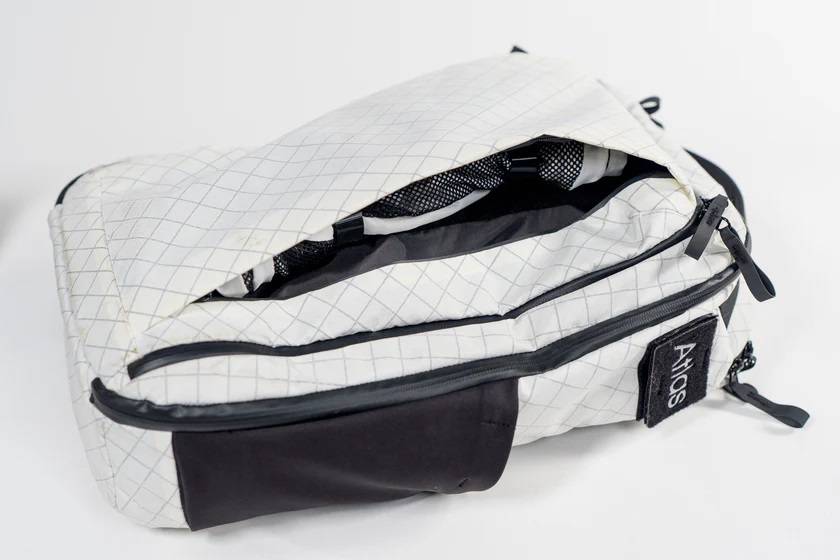
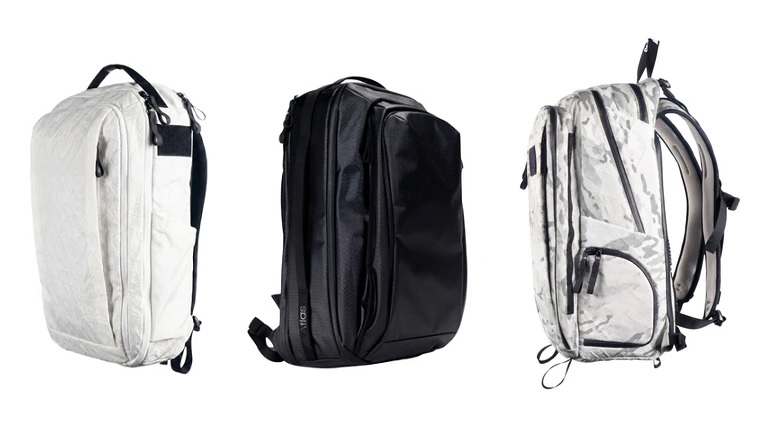
The system is categorized into three distinct models, each utilizing dynamic fabric paneling to balance weight and durability:
- The Day Pack (20–25L): Designed for urban environments, this ultra-compressed pack can flatten to a depth of just 4.5 inches. It utilizes lightweight ripstop fabrics on low-impact face panels to reduce overall weight while maintaining a professional silhouette.
- The Getaway Pack (25–32L): A deeper variant optimized for multi-day travel. It is designed to fit international airline carry-on dimensions without sacrificing the ergonomic suspension system required for long walks through transit hubs.
- The Mission Pack (27–30L): The most technical of the trio, featuring a built-in "Origami Camera Core" and a magnetic side door. This model is specifically engineered for quick access to larger telephoto setups, catering to the needs of professional shooters on the move.
The construction utilizes a mix of high-denier technical textiles on the base and perimeter walls to handle abrasion, while the yoke system is a modified version of the heavy-duty harnesses found on the larger adventure packs, scaled down for daily use.
Economic and Industrial Implications: The Micro-Brand Advantage
The business model of Atlas Packs represents a growing trend in the soft goods industry: the rise of the independent design lab. By managing the entire lifecycle from prototyping to direct, small-batch production, Henry avoids the pressures of mass-market scaling that often force legacy brands to compromise on material quality to maintain retail margins.
One of the most notable aspects of the Atlas One launch is the "size-agnostic" pricing model. Rather than charging more for a larger bag, Henry bases the price on the technical complexity and the cost of the textiles used in a specific batch. This reflects a shift toward transparency in manufacturing, where the consumer pays for the quality of the material and the labor of the build rather than the physical volume of the product. This approach allows Atlas to remain agile, experimenting with different fabric configurations and technical textiles from batch to batch based on availability and performance data.
Analysis of the Ergonomic Impact on the EDC Market
The transition of high-end camera carry from the "rugged outdoor" category to the "everyday travel" category highlights a broader shift in consumer behavior. As mirrorless camera systems become more powerful, more professionals and enthusiasts are carrying high-end optics in urban settings. However, the ergonomic development of urban backpacks has historically lagged behind that of hiking packs.
By bringing "alpine-grade" suspension to an EDC bag, Atlas Packs is challenging the industry standard that urban bags must be less comfortable than their mountain-bound counterparts. The implications for the market are significant; as consumers become more educated on load distribution and spinal health, the demand for sophisticated suspension systems in smaller packs is likely to increase. Atlas Packs serves as a proof of concept that a minimalist aesthetic does not have to come at the expense of physiological support.
Conclusion: A Blueprint for Intentional Design
The Atlas One system is more than a new product line; it is a statement on the value of design patience and professional expertise. Allan Henry’s journey from the sidelines of the NFL and the Olympics to the cutting table of a gear designer has resulted in a carry system that respects the physical reality of the user. By prioritizing direct community feedback over market trends and committing to long-term stress testing, Atlas Packs has carved out a unique space in the competitive world of soft goods.
As the brand continues to operate as an independent entity, its success suggests that there is a robust market for gear that eschews the "more is more" philosophy in favor of refined fundamentals. For the professional photographer or the discerning traveler, the Atlas One represents a shift toward a more intentional, durable, and comfortable way to carry the tools of their trade. In an era of disposable goods and fast fashion, Henry’s commitment to a 365-day test and small-batch precision offers a compelling blueprint for the future of independent manufacturing.