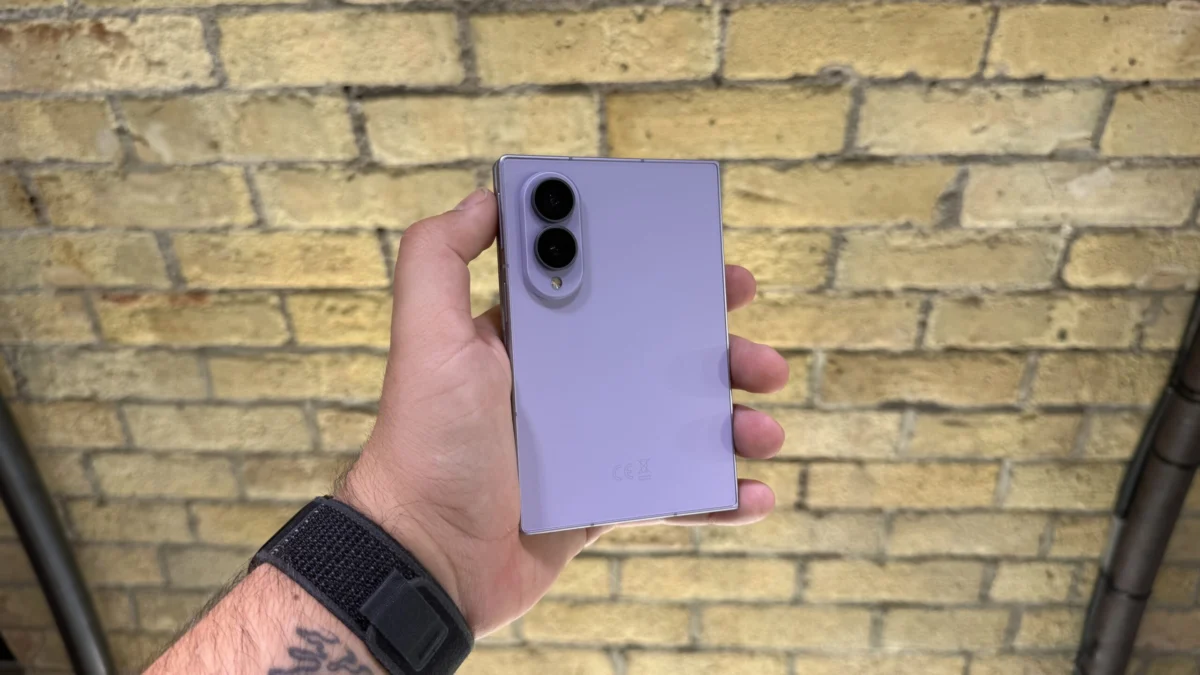
Samsung has unveiled its eighth generation of foldable smartphones, the Galaxy Z Fold 8 and the Galaxy Z Fold 8 Ultra, marking a significant shift in its foldable strategy with a pronounced emphasis on audio-visual experiences. This year’s lineup introduces a split within the traditionally singular Fold model, offering distinct user experiences tailored for different priorities. The standard Z Fold 8, in particular, has captured attention for its innovative form factor, deviating from the established book-style foldable design.
The unveiling took place at a pre-release hands-on event, providing select media with an early glimpse into Samsung’s latest advancements in flexible display technology and mobile computing. While final reviews are pending comprehensive testing, initial impressions suggest Samsung is not only refining its existing foldable formula but also exploring new avenues to cater to diverse user needs, particularly those who prioritize immersive media consumption.
Pricing and Availability
Samsung has released UK pricing for both the Galaxy Z Fold 8 and the Galaxy Z Fold 8 Ultra, reflecting their premium positioning in the market. The Galaxy Z Fold 8 starts at £1,699 for the 256GB model, with options for 512GB at £1,869 and 1TB at £2,029. This represents a notable £100 reduction compared to the outgoing Galaxy Z Fold 7.
In contrast, the Galaxy Z Fold 8 Ultra sees a price increase, with the 256GB model retailing for £1,899. The 512GB variant is priced at £2,069, and the 1TB model at £2,049. This pricing strategy suggests a tiered approach, with the Ultra model commanding a higher premium, likely due to enhanced specifications or features.
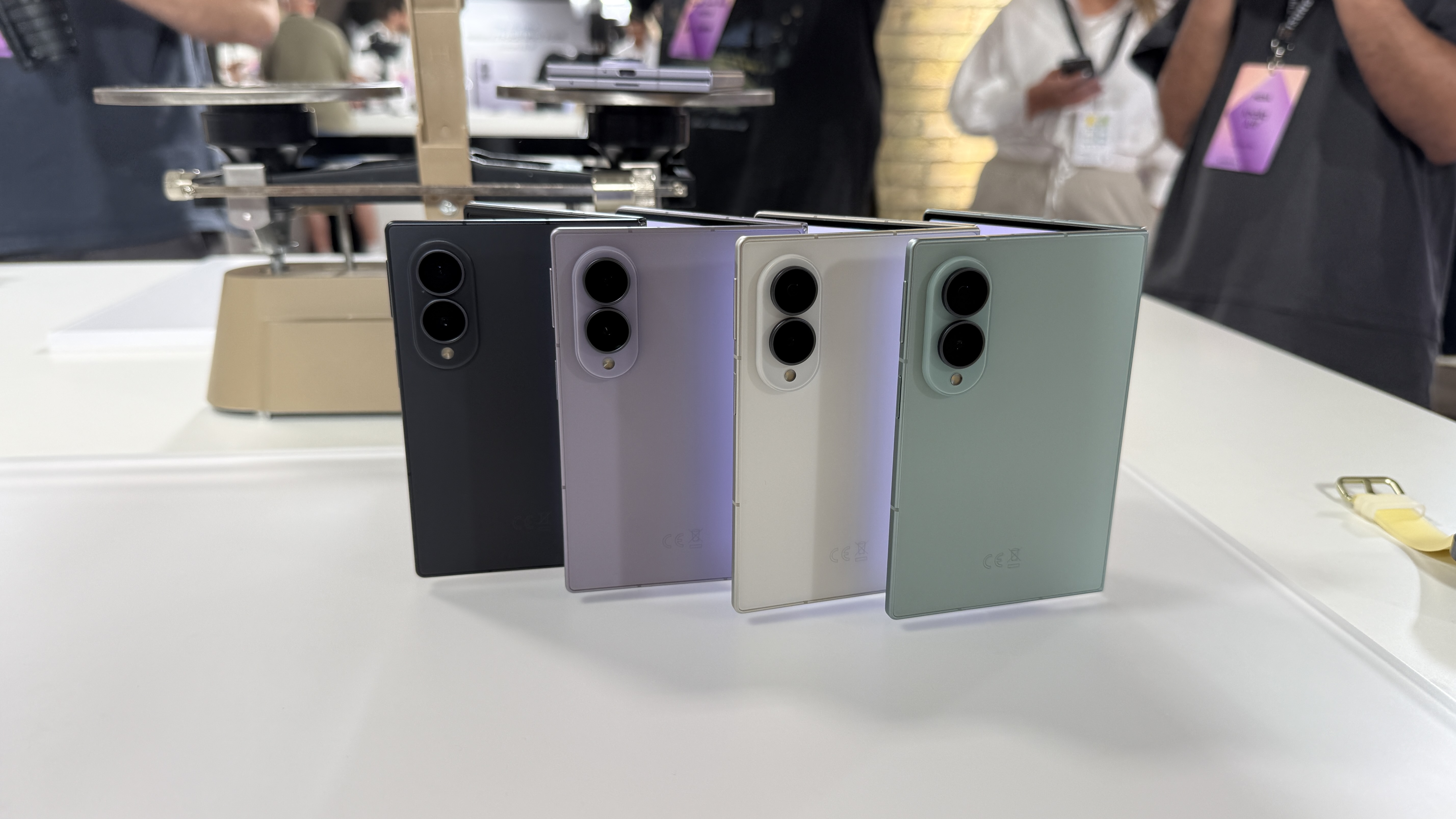
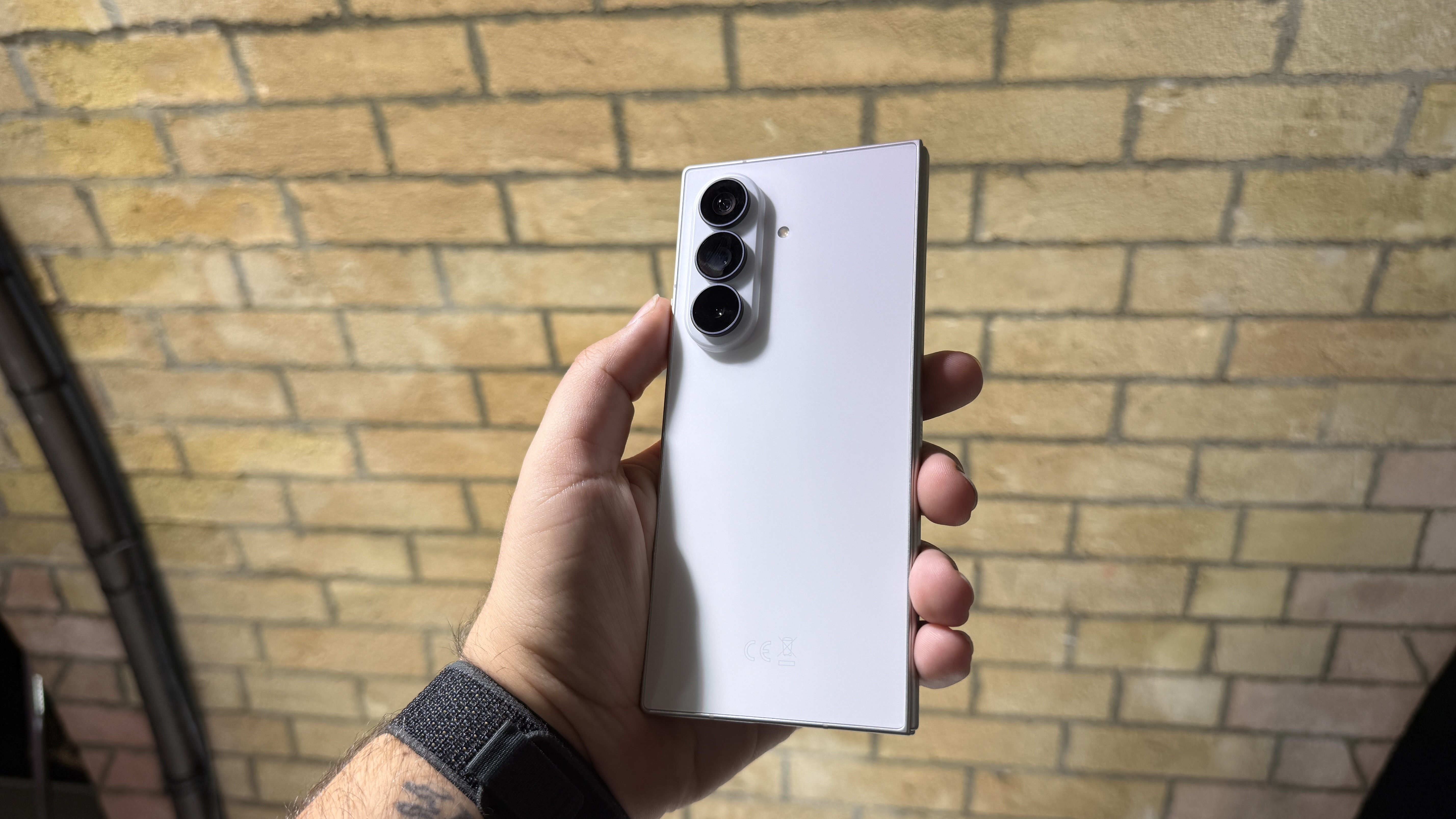
The Galaxy Z Fold 8 is available in a vibrant array of four finishes: Graphite, Cream, Pistachio, and Lavender. The Z Fold 8 Ultra offers a more subdued palette, with Graphite and Cream options, alongside the sophisticated Violet Shadow and Green Shadow. This color selection aims to appeal to a broad spectrum of aesthetic preferences, from classic to contemporary.
Design and Engineering Innovations
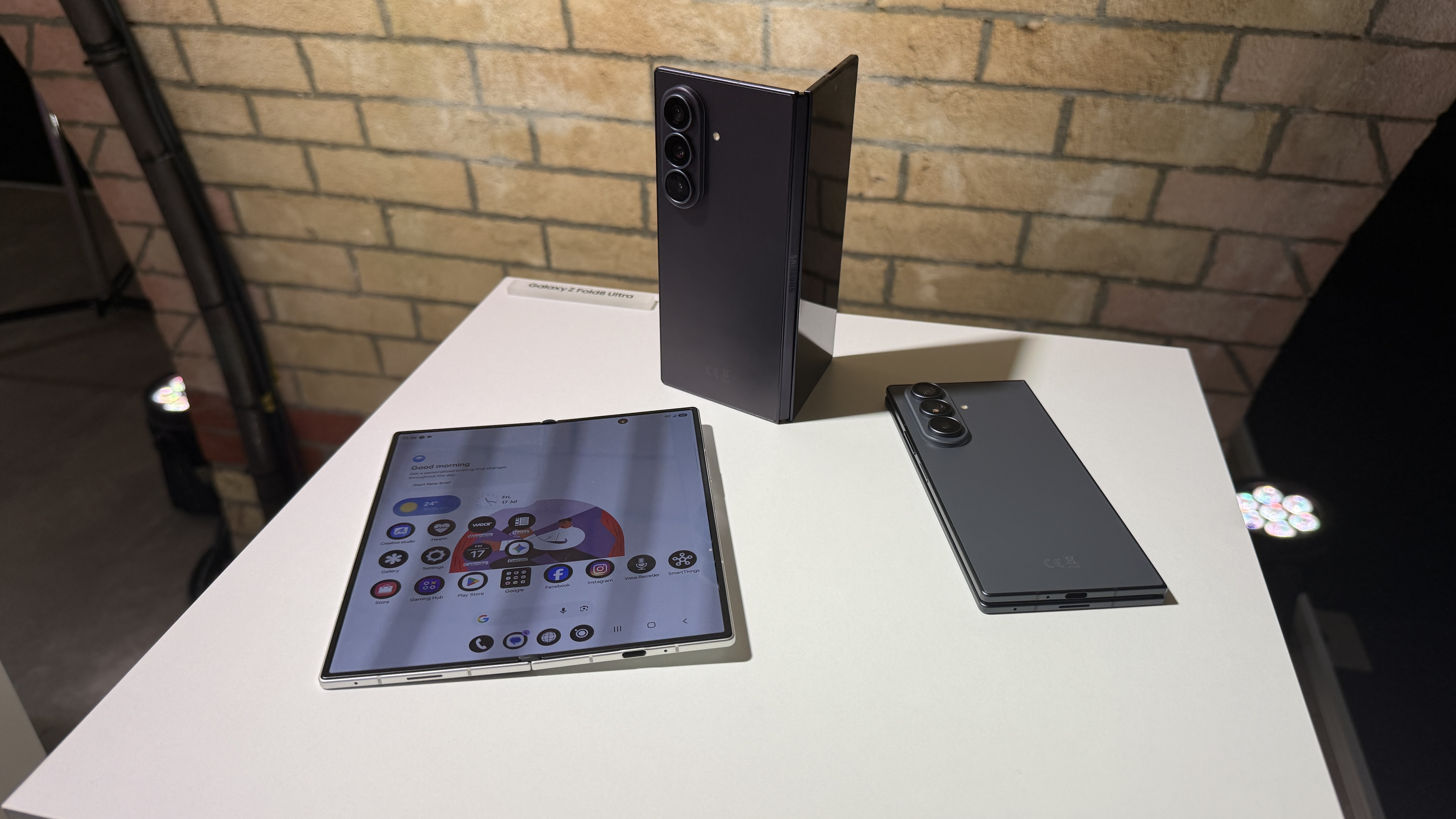
A significant evolution in this generation is the introduction of two distinct designs within the Fold lineup. The Galaxy Z Fold 8 Ultra largely retains the familiar book-style foldable form factor, reminiscent of its predecessor, the Galaxy Z Fold 7. It features a 6.5-inch 21:9 outer display and an expansive 8-inch interior display. Impressively, Samsung has managed to achieve an even slimmer profile this year, a remarkable feat given the already slender design of the Z Fold 7, which was noted for its minimal thickness even when unfolded.
Samsung has integrated magnets to facilitate a smoother and more satisfying opening and closing mechanism, making the transition to tablet mode a more fluid experience. Both the Z Fold 8 and Z Fold 8 Ultra incorporate the new Flex Titanium Technology display architecture. This innovation involves a super-thin titanium alloy mesh and a flexible titanium plate beneath the AMOLED display, engineered to create a flatter and more uniform viewing surface when the devices are unfolded. This advancement also contributes to a less prominent crease in the center of the screen, thereby enhancing the seamlessness of the interactive experience on the larger inner displays.
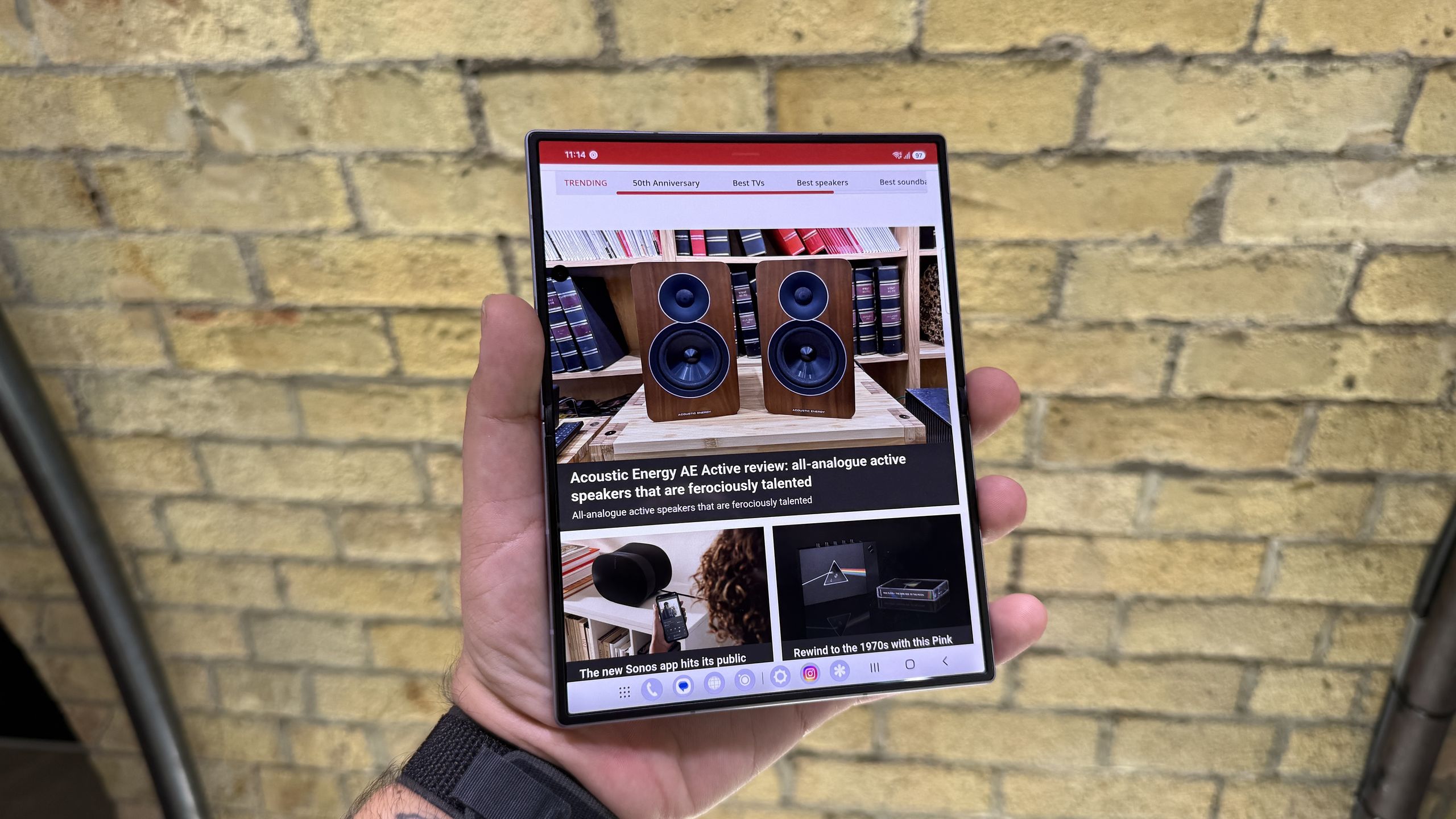
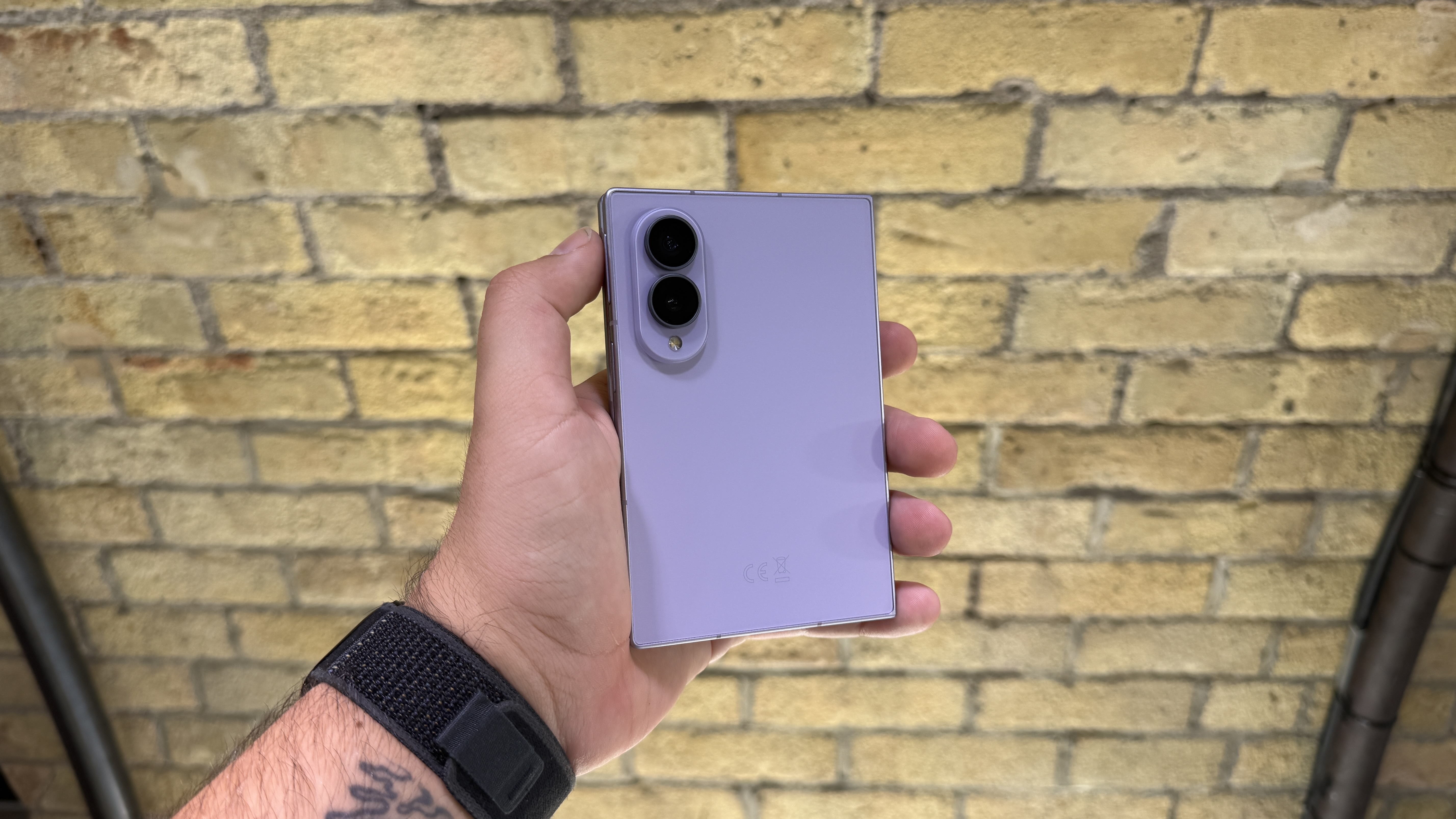
The standard Galaxy Z Fold 8, however, introduces a radical departure from the conventional foldable design. It boasts a novel form factor characterized by a 7.6-inch 4:3 landscape interior display and a 10:16 aspect ratio outer screen. Unlike the Z Fold 8 Ultra’s more conventional "chocolate bar" folded state, the Z Fold 8 adopts a more compact, passport-like profile. This shorter and wider form factor offers a distinct ergonomic advantage. Its dimensions make it remarkably comfortable to hold, reminiscent of older BlackBerry devices, and exceptionally conducive to one-handed operation. In an era where smartphones are increasingly becoming unwieldy, the Z Fold 8’s outer display provides easy thumb access to every edge and corner, a refreshing change for many users.
Samsung has reportedly engineered this design shift with content consumption as a primary objective. While the Z Fold 8 Ultra continues to cater to power users and multitaskers, the standard Z Fold 8 is explicitly positioned as a device optimized for watching videos, reading, and browsing. This strategic differentiation aims to broaden the appeal of Samsung’s foldable range, addressing distinct user priorities beyond raw productivity.
Enhanced Features for Immersive Media
Both new foldable models are equipped with features designed to elevate the mobile media experience. The displays on both the Z Fold 8 and Z Fold 8 Ultra achieve a remarkable peak brightness of 3,000 nits, complemented by HDR10+ support. Samsung’s Vision Booster technology is also integrated, intelligently enhancing contrast for improved visibility in direct sunlight. Furthermore, the application of an effective anti-reflective display coating is a welcome addition, mitigating potential glare on the expansive inner screens, which are particularly susceptible to light reflection.
Details regarding the inclusion of Samsung’s ProScaler feature, a sophisticated tool previously lauded on the Galaxy S26 Ultra, were not fully disclosed during the hands-on session. However, given its presence on Samsung’s flagship devices, it is anticipated that an improved version will be available.
For audio, Samsung continues its support for Dolby Atmos, which can be utilized through the integrated stereo speakers as well as via wired or wireless headphones. This multi-faceted approach to audio delivery aims to provide a rich and immersive soundscape for media consumption.
Under the hood, both foldables are powered by the cutting-edge Qualcomm Snapdragon 8 Elite Gen 5 for Galaxy processor. This is paired with either 12GB or 16GB of RAM, depending on the chosen storage configuration. This powerful combination, identical to that found in the Galaxy S26 Ultra, ensures smooth operation of the Android operating system and Samsung’s One UI interface, including the extensive suite of Galaxy AI features.
The AI capabilities include a comprehensive range of tools for photo editing, advanced search functions, and writing assistance. Notably, Samsung’s "Now Brief" feature is present, offering contextual information throughout the day, while "Now Nudge" intelligently identifies key details like times, dates, and locations on screen, providing contextually relevant replies based on calendar integration and other applications.
A key differentiator in features lies in the camera systems. The Z Fold 8 is equipped with two outer cameras: a 50MP main sensor and a 50MP ultra-wide lens. The Z Fold 8 Ultra, however, boasts a more advanced setup, featuring an upgraded 50MP ultra-wide camera (an improvement from the previous 12MP), a high-resolution 200MP main camera, and a 10MP telephoto lens.
Battery capacity also sees a distinction. The Z Fold 8 is powered by a 4800mAh battery, promising up to 26 hours of video playback. The Z Fold 8 Ultra steps up to a larger 5000mAh cell, offering an additional hour of video playback. Both devices support 45W wired fast charging, ensuring quick power-ups.
Visual and Auditory Impressions
During the limited hands-on testing, both devices presented a compelling visual experience. Movie trailers for "Dune: Part Three," "The Odyssey," and "Spider-Man: Brand New Day" were used to evaluate display performance. The images produced were sharp and crisp, with vibrant colors and fluid motion rendering. A notable difference emerged in the presence of letterboxing bars, particularly on the Z Fold 8 Ultra due to its aspect ratio. However, the OLED displays ensured these bars remained perfectly black and unobtrusive. The Z Fold 8’s aspect ratio resulted in smaller, less noticeable letterboxing, contributing to a more immersive viewing experience.
It is important to note that the testing environment was constrained, preventing the download of streaming apps or adjustments to picture settings like natural presets or HDR10+ playback. Consequently, these initial observations on picture quality are preliminary and not fully representative of the devices’ capabilities under optimal conditions.
Auditory assessment was similarly brief. Preliminary use of the Z Fold 8 Ultra’s speakers in a bustling environment indicated a surprisingly effective volume and clarity that cut through ambient noise. While a full evaluation of music playback would require testing with reference headphones, Samsung’s history suggests a competitive but often trailing performance compared to industry leaders like Apple and Sony. The potential for the Z Fold 8 series to narrow this gap remains to be seen in detailed reviews.
Early Verdict and Future Implications
The initial impressions of Samsung’s latest foldable duo are overwhelmingly positive. The strategic decision to introduce two distinct models within the Fold line addresses a broader range of consumer needs, with a clear focus on enhancing media consumption. The standard Z Fold 8, with its innovative form factor and content-centric design, presents a compelling alternative for users prioritizing portability and immersive viewing experiences.
The AV-first approach, evident in the high-brightness displays, Dolby Atmos support, and advanced processing power, underscores Samsung’s commitment to delivering premium entertainment on the go. The introduction of Flex Titanium Technology also addresses a long-standing concern regarding the durability and visual integrity of foldable displays, promising a more robust and seamless user experience.
As Samsung continues to push the boundaries of foldable technology, the Galaxy Z Fold 8 and Z Fold 8 Ultra represent a significant step forward. The success of this dual-pronged strategy will hinge on how well these devices perform under rigorous testing and how effectively they resonate with consumers seeking versatile and engaging mobile experiences. The market’s reception will undoubtedly shape the future trajectory of foldable smartphones, potentially setting new benchmarks for design, functionality, and user engagement in the premium mobile segment.
Further detailed reviews will delve deeper into the performance, battery life, camera capabilities, and overall user experience of both the Galaxy Z Fold 8 and the Galaxy Z Fold 8 Ultra, providing a comprehensive assessment of their place in the competitive smartphone landscape.