Veteran game designer Cliff Bleszinski, a name synonymous with seminal titles like Unreal Tournament and the Gears of War franchise, has candidly discussed his prolonged battle with alcoholism, its profound impact on his life and illustrious career, and his current journey towards sobriety. The developer, now four months sober following a drinking-related seizure in March of this year, is reportedly contemplating a return to game development, albeit with a renewed focus and perspective. His frank revelations offer a rare glimpse into the personal struggles that can shadow even the most successful figures in the high-pressure entertainment industry.
A Legacy Forged in Pixels and Pressure
Bleszinski’s career in video games began at a remarkably young age, joining Epic Games (then Epic MegaGames) in 1992. He quickly rose to prominence, becoming a lead designer on the groundbreaking Unreal series, which debuted in 1998 and significantly pushed the boundaries of 3D graphics and first-person shooter mechanics. His work on Unreal Tournament in the early 2000s, a competitive multiplayer shooter that garnered critical acclaim and a dedicated fanbase, is where Bleszinski traces the genesis of his struggle with alcohol.
"The Gears of War trilogy was largely developed hungover by me," Bleszinski admitted in an interview with Brian Crecente for 80 Level. He characterized himself during that period as a "functioning alcoholic," a high-profile creative force known for his energetic persona, often dubbed "Dude Huge." The Gears of War series, launched in 2006, became a flagship franchise for Xbox 360, revolutionizing third-person cover-based shooting and selling tens of millions of copies globally across its initial installments. Bleszinski’s vision was central to its success, defining its gritty aesthetic, brutal gameplay, and memorable characters. However, beneath the veneer of triumph, a personal battle was intensifying.
The demanding schedules inherent in AAA game development, coupled with the frequent travel and networking events characteristic of the industry, provided ample opportunities for his addiction to flourish. Bleszinski recalled the pervasive drinking culture: "You go to your GDCs, you go to your E3s, you have three nights in a row of going to parties, or wine dinner with your partners and then you have hotel lobby bars." While acknowledging the industry’s role, he was quick to take personal responsibility for his choices, noting that his high tolerance for alcohol sometimes felt like a "superpower," allowing him to glean confidential information while others succumbed to intoxication. This self-perceived advantage, however, only served to entrench the destructive habit further.
The Industry’s Shadow: Alcohol and Creative Environments
Bleszinski’s account sheds light on a broader, often unspoken, issue within the video game industry: the prevalence of alcohol use and its potential links to mental health challenges. The creative demands, intense crunch periods leading up to major releases, constant pressure to innovate, and the public scrutiny that accompanies high-stakes projects can create a fertile ground for unhealthy coping mechanisms. Developers frequently work long hours, sacrificing personal time and well-being, which can lead to burnout, anxiety, depression, and substance abuse.
Conferences like the Game Developers Conference (GDC) and trade shows such as E3 are vital for networking, deal-making, and celebrating industry achievements. However, they also famously feature numerous after-hours parties and social events where alcohol flows freely. For individuals predisposed to addiction, or those under immense stress, these environments can exacerbate existing problems or initiate new ones. While industry awareness regarding mental health has grown significantly in recent years, with more studios implementing wellness programs and advocating for healthier work-life balances, the cultural legacy of linking creative output with late nights and heavy drinking persists in some corners. Bleszinski’s narrative serves as a poignant reminder that even at the pinnacle of success, personal demons can loom large, often hidden from public view.
The LawBreakers Saga: High Hopes and Hard Lessons
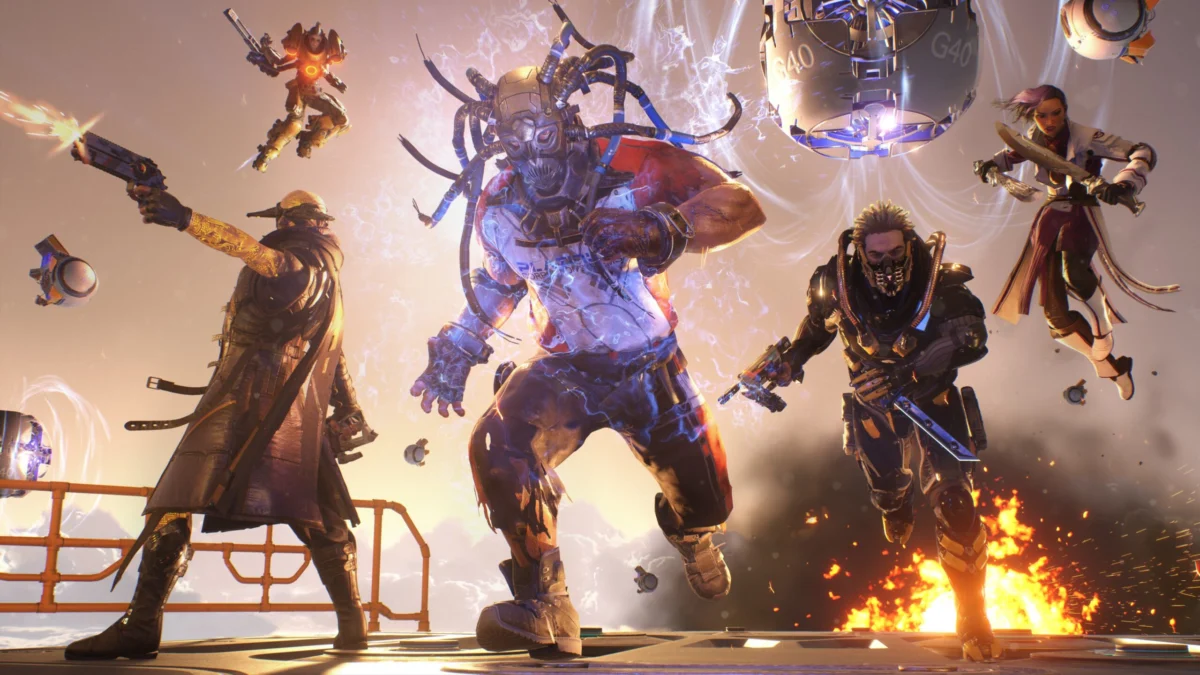
After departing Epic Games in 2012 following a period of creative burnout and a desire for a break from the industry, Bleszinski co-founded Boss Key Productions with former Epic colleague Arjan Brussee in 2014. Their ambitious first project, LawBreakers, was envisioned as a high-octane, anti-gravity arena shooter, aiming to inject fresh mechanics into the competitive multiplayer landscape. Initial hype was considerable, fueled by Bleszinski’s reputation and the game’s unique verticality and movement systems.
However, LawBreakers launched into a fiercely competitive market in August 2017, dominated by established titans like Overwatch and facing the nascent but rapidly accelerating phenomenon of battle royale games like PlayerUnknown’s Battlegrounds. Bleszinski now openly acknowledges a written list of factors he believes contributed to the game’s commercial failure. Among these was a crucial decision not to bring on fellow Gears veteran Rod Fergusson as a co-founder, a move he now regrets, suggesting a potential lack of complementary leadership or a different strategic direction might have altered the outcome.
The game struggled to find a sustainable player base, facing criticisms ranging from its monetization model to a perceived lack of content and an unclear market identity. Despite positive critical reviews for its gameplay, it failed to capture the public’s imagination, leading to dwindling player counts shortly after release. Bleszinski described the outcome as a "snowball of failure" which "tripped so Concord could faceplant," a stark self-assessment of its impact.
The ultimate consequence was the closure of Boss Key Productions in May 2018, less than a year after LawBreakers‘ launch, following a desperate but ultimately unsuccessful pivot to a battle royale title, Radical Heights. Bleszinski recounted the immense personal toll of this period: "I’ll never forget that day when I had to stand in front of the company for an emergency meeting and tell them that all of this just isn’t working. It was one of the hardest days of my life." The failure of Boss Key and LawBreakers plunged him into a profound slump, where he "basically got to the point where [he] didn’t have anything to get out of bed for," exacerbating his existing struggles with alcohol and mental health.
The Path to Sobriety: A Personal Turning Point
The drinking-related seizure Bleszinski experienced in March of this year served as a critical turning point, a stark physical manifestation of the severe impact alcohol was having on his health. This incident appears to have provided the impetus for a concerted effort towards sobriety, culminating in his current four-month period of abstinence. The journey of recovery from addiction is often fraught with challenges, requiring immense personal resolve, professional support, and a fundamental re-evaluation of one’s lifestyle and coping mechanisms.
For a creative individual whose identity has been so intertwined with his professional achievements, the period following Boss Key’s closure represented a significant crisis of purpose. Losing a studio, particularly one founded with such personal investment, can be devastating, leading to feelings of failure, self-doubt, and a loss of direction. Bleszinski’s admission of struggling to find motivation to get out of bed highlights the deep psychological impact of such professional setbacks, further complicated by the grip of addiction. His current sobriety and openness about his struggles signal a profound shift towards self-care and personal well-being, demonstrating a resilience that many observers hope will continue to serve him well.
Glimpsing the Future: A Return to PvE?
Now, with sobriety providing a clearer perspective, Cliff Bleszinski is cautiously exploring a return to game development. However, his experiences with LawBreakers have fundamentally reshaped his approach to future projects. He has unequivocally stated that he will not be making a player-versus-player (PvP) game, acknowledging the brutal competitiveness and significant challenges within that market segment. "Good luck to anyone in that space," he remarked, reflecting on the lessons learned from LawBreakers‘ struggle against established giants and the ever-evolving demands of live-service competitive titles, which often entail continuous content updates, balance changes, and community management.
Instead, Bleszinski expressed a strong preference for player-versus-environment (PvE) experiences. His reasoning is rooted in his past successes and a perceived "evergreen" appeal of cooperative gameplay. He famously cited Gears of War 2‘s Horde mode as a saving grace for the game, a cooperative survival mode that allowed players to team up against waves of AI enemies. This mode proved immensely popular, fostering a sense of camaraderie and shared achievement without the high-stakes pressure and potential toxicity often associated with PvP environments.
"I’m more of a fan of PvE these days," Bleszinski elaborated. "Horde mode saved Gears 2, and I believe that space is evergreen because players just want to hop online with friends and shoot some stuff, no frills, no questions asked." This perspective aligns with a growing trend in the industry towards cooperative PvE experiences that prioritize social interaction, accessible gameplay, and a more relaxed, shared adventure. Such a focus would allow Bleszinski to leverage his proven expertise in crafting engaging action mechanics and memorable enemy encounters, honed over decades of developing some of the most influential shooters in history. A return to PvE could offer a less volatile and potentially more creatively fulfilling path for the veteran designer, allowing him to focus on world-building and narrative without the constant balancing act required for competitive play.
Broader Implications: Resilience, Reflection, and the Evolving Industry
Cliff Bleszinski’s journey, from his meteoric rise as a young design prodigy to his public struggle with addiction and professional setbacks, and now his hopeful path to recovery and potential comeback, offers a compelling narrative for the entire video game industry. His openness about alcoholism and mental health challenges contributes to a vital conversation about the human cost of creative industries that often demand relentless dedication and personal sacrifice.
His story underscores the importance of mental and physical well-being for sustained creative output and leadership. It serves as both a cautionary tale regarding the pressures and pitfalls inherent in high-stakes development and a testament to human resilience and the capacity for change. The industry, still grappling with issues of crunch, burnout, and mental health support, can draw valuable lessons from Bleszinski’s candid reflections.
Furthermore, his pivot away from PvP reflects a broader understanding of the current market landscape. The live-service PvP genre has become incredibly saturated and difficult to penetrate, requiring massive investment, continuous engagement strategies, and an often-unforgiving community. The appeal of PvE, particularly cooperative experiences, represents a segment of the market that prioritizes different values: shared fun, less competitive stress, and a focus on story or progression.
As Bleszinski contemplates his next steps, the industry watches with interest. His past contributions have left an indelible mark, and his willingness to confront personal demons with such transparency is commendable. Whether he ultimately chooses to return to full-time game development or finds new avenues for his creative energies, the hope is that he continues on a path of healthy living and personal fulfillment. His journey reminds us that behind every pixelated world and every digital triumph, there are human stories of struggle, perseverance, and the enduring quest for purpose and well-being.