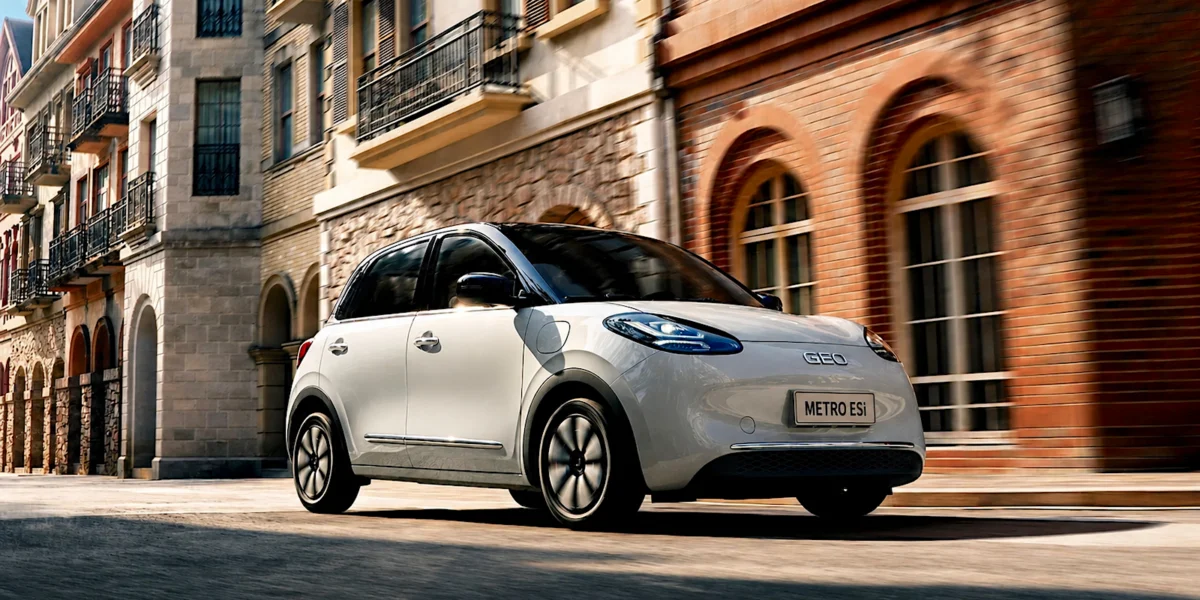
Reports have surfaced indicating that General Motors (GM) is exploring the possibility of re-badging the Wuling Bingo Pro, a compact electric vehicle (EV) produced by its joint venture with SAIC Motor, for sale under the Chevrolet brand in various global markets. This strategic move, if realized, could significantly accelerate Chevrolet’s timeline for introducing a more affordable electric vehicle, potentially filling a gap in its current EV lineup and capitalizing on the growing demand for accessible electric mobility.
The Wuling Bingo, a subcompact hatchback that has garnered significant attention in the Chinese market for its attractive pricing and practical design, is built by SAIC-GM-Wuling Automobile Co., Ltd. (SGMW), a collaborative effort between GM, SAIC Motor, and Wuling Motors. The Bingo Pro variant, specifically, is noted for its range and features that make it a competitive offering in the burgeoning affordable EV segment. According to sources cited by GM Authority, the discussions within GM center on leveraging SGMW’s existing production capabilities and vehicle platforms to expedite the launch of an entry-level Chevrolet EV. This approach bypasses the extensive research, development, and manufacturing investments typically required for a ground-up new model, allowing for a potentially faster market entry.
The appeal of this strategy lies in its potential to address a critical market need. As the automotive industry shifts towards electrification, consumer demand for EVs is expanding beyond premium segments. Many potential buyers, particularly in emerging markets and for second-car applications, are seeking EVs that are not only environmentally friendly but also financially accessible. The Wuling Bingo Pro, with its established track record in one of the world’s largest EV markets, presents a ready-made solution that could be adapted and deployed relatively quickly.
Background and Market Context

The Wuling Bingo was first introduced in China in March 2023, quickly establishing itself as a popular choice due to its competitive price point, which hovers around the $7,000 to $10,000 USD mark depending on configuration. This pricing strategy has been a key driver of its success, making electric mobility attainable for a broader segment of the population. The vehicle’s design is characterized by a retro-modern aesthetic, appealing to a younger demographic, while its compact dimensions make it suitable for urban environments.
The Bingo Pro, an enhanced version, offers improvements in range and features. It is typically equipped with a lithium iron phosphate (LFP) battery pack, often around 37.9 kWh, providing a CLTC (China Light-Duty Vehicle Test Cycle) range of up to approximately 255 miles (410 kilometers). While its electric motor, usually around 50 kW (approximately 67 horsepower), might not compete with the performance of higher-end EVs, it is more than adequate for city driving and offers a significant upgrade in efficiency and refinement over internal combustion engine vehicles of a similar size and price point, including its spiritual predecessor, the Geo Metro.
The potential re-badging initiative by GM is not an isolated event. The global automotive landscape is increasingly characterized by cross-brand collaborations and the strategic utilization of platforms and manufacturing bases. GM itself has a history of leveraging its international partnerships to bring diverse models to market. The partnership with SAIC has been particularly fruitful in China, yielding highly successful models like the Wuling Hongguang Mini EV, which became the best-selling mini EV in China.
Strategic Rationale: Addressing Affordability and Market Expansion
The core of GM’s potential strategy with the Wuling Bingo Pro appears to be a multi-pronged approach focused on affordability, market diversification, and speed to market.
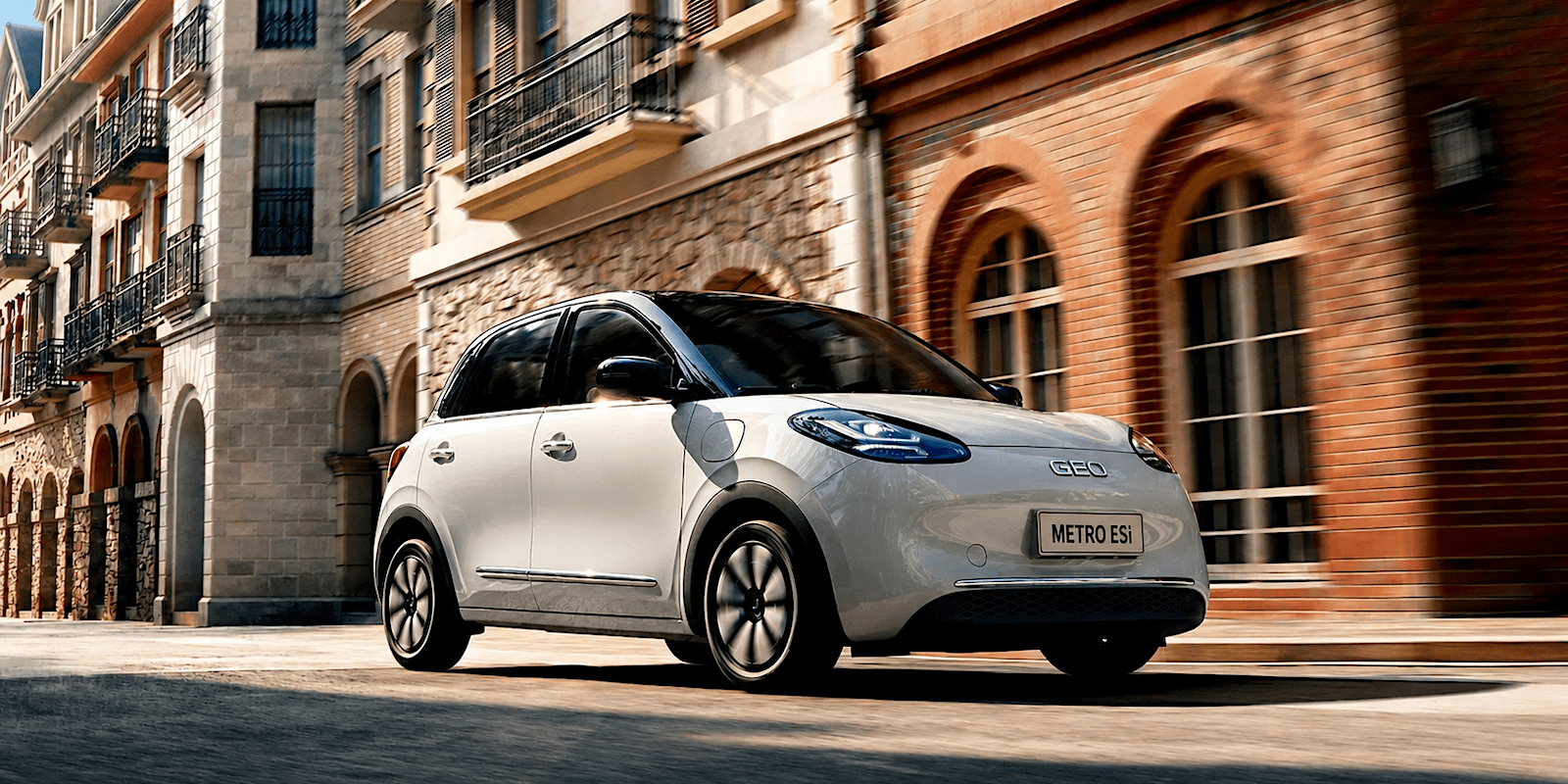
- Affordability: The primary driver for considering the Bingo Pro is its inherent affordability. In many global markets, the high cost of EVs remains a significant barrier to widespread adoption. By re-badging an already cost-effective vehicle, Chevrolet can offer an EV at a price point that is more accessible to a larger customer base. This could be particularly impactful in developing economies where transportation costs are a major concern.
- Market Diversification: GM has been actively seeking to expand its presence in various international markets. The availability of a competitively priced EV under the Chevrolet brand could open new avenues for growth, especially in regions where Chevrolet has an established dealership network but a limited EV offering.
- Speed to Market: Developing a new EV from scratch is a time-consuming and capital-intensive process. Utilizing an existing, proven model like the Wuling Bingo Pro significantly reduces the development timeline, allowing GM to respond more rapidly to market demand and competitive pressures. This agility is crucial in the fast-evolving EV sector.
The "Spiritual Successor" to the Geo Metro
The article’s reference to the Geo Metro, a subcompact car known for its exceptional fuel efficiency and minimalist design that was popular among hyper-milers and budget-conscious consumers, provides a nostalgic lens through which to view the potential Chevrolet EV. While the Geo Metro was an internal combustion engine vehicle, its ethos of providing basic, reliable, and highly economical transportation aligns with the potential role of a re-badged Wuling Bingo Pro.
The Geo Metro, produced by a joint venture between General Motors and Suzuki, was available in North America from 1989 to 2001. It was celebrated for its incredibly low fuel consumption, often exceeding 50 miles per gallon, and its remarkably light curb weight. Its simplicity meant fewer complex systems to maintain, contributing to its reputation as a reliable and affordable car. The "spiritual successor" concept suggests that the Wuling Bingo Pro, as a Chevrolet EV, would embody a similar philosophy of delivering essential, efficient, and budget-friendly mobility, albeit with modern electric powertrain technology.
The original Geo Metro’s 55-horsepower, three-cylinder engine was a testament to its focus on economy over performance. While the Wuling Bingo Pro’s 67-horsepower electric motor offers a modest increase, the overall driving experience would likely still prioritize efficiency and practicality, echoing the original Metro’s character. The prospect of a new-age, electric Geo Metro, even if not explicitly named as such, taps into a desire for straightforward, no-frills transportation that is increasingly rare in today’s automotive market, which is dominated by larger, more feature-rich vehicles.
Potential Markets and Implications

The report suggests that GM is considering deploying this re-badged EV in "key global markets where the brand is already present." This phrasing opens up a wide range of possibilities.
- North America (Canada): The article specifically mentions Canada as a potential market. This is significant given recent developments in Canadian trade policy regarding EVs. Earlier in July 2026, Canada received its first shipment of Lotus Eletre EVs under an agreement that permits the annual import of up to 49,000 Chinese-built EVs at reduced tariff rates. This policy aims to diversify Canada’s auto market and reduce its reliance on US brands. If the Chevrolet-badged Wuling Bingo Pro were to enter Canada, it would represent a mainstream Chinese-designed product wearing a well-established American brand’s badge, potentially testing the waters for broader adoption of such models.
- Emerging Markets: Beyond North America, countries in Africa and South America, such as Brazil, are actively pursuing electrification to reduce their dependence on fossil fuels and combat air pollution. An affordable EV like the Wuling Bingo Pro would be a logical fit for these markets, offering a cleaner and potentially more cost-effective transportation solution.
- United States Market: While the article suggests the case for bringing it to the US is "flimsier," it does acknowledge a potential niche appeal. For a segment of consumers, particularly those frustrated by the trend towards larger, more complex vehicles, a modern, efficient, and nostalgic-evoking EV like a new-age Metro could resonate. This would likely require careful positioning and marketing to appeal to the specific demographic that remembers and appreciates the original Geo Metro’s attributes.
Technical Specifications and Performance
The Wuling Bingo Pro’s technical specifications offer a realistic benchmark for a Chevrolet-branded entry-level EV.
- Battery: Typically equipped with a 37.9 kWh LFP battery pack. LFP batteries are known for their longer lifespan, enhanced safety, and lower cost compared to some other lithium-ion chemistries, making them ideal for affordable EVs.
- Range: The CLTC cycle rating of up to 255 miles (410 kilometers) is a respectable figure for a compact urban vehicle. While real-world range may vary based on driving conditions, it provides sufficient utility for daily commuting and short trips.
- Motor: A 50 kW (approximately 67 hp) electric motor provides adequate power for city driving. While not performance-oriented, it represents a significant step up in terms of acceleration and responsiveness compared to the original Geo Metro’s 55 hp gasoline engine. The EV powertrain also offers the inherent advantages of instant torque and a quieter, smoother driving experience.
- Charging: Information on charging capabilities would be crucial for market acceptance. Typical charging speeds for vehicles in this segment would likely include AC charging for overnight use and DC fast charging for quicker top-ups on longer journeys.
Potential Challenges and Considerations
While the prospect of a Chevrolet-badged Wuling Bingo Pro presents numerous opportunities, several challenges and considerations need to be addressed:

- Brand Perception and Quality Control: GM would need to ensure that the re-badged vehicle meets Chevrolet’s global quality and safety standards. The perception of Chinese-made vehicles in some Western markets can be a hurdle, and GM’s reputation would be on the line. Rigorous testing, adaptation, and potentially minor design tweaks would be necessary to align the vehicle with Chevrolet’s brand identity.
- Regulatory Compliance: The vehicle would need to meet all safety, emissions (or rather, zero-emissions), and other regulatory requirements in each target market. This can involve significant engineering modifications and certification processes.
- Supply Chain and Logistics: Establishing a reliable supply chain and efficient logistics for exporting vehicles from China to various global markets would be essential. This includes managing production volumes, shipping, and distribution.
- Consumer Acceptance of Re-badged Models: While re-badging is a common practice, consumers may scrutinize the origin of the vehicle, especially if it is perceived as a mere cosmetic change without substantial engineering or design input from Chevrolet. Transparency and clear communication about the vehicle’s development and benefits would be important.
- Competition: The affordable EV segment is becoming increasingly competitive. GM would need to position the Chevrolet Bingo Pro effectively against existing and emerging rivals, both from established automakers and new EV startups.
Conclusion
The potential move by General Motors to re-badge the Wuling Bingo Pro as a Chevrolet entry-level EV represents a pragmatic and potentially highly effective strategy to rapidly expand its electric vehicle offerings in key global markets. By leveraging its partnership with SAIC-GM-Wuling, GM can bypass lengthy development cycles and introduce an affordable EV that addresses a significant consumer demand. The nostalgic echo of the Geo Metro, a symbol of economical and efficient transportation, adds an intriguing layer to this proposition, suggesting a vehicle that prioritizes accessibility and practicality.
The success of this initiative will hinge on GM’s ability to navigate potential challenges related to quality perception, regulatory compliance, and market acceptance. However, if executed effectively, a Chevrolet-badged Wuling Bingo Pro could significantly bolster Chevrolet’s EV portfolio, drive sales in diverse markets, and contribute to GM’s broader electrification goals, while offering consumers a compelling and affordable path to electric mobility. The Canadian market, with its evolving EV import policies, appears poised to be a crucial testing ground for such cross-border automotive strategies, potentially paving the way for broader adoption of such models across North America and beyond.