











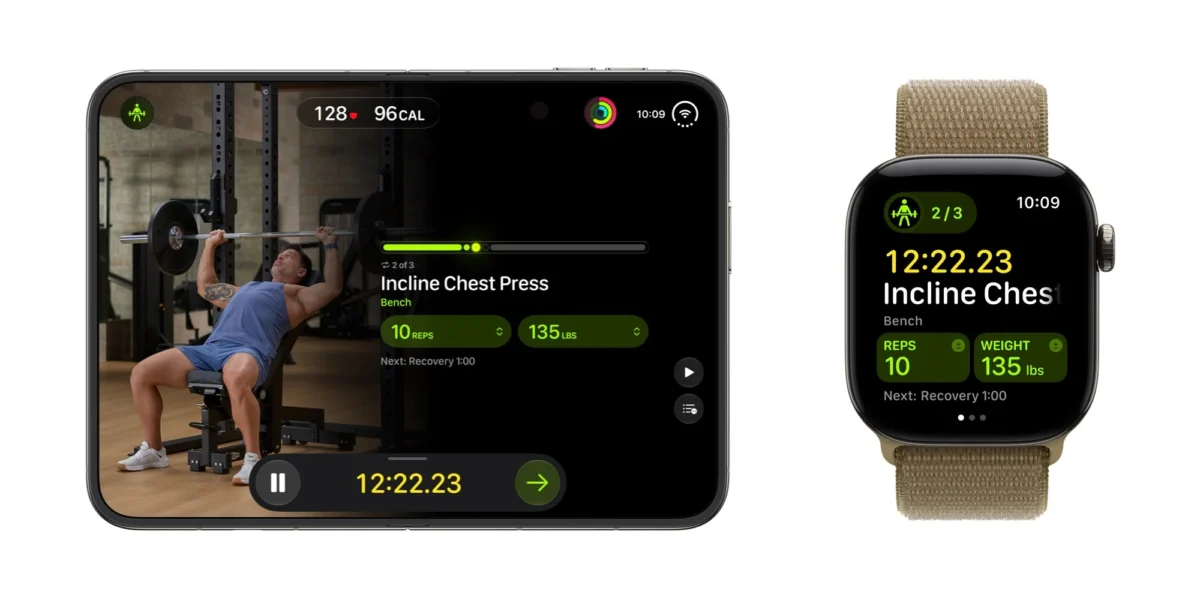
Apple is significantly broadening the scope of its health and wellness ecosystem with the introduction of "Gym Strength," a new feature within Apple Fitness+ that transitions the service from home-based guided workouts to personalized, data-driven weightlifting in traditional gym environments. Currently available in beta, this feature aims to bridge the gap between high-end personal training and self-guided workouts, utilizing the computational power of the iPhone, iPad, and Apple Watch to provide structured, progressive resistance training.
The launch marks a pivotal shift for the tech giant. While Apple Fitness+ has historically focused on studio-style sessions—ranging from high-intensity interval training to yoga—Gym Strength represents the company’s most direct entry into the bodybuilding and powerlifting market. By integrating over 350 exercises and support for 30 types of equipment, Apple is positioning its ecosystem as a comprehensive digital trainer capable of adapting to the constraints of both a cramped home garage gym and a sprawling commercial facility.
The Mechanics of Personalized Progression
At the core of the Gym Strength experience is a four-week progressive plan architecture. Unlike static workout apps that offer fixed routines, Apple’s new feature utilizes user-provided data points—such as strength goals, training experience, and specific equipment availability—to generate a bespoke schedule.
The system relies on a feedback loop: as users log their sets, repetitions, and weights lifted throughout the week, the software evaluates performance against the intended plan. For the subsequent week, the algorithms adjust volume and intensity, ensuring a principle of "progressive overload," which is widely regarded by exercise physiologists as the primary driver of muscular hypertrophy and strength gains.

The scheduling interface allows users to dictate their commitment levels. Users can opt for shorter, 20-to-30-minute sessions comprised of five primary movements, or more rigorous 45-to-60-minute routines consisting of seven movements. This modular approach is designed to accommodate the erratic schedules of modern gym-goers, effectively lowering the barrier to entry for individuals who may feel intimidated by complex, multi-hour bodybuilding regimens.
A Multimodal Approach to Exercise Education
One of the most significant challenges in strength training is proper form, which carries a high risk of injury if performed incorrectly. To mitigate this, Apple has integrated a robust video demonstration library into the Gym Strength interface. These demonstrations are not merely passive tutorials; they can be expanded to display movements from three distinct angles, allowing users to analyze the biomechanics of a lift from a side-on, front-facing, or overhead perspective.
This visual aid is complemented by the versatility of the software. Recognizing that gym equipment is often subject to high traffic, Apple has built a "swap" mechanism into the user interface. If a specific cable machine or barbell station is occupied, the app suggests alternative exercises that target the same muscle groups and follow similar movement patterns. This flexibility, coupled with the ability to manually adjust or skip exercises on the fly, provides a level of autonomy that mimics the guidance of a human trainer.
Integration with the Apple Hardware Ecosystem
The functionality of Gym Strength is deeply tethered to the latest iteration of Apple’s software suite. The feature requires devices running iOS 27.3 or iPadOS 27.3, ensuring that the heavy lifting—both literally and computationally—is handled by the most current hardware capabilities.
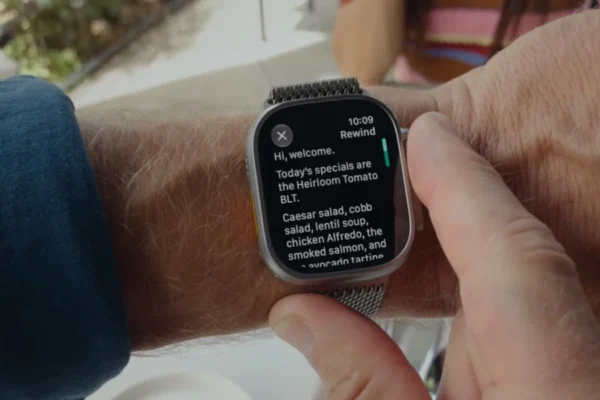
The Apple Watch, running watchOS 27.3, serves as the critical interface for the user while they are on the gym floor. By moving the tracking and logging process to the wrist, Apple minimizes the need for users to constantly interact with their phones between sets. This integration not only logs volume data but also captures physiological markers, including real-time heart rate and estimated caloric expenditure, which are then synced back to the Fitness app to contribute to the user’s overall health metrics and activity rings.

Training Note and the Role of Artificial Intelligence
Perhaps the most forward-looking aspect of the update is the introduction of "Training Note." Powered by Apple Intelligence, this feature provides a synthesized summary of the user’s lifting journey. It serves as an analytical layer, offering previews of upcoming workouts, explaining the scientific rationale behind the progression steps, and highlighting milestones in the user’s fitness trajectory.
By utilizing on-device machine learning, Training Note interprets the raw data of a user’s performance and translates it into actionable feedback. This move reflects a broader trend in the wellness industry toward "quantified self" metrics, where users are increasingly seeking not just to exercise, but to understand the efficiency and efficacy of their efforts.
Chronology of Fitness+ Development
The evolution of Apple Fitness+ has been a multi-year project of iterative expansion:
- December 2020: Apple Fitness+ launches, primarily focused on virtual studio classes led by a team of diverse trainers.
- 2021-2023: The service expands to include specialized programs, such as pregnancy-safe workouts, senior-focused training, and high-intensity kickboxing, alongside the introduction of "Custom Plans."
- 2024: Apple begins integrating more granular health data from the Apple Watch to provide deeper insights into cardiovascular recovery.
- November 2026 (Current): The beta release of Gym Strength signals a move toward high-performance, long-term strength training and periodization.
Implications for the Fitness Industry
The entry of a tech giant like Apple into the gym-based strength training market has significant implications for the fitness industry. Traditional personal training services often carry high price points, making them inaccessible to a large segment of the population. By bundling these features into the existing Fitness+ subscription—priced at $9.99 monthly or $79.99 annually—Apple is effectively democratizing access to structured strength programs.
Gym operators may view this as both a challenge and an opportunity. While some may fear that digital assistants reduce the demand for in-person trainers, others see the potential for increased gym attendance. If users have a structured plan in their pocket, they are statistically more likely to maintain a consistent gym-going habit. Furthermore, the ability to utilize "gym-standard" equipment—such as dumbbells, kettlebells, and suspension trainers—within the Apple framework encourages users to maintain gym memberships.

Market Context and Future Outlook
The global fitness app market is currently undergoing a period of intense consolidation. Companies like Peloton, Nike, and various boutique fitness brands have all sought to capture the "hybrid" athlete—someone who exercises both at home and in public facilities. Apple’s advantage lies in its hardware integration. By creating a seamless bridge between the Apple Watch’s biometric monitoring and the iPhone’s instructional software, Apple creates a "walled garden" that is difficult for standalone fitness apps to replicate.
Industry analysts suggest that the next frontier for Apple will likely involve deeper integration with nutrition tracking and recovery metrics. With the Gym Strength feature now in beta, the company has effectively closed the loop on physical activity. The logical next step would involve using the insights gained from Gym Strength to provide personalized dietary or recovery recommendations based on the stress placed on the body during these sessions.
Conclusion
The rollout of Gym Strength is a strategic expansion that leverages Apple’s strengths in software design and hardware integration to address one of the most common hurdles in physical fitness: the lack of a structured, sustainable plan. By providing a framework that is both highly technical and deeply customizable, Apple is positioning itself to be a permanent fixture in the modern gym. As the beta period continues and user data is collected, the refinement of these algorithms will likely make Apple Fitness+ an even more formidable competitor in the digital health space, transforming the way everyday users interact with the heavy equipment on the gym floor.