








The digital photography industry is experiencing a profound shift in consumer preferences, highlighted by the October 2026 retail performance metrics released by Map Camera, one of Japan’s most prominent and influential camera distributors. In what industry analysts are calling a major autumn upset, the newly released Canon EOS R8 Mark II has surged to the number one position in the retailer’s monthly sales chart. This dramatic ascension effectively dethroned the Sony A7 V, a powerhouse full-frame mirrorless camera that had previously dominated the top spot across nine separate monthly reporting periods since December of the previous year.
The rapid commercial success of Canon’s latest entry-level full-frame offering underscores a broader resurgence for the manufacturer, proving that targeted hardware iterations can successfully capture the shifting demands of contemporary photographers. As autumn travel and street photography seasons peak, the global camera market is witnessing a fascinating convergence of compact ergonomics, high-end sensor performance, and aggressive pricing strategies that continue to reshape the competitive landscape between industry titans Canon and Sony.
Chronology and Market Timeline: The Ascent of the EOS R8 Mark II
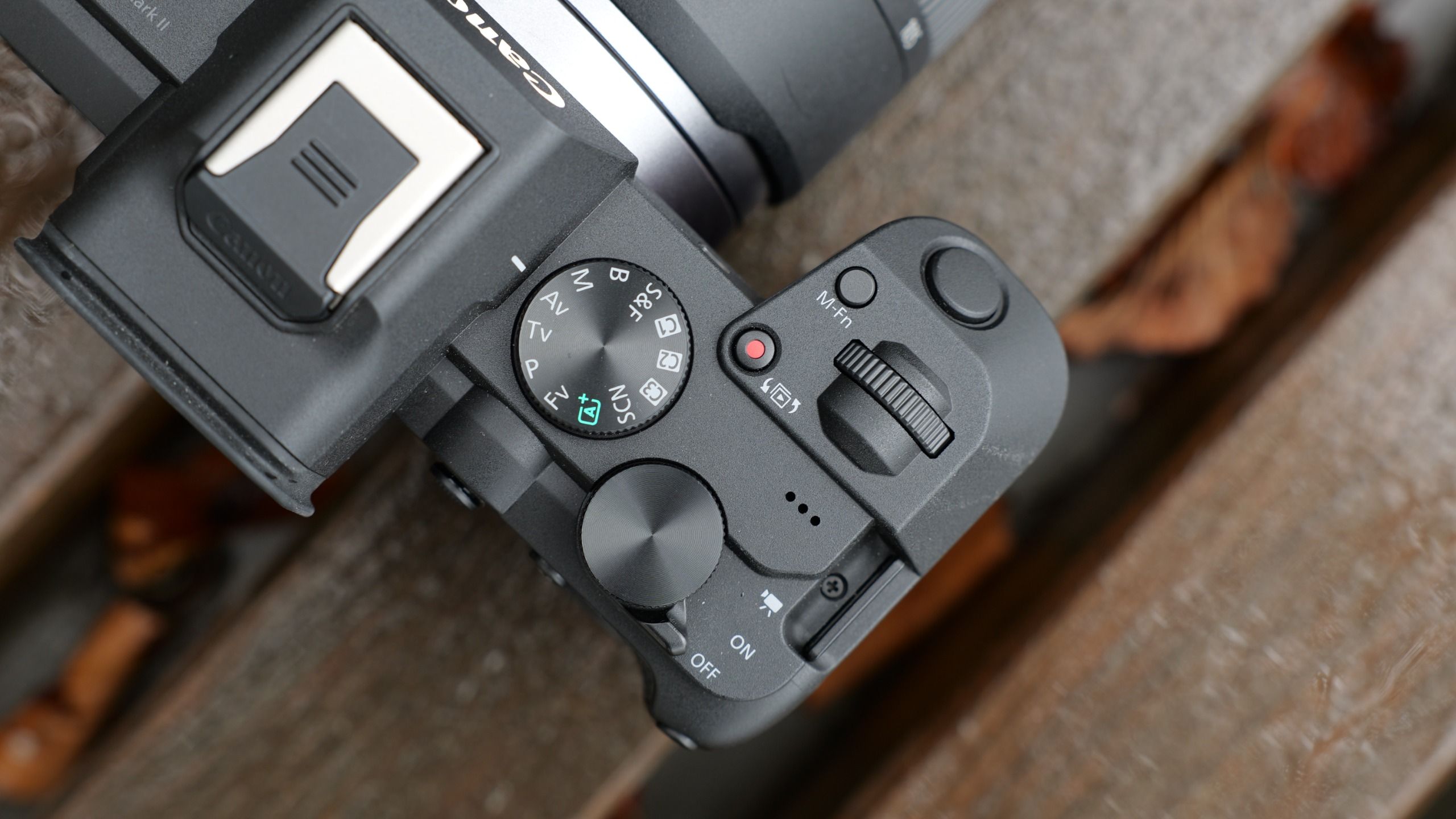
The trajectory of the Canon EOS R8 Mark II from announcement to market dominance unfolded at a remarkably brisk pace, catching even seasoned industry watchers by surprise. Canon officially announced the camera in mid-September 2026, generating immediate buzz across enthusiast photography forums and digital media outlets. Retail availability and international shipping commenced toward the end of October, giving the camera only a fraction of the month to accumulate sales figures.
Despite its limited time on store shelves during this initial retail window, the volume of purchases was robust enough to eclipse well-established competitors. Map Camera characterized the release as a pivotal moment for the brand, noting that the sales velocity of the EOS R8 Mark II—particularly when bundled with the compact and lightweight RF 45mm f/1.2 STM prime lens—matched the sales rate of the body alone. This consumer behavior indicates that buyers were actively seeking a cohesive, highly portable full-frame kit tailored specifically for mobile street photography and travel documentation.
Prior to this shake-up, the Japanese retail charts had been heavily influenced by Sony’s sustained momentum. The Sony A7 V had maintained an ironclad grip on consumer preference, leveraging its robust feature set and extensive lens ecosystem to secure the number one ranking nine times in less than a year. The sudden displacement of the A7 V by a newly introduced Canon model signals a potential shift in consumer loyalty, driven largely by how effectively the newer camera addresses specific ergonomic and functional grievances associated with its predecessor.
Comprehensive Analysis of the Map Camera October 2026 Top 10 Chart
A granular examination of Map Camera’s Top 10 best-selling camera list for October 2026 reveals diverse consumer interests, spanning high-end full-frame systems, specialized compacts, and versatile crop-sensor mirrorless bodies.
- Canon EOS R8 Mark II
- Sony A7 V
- Sony A7C II
- Ricoh GR IV
- Canon PowerShot SX740 HS / Lite
- Sony A6700
- Canon PowerShot G7 X Mark III
- Fujifilm X-M5
- Fujifilm X-T30 III
- Canon EOS R6 Mark II
The upper echelons of the ranking are firmly commanded by full-frame mirrorless systems, with Canon and Sony capturing the top three positions. Beyond the fierce battle between the EOS R8 Mark II and the Sony A7 V, the compact camera segment continues to exert a powerful influence on retail trends. Most notably, the Ricoh GR IV secured the fourth position, maintaining its status as a cult-favorite instrument among street photographers who prioritize pocketability and rapid response times above interchangeable lens versatility.
Furthermore, the presence of the Canon PowerShot SX740 HS, Sony A6700, Canon PowerShot G7 X Mark III, and multiple Fujifilm offerings—such as the X-M5 and X-T30 III—illustrates a healthy, multi-tiered market. Consumers are simultaneously investing in professional-grade full-frame equipment and highly portable, content-creation-friendly APS-C and fixed-lens compact cameras.
Technical Evolution: What Sets the Canon EOS R8 Mark II Apart
To understand the commercial success of the Canon EOS R8 Mark II, one must analyze the engineering upgrades that differentiate it from the original EOS R8. While the original model was praised for bringing full-frame imaging down to a more accessible price point—currently retailing around $1,649 USD / £1,629.99 GBP—it faced sustained criticism from professional reviewers regarding certain ergonomic omissions and the absence of physical stabilization mechanisms.
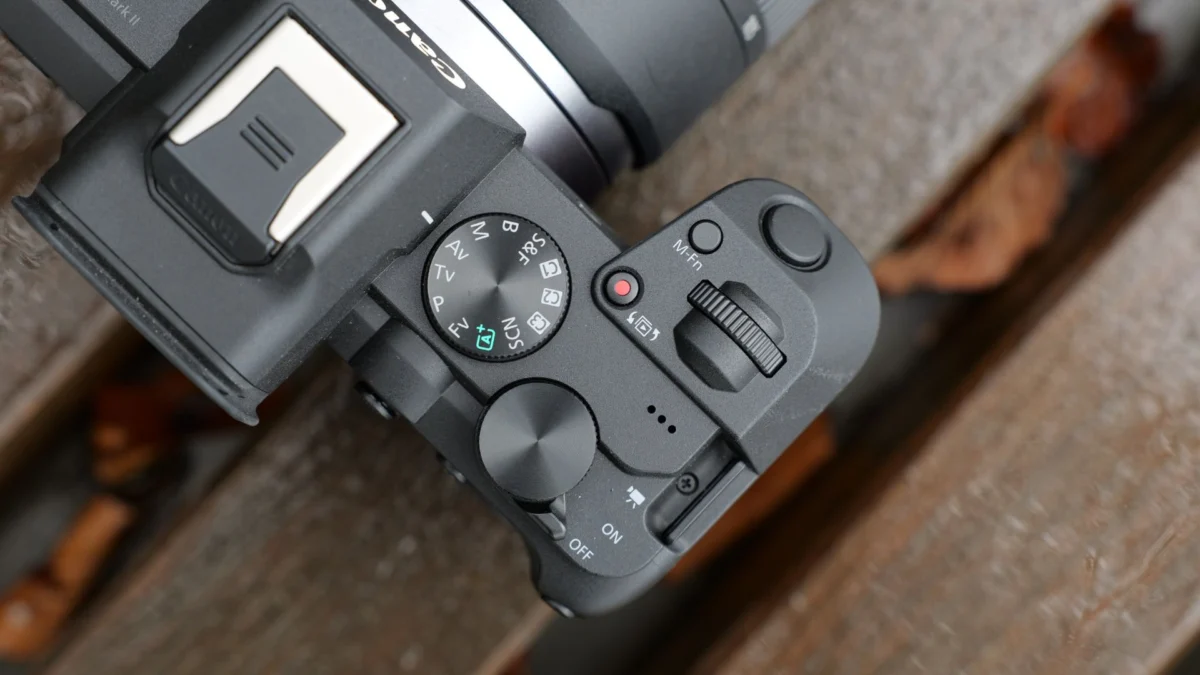
Priced at $1,899 USD / £1,729 GBP, the EOS R8 Mark II successfully remedies these foundational complaints. Canon retained the well-regarded 24.2-megapixel full-frame CMOS sensor and high-performance processor of its predecessor but integrated crucial hardware upgrades. Most notably, the incorporation of in-body image stabilization (IBIS) drastically improves handheld shooting capabilities in low-light environments and stabilizes video footage without relying exclusively on digital stabilization.
Ergonomically, the inclusion of a dedicated physical joystick provides faster autofocus point selection, a feature heavily demanded by working photographers transitioning from legacy DSLR systems. The refined body style also features an articulating tilt screen, supporting diverse shooting angles for both stills and videography.
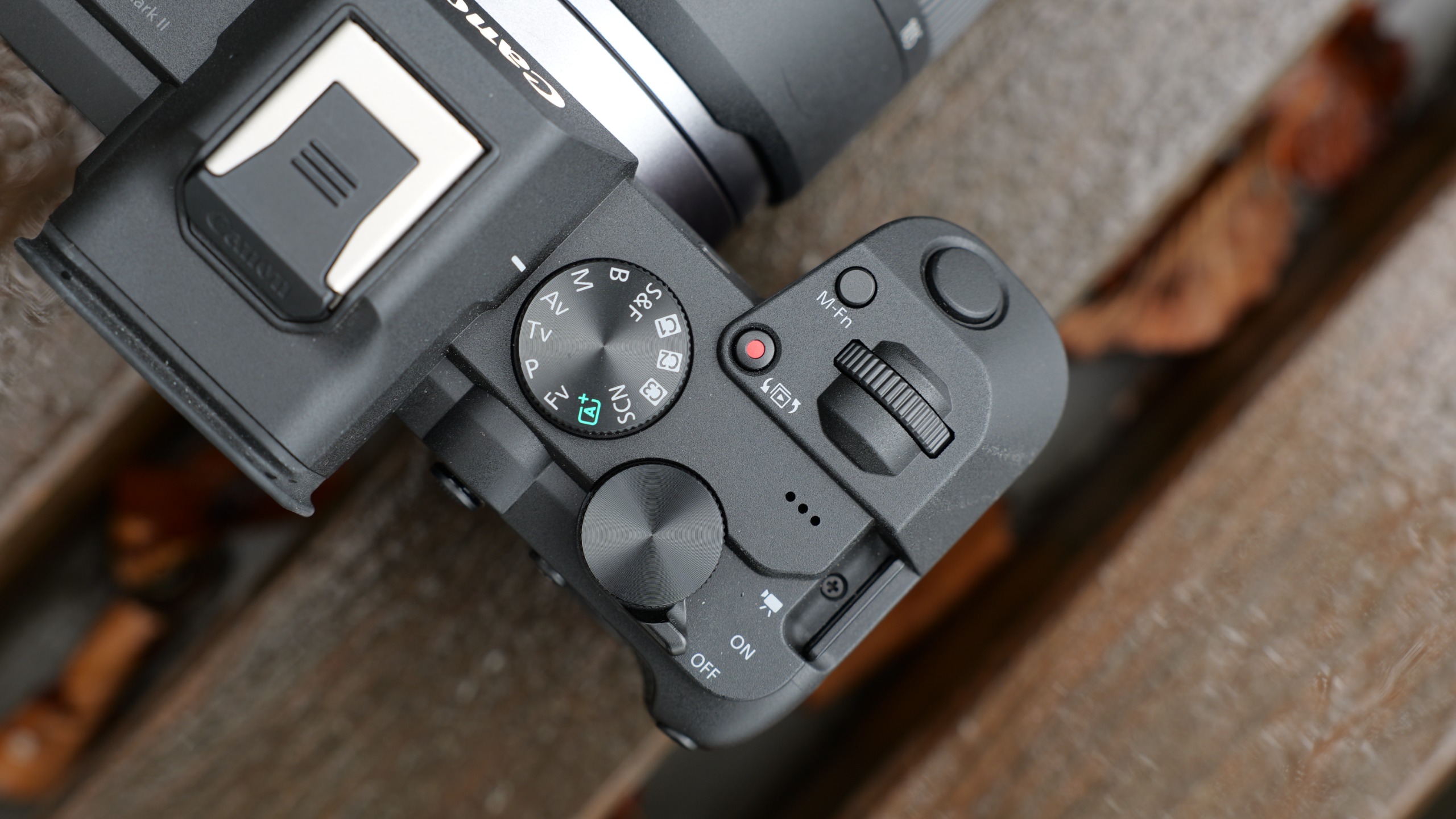
On the performance front, the camera delivers an impressive 40 frames per second continuous burst rate, bolstered by Canon’s advanced Dual Pixel II Autofocus system for pinpoint subject tracking. Videographers benefit significantly from uncropped 4K video recording capabilities at up to 60p, oversampled directly from rich 6K footage, bridging the gap between professional cinema utility and lightweight travel readiness.
Broader Economic and Industry Implications
The sudden market shift documented by Map Camera offers valuable insights into the current economic climate of the consumer electronics and photography sectors. Manufacturers have increasingly focused on refining existing product lines rather than introducing entirely new system architectures, prioritizing user feedback and targeted hardware additions.
For Canon, which faced prolonged periods of sluggish sales in specific mirrorless sectors due to aggressive competition from Sony and Fujifilm, the success of the EOS R8 Mark II validates its product development strategy. By identifying the specific friction points of entry-level full-frame users—namely the lack of stabilization and physical control points—and correcting them within a single hardware generation, Canon has successfully stimulated consumer upgrade cycles.
Simultaneously, the enduring popularity of fixed-lens compacts like the Ricoh GR IV and vlogging-centric options like the Canon PowerShot G7 X Mark III demonstrates that smartphone saturation has not eroded the market for dedicated imaging tools. Instead, consumers are displaying a polarized purchasing pattern: investing heavily in specialized, highly capable pocket cameras for casual daily carry, while reserving interchangeable-lens full-frame setups for deliberate creative and professional endeavors.
As the industry moves toward the final quarter of the year, the performance of the EOS R8 Mark II sets a high benchmark. Whether Canon can sustain this retail momentum against entrenched competitors like Sony and Fujifilm will depend heavily on global inventory stability, promotional pricing strategies, and the continued expansion of compatible RF-mount optics. For now, the Japanese retail landscape confirms that thoughtful engineering and responsiveness to consumer critique remain the most potent catalysts for commercial success in modern digital photography.