










The landscape of the contemporary video game industry continues to face severe turbulence as Roswell, Georgia-based developer Tripwire Interactive announced a workforce reduction affecting 36 employees. The studio, long regarded as a pillar of the cooperative shooter genre, confirmed the news via a corporate statement on LinkedIn, citing the necessity of the decision for the future viability of the organization. While the studio maintains that the reduction is a strategic step toward ensuring long-term operational stability, the move highlights the ongoing fragility within the mid-tier development sector, where rising production costs and fluctuating market receptions create an increasingly precarious environment for even established developers.
Internal sources have indicated that the scale of these layoffs is substantial relative to the studio’s total headcount. Reports suggest that following these departures, Tripwire Interactive is now operating with approximately 40 to 50 remaining staff members. This significant reduction in personnel arrives at a critical juncture for the studio, which is currently balancing the active development of high-profile internal projects with a recently expanded publishing arm.
A Legacy of Development and Recent Market Struggles
Tripwire Interactive first garnered industry acclaim in the mid-2000s, primarily through its work on the Red Orchestra series and the subsequent launch of the Killing Floor franchise. The original Killing Floor, which emerged from a Unreal Tournament 2004 mod, solidified the studio’s reputation for delivering tight, visceral cooperative combat. Its 2016 sequel, Killing Floor 2, became a long-standing staple on the Steam platform, maintaining a robust, dedicated player base for nearly a decade.
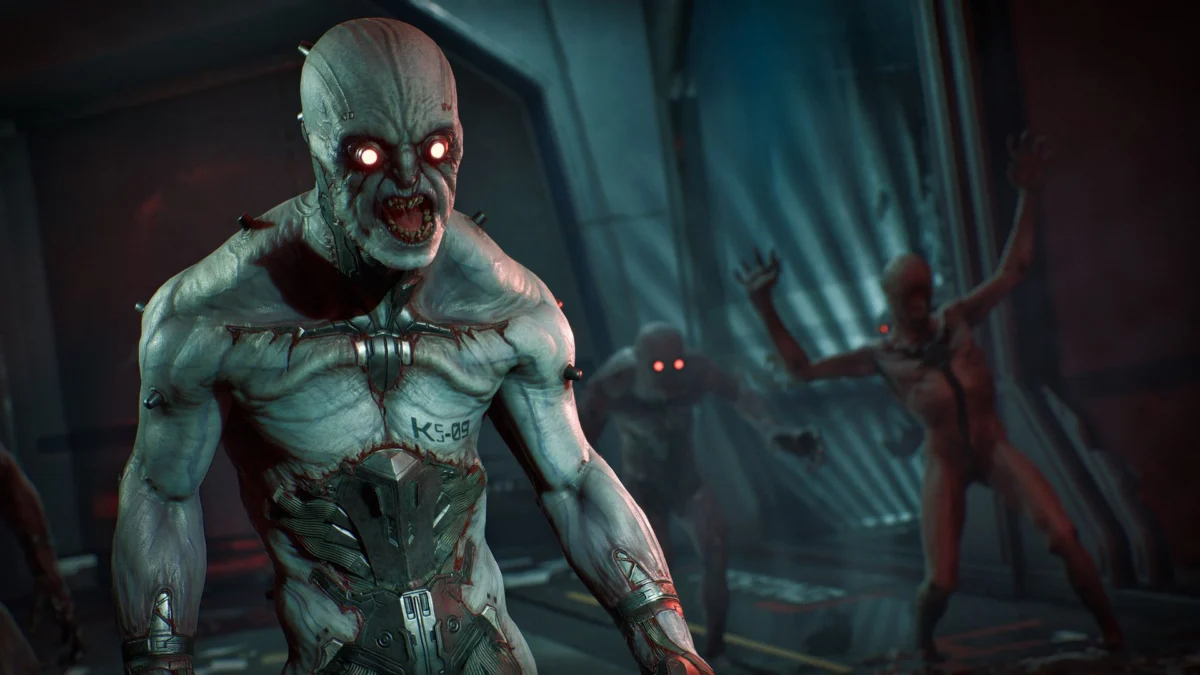
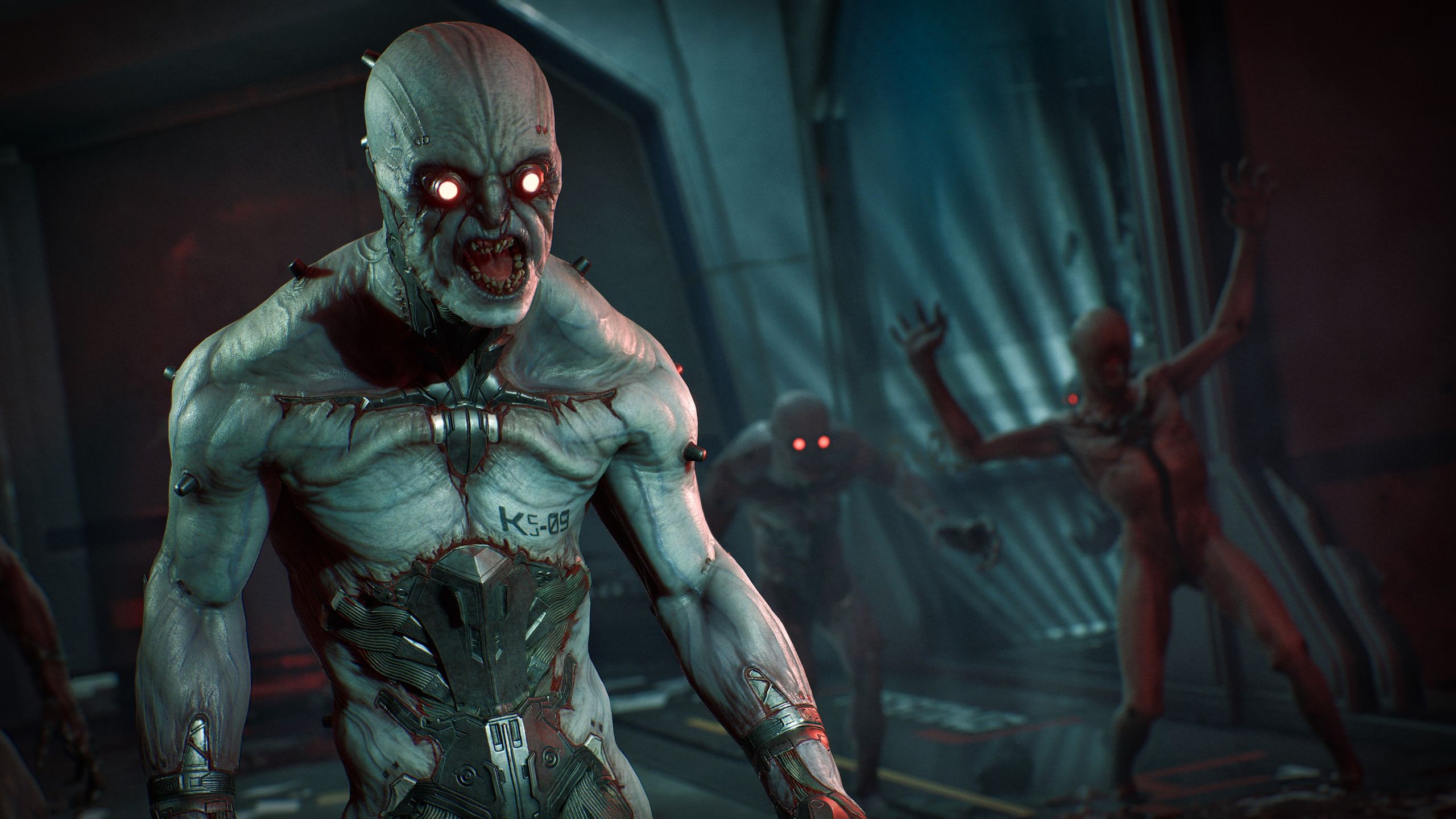
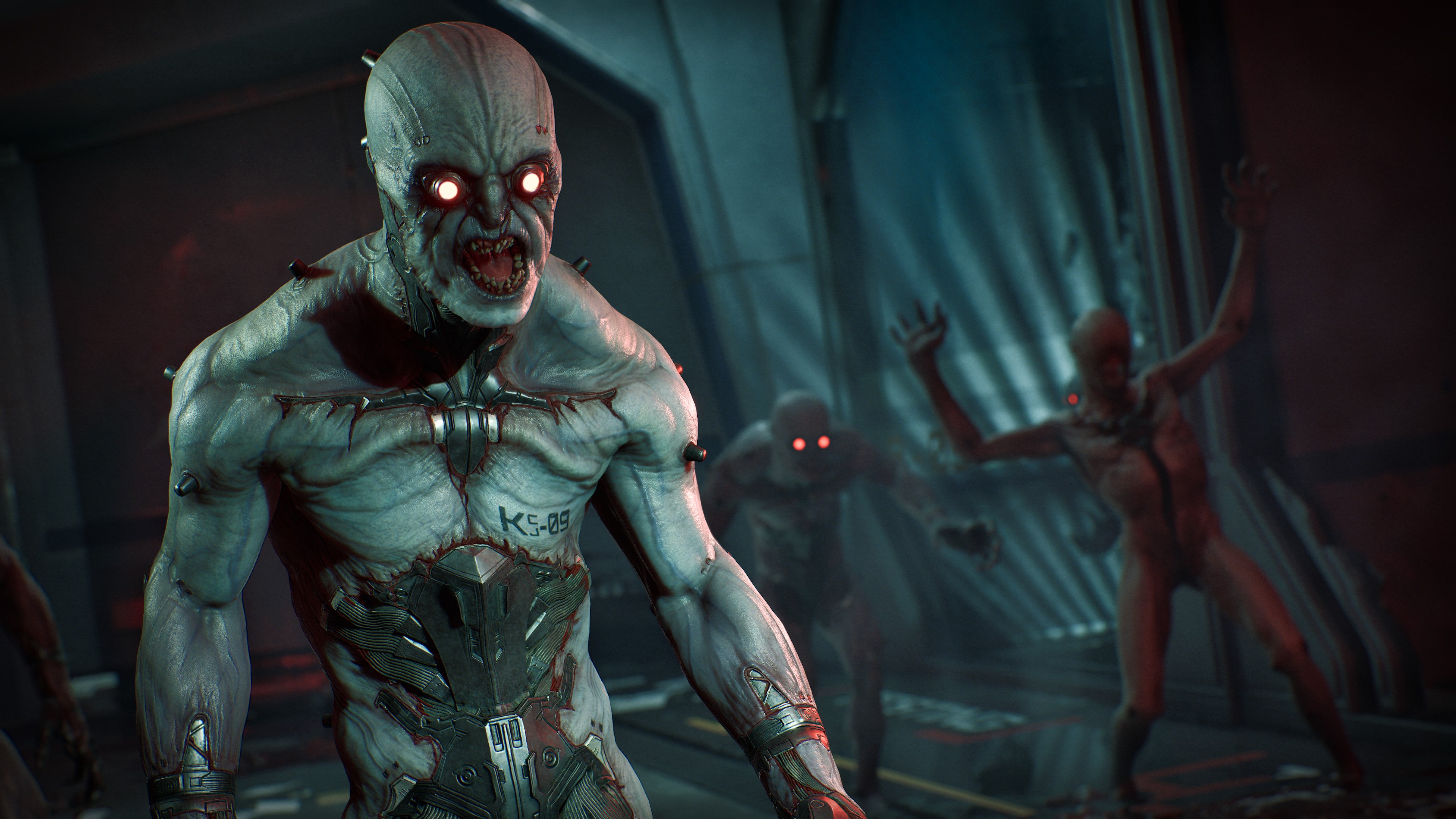
However, the transition into the current hardware generation has proven more difficult than previous cycles. The release of Killing Floor 3 in 2025 was intended to be the studio’s flagship entry for a new era of gaming. Instead, the title has been met with a lukewarm reception from the gaming community. On Steam, the game currently holds "mixed" user reviews, with many critics and players pointing toward a lack of innovation and technical hurdles that have hindered the game’s ability to capture the same cultural momentum as its predecessor.
Statistical data from SteamDB reinforces these concerns regarding player retention. While Killing Floor 2 enjoyed sustained engagement for years after its release, Killing Floor 3 has struggled to maintain concurrent player counts, currently seeing only a small fraction of the traffic recorded by the 2016 installment. This discrepancy between development investment and market performance has placed significant pressure on the studio’s bottom line, likely contributing to the decision to reduce staff numbers.
Expanding the Publishing Horizon Amid Internal Contraction
The timing of the workforce reduction is particularly noteworthy given that it occurred just days after Tripwire Interactive announced a significant pivot in its "Tripwire Presents" publishing division. The studio stated that it intends to scale up its support for smaller, independent developers—a strategy that involves offering a "variable suite of services" to teams that may lack the resources for self-publishing.
This expansion is framed as an effort to leverage Tripwire’s institutional knowledge to assist "scrappy developers" in navigating the complexities of the current market, including porting, marketing, and distribution. While this diversification of revenue streams is a common tactic for studios looking to mitigate the risks associated with single-game development cycles, the timing suggests a challenging balancing act. The studio is simultaneously attempting to manage the development of Maneater 2—a sequel to its 2020 action-RPG hit—while attempting to stabilize the performance of Killing Floor 3 and launching a new publishing initiative.
Industry Context and the Wave of 2024-2025 Layoffs
The situation at Tripwire Interactive does not exist in a vacuum; it is part of a broader, industry-wide trend that has seen thousands of developers laid off across the global gaming sector since early 2023. Major publishers, including Microsoft, Electronic Arts, and Sony, have enacted similar measures, citing the need to "right-size" operations following the unsustainable hiring booms seen during the pandemic-era gaming surge.
For mid-sized studios like Tripwire, the challenges are often more acute. Unlike massive conglomerates with vast, diversified portfolios, independent studios are heavily reliant on the success of individual titles. When a high-profile game fails to meet projected engagement or revenue targets, the financial cushion available to support large development teams shrinks rapidly. The "live service" model, which many studios have adopted to prolong the life of their games, requires constant updates, server maintenance, and community management, all of which are resource-intensive. If a game fails to retain a critical mass of players, the cost of maintaining those services can quickly outweigh the incoming revenue, necessitating the exact type of workforce reductions seen this week.
Looking Toward the Future: The Road Ahead for Tripwire
In its official communication, Tripwire emphasized that it remains "focused on our internal projects" and committed to providing ongoing support for its existing titles. The focus remains squarely on the successful delivery of Maneater 2, a title which carries significant weight for the company. The first Maneater game was a breakout success, praised for its unique premise and ability to find an audience outside of the traditional shooter demographic. If the studio can recapture that success, it may provide the necessary fiscal runway to stabilize the company.
Furthermore, the studio’s pivot toward publishing could yield long-term benefits if it manages to successfully identify and cultivate smaller projects with lower overhead costs. By shifting from a purely "first-party" development model to a hybrid model that includes third-party publishing, Tripwire is attempting to mitigate the risks associated with the "hit-or-miss" nature of modern AAA development.
However, the immediate reality for the remaining 40 to 50 employees is one of transition and consolidation. The loss of 36 team members is a profound change for a studio of this size. Beyond the numbers, these layoffs represent a loss of institutional knowledge and creative capacity that will be difficult to replace. The company’s ability to maintain the quality of its "Tripwire Presents" label while simultaneously attempting to turn the tide on Killing Floor 3 will be a test of its remaining leadership and core staff.
As the industry moves through this period of correction, the focus for studios like Tripwire will likely shift from aggressive expansion to lean, sustainable operations. Whether the studio can navigate this contraction without sacrificing the quality that earned it its reputation remains the primary question for investors and fans alike. For now, the focus remains on the "active development" promised in the studio’s statement, with the community watching closely to see if these changes result in a more agile, resilient developer, or if the studio will continue to grapple with the headwinds of a difficult market.
The human impact of these decisions, however, remains the most significant aspect of the narrative. As the gaming sector continues to undergo this painful evolution, the narrative of Tripwire Interactive serves as a reminder of the volatility inherent in creative industries, where the gap between a successful product launch and a workforce reduction is often narrower than it appears. The studio’s commitment to its "awesome community" will be tested in the coming months as they aim to deliver on their promise of continued support for their games in an increasingly competitive and unforgiving digital marketplace.