







For over a decade, the consumer audio landscape has been defined by the rapid migration toward wireless freedom. Following the 2016 industry pivot—led by the debut of the Bose QuietComfort 35 and the Sony MDR-1000X—the market became saturated with Bluetooth-enabled devices prioritizing convenience, battery life, and digital signal processing. However, a significant shift has occurred in 2024. In a strategic departure from the industry’s wireless-first mandate, both Sony and Bose have simultaneously re-entered the wired headphone sector, signaling a potential turning point in how consumers interact with their personal audio devices.
This resurgence of wired hardware is not a rejection of progress, but rather a response to shifting cultural currents. As Gen Z consumers and audiophiles alike embrace the tactile nature of physical media—evidenced by the sustained growth of vinyl records and the viral popularity of wired Apple EarPods—manufacturers are finding that "old-school" technology possesses a unique market viability.
A decade of wireless dominance and the shift toward analog
To understand the significance of this shift, one must look at the timeline of the "wireless revolution." Between 2014 and 2016, major manufacturers began removing the 3.5mm headphone jack from flagship smartphones, a move that effectively forced the consumer base into the Bluetooth ecosystem. Bose’s QuietComfort 35 series became the gold standard for active noise cancellation (ANC), while Sony’s MDR-1000X established a new benchmark for high-fidelity wireless sound.
For ten years, the primary battleground was the refinement of codecs (like LDAC and aptX), the extension of battery life, and the integration of AI-driven noise suppression. Yet, by 2023, market saturation reached a critical point. Data from consumer electronics analysts suggests that the growth rate of true wireless stereo (TWS) earbuds has begun to plateau as the market transitions from "early adopters" to "replacement consumers." By introducing wired alternatives, companies like Sony and Bose are effectively diversifying their portfolios to capture a demographic that feels alienated by the constant need to charge, pair, and update firmware.
Sony’s retro-revival: The MDR-3R
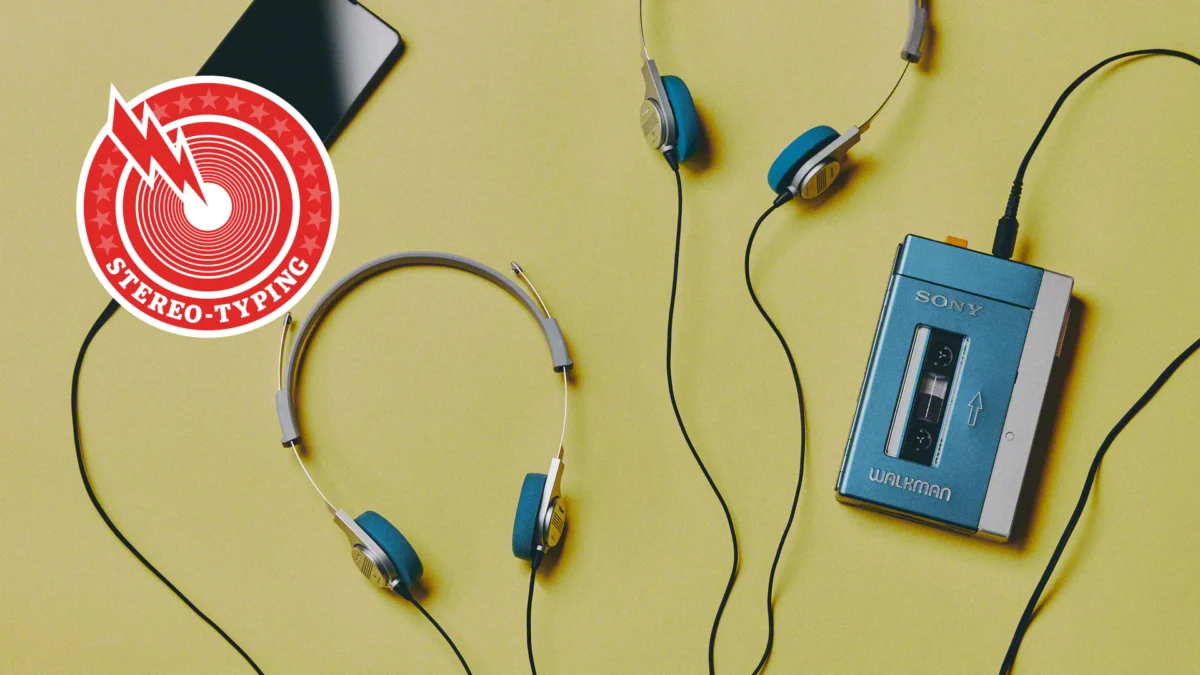
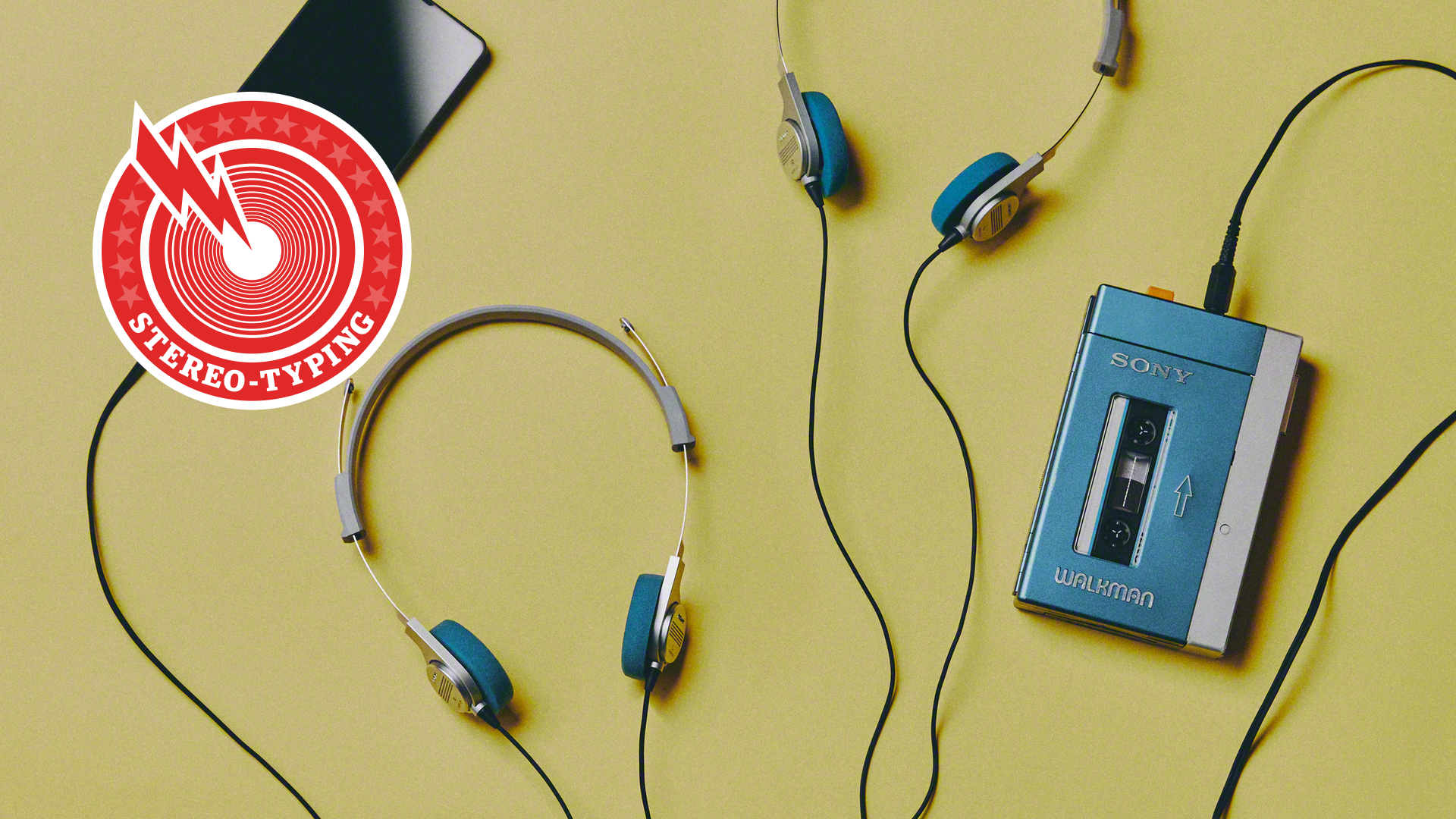
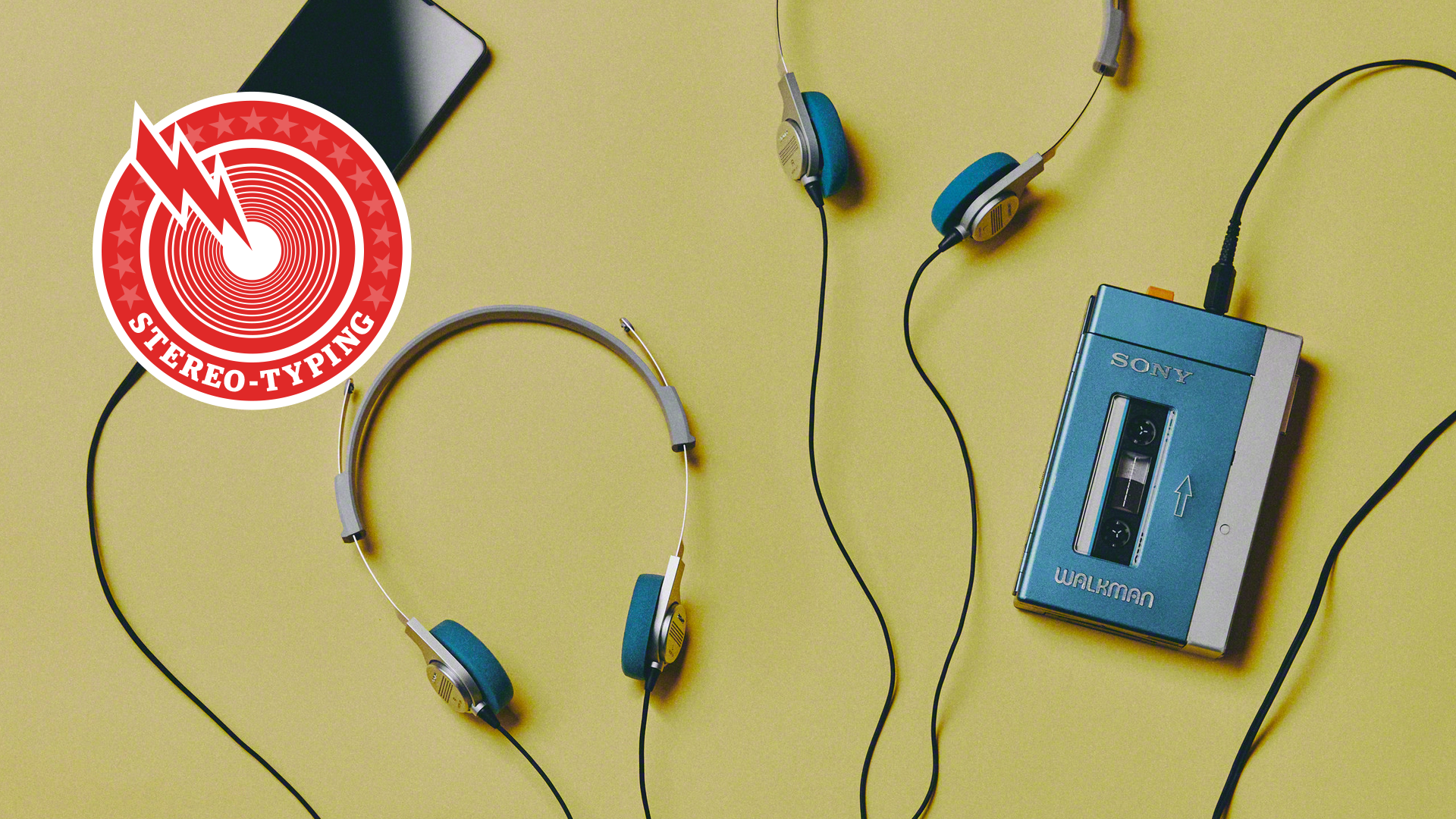
Sony’s approach to this trend leans heavily into heritage branding. The newly released MDR-3R is a direct homage to the iconic headphones that accompanied the original 1979 Walkman. By choosing to resurrect this specific silhouette, Sony is leveraging the massive cultural influence of 1980s nostalgia, fueled by popular media franchises like Stranger Things and Guardians of the Galaxy.
Technically, the MDR-3R is a faithful recreation of the 1979 design. It features the signature slender metal headband and the characteristic "sound holes" indicative of an open-back, on-ear acoustic architecture. While the aesthetic is firmly rooted in the late 20th century, the internal components have been modernized. Sony has equipped the unit with 23mm drivers tuned for a wider frequency response and enhanced low-end clarity, addressing the limitations of the original hardware. The inclusion of a USB-C connection, complete with an in-line microphone and remote, ensures that while the look is vintage, the functionality remains compatible with modern mobile devices.
Bose’s technological pivot: ANC for the wired user
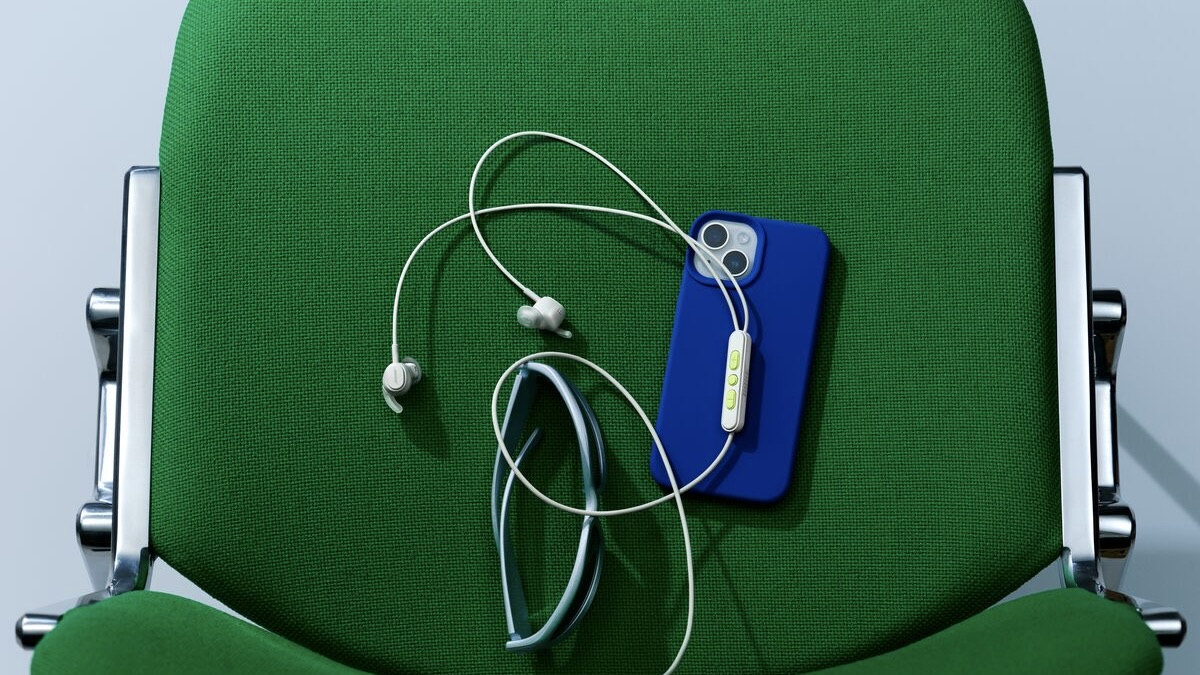
While Sony has opted for a stylistic revival, Bose has taken a different path: the application of high-end digital features to a legacy form factor. The introduction of the Bose Noise Cancelling Wired Earbuds represents a technological milestone. Historically, active noise cancellation required a dedicated battery, a power-hungry circuit, and a charging port.
Bose’s engineers have circumvented these traditional hurdles by utilizing the USB-C interface to draw power directly from the connected smartphone. This removes the need for an internal battery, significantly reducing the physical size of the earbud housing while maintaining the company’s industry-leading ANC capabilities. This represents a "best of both worlds" scenario for the commuter: the reliability and sound quality of a hard-wired connection paired with the environmental isolation that made the brand a household name.
Market implications and the "analog" appeal
The pricing strategies for these new releases underscore a move toward accessibility. With the Sony MDR-3R priced at approximately $60 (£49) and the Bose Noise Cancelling Wired Earbuds at $99 (£99), both products are positioned as entry-to-mid-tier offerings. This is a deliberate tactic to lower the barrier to entry for younger consumers who may be priced out of the $300+ premium wireless market.
From a macroeconomic perspective, the return of wired gear aligns with the "right to repair" and sustainability movements. Wireless earbuds, by design, are difficult to repair and rely on lithium-ion batteries that inevitably degrade, leading to e-waste. Wired headphones, conversely, have a much longer life cycle. If a cable frays or a jack fails, the product can often be salvaged or repaired, a factor that is increasingly important to environmentally conscious Gen Z and Millennial demographics.
Technical considerations and user expectations
While the excitement surrounding these launches is palpable, there are technical challenges that remain to be addressed. For the Bose Wired Earbuds, the reliance on the host device’s battery raises questions regarding power efficiency. While the power draw is theoretically minimal, heavy users of ANC may see an incremental impact on their smartphone’s battery life throughout the day.
For the Sony MDR-3R, the open-back, on-ear design presents a potential trade-off in privacy. Because these headphones do not form an airtight seal around the ear, sound leakage is an inherent physical property. In quiet environments, such as a library or a shared office, this could pose a challenge for users who prefer higher listening volumes. However, for many, this is a negligible price to pay for the "airy," wide soundstage that only open-back designs can provide.
Industry response and future outlook
Industry analysts view the dual launch of these products as a validation of the "wired-plus" category. By stripping away the bloatware—AI voice assistants, spatial audio mapping, and multi-point connectivity—both companies are refocusing the user experience on the primary function: music consumption.
There has been no official statement from either company suggesting that they are abandoning the wireless sector; rather, this is an expansion of the definition of "premium audio." If these products succeed, it is highly probable that other manufacturers will follow suit, potentially leading to a new standard where wired connectivity becomes a premium feature once again, marketed for its reliability and sonic purity rather than its price point.
As the 2024 holiday season approaches, the availability of these retro-inspired and utility-focused wired options provides a compelling alternative to the standard wireless fare. For the consumer, the choice is no longer between "wired" and "better," but rather between two distinct philosophies of listening: the nostalgic, tactile freedom of the MDR-3R, or the silent, powered precision of the Bose wired ANC buds. Both, in their own right, represent a return to the foundational roots of personal audio, proving that in a world of constant wireless updates, there is still immense value in the simple, physical connection of a wire.