




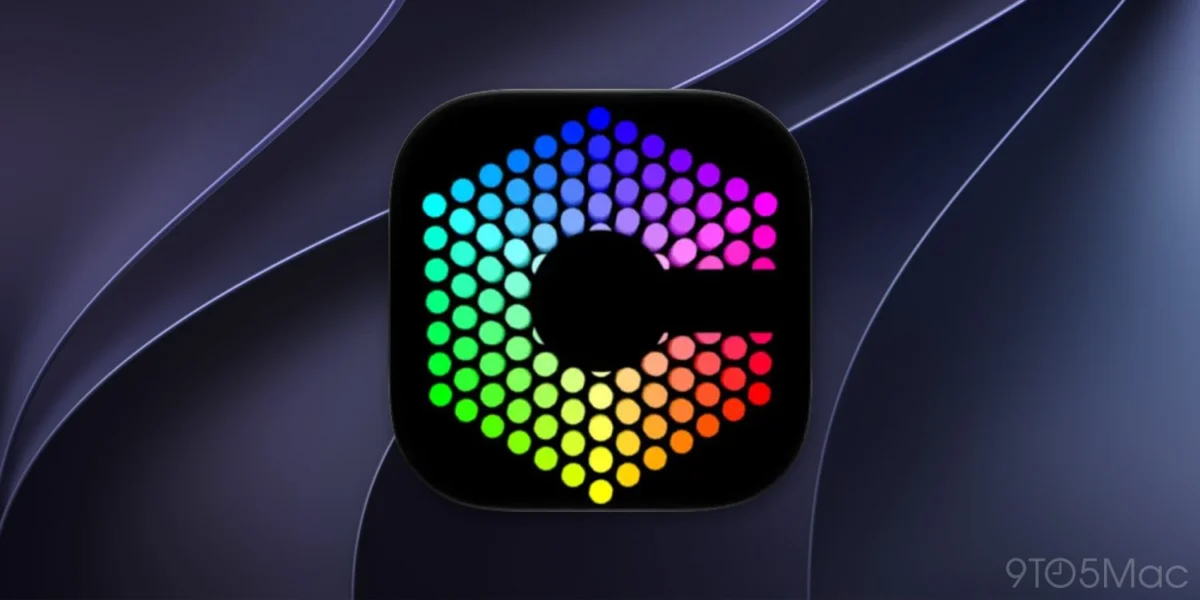
The ongoing debate surrounding smartphone computational photography has entered a new phase following the unexpected release of the Chromagraph Camera application for iOS. Developed under the creative direction of acclaimed filmmaker Rian Johnson—known for visually distinct motion pictures such as Knives Out, Glass Onion, and Star Wars: The Last Jedi—the application aims to bridge the gap between heavy-handed stock software processing and the raw authenticity traditionally captured by dedicated mechanical cameras. For years, mobile photography enthusiasts and professional creators have scrutinized stock smartphone image pipelines for introducing excessive sharpening, aggressive noise reduction, and an artificial smoothness that strips away natural textures. While Apple has continually refined its proprietary image signal processors (ISPs) to deliver immediate, hyper-detailed snapshots, the resulting aesthetic often alienates users who prefer organic film characteristics. The launch of Chromagraph Camera introduces a streamlined alternative, offering a point-and-shoot mechanism that sidesteps cumbersome manual settings while producing authentic out-of-the-box imagery.
Background and Context of Computational Photography on iOS
To understand the industry significance of Rian Johnson’s venture into software development, one must examine the evolution of the iPhone’s native camera application. Since the introduction of Smart HDR and deep integration with neural engines, Apple devices have relied heavily on multi-frame synthesis. While this computational approach guarantees well-exposed images in challenging lighting conditions, it frequently introduces unwanted artifacts, including halos around high-contrast edges and a flattening of skin tones due to excessive digital intervention.
Photographers seeking alternatives have historically turned to third-party software that captures uncompressed RAW formats, allowing manual adjustments in post-processing applications like Adobe Lightroom or Capture One. However, this workflow introduces significant friction for everyday users who simply want to capture a fleeting moment without engaging in tedious manual editing. Furthermore, specialized third-party camera apps often demand extensive configuration of shutter speeds, ISO levels, and white balance settings, mimicking the operational hurdles of a traditional digital single-lens reflex (DSLR) or mirrorless camera.
The struggle for natural mobile aesthetics prompted companies like Adobe to introduce solutions such as Project Indigo, designed to leverage advanced machine learning models to synthesize more natural-looking photographic textures. Despite their technical prowess, many of these solutions suffer from logistical hurdles, including extended background processing times and application instability that can occasionally result in data loss if the host operating system terminates the process to reclaim system resources.

Chronology of the Release and Initial Reception
The rollout of Chromagraph Camera unfolded rapidly, catching the mobile technology community by surprise.
- Late October 2026: Rian Johnson formally announces the development and immediate availability of the Chromagraph Camera application on the App Store, positioning it as an antidote to modern smartphone over-processing.
- Early November 2026: Early adopters and tech reviewers begin evaluating the software, noting its distinct approach to color science, contrast management, and tactile grain rendering.
- Mid-November 2026: The application gains traction across social media platforms, with professional and amateur photographers sharing side-by-side comparisons highlighting its point-and-shoot efficiency compared to native iOS processing.
Priced at $12.99, Chromagraph Camera occupies a premium tier within the iOS utility ecosystem. While initial consumer resistance to higher-than-average upfront app pricing is common, early adopters have largely defended the cost, citing the elimination of subscription models and the tangible improvement in default image quality.
Technical Analysis: How Chromagraph Differs from Native iOS Options
The introduction of Chromagraph Camera coincides with Apple’s hardware iterations, specifically the iPhone 18 Pro and iPhone Duo, which introduced native film texture options intended to cater to vintage photography enthusiasts. While Apple’s implementation represents a step toward satisfying the demand for analog aesthetics, user feedback indicates that the native film grain and contrast curves can appear overly exaggerated, occasionally bordering on pastiche rather than subtle emulation.
Chromagraph Camera approaches the problem from a cinematic perspective, focusing on how light, shadow, and color interact within a frame rather than relying on heavy digital filters applied after the shutter clicks. By optimizing the underlying capture pipeline, the app delivers a balanced output that retains the convenience of mobile snapshot photography while respecting the nuances of traditional celluloid film stocks.

Industry Implications and the Future of Mobile Imaging
The debut of a director-backed camera application underscores a broader cultural shift within the consumer technology landscape. As smartphone hardware reaches a plateau in terms of raw megapixel counts and physical sensor size enhancements, software tuning and aesthetic philosophy have become the primary battlegrounds for device manufacturers and independent developers alike.
Major technology companies frequently prioritize mathematical perfection—eliminating noise, brightening shadows indiscriminately, and maximizing dynamic range. However, artistic creation often relies on imperfection, selective contrast, and deliberate stylistic choices. By offering a streamlined tool that encodes these cinematic preferences directly into the capture phase, creators like Rian Johnson are challenging the tech industry to rethink what constitutes a "perfect" photograph.
Whether Apple and other smartphone ecosystem leaders will adjust their default processing algorithms in response to these independent alternatives remains to be seen. In the interim, applications like Chromagraph Camera provide a viable blueprint for software developers looking to cater to a growing demographic of users who value authenticity and efficiency over algorithmic uniformity.