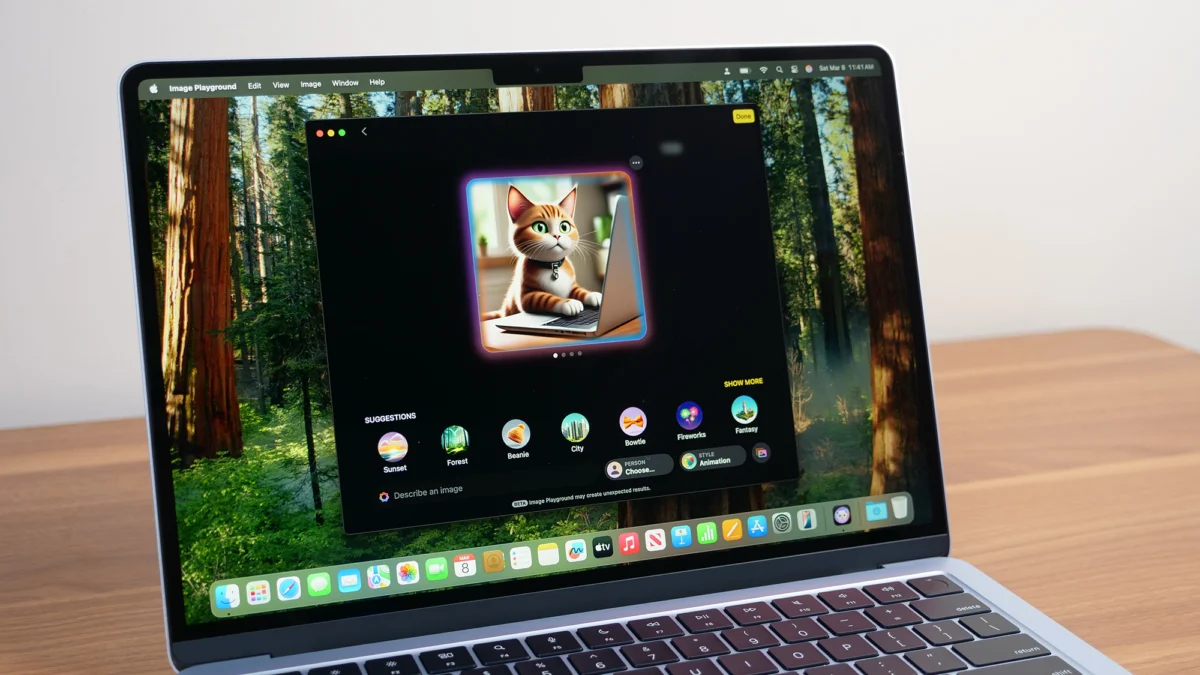











The technology sector is currently experiencing a profound transition in display engineering, semiconductor manufacturing, and consumer hardware expectations. This week, Tom’s Hardware Premium has published a comprehensive suite of deep-dive analyses, exclusive interviews, and strategic roadmaps examining these shifting landscapes. Among the chief focal points of this week’s premium coverage is a detailed investigation by laptop expert Andrew Freedman into Apple’s projected product roadmap, specifically concerning the anticipated introduction of touch-enabled OLED—potentially branded as PROLED—displays slated for a 2026 release.
While the broader consumer electronics market has normalized touchscreens and organic light-emitting diode panels over the past decade, Apple’s deliberate, measured approach to hardware evolution highlights a calculated strategy. This development forms the centerpiece of a broader week of premium journalism that also encompasses semiconductor foundry updates, GPU architectures, and legacy hardware retrospectives. Access to these specialized features requires an active Tom’s Hardware Premium subscription, underscoring the publication’s commitment to rigorous, subscriber-funded investigative reporting.
Apple’s 2026 OLED and Touchscreen Trajectory: Catching Up or Charting a New Path?
The prospect of Apple integrating touch functionality and OLED panels into its flagship portable computers has been a subject of intense industry speculation for years. For well over a decade, Windows-based laptops from manufacturers such as Dell, HP, Lenovo, and Microsoft have featured touchscreen capabilities as standard offerings across various price tiers. Furthermore, OLED panel technology has steadily transitioned from a high-end luxury in television sets and niche mobile devices to a ubiquitous display standard, celebrated for its infinite contrast ratios, true blacks, and superior energy efficiency in dark-mode environments.
In the flagship premium feature for Tom’s Hardware, Andrew Freedman explores the operational and strategic justifications behind Apple’s delayed adoption curve. Industry analysts note that Apple historically waits for component supply chains to mature sufficiently to meet its stringent volume, color accuracy, and margin requirements before pivoting display technologies. By targeting 2026 for the rollout of touch-enabled OLED screens—reportedly under consideration for branding as PROLED—Apple aims to redefine the ergonomic and visual standards of its portable workstation lineup.
Freedman’s analysis investigates the technical hurdles Apple faces in bridging the gap between macOS, which has traditionally been optimized for mouse and keyboard input, and touch-based navigation. Unlike iPadOS, which was built from the ground up for multi-touch interactions, macOS requires careful interface modifications to prevent accidental inputs and ergonomic fatigue. Additionally, engineering a touch-sensitive OLED layer without compromising display thinness, battery life, or structural rigidity presents significant manufacturing challenges. The feature evaluates the likelihood of Apple staggering this rollout, potentially debuting the technology on specific iPad Pro or high-end MacBook Pro models before gradually trickling the functionality down to the rest of its device ecosystem.
The Semiconductor Landscape: Foundries and Silicon Roadmap Updates
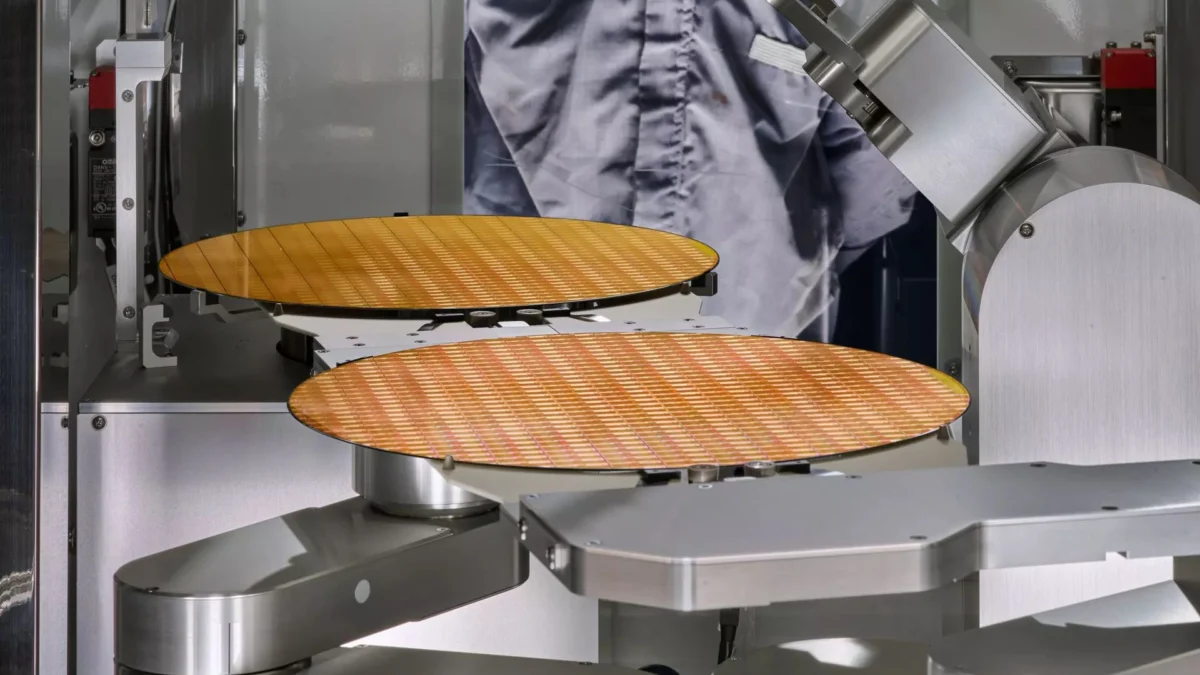
Beyond consumer device interfaces, this week’s premium lineup addresses the foundational layer of modern computing: semiconductor manufacturing and silicon architecture. As global foundries navigate the complexities of sub-2nm nodes, gate-all-around (GAA) transistor architectures, and extreme ultraviolet (EUV) lithography, the economics of hardware production are shifting dramatically.
Subscribers gained access to exclusive roadmaps detailing how major fabrication players are managing yield rates and capacity constraints. With AI accelerators, data center GPUs, and consumer processors all competing for limited advanced-node foundry space, supply chain resilience remains a critical board-level concern for tech conglomerates. Tom’s Hardware’s technical editors dissected the latest yield metrics and production schedules, offering institutional investors and hardware enthusiasts a clear picture of what to expect as silicon fabrication moves further into the angstrom era.

Chronology of Display Evolution in Consumer Laptops
To fully understand the significance of Apple’s upcoming 2026 hardware shift, it is instructive to examine the chronological progression of display and input technologies within the broader portable PC market over the past fifteen years:
- 2011–2013: Windows manufacturers begin aggressively introducing multi-touch displays to capitalize on the launch of Windows 8, establishing touch capability as a standard premium feature in notebooks and convertible form factors.
- 2016: Apple introduces the Touch Bar on MacBook Pro models, a localized OLED strip meant to serve as an intermediary step between traditional function keys and full touchscreen integration. The experiment receives mixed consumer and developer feedback.
- 2019–2021: OLED panels begin appearing more frequently in high-end Windows laptops, offering unprecedented contrast ratios and color gamuts, though concerns regarding burn-in and power consumption persist.
- 2022–2023: Apple transitions its iPad Pro lineup to tandem OLED architecture, achieving higher peak brightness and longevity, which industry insiders view as a crucial testbed for future Mac implementations.
- 2024–2025: Rumors crystallize regarding supply chain investments by major display manufacturers to scale up production capacities specifically tailored for Apple’s upcoming multi-touch laptop panels.
- 2026 (Projected): The anticipated commercial debut of Apple’s touch-enabled OLED display technology across select high-end portable computing devices.
Implications for the Competitive Hardware Market
The impending shift by the world’s most valuable technology company carries wide-ranging implications for component suppliers, competing OEMs, and software developers. From an economic perspective, Apple’s entry into the mass procurement of large-format touch OLED panels will drastically alter supply chain dynamics. Display panel manufacturers such as Samsung Display and LG Display are reportedly investing billions of dollars in specialized fabrication lines to accommodate Apple’s stringent specifications. This capital expenditure will likely accelerate manufacturing efficiencies, potentially driving down OLED production costs across the entire industry and making the technology more accessible for Windows-based competitors.
From a competitive standpoint, Apple’s adoption of touchscreens on laptops challenges its long-held corporate stance. For years, company executives argued that vertical touchscreens on laptops led to poor ergonomics—often referred to as "gorilla arm" syndrome—and that touch interfaces belonged exclusively on tablets and mobile devices. A reversal on this policy in 2026 would signal a concession to changing consumer preferences, particularly among younger demographics who have grown up interacting natively with touch-sensitive displays on smartphones and educational tablets.
Furthermore, software developers will face new pressures to optimize applications for dual input modalities. While developers have long maintained parallel interfaces for macOS and iPadOS, a convergence of these form factors necessitates unified design paradigms. Companies specializing in professional creative software—such as Adobe, Autodesk, and Blackmagic Design—will likely need to adapt their UI/UX frameworks to accommodate seamless transitions between trackpad, keyboard, and direct finger or stylus input on portable Macs.
Broader Editorial Scope of Tom’s Hardware Premium
The inclusion of the Apple OLED feature and semiconductor deep dives highlights the multifaceted mission of Tom’s Hardware Premium. Helmed by subscription editor Sayem Ahmed—a veteran tech journalist reporting on hardware since 2015 with contributions to major outlets including GameSpot, IGN, and Dexerto—the platform aims to deliver rigorous, unbiased, and technically exhaustive journalism.
The weekly curation is designed to strip away marketing hype, providing readers with verifiable data, historical context, and expert analysis. As hardware cycles accelerate and the lines between mobile, desktop, and cloud computing continue to blur, such analytical depth remains essential for industry professionals, system builders, and technology consumers striving to navigate a rapidly evolving marketplace.