









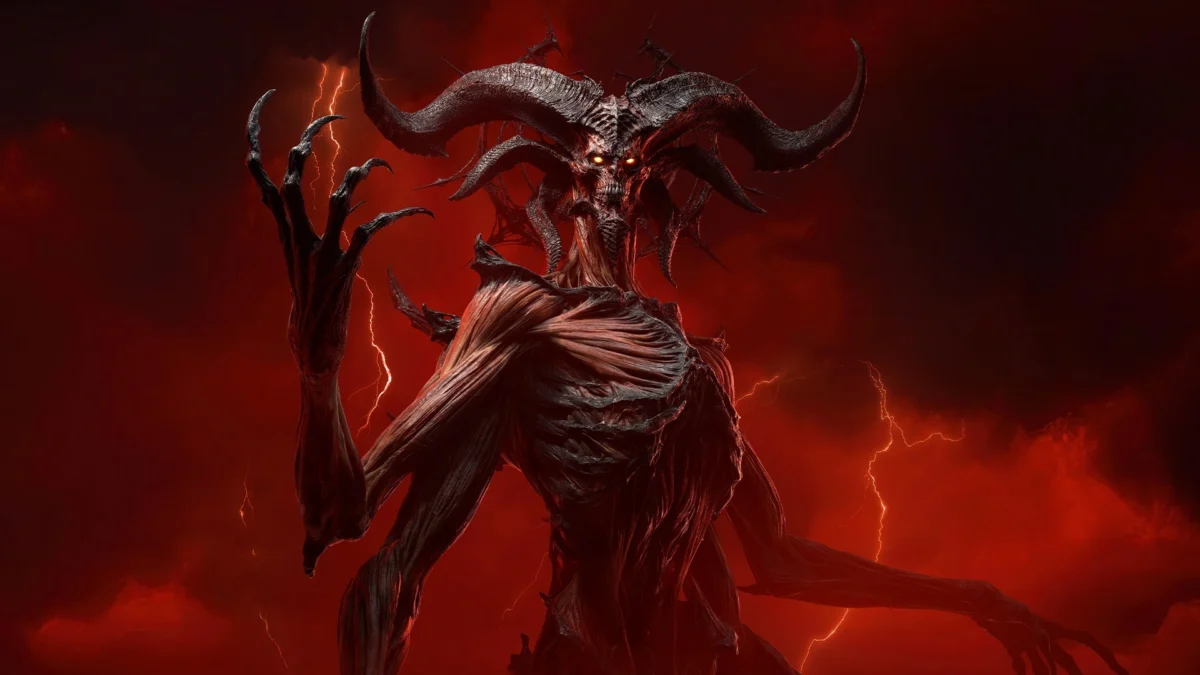
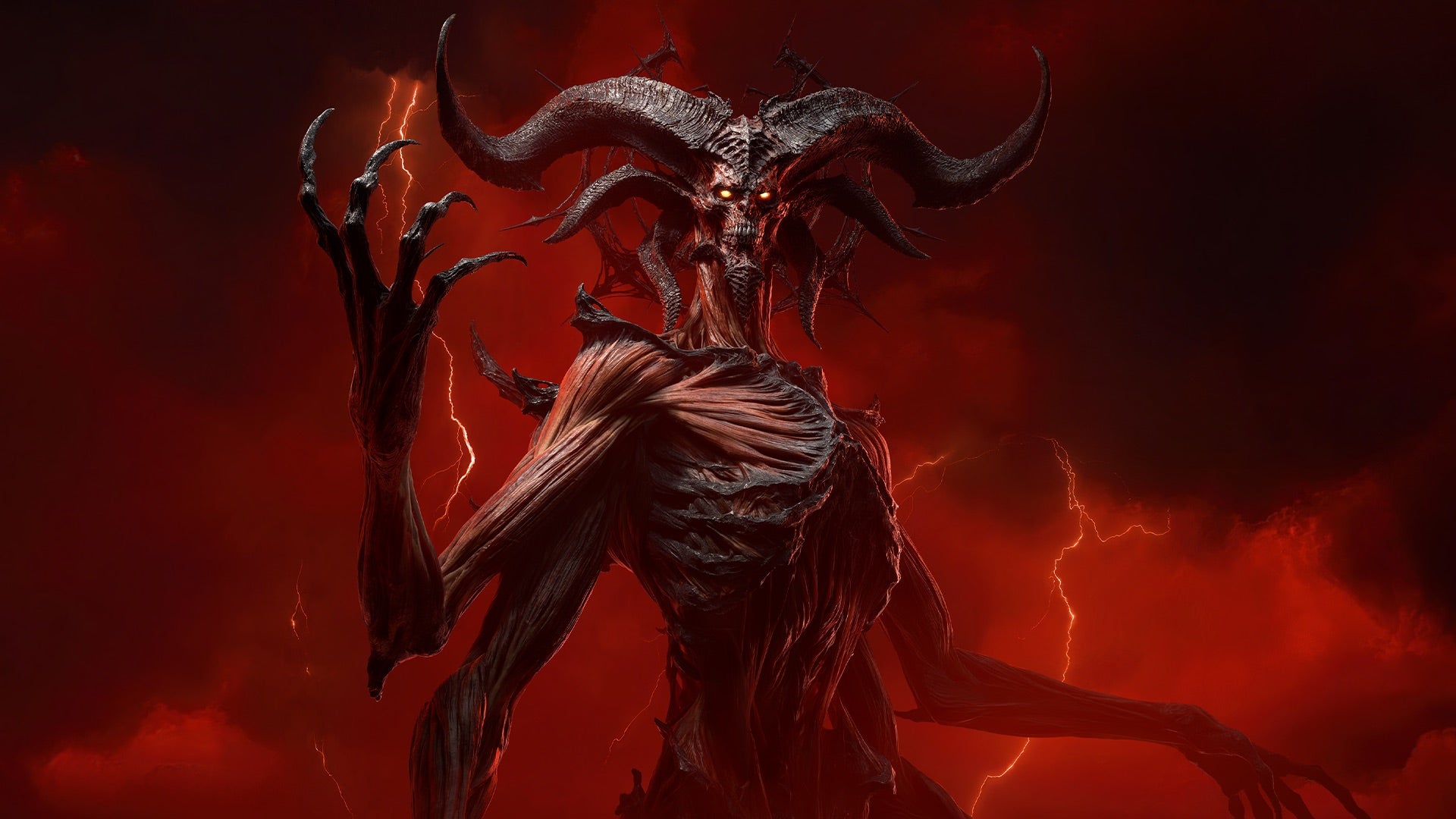
Blizzard Entertainment’s latest major expansion, Diablo 4: Lord of Hatred, successfully concludes the overarching narrative arc that began with the base game’s launch. Arriving following the mixed reception of the previous expansion, Vessel of Hatred, this new release introduces substantial structural overhauls, a deeply narrative-driven campaign, and significant mechanical additions designed to address long-standing player feedback within the action role-playing game (ARPG) genre.
Campaign Narrative and Setting
The plot of Lord of Hatred picks up immediately after the events of Vessel of Hatred. Protagonist Neyrelle continues her arduous journey across Sanctuary, desperately seeking a permanent solution to prevent Mephisto, the Lord of Hatred, from breaking free of the containment stone established at the conclusion of Diablo 4.
This quest leads players to the Skovos Isles, a newly introduced region modeled closely after Mediterranean aesthetics, featuring traditional red-tiled roofs, textured stucco walls, and intricate cobblestone layouts reminiscent of Aegean architecture. In traditional Diablo lore, Skovos holds profound significance as the birthplace of humanity’s progenitors and the descendants of Lilith and Inarius. Governed by a matriarchal society of warrior Amazons inspired by classic mythological tropes, Skovos provides a dense, visually distinct landscape that contrasts sharply with the jungles of Nahantu introduced in the previous expansion.
The narrative campaign spans roughly 30 hours of gameplay, focusing heavily on concise storytelling with minimal filler. Notably, the campaign reintroduces key figures from the core game, including Lilith, whose depleted power reveals vulnerable dimensions of her character previously unexplored in the base game. Blizzard’s narrative direction emphasizes emotional resonance, high-stakes consequences, and a decisive conclusion to the multi-year story arc.
New Character Classes and Mechanical Additions
Lord of Hatred expands the game’s roster by officially integrating two distinct classes: the Paladin and the Warlock.

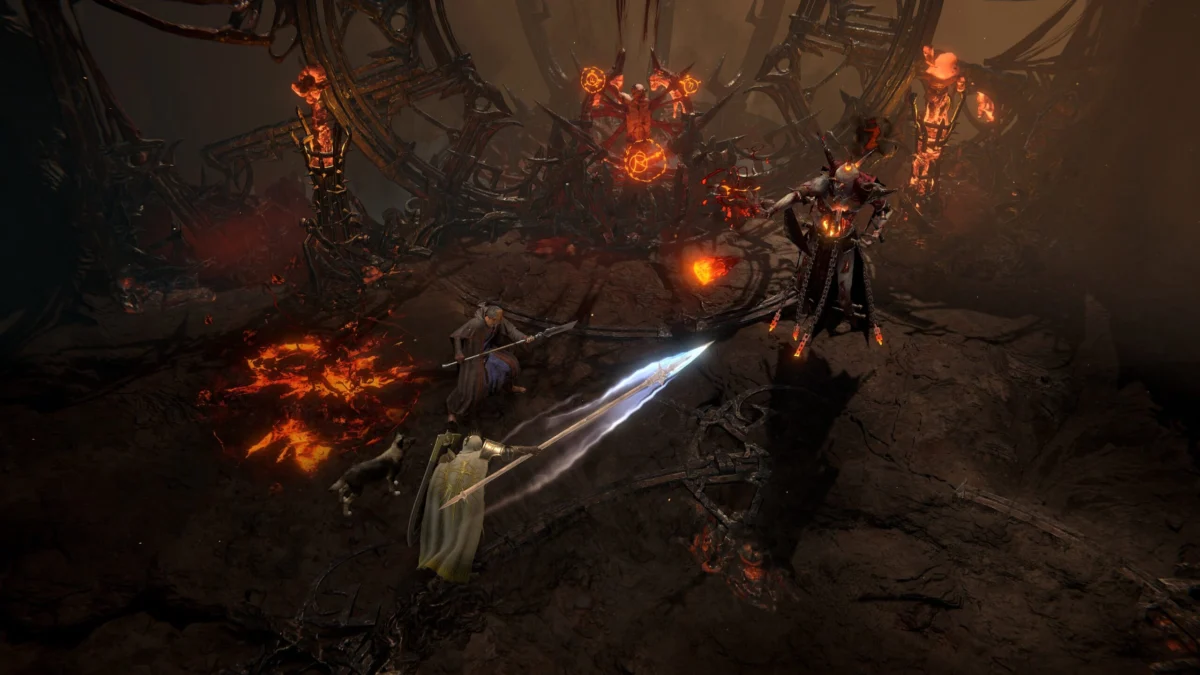
The Paladin class shadow-dropped in December preceding the expansion’s full release, filling a long-standing void for a traditional sword-and-board archetype within Diablo 4. Drawing inspiration from historical iterations across the franchise, the Paladin incorporates defensive shield mechanics alongside celestial abilities.
Conversely, the Warlock introduces a complex hybrid playstyle merging the summoner mechanics of the Necromancer with the elemental spellcasting of the Sorcerer. Designed for advanced players, the Warlock requires tactical management of disposable minions, temporary buffs, and sacrifice mechanics to maximize battlefield efficiency.
Beyond the classes, the expansion raises the level cap to 70, implementing reworked talent trees that democratize powerful passive abilities previously locked behind specific Legendary gear drops.

Core Systems and Endgame Enhancements
To address historical criticisms regarding endgame repetition and loot stagnation, Blizzard has incorporated several foundational systems into Lord of Hatred:
- The Talisman: A dedicated slot providing foundational statistical boosts, passive traits, and utility enhancements, such as expanded potion capacity and improved evasion mechanics.
- The Horadric Cube: A returning fan-favorite utility allowing players to upgrade item rarity, reroll specific affixes, and mitigate RNG-related progression walls without relying entirely on acquiring Mythic Unique items.
- War Plans: A newly introduced endgame feature that gamifies repetitive activities. Players can construct custom playlists of preferred endgame dungeons and run types, earning cumulative progression and bonus rewards distinct from standard activity drops.
Background and Context
Diablo 4 launched in June 2023 to commercial success, though its subsequent live-service model faced continuous scrutiny from the player base regarding balance patches, seasonal content quality, and monetization frameworks. The release of the first expansion, Vessel of Hatred, in late 2024, introduced the popular Spiritborn class but drew criticism for a lightweight narrative scope.
Lord of Hatred represents a concerted effort by Blizzard Entertainment to recalibrate the game’s long-term trajectory, blending heavy fan-service requests—such as the inclusion of the Paladin and Horadric Cube—with a definitive narrative conclusion. Industry analysts note that expansions of this scale are critical for maintaining player retention in the fiercely competitive live-service ARPG market, currently populated by titles like Path of Exile 2 and Last Epoch.

Broader Impact and Industry Implications
The critical reception of Lord of Hatred suggests that Blizzard has successfully addressed core community pain points regarding end-game variety and narrative depth. By streamlining loot progression through the Horadric Cube and structuring endgame activities via War Plans, the developers have established a more resilient foundation for future seasonal updates.
As the definitive closing chapter to the initial Diablo 4 saga, Lord of Hatred sets a high performance and narrative benchmark for subsequent content updates, reinforcing the franchise’s enduring technical and artistic production value within the modern gaming landscape.