







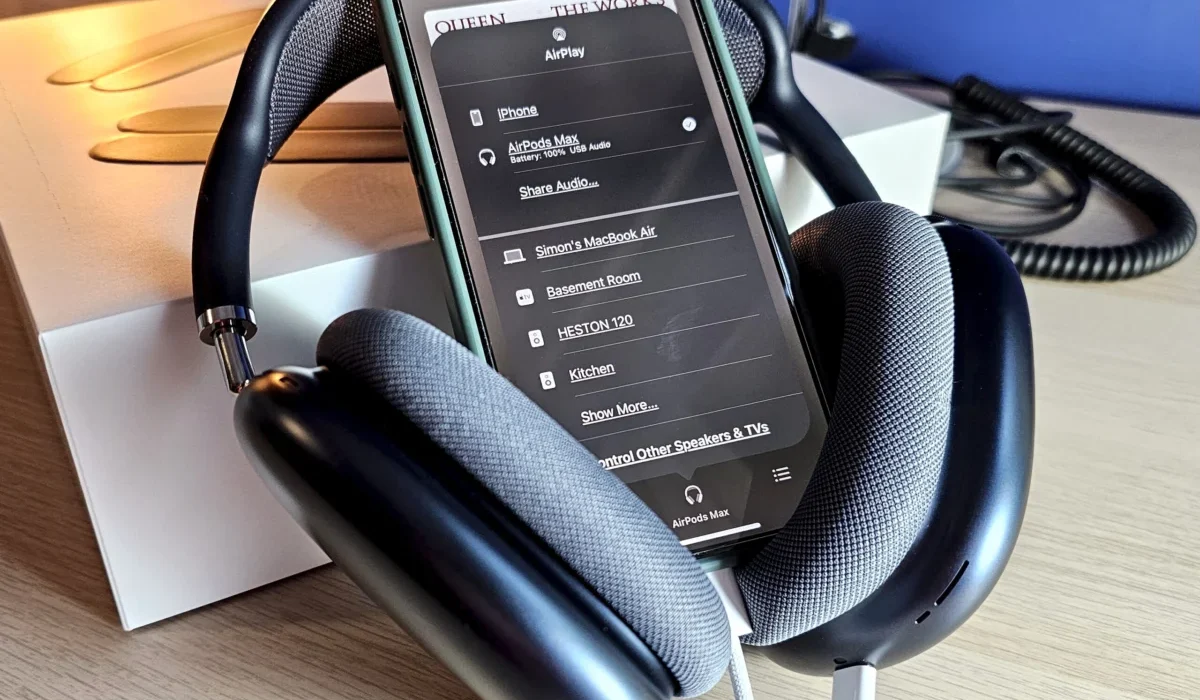
This development marks a significant shift in the wireless landscape. By drastically increasing the data transmission capacity of Bluetooth-enabled devices, the industry is paving the way for native, high-resolution, and lossless audio streaming that does not rely on manufacturer-specific, proprietary workarounds.
The Technical Evolution: Bridging the Bandwidth Gap
At the heart of the current audio limitation is the throughput capacity of existing Bluetooth standards. Bluetooth Low Energy (LE) Audio, the current industry standard for power efficiency and reliable streaming, generally operates with a maximum throughput of approximately 2 Mbps. While this is sufficient for standard compressed audio, it creates a "ceiling" that prevents the transmission of high-resolution, lossless, or multi-channel audio files without significant compression artifacts.

Bluetooth High Data Throughput effectively shatters this ceiling. By utilizing a new radio communication methodology, the HDT feature within the Core 7.0 specification elevates this capacity to 7.5 Mbps—nearly four times the bandwidth of the previous iteration. This increase is not merely a quantitative upgrade; it is a qualitative shift. At 7.5 Mbps, the protocol can support the massive data packets required for high-resolution audio files (often 24-bit/96kHz or higher) to be transmitted wirelessly without the aggressive downsampling that currently defines the wireless audio experience.
A Chronology of Wireless Audio Progress
The journey toward this milestone has been characterized by incremental improvements in codec technology rather than fundamental changes to the transport layer.
- Early 2000s: Bluetooth 1.0 and 2.0 introduced basic wireless audio, but the SBC codec provided subpar quality, often described as "tinny" or "compressed."
- 2010s: The rise of A2DP and better codecs like aptX and AAC improved the experience, yet still struggled with high-bitrate content.
- 2020: The introduction of Bluetooth LE Audio and the LC3 codec prioritized energy efficiency and multi-stream capabilities, laying the groundwork for more sophisticated data management.
- 2025-2026: Development of Bluetooth Core 7.0 began, focusing on the integration of higher-frequency radio communication to address the demand for high-fidelity consumer electronics.
- Late 2026: Formal announcement of Bluetooth High Data Throughput (HDT), signaling a shift toward universal support for high-bitrate streaming.
This timeline illustrates that the industry has spent two decades trying to optimize the "pipe" through which audio flows. With HDT, the pipe is finally wide enough to accommodate the full spectrum of high-fidelity sound.

The Standardization Factor: Ending Proprietary Silos
One of the most significant implications of the HDT announcement is the move toward a globally recognized standard. Currently, users who desire high-fidelity wireless audio are often forced into ecosystem-specific hardware. For instance, certain manufacturers utilize proprietary codecs that only function when both the smartphone and the headphones originate from the same brand or a specific hardware partner.
These proprietary solutions have created a fragmented market where consumers must navigate a complex landscape of codec compatibility. By formalizing HDT as a core part of the Bluetooth standard, the Bluetooth SIG is effectively creating a level playing field. Any device that complies with the Bluetooth 7.0 specification will be capable of handling the increased data throughput, regardless of the manufacturer. This interoperability is expected to catalyze a shift in the market, making lossless audio an expected feature rather than a niche "premium" offering locked behind brand loyalty.
Implications Beyond Audio: Beyond the Headphones
While the consumer audio industry is the most visible beneficiary of HDT, the implications for the broader Internet of Things (IoT) ecosystem are equally profound. The Bluetooth SIG has emphasized that this update is designed to accommodate the next generation of smart technology.

The increased bandwidth supports faster synchronization for smartwatches, enabling them to offload more intensive data tasks—such as real-time health diagnostics or high-resolution imagery—directly to a connected smartphone. Furthermore, the technology is expected to play a critical role in the development of lightweight Augmented Reality (AR) and Virtual Reality (VR) headsets. These devices require rapid data transfer for tracking and environmental mapping; HDT provides the necessary "headroom" to ensure these interactions remain fluid and responsive.
Industrial and smart home sectors will also see efficiency gains. As IoT devices grow more sophisticated, requiring frequent firmware updates and complex data exchanges, the ability to transmit more data in less time—and subsequently power down the radio module faster—will result in significant battery life improvements for sensors, smart locks, and environmental monitors.
Battery Life and Energy Efficiency
The relationship between data throughput and battery consumption is a common point of contention for consumers. Historically, higher performance meant higher power draw. However, the architecture of HDT is designed to mitigate this. Because the protocol can transfer a larger volume of data in a shorter burst, the device’s radio can enter a low-power "sleep" state much sooner than it could under the current 2 Mbps limit.

Industry experts note that while this represents an efficiency gain, the real-world battery life will depend heavily on the implementation by hardware manufacturers. While the protocol facilitates power savings, the additional processing power required to decode high-resolution audio or manage complex AR data streams could offset these gains. Consumers should expect to see manufacturers market "HDT-optimized" devices that balance high-fidelity output with power-management chips designed to maximize playtime.
Official Responses and Industry Outlook
While specific battery-life benchmarks have yet to be standardized, the industry response to the announcement has been largely optimistic. Representatives from major semiconductor and audio component manufacturers have indicated that the transition to Bluetooth 7.0 will likely be prioritized in flagship devices arriving in 2027.
The fact that HDT is an "optional" feature in the specification, however, has drawn some scrutiny from analysts. Because brands can choose whether or not to include the full HDT suite in their hardware, there is a risk that the benefits may be reserved for premium, high-cost tiers of equipment. This could lead to a two-tier market, where entry-level devices continue to utilize legacy standards, while high-end devices market "HDT-Ready" as a primary differentiator.

The Road Ahead: 2027 and Beyond
As the industry prepares for the arrival of Bluetooth 7.0-compliant devices, the focus shifts to hardware adoption cycles. Smartphone manufacturers, audio brands, and smart device makers are currently in the integration phase of the new core specification.
The transition will likely be gradual. Consumers should not expect an overnight revolution in their existing headphone collections; the benefits of HDT require hardware support at both the source (the phone/player) and the sink (the headphones/speakers). As a result, the full impact of this high-speed boost will likely manifest in 2027, as new flagship smartphones and wireless audio peripherals begin to hit the market.
Ultimately, the move toward High Data Throughput represents a recognition that the consumer demand for quality has caught up to the technical limitations of wireless communication. For the listener who has kept a pair of wired headphones in their bag as a "safety net" for high-fidelity playback, the arrival of this standard may finally signal the time to leave the wires behind. The wireless audio landscape is entering a new chapter, one defined by the ability to transmit sound with the fidelity, depth, and precision that the original creators intended, all without the need for a physical cable.