





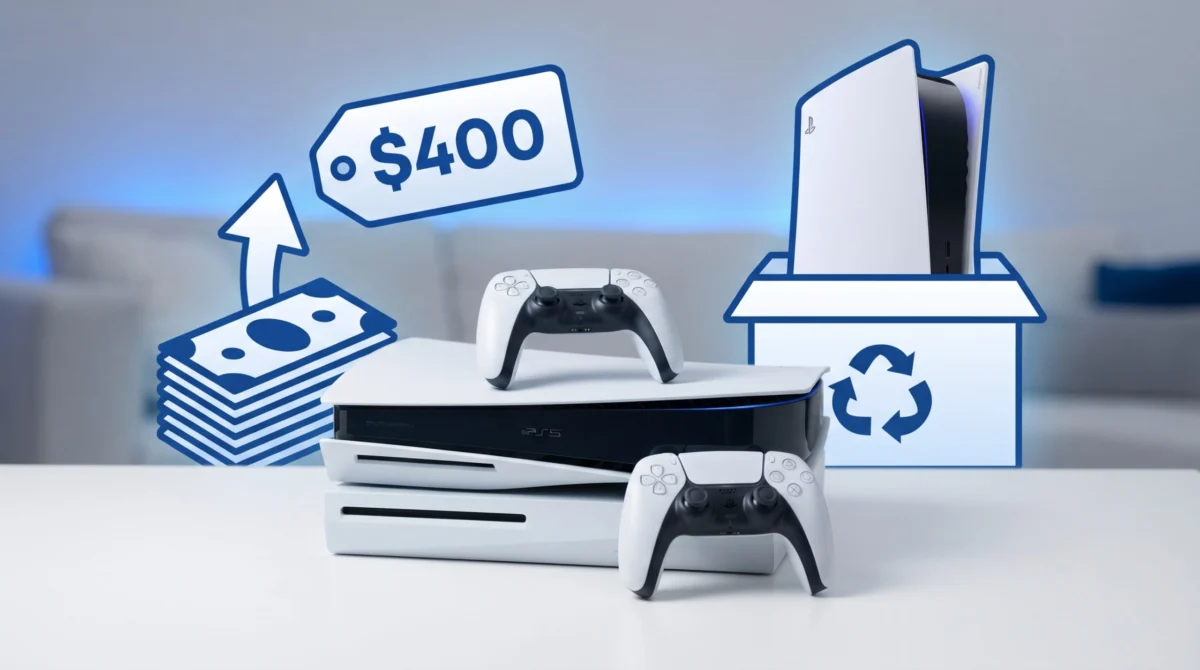
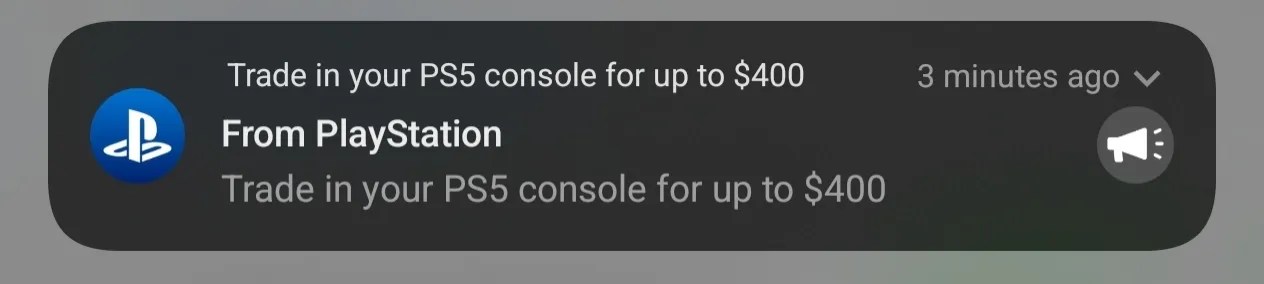
Sony Interactive Entertainment has officially inaugurated a new trade-in initiative for PlayStation 5 owners residing in the United States, providing a structured pathway for consumers to monetize their unused or underutilized gaming consoles. By partnering with the reputable resale platform Back Market, Sony is facilitating a streamlined buyback process that allows users to exchange their current hardware for cash. This strategic move, which has surfaced through targeted promotional notifications sent to existing users, marks a significant shift in how console manufacturers manage the lifecycle of their flagship devices in an increasingly volatile global hardware market.
The program currently offers participants the potential to receive up to $400 for a standard PlayStation 5 console, provided it is bundled with two DualSense controllers. This valuation, however, is not guaranteed; the final payout is contingent upon a comprehensive inspection of the hardware by Back Market, ensuring that the device meets the company’s stringent quality and functionality standards. This initiative serves as a formal entry into the circular economy for Sony, transforming idle gaming assets into liquid capital for consumers while simultaneously bolstering the supply of refurbished units available on the secondary market.
Chronology and Strategic Context
The emergence of this buyback program follows a series of market shifts that have redefined the gaming hardware landscape over the past two years. Since the launch of the PlayStation 5 in late 2020, the industry has navigated severe supply chain disruptions, chip shortages, and shifting consumer demand. As the console reaches a more mature stage in its product lifecycle, Sony, much like its primary competitor Microsoft, has begun to explore ways to maintain momentum and ensure that its hardware remains accessible to a broader demographic.
Microsoft recently pioneered a similar strategy, reaching out to Xbox Series X and Series S users with comparable buyback proposals. These initiatives are not merely coincidental; they reflect a concerted effort by major console manufacturers to optimize inventory management. By reclaiming units from users who may have migrated to PC gaming, upgraded to newer iterations of the console, or simply ceased playing, companies can refresh these devices and reintroduce them to the market at a lower price point. This tactic effectively broadens the total addressable market for the PlayStation ecosystem without requiring the immediate manufacturing of new, cost-intensive hardware.
Supporting Data and Economic Drivers
The global video game hardware market is currently grappling with rising production costs and persistent supply chain pressures, particularly regarding advanced memory components. Industry analysts have noted that the price of DRAM and NAND flash, which are critical for the performance of modern consoles, remains subject to market fluctuations. These constraints have occasionally impacted the availability of new hardware, forcing manufacturers to reconsider their inventory distribution strategies.

According to market research, the pre-owned electronics market has seen a compound annual growth rate (CAGR) of over 10% in the last three years. This surge is driven by a combination of inflationary pressures on consumer discretionary spending and a growing environmental consciousness regarding electronic waste. Sony’s partnership with Back Market—a platform specializing in refurbished electronics—positions the company to capture a share of this growing segment while maintaining control over the quality and branding of the refurbished products circulating in the wild.
The Logic Behind the Ecosystem Play
While the $400 cash incentive is the immediate draw for consumers, the underlying motivation for Sony is deeply rooted in the expansion of its digital ecosystem. A console sitting idle in a living room cabinet represents a lost opportunity for recurring revenue. By reintroducing these units to active users, Sony creates new touchpoints for digital storefront sales, recurring subscriptions like PlayStation Plus, and the purchase of high-margin peripherals and accessories.
The digital ecosystem is the primary engine of profit for modern gaming giants. Each active PlayStation 5 console represents a potential subscriber to PS Plus, a buyer of downloadable content (DLC), and a participant in the PlayStation Store ecosystem. By facilitating the resale of these consoles, Sony ensures that more devices are in the hands of players who are likely to engage with the platform, thereby increasing the velocity of transactions within the PlayStation Network.
Furthermore, this inventory strategy appears to be timed in anticipation of major software releases. With high-profile titles such as Rockstar Games’ Grand Theft Auto VI on the horizon, the demand for current-generation hardware is expected to spike. By priming the market with refurbished units, Sony is essentially lowering the barrier to entry for fans who wish to experience these landmark titles but may be deterred by the premium price of a brand-new, retail-packaged console.
Regional Limitations and International Outlook
As of the current announcement, the trade-in initiative is restricted to the United States. Consumers in other regions, including major markets like Brazil and various European territories, have yet to receive similar offers. In these international markets, the secondary hardware trade remains largely dominated by peer-to-peer marketplaces and independent retail chains.
The absence of an official program in these regions highlights the complexities of global logistics and regional retail partnerships. Operating a buyback program requires a robust infrastructure for shipping, testing, refurbishing, and redistribution. While Sony has mastered this in the U.S. through its collaboration with Back Market, scaling this operation globally involves navigating varying regulatory environments, import/export laws, and regional consumer protection statutes.
Industry Implications and Future Trends
The introduction of this initiative is likely to have ripple effects across the gaming industry. Other manufacturers and retailers may feel compelled to formalize their own trade-in programs to remain competitive. Furthermore, the move toward circular hardware models is being welcomed by environmental advocates who argue that the gaming industry must address the carbon footprint associated with manufacturing and discarding electronics.
From a financial perspective, this initiative allows Sony to manage the depreciation of its hardware assets more effectively. By providing a floor for the resale value of a PlayStation 5, the company maintains the perceived value of its brand, ensuring that consumers are less likely to see their hardware as a "sunk cost" and more as an asset that retains value over time.
As the industry moves toward a future where the distinction between physical and digital gaming continues to blur, hardware availability will remain a cornerstone of market share battles. If Sony’s U.S. experiment proves successful—measured by the number of units reclaimed and the subsequent increase in digital engagement—it is highly probable that the program will expand to other major territories, further cementing the role of the circular economy in the future of home console gaming.
For now, American PlayStation 5 owners are encouraged to monitor their notifications and visit the official portal to verify their eligibility. As the program progresses, the data gathered by Sony and its partners will provide valuable insights into the secondary market’s resilience and the ongoing demand for high-performance gaming hardware in a period of economic transition. The convergence of corporate strategy, consumer benefit, and environmental sustainability suggests that the "buyback" model may soon become a permanent fixture in the gaming landscape, shifting the focus from simple unit sales to the long-term lifecycle management of the entire PlayStation ecosystem.