









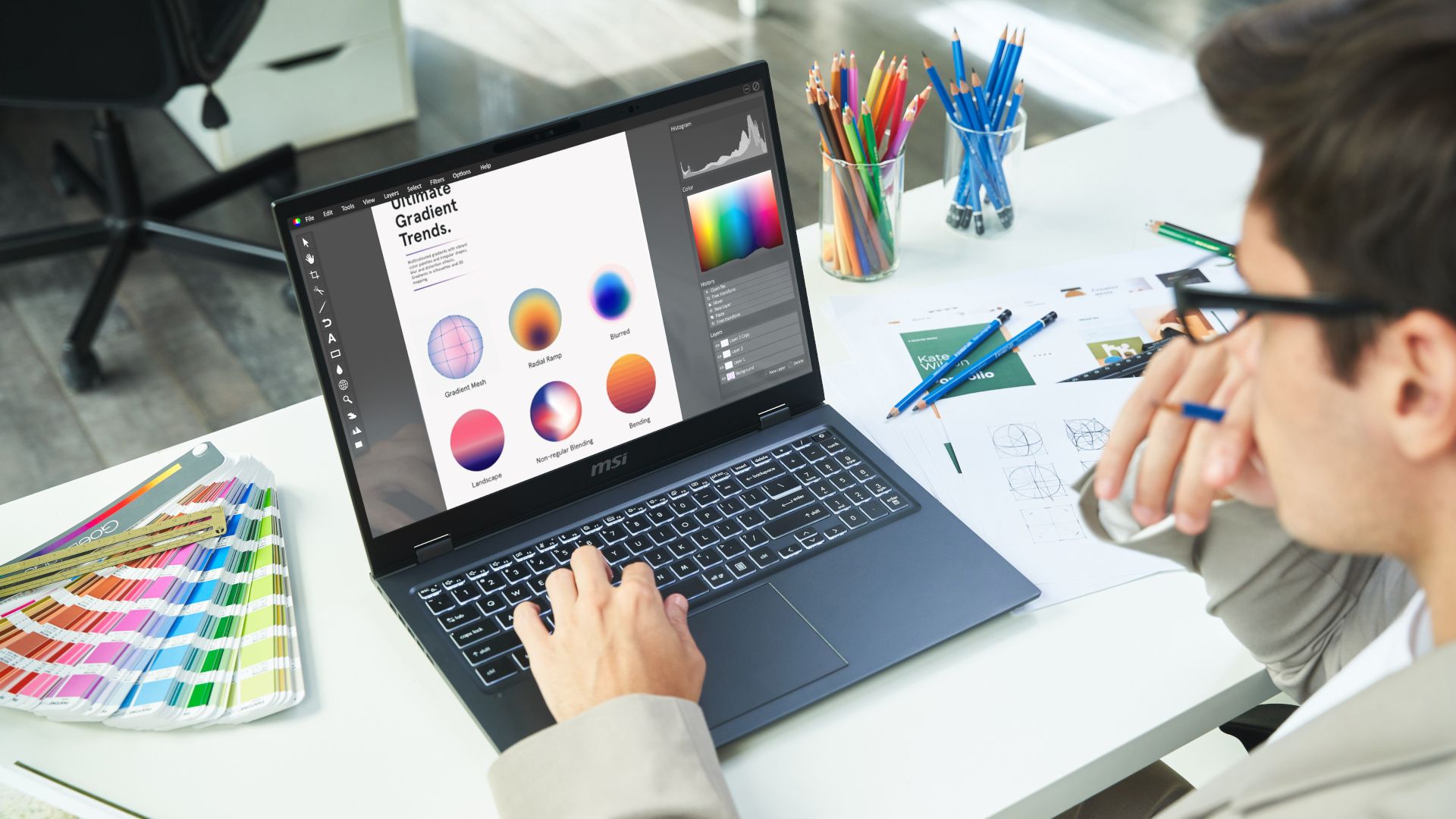
High-resolution displays have transitioned from a luxury feature to a fundamental necessity for modern digital professionals. As the demand for visual fidelity increases among graphic designers, video editors, and 3D animators, the market for 4K-enabled portable computing has expanded significantly. A 4K display, which offers four times the pixel density of a standard 1080p (FHD) screen, provides the level of detail required for color-critical work and complex visual workflows. To ensure these screens meet professional standards, industry experts evaluate them based on the DCI-P3 color gamut—the gold standard for digital cinema—which covers 25% more color space than the traditional sRGB standard.
Understanding the Technical Requirements for 4K Performance
Achieving a 4K resolution on a mobile form factor presents distinct engineering challenges, particularly regarding power consumption and thermal management. A 4K panel requires significant GPU overhead to drive the millions of additional pixels, which can lead to increased power draw and higher operating temperatures. Current industry benchmarks indicate that for a display to be considered professional-grade, it must cover at least 85% of the DCI-P3 color gamut. Displays falling below this threshold often struggle to reproduce the vibrant, accurate palettes required for professional color grading and high-end graphic design.
Furthermore, the integration of OLED technology has revolutionized the 4K laptop landscape. Unlike traditional IPS panels, which rely on a backlight, OLED technology allows individual pixels to emit their own light. This architecture results in true-black levels and near-infinite contrast ratios, providing a depth of image that traditional displays cannot replicate.
Top-Tier Selections for 2025
The landscape of high-resolution laptops is currently dominated by machines that balance raw processing power with display fidelity. As of mid-2025, the market is led by several key models that have set new benchmarks for performance and visual accuracy.
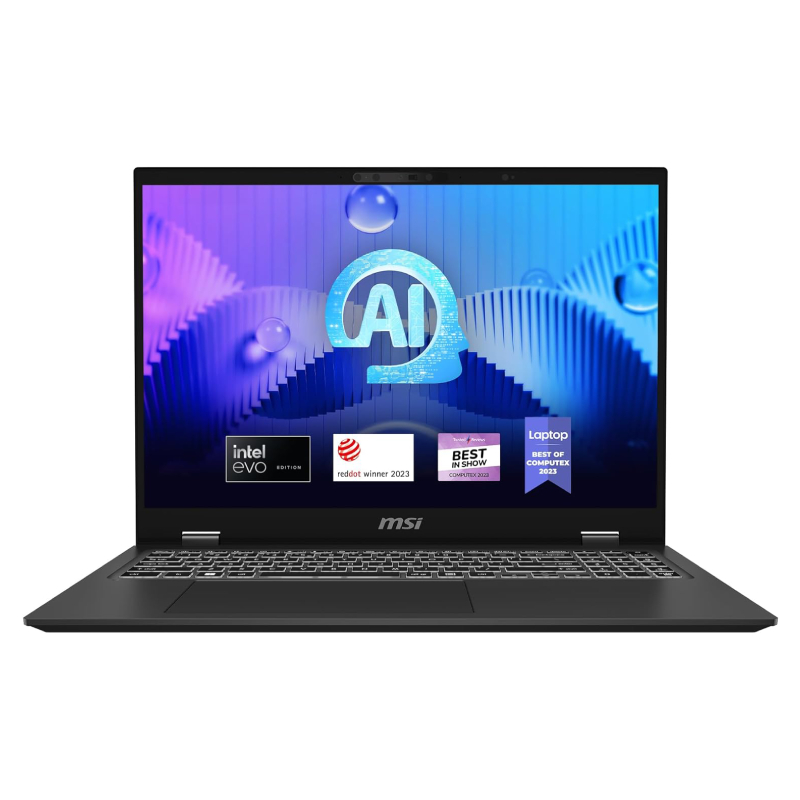
MSI Prestige 16 AI Evo: The Versatile Powerhouse
The MSI Prestige 16 AI Evo remains a cornerstone for users seeking a balance between portability and 4K capability. Powered by the Intel Core Ultra 7 155H processor, the device achieves a notable Geekbench 6 multi-core score of 13,310. Its 16-inch OLED display is its primary selling point, covering 137.9% of the DCI-P3 color gamut. This device represents a shift toward AI-integrated hardware, allowing for more efficient power management, which enables the laptop to sustain over 13 hours of battery life—a significant achievement for a 4K-capable machine.
MSI Raider 18 HX AI: The Desktop Replacement
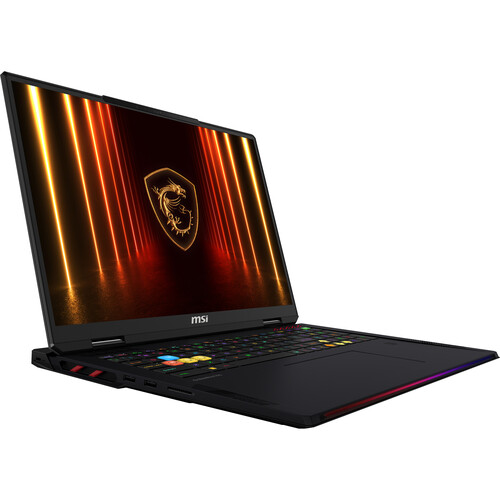
For gaming professionals and high-end video editors, the MSI Raider 18 HX AI functions as a mobile workstation. Equipped with an Intel Core Ultra 9 285HX and an Nvidia RTX 5080 GPU, this machine is designed for tasks that require massive computational throughput. Its 18-inch Mini-LED display reaches a peak brightness of 668 nits, providing exceptional visibility in high-light environments. While the device sacrifices battery life—averaging only 2 hours and 33 minutes—its performance in transcoding and 3D rendering makes it an essential tool for those who prioritize raw speed over portability.
Asus ProArt P16: The Creator’s Choice
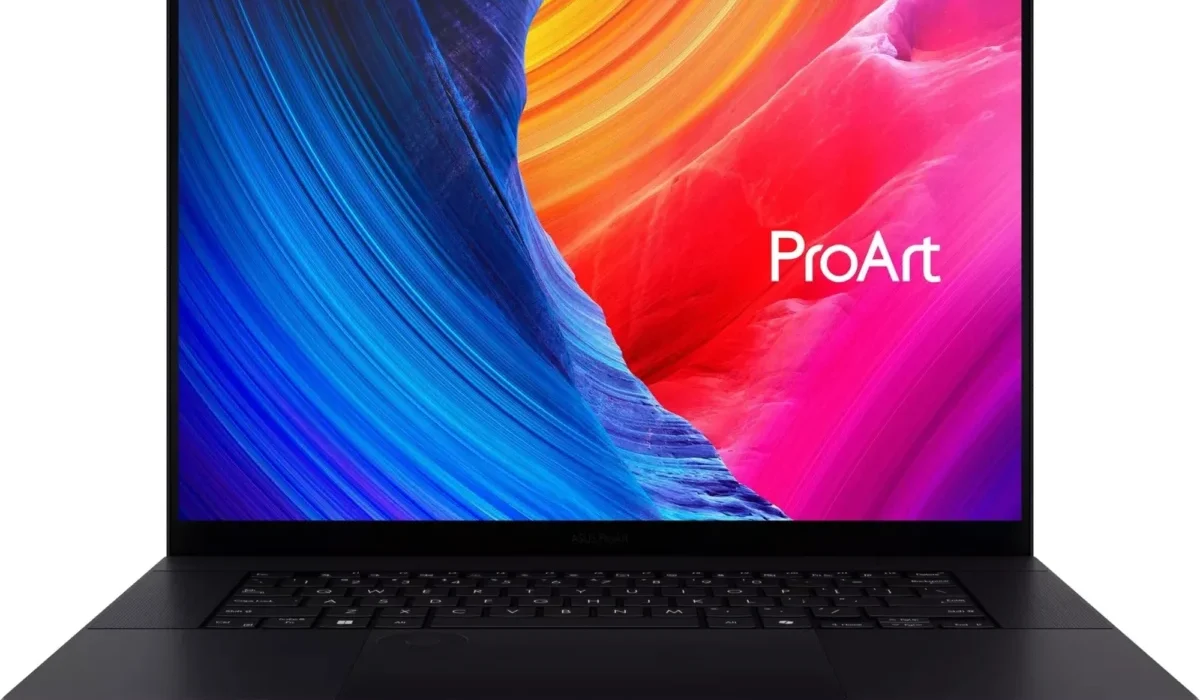
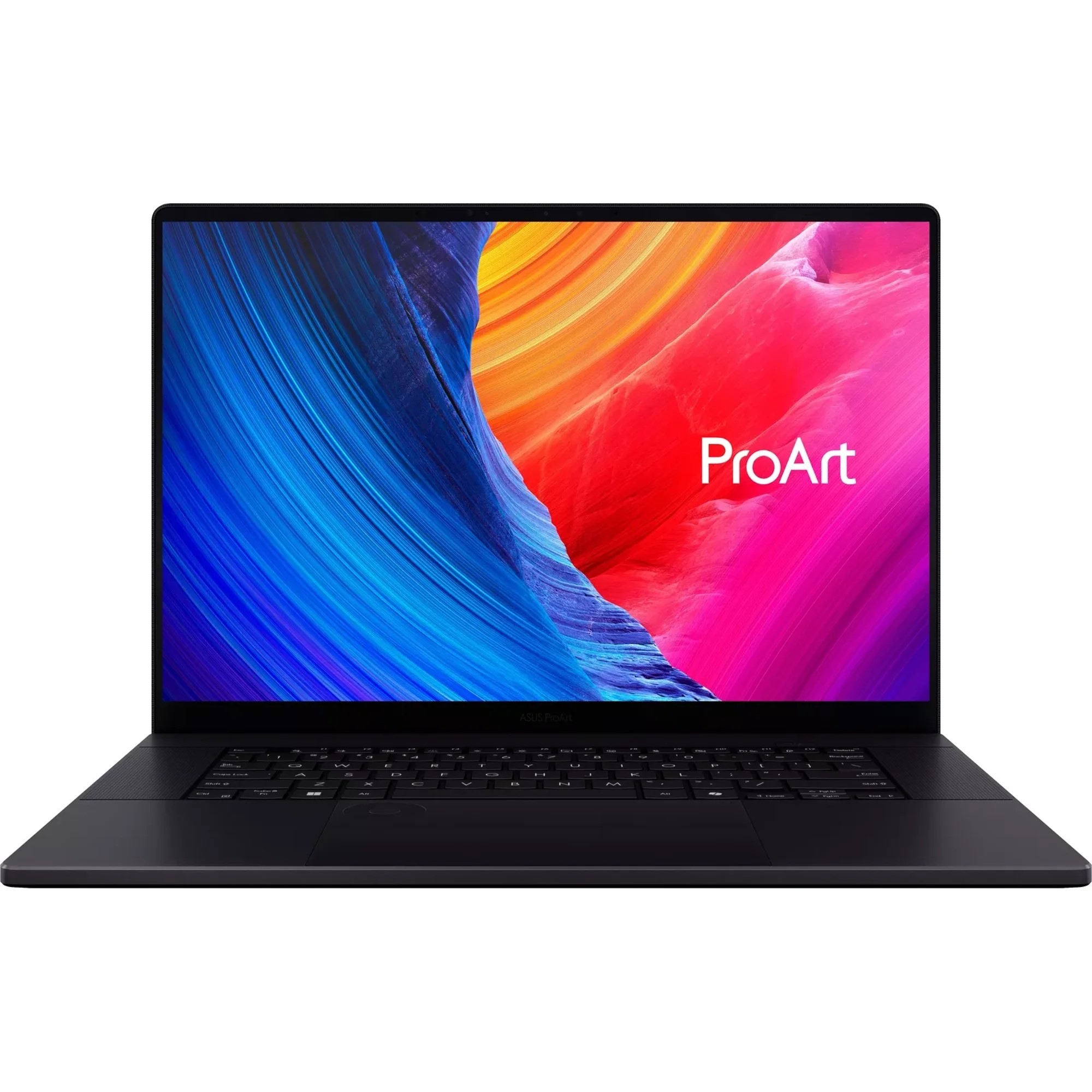
The Asus ProArt P16 occupies a unique niche, offering professional-grade performance at a price point that undercuts traditional workstation rivals. Utilizing the AMD Ryzen AI 9 HX 370, this laptop delivers a multi-core Geekbench 6 score of 15,286. It is specifically engineered for creative workflows, featuring a touch-enabled 4K OLED display that covers 85.5% of the DCI-P3 gamut. The P16 is particularly noted for its build quality and thermal efficiency, allowing it to remain relatively cool under sustained creative loads.
HP ZBook Studio 16 G11: The Engineer’s Workstation
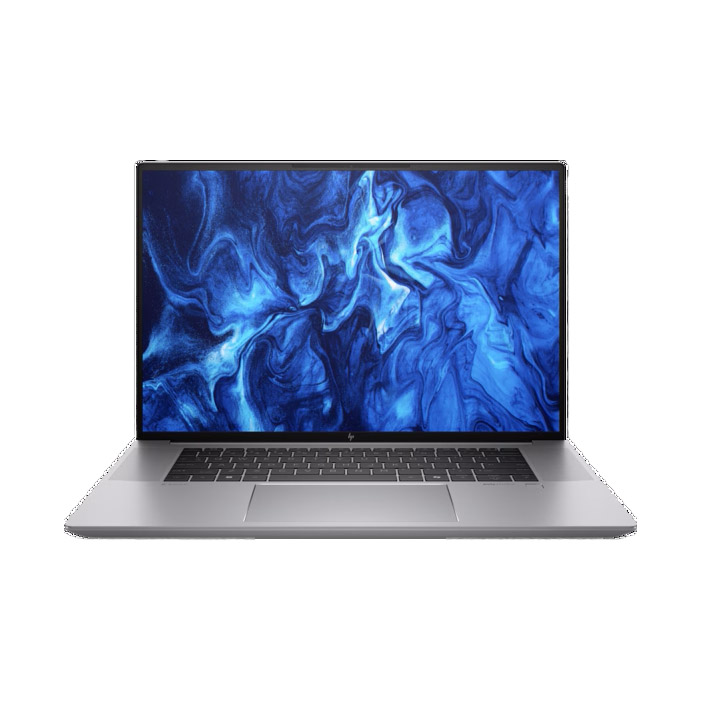
When stability is the primary requirement, the HP ZBook Studio 16 G11 stands out. Unlike gaming-focused laptops, this workstation is equipped with the Nvidia RTX 3000 Ada Generation graphics card, which is certified for professional software suites like AutoCAD and Adobe Creative Cloud. The display provides a high refresh rate of 120Hz and a color accuracy Delta-E score of 0.26, ensuring that what the user sees on screen is an accurate representation of the final output.
Comparative Benchmark Analysis
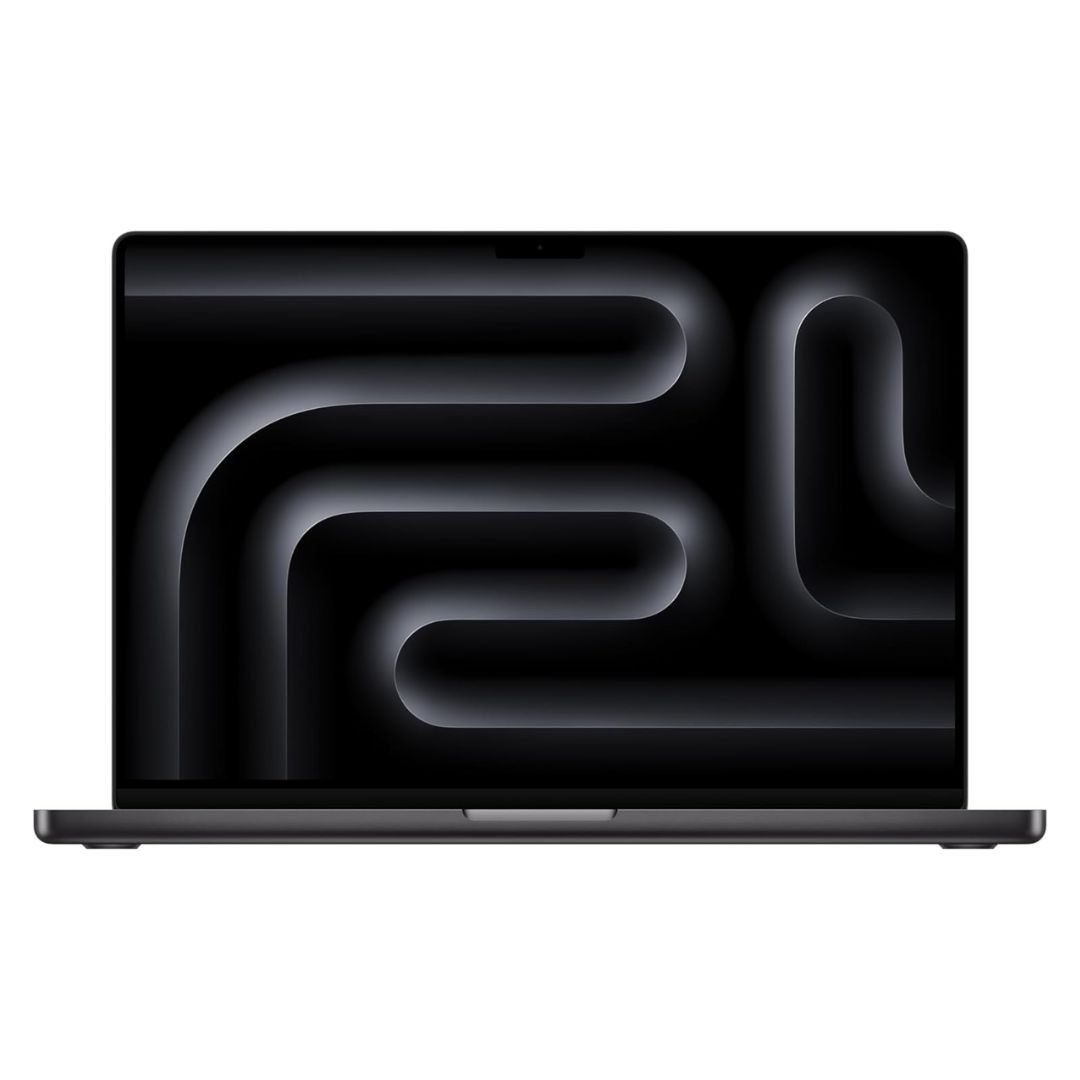
The performance gap between these machines is evident when reviewing synthetic and real-world benchmarks. For instance, the Apple MacBook Pro 16 M4 Pro, while not utilizing a standard 4K resolution (3456 x 2234), remains a dominant force in the industry. It achieved a Geekbench 6 multi-core score of 22,822, effectively outperforming most Windows-based workstations. Furthermore, its battery life of 20 hours and 46 minutes serves as a benchmark for the industry, proving that high-performance computing does not inherently require a sacrifice in longevity.
Data regarding these machines reveals a clear trend: the integration of specialized silicon—such as Apple’s M-series or Intel’s Core Ultra chips—has allowed for significantly higher performance-per-watt ratios compared to laptops from only three years ago.
The Evolution of Display Technology
The choice between OLED and Mini-LED panels is increasingly becoming a deciding factor for consumers. OLED panels are the preferred choice for those who work in dark, color-sensitive environments where contrast is paramount. Conversely, Mini-LED technology is rapidly becoming the industry standard for users who require high peak brightness to combat glare in office environments.
According to recent technical reviews, Mini-LED panels can sustain higher brightness levels over long periods without the risk of pixel degradation or burn-in, which remains a secondary concern for some professional users in the OLED space. However, as of mid-2025, the gap in color accuracy between the two technologies has narrowed significantly, with both capable of delivering professional-grade results.
Industry Implications and Future Trends
The push toward 4K-integrated laptops is part of a broader shift in the digital economy. As remote and hybrid work models become the standard, the laptop has replaced the desktop tower for many professionals. This has created a "trickle-down" effect where high-end display technologies that were once reserved for $5,000 workstations are now becoming standard in $2,000 professional laptops.
Market analysts suggest that the next phase of development will focus on the integration of neural processing units (NPUs) to handle the heavy lifting of 4K video rendering and real-time ray tracing. This move toward hardware-accelerated AI is expected to extend the usable lifespan of these machines, as they will be better equipped to handle the increasingly demanding software requirements of 2026 and beyond.
Conclusion and Purchasing Guidance
Selecting a 4K laptop requires an evaluation of the user’s specific professional needs. For the mobile creative who requires color precision, the Asus ProArt P16 or the MSI Prestige 16 AI Evo offer the most balanced feature sets. For the stationary professional or power user who requires the highest possible performance and doesn’t mind the weight of a desktop-replacement, the MSI Raider 18 HX AI or the HP ZBook Studio 16 G11 remain the premier choices.

While the "almost 4K" display of the Apple MacBook Pro 16 M4 Pro is technically a different resolution, its integration into the professional creative workflow remains undeniable. Ultimately, users must prioritize their workflow requirements—be it battery life, raw GPU power, or color gamut coverage—before selecting a machine. As the industry continues to refine these high-resolution displays, the barrier to entry for professional-grade, mobile 4K computing continues to lower, benefiting creators across all digital disciplines.