










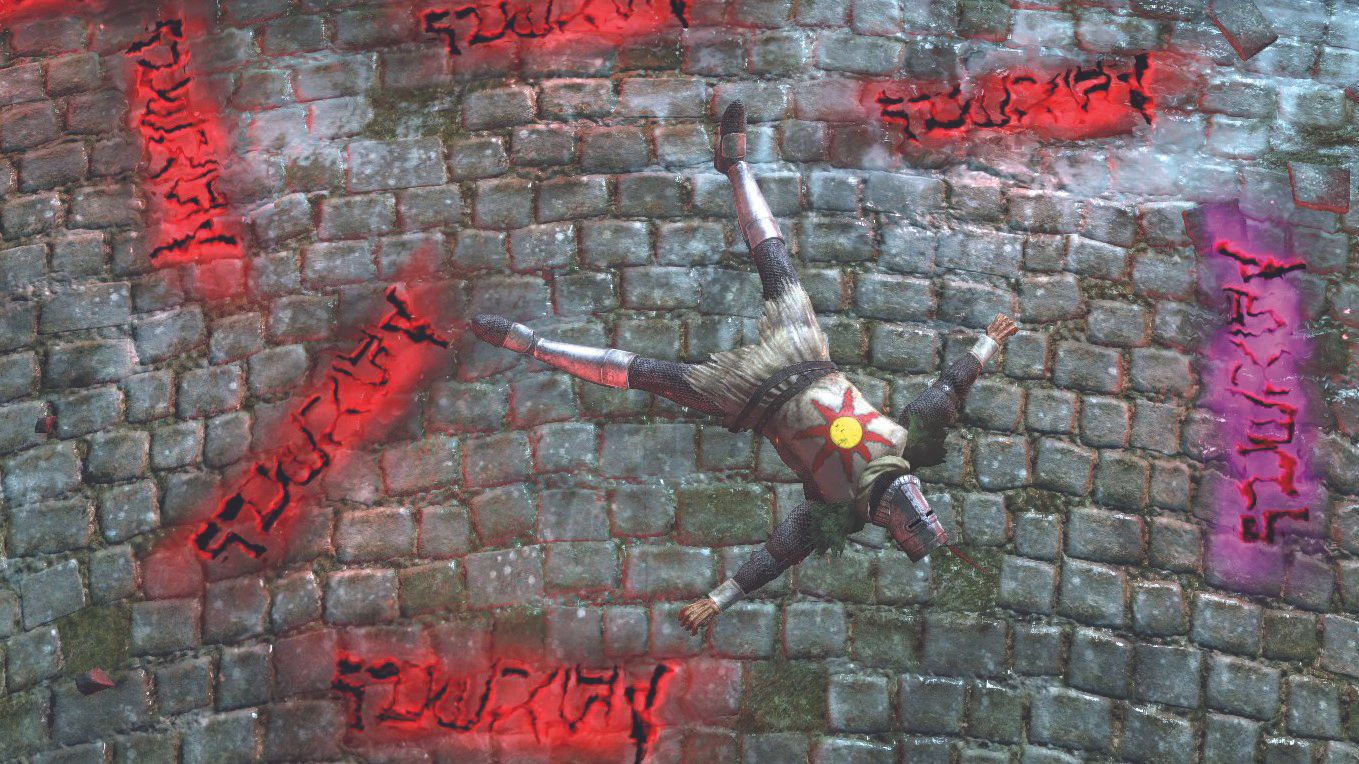
FromSoftware has officially suspended online multiplayer functionality for Dark Souls 2 and Dark Souls 3, citing persistent and unspecified server issues that have necessitated an indefinite downtime. The announcement, disseminated via the company’s official social media channels on October 30, affects all platforms—PC, PlayStation, and Xbox—effectively disabling the core pillars of the Souls experience, including cooperative play, competitive invasions, and the series’ iconic asynchronous message system.
This development marks a significant interruption in the live services for two of the most popular titles in the developer’s back catalog. As of the current writing, FromSoftware has not provided a firm date for the restoration of these services, noting only that they are actively investigating the root cause and will communicate further updates as the situation evolves.
A History of Connectivity Challenges
The current outage echoes previous technical struggles that have historically plagued the Dark Souls franchise. In early 2022, just weeks before the highly anticipated global launch of Elden Ring, the entire Dark Souls series—including the original Dark Souls: Prepare to Die Edition, Dark Souls Remastered, Dark Souls 2, and Dark Souls 3—saw its PC servers pulled offline.
That incident was triggered by the discovery of a critical remote code execution (RCE) vulnerability. Security researchers identified that the game’s online architecture could theoretically allow a malicious actor to gain unauthorized access to a player’s computer, potentially compromising personal data or hardware integrity. The resolution of that vulnerability was an extensive, months-long process that necessitated significant backend overhauls, resulting in the prolonged silence of the series’ multiplayer features.
While the current situation bears some similarities to the 2022 crisis, there are key technical distinctions. The previous outage was isolated to the PC ecosystem, as the vulnerability was specific to the Windows implementation of the game’s networking code. The current disruption is universal, spanning console hardware alongside PC, which suggests that the underlying issue may be related to server-side infrastructure, authentication protocols, or a broader cloud-hosting complication rather than a client-side security exploit.
Timeline of Server Availability
The longevity of the Dark Souls franchise has made server stability a primary concern for the studio. Following the 2022 RCE exploit discovery, the following timeline highlights the studio’s struggle to maintain its older titles:
- January 2022: FromSoftware disables all PC servers for the Dark Souls series to address a critical security vulnerability.
- February–August 2022: PC servers remain offline throughout the Elden Ring launch period as the development team prioritizes the stability of their newest title.
- August 2022: Servers for Dark Souls 3 are gradually restored following security patches.
- October 2022: Dark Souls Remastered servers return to service.
- November 2022: Dark Souls 2 servers are brought back online, marking the return of the full series to functional online play.
- October 2024: FromSoftware announces an indefinite suspension of services for Dark Souls 2 and 3 across all platforms.
The decision to shutter these servers again, nearly two years after the last major resolution, has prompted questions regarding the aging infrastructure supporting the studio’s older titles. In an era where "live service" support is increasingly common, the maintenance of legacy titles presents a logistical challenge for developers, particularly when those titles rely on peer-to-peer (P2P) networking combined with centralized matchmaking servers.
The Role of Community-Led Solutions
As official servers remain dark, a segment of the PC player base has turned to third-party modifications to maintain the multiplayer experience. The "Seamless Co-op" project, developed by community member Yui, has become the primary alternative for players who wish to continue their journeys in Drangleic and Lothric.
Seamless Co-op functions by bypassing the official FromSoftware matchmaking infrastructure entirely. By utilizing private, player-hosted servers, the mod allows for a persistent cooperative experience that eliminates the traditional "summoning" limitations found in the base games. In the original design, co-op sessions were fragile, subject to disconnection upon the death of a boss or the summoning player. The mod removes these friction points, allowing parties to remain intact for the duration of the game.
The recent implementation of this mod for Dark Souls 2—which arrived at the end of September 2024—was met with significant enthusiasm, effectively revitalizing interest in the game’s cooperative potential. Because this modification operates on an independent server architecture, the current official server outage has little to no impact on those utilizing these community tools. This has led to a noticeable migration of the player base toward modded environments, raising broader questions about the role of community-driven support in the lifecycle of classic RPGs.
Technical Implications and Industry Context
The indefinite nature of this outage highlights the complexities inherent in managing legacy gaming services. For many developers, maintaining servers for titles that are over a decade old represents an increasing drain on engineering resources. When security or stability issues arise, the cost-benefit analysis often favors a suspension of services rather than a full-scale infrastructure rebuild.
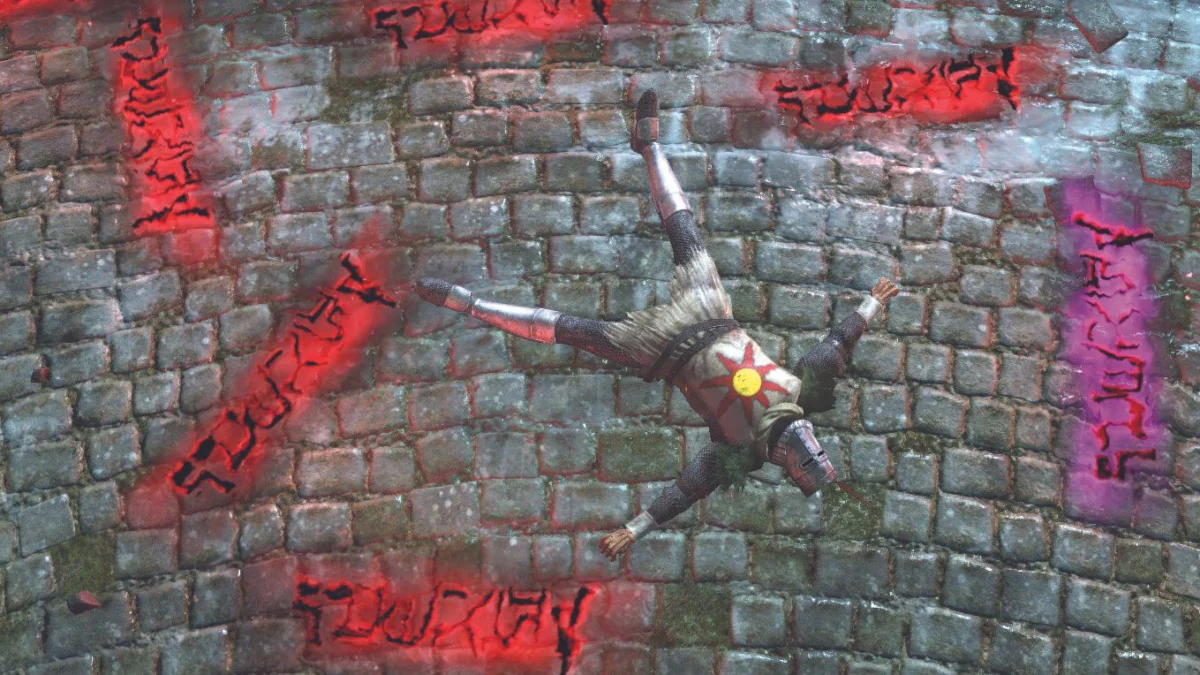
However, for FromSoftware, the Dark Souls series remains a pillar of their brand identity. The asynchronous multiplayer—the messages left on the floor, the bloodstains, and the sudden, tense invasions—is widely considered essential to the intended experience. Without these elements, the games lose a significant portion of their atmospheric and narrative weight.
Industry analysts suggest that this outage may be a precursor to a more permanent transition for these games. With the studio currently focused on newer projects and the sustained success of Elden Ring, resources are naturally prioritized toward active, high-traffic titles. If the issue stems from an outdated backend service provider or a deprecated API, the cost to modernize these systems may be prohibitively high.
Moving Forward
FromSoftware has provided no indication of the nature of the "server issue," leaving the player base to speculate on whether this is a temporary maintenance glitch or a more systemic failure. In the absence of an official timeline, the gaming community continues to monitor the studio’s social channels for further updates.
For now, players are restricted to single-player offline modes. While the core mechanical depth of the Dark Souls series remains intact in solo play, the absence of the communal, chaotic, and often unpredictable online layer marks a notable change in the current state of these titles. Whether this represents a brief technical hurdle or a signal of the sunsetting of older online infrastructure remains to be seen. As the industry continues to grapple with the preservation of online play in older games, the situation with Dark Souls 2 and 3 serves as a pertinent case study in the vulnerability of digital-dependent gaming experiences.