


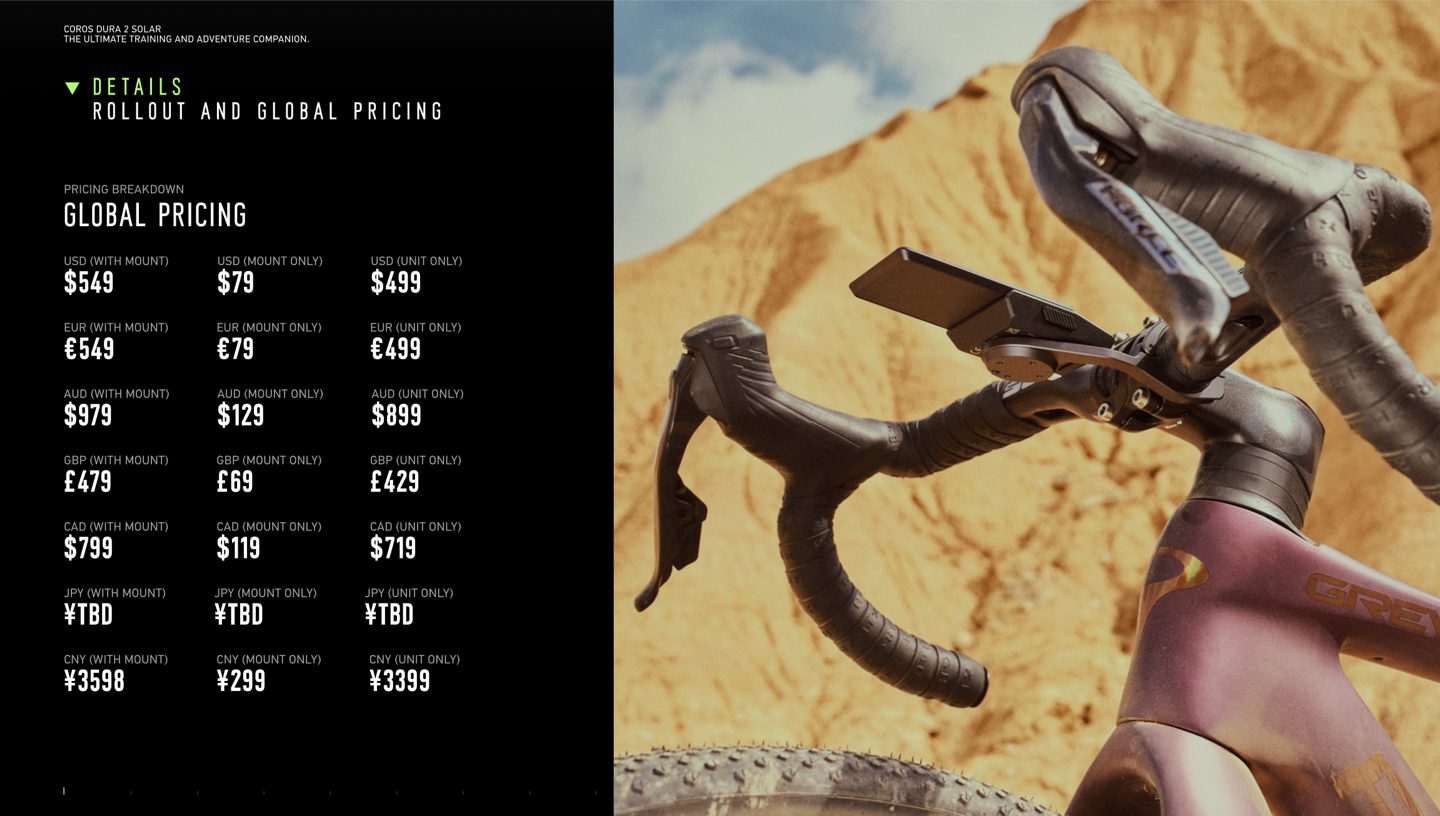
COROS has officially announced the launch of its newest cycling computer, the COROS Dura 2, marking a significant strategic pivot for the brand. Retailing at $549 with a mount—or $499 without any mounting hardware—the Dura 2 more than doubles the price point of its predecessor, the now-discontinued Dura 1, which debuted at $249. While the new unit maintains COROS’s signature industry-leading battery life claims, it introduces a revamped aesthetic, expanded hardware capabilities, and a controversial unboxing package that omits basic mounting hardware entirely. Scheduled to hit the market on November 3, 2026, the device positions COROS to compete directly against premium legacy players in the high-end cycling computer ecosystem. However, real-world testing reveals a product caught between impressive physical endurance and persistent software instability.

Design Overhaul and Physical Architecture
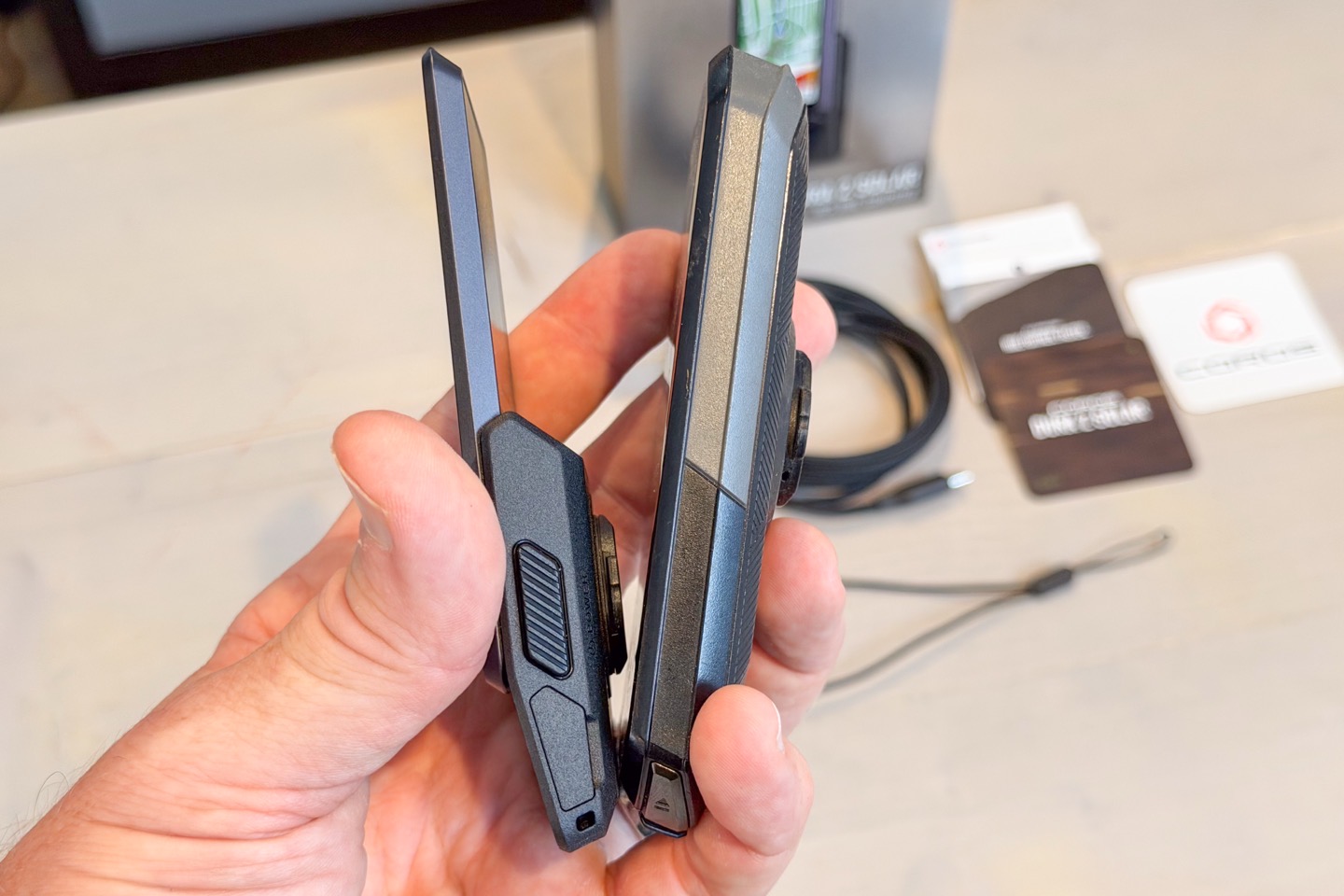
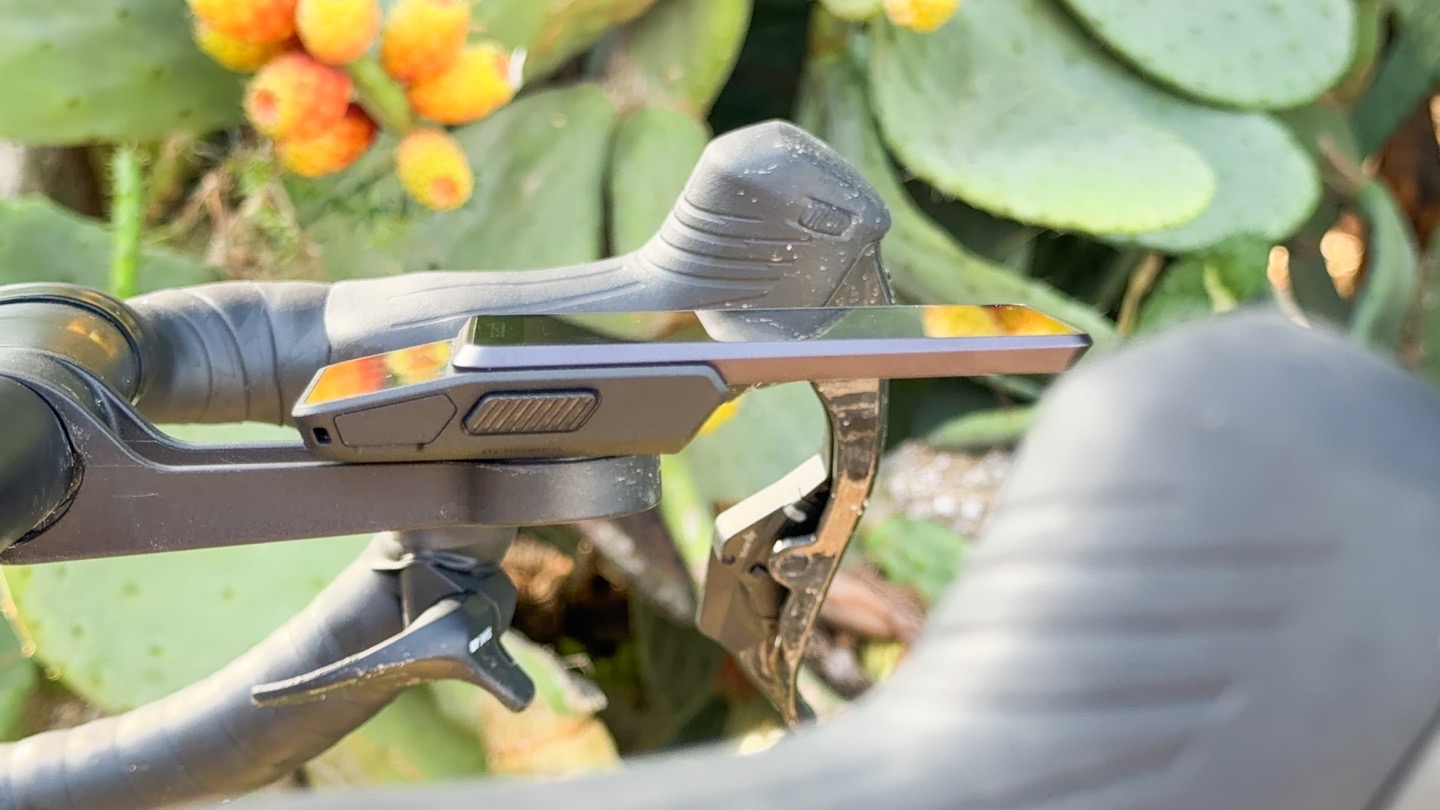
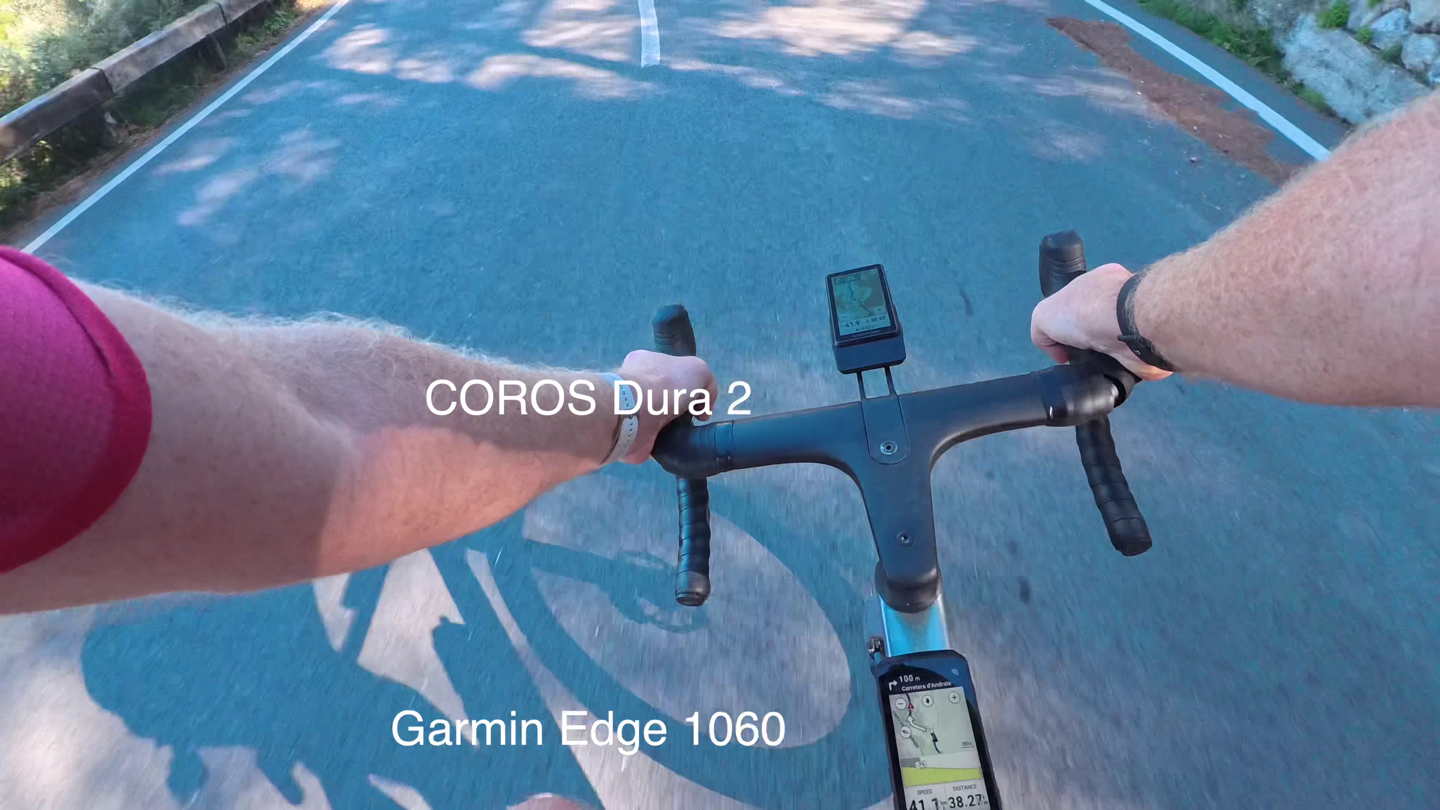
The COROS Dura 2 presents a completely reimagined exterior that bears little resemblance to the original Dura 1, trading its predecessor’s blocky profile for a sleek, modern chassis that industry observers have compared to a clamshell mobile device. One of the most notable design decisions is the complete removal of the rotating Digital Crown, a staple of earlier COROS hardware. In its place, the manufacturer has introduced a two-button physical layout accompanied by a novel pressure-sensitive touch area located at the bottom of the unit.
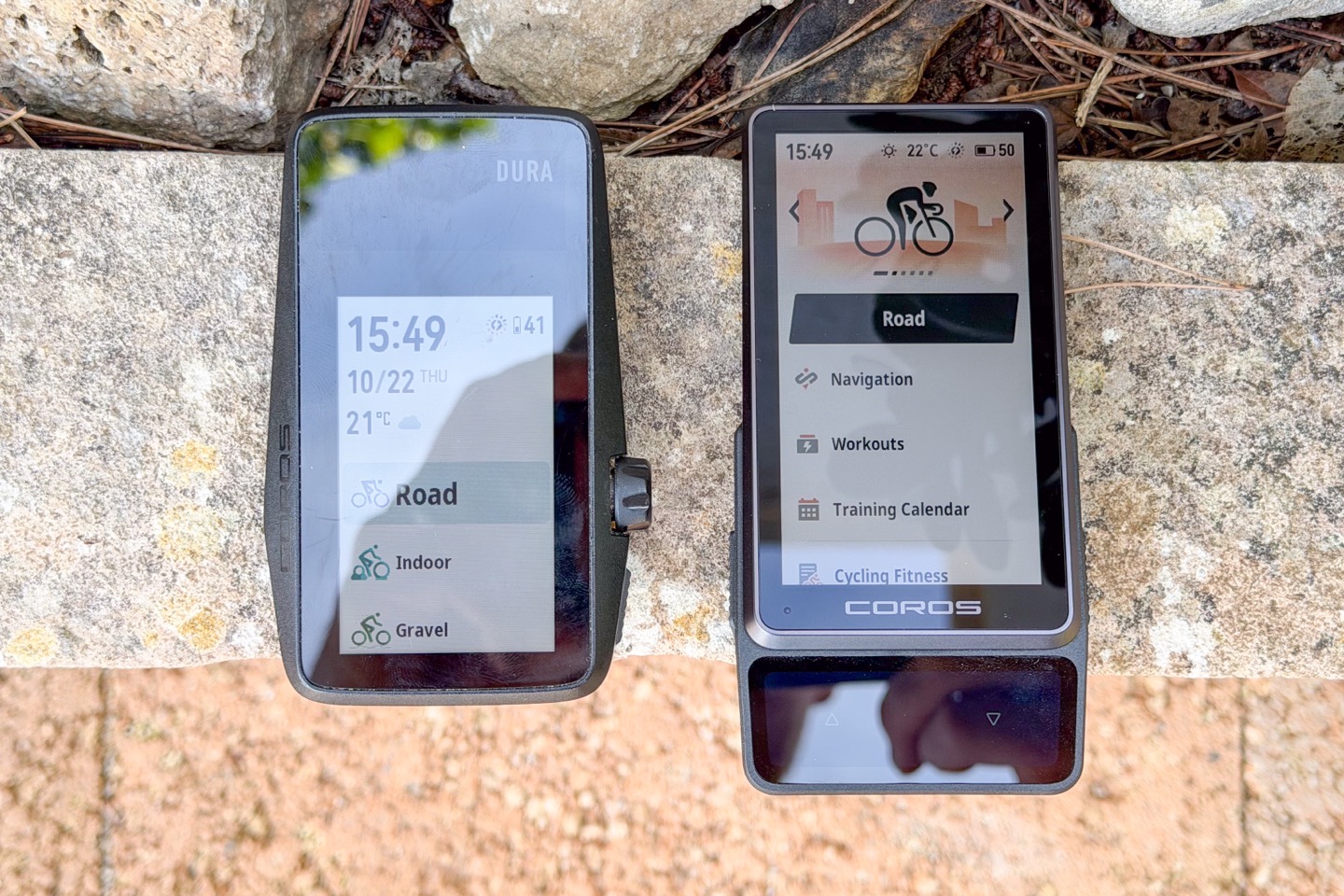
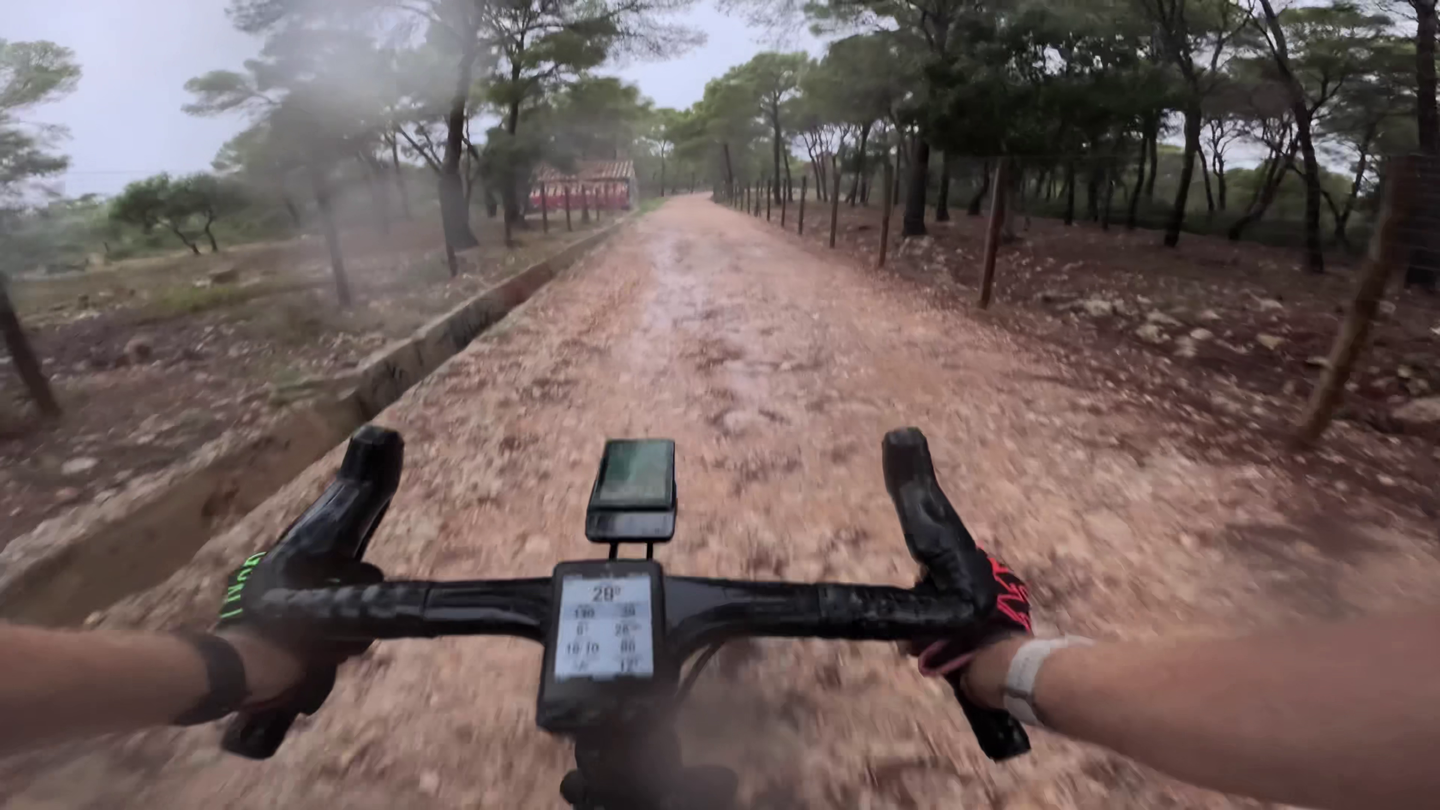
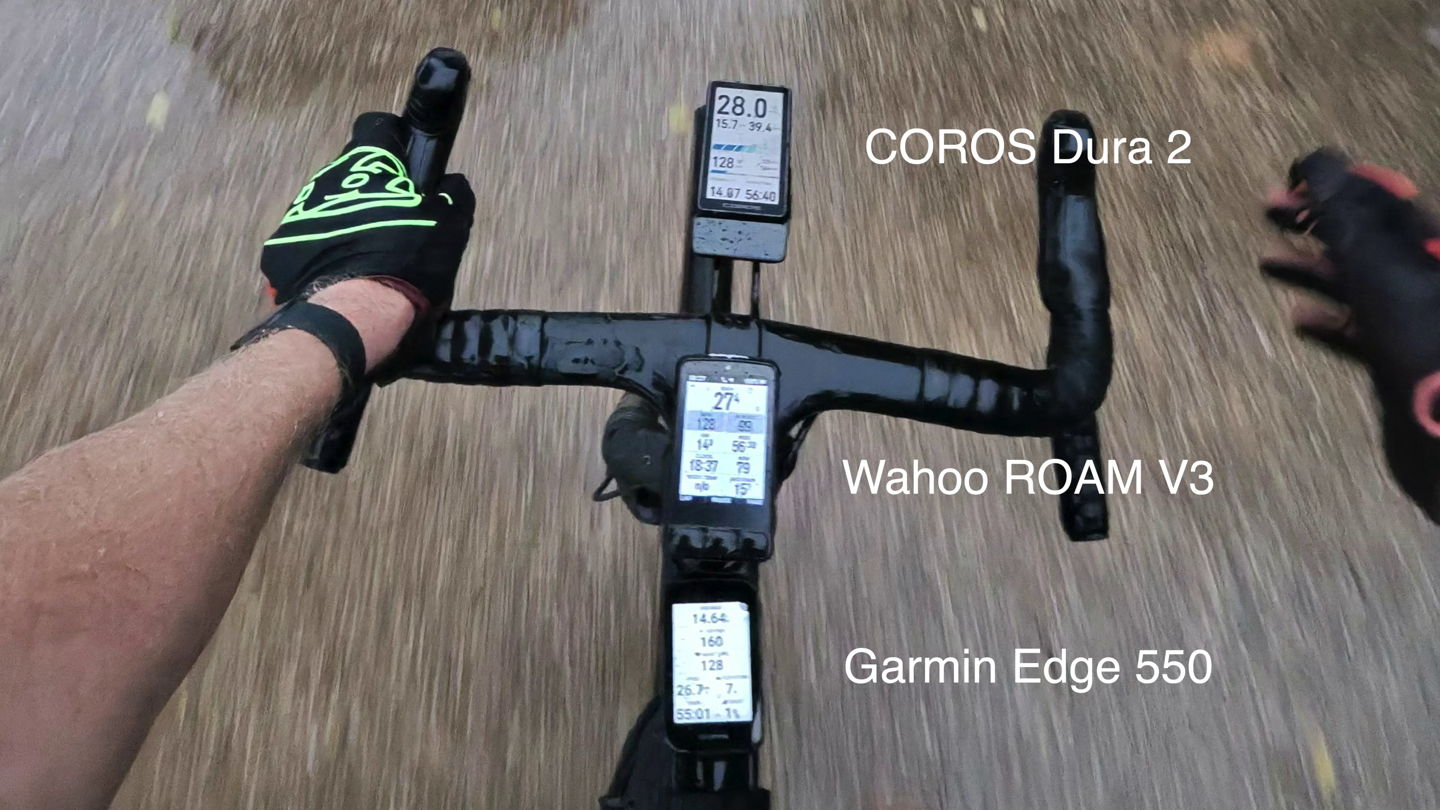
This lower placement shifts the solar panel from the top "forehead" of the device to the bottom "chin," aligning its aesthetic with other modern cycling computers. The pressure-sensitive touch areas function as up-and-down controls that remain fully responsive in adverse weather conditions, demonstrating high reliability during heavy rain and when operated with full-finger gloves. However, primary system navigation still relies heavily on a traditional capacitive touchscreen swipe-down gesture. Field tests indicate that while this touchscreen performs adequately under dry conditions, pooled water or heavy rainfall severely degrades its touch sensitivity. Because critical system parameters—such as display brightness, audio volume, and system settings—cannot be accessed through the physical buttons alone, riders caught in severe weather may find themselves temporarily locked out of essential configurations.
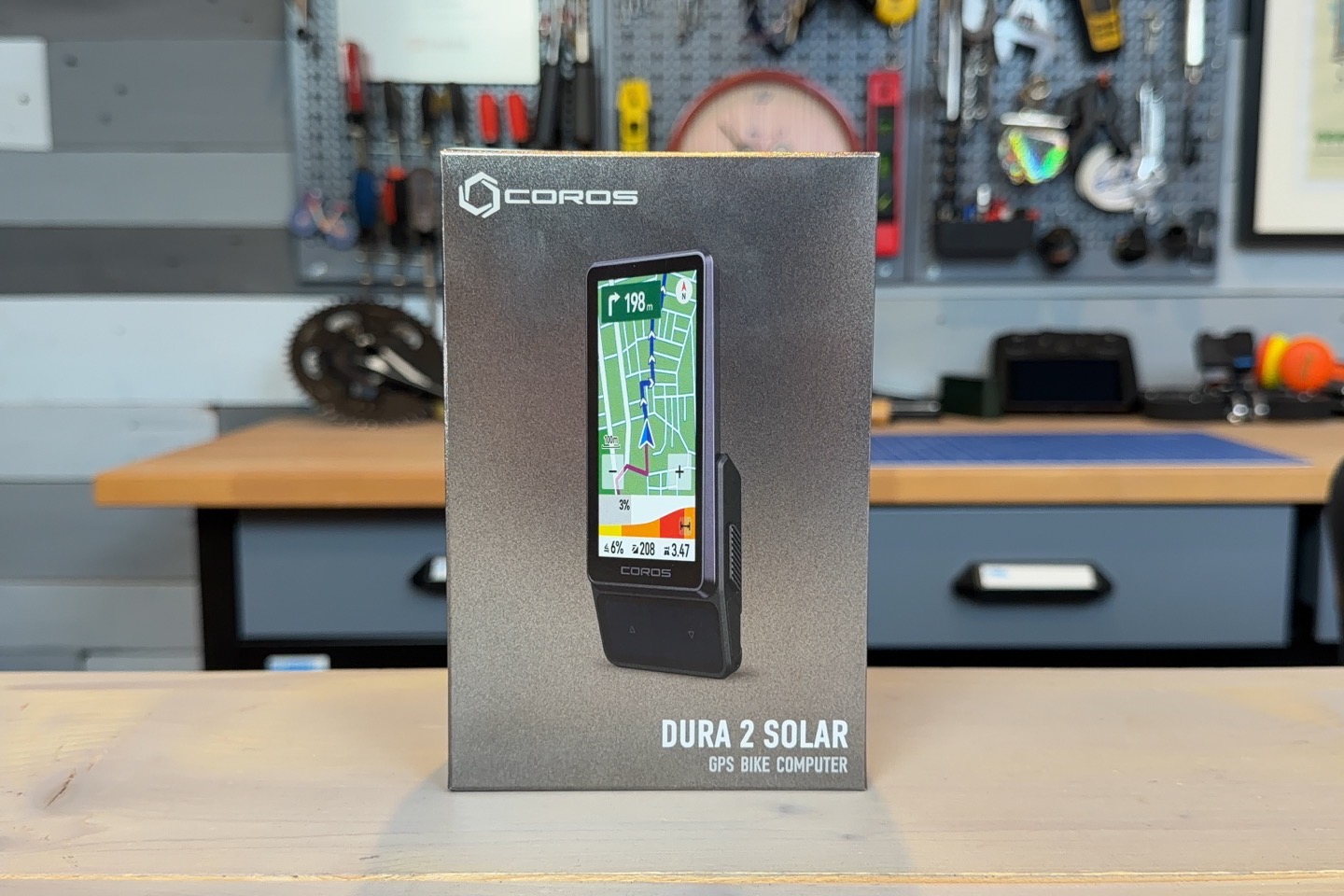
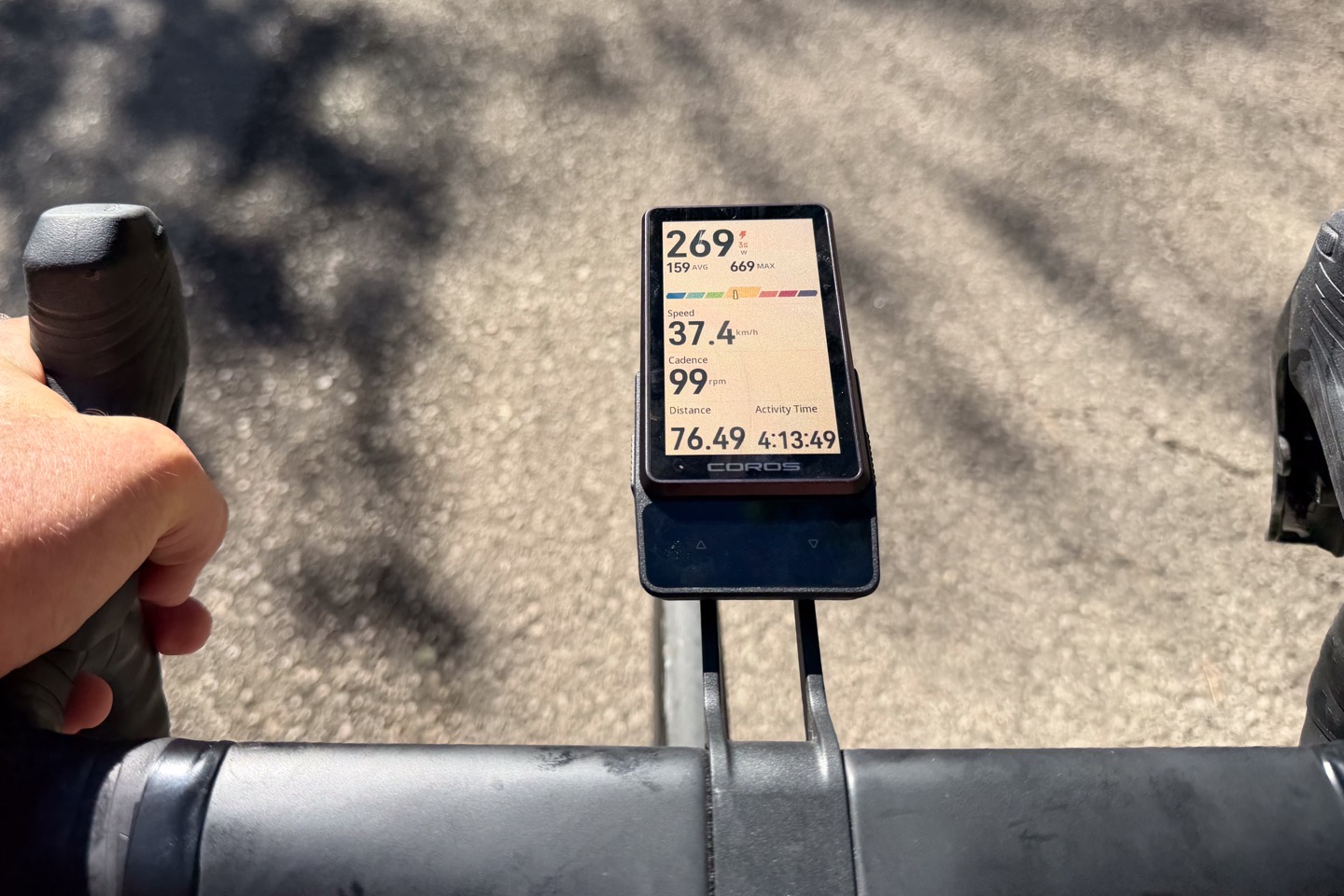
The Memory-in-Pixel (MIP) display has been expanded from 2.7 inches to 3.5 inches, featuring a refresh rate of 38 Hz, which COROS claims is the fastest of any MIP display currently on the market. In direct sunlight, the screen is exceptionally crisp and easy to read. Yet, challenges emerge when transitioning into deep shade or when the rider’s body blocks the direct path of sunlight, causing the display to appear significantly dimmer than competing devices from Garmin and Wahoo that utilize aggressive automatic backlighting. COROS deliberately accepts this trade-off: lower active backlight consumption preserves battery life, but sacrifices immediate legibility in variable lighting environments.
Unboxing and the Mount-Gate Controversy
The unboxing experience of the COROS Dura 2 has sparked considerable industry debate. Inside the package, users will find the device itself, a lanyard, product documentation, and a high-quality braided USB-C cable. Conspicuously absent from the box are any mounting solutions whatsoever—not even basic plastic or rubber handlebar bands that typically cost mere pennies to manufacture.
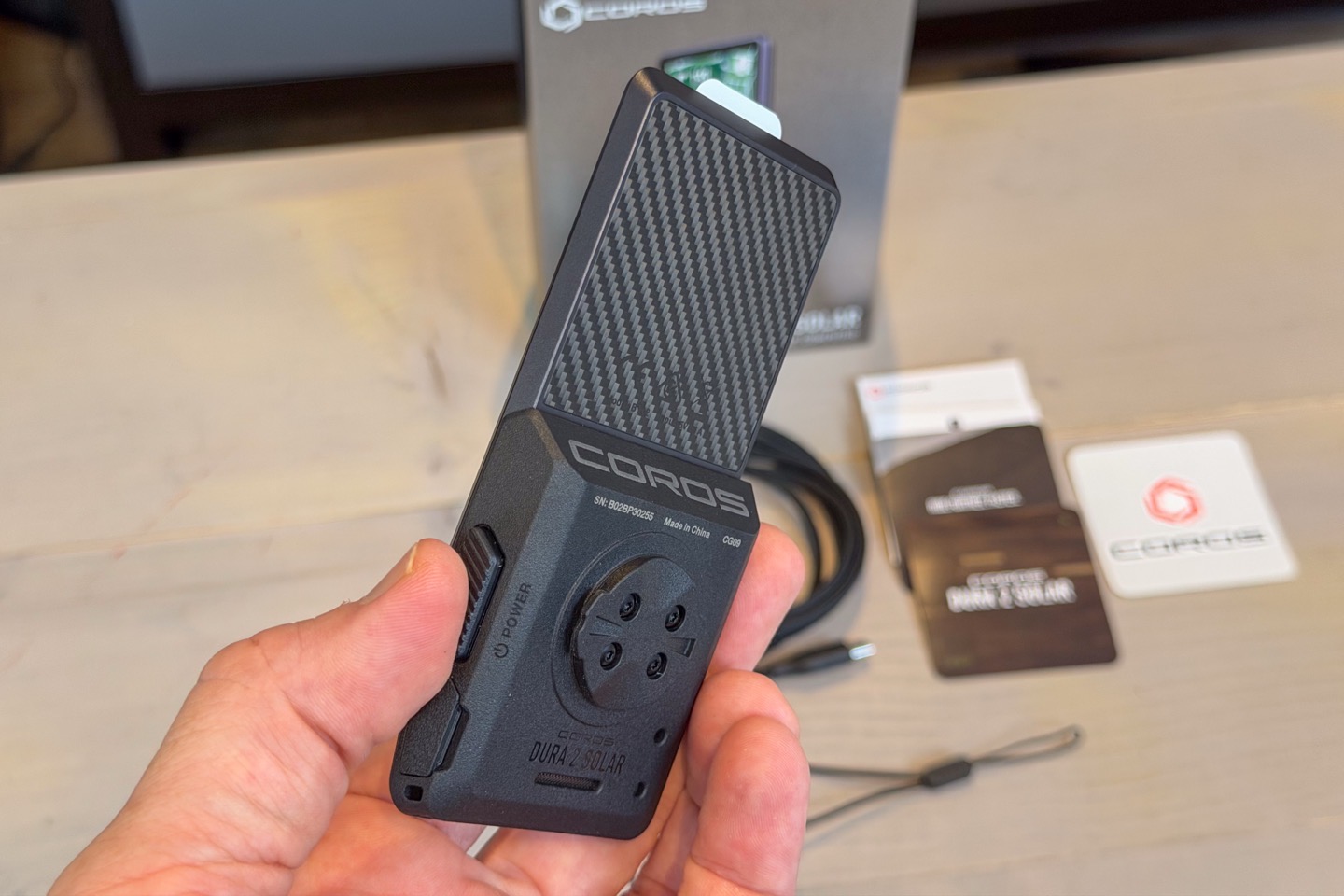
For a device priced at $499 to $549, the omission of a basic mount has drawn sharp criticism from early reviewers and cycling communities alike. Consumers are forced to source third-party solutions, such as legacy Garmin quarter-turn rubber mounts available via online retailers for $7 to $9. On the reverse side of the unit, the standard Garmin-compatible quarter-turn mounting interface is modular and user-replaceable in the event of structural damage, a practical inclusion for long-term durability.
Navigation, Mapping, and Re-Routing Challenges
Navigation on the COROS Dura 2 operates via pre-planned routes synchronized through the COROS mobile application, with third-party platform integration supporting services like Strava. While route management has seen iterative improvements since the Dura 1, the navigation suite exhibits mixed performance during live execution.
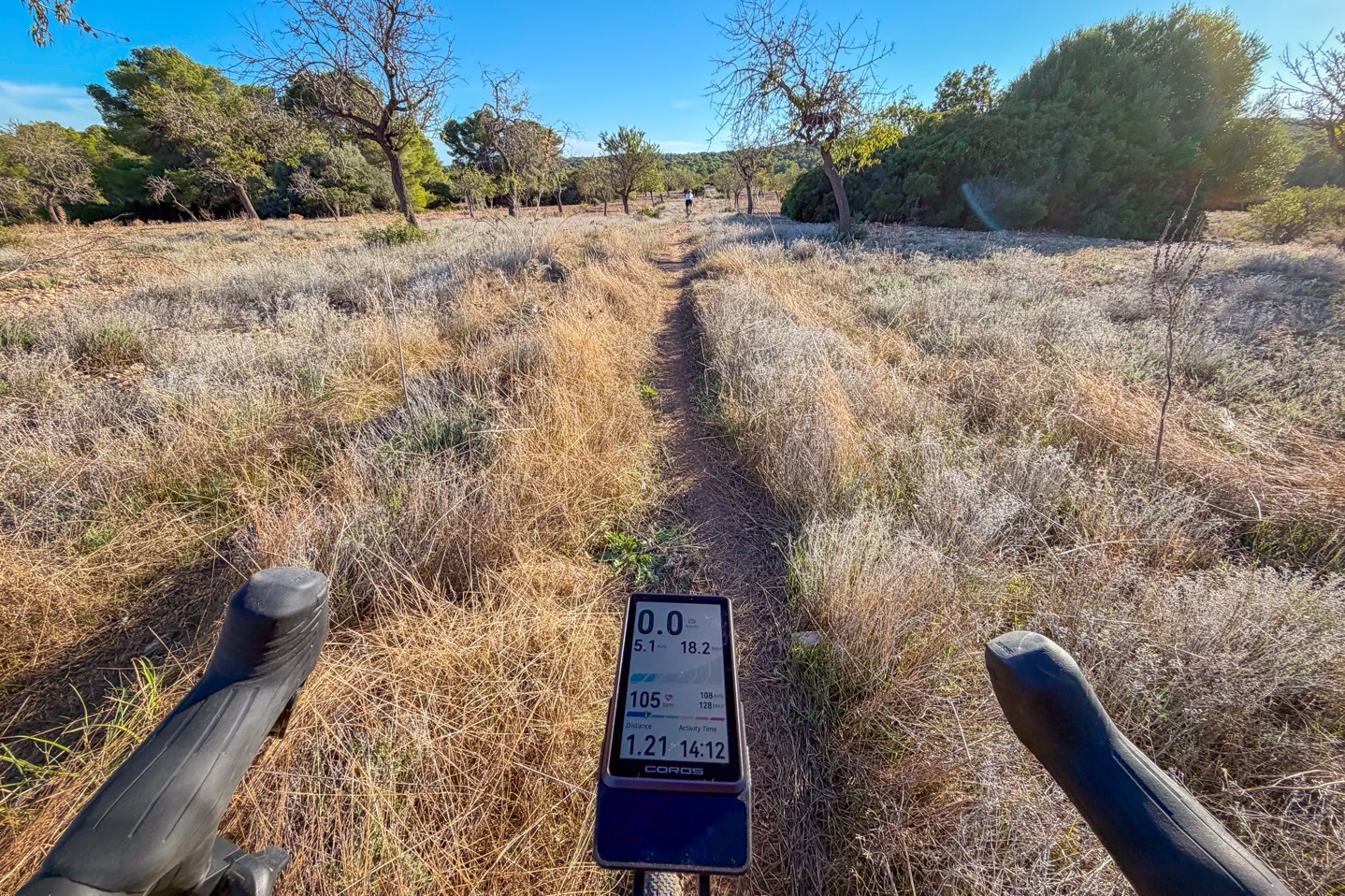
Turn-by-turn prompts are delivered approximately 100 meters prior to an upcoming junction—adequate for moderate speeds, though slightly compressed compared to the 200-meter warning standard utilized by Garmin devices during high-speed descents. Map clarity remains high, and supplementary data fields clearly display distance metrics to upcoming turns.
However, automated re-routing remains a significant operational vulnerability. While minor off-course deviations in simple grid layouts occasionally recover smoothly, complex re-routing scenarios frequently produce erratic pathing. Field tests documented instances where the device generated impossible routing vectors, including suggestions to scale sheer coastal cliffs via pedestrian scrambling paths. Furthermore, offline re-routing relies on an active Bluetooth connection to the paired smartphone; in numerous testing instances, even with verified cellular coverage, the system frequently entered continuous re-routing loops or failed to recalculate entirely. Additionally, Strava Live Segments failed to trigger consistently across standard route profiles during testing phases.
Sensor Ecosystem and Connectivity Performance
The COROS Dura 2 boasts broad compatibility across standard cycling sensor protocols, supporting:
- ANT+ and Bluetooth Heart Rate Monitors
- ANT+ and Bluetooth Power Meters
- ANT+ Radar and Lighting Systems
- ANT+ eBikes and Drivetrain Shifting (SRAM and Shimano)
- Bluetooth FTMS Smart Trainers
Despite this extensive hardware support, connectivity stability emerged as a primary concern during initial evaluations. Testing revealed recurring ANT+ signal dropouts when simultaneously pairing multiple sensor types, particularly when an ANT+ heart rate strap was used alongside a Bluetooth power meter. While switching all peripherals to a direct Bluetooth connection mitigated some dropouts, sensor reliability remained inferior to established market competitors. Furthermore, existing COROS wearable devices linked to a user’s account automatically occupy sensor pairing allocations, complicating device management until an upcoming firmware patch expands the device limit to 32 sensors.
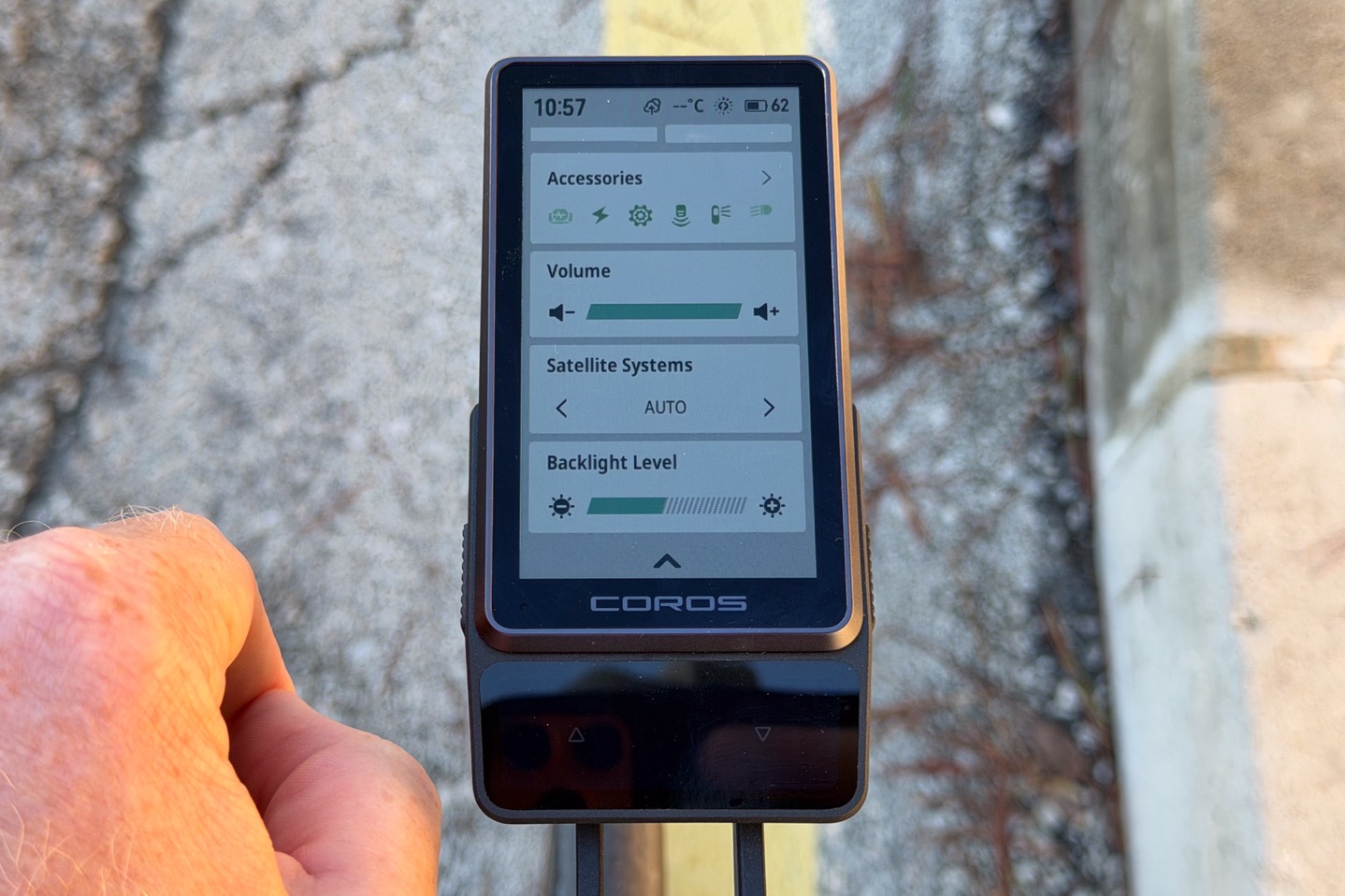
Additional software additions include an electronic bike bell feature activated by a double-tap on the screen. While the acoustic tone is pleasant, its maximum volume output is lower than competing implementations from Wahoo and Garmin, failing to alert pedestrians effectively in noisy urban environments. Moreover, unlike competitors, the Dura 2 currently lacks integration with electronic shifting satellite buttons (such as SRAM Blips), preventing riders from triggering the electronic bell without removing their hands from the handlebar hoods.
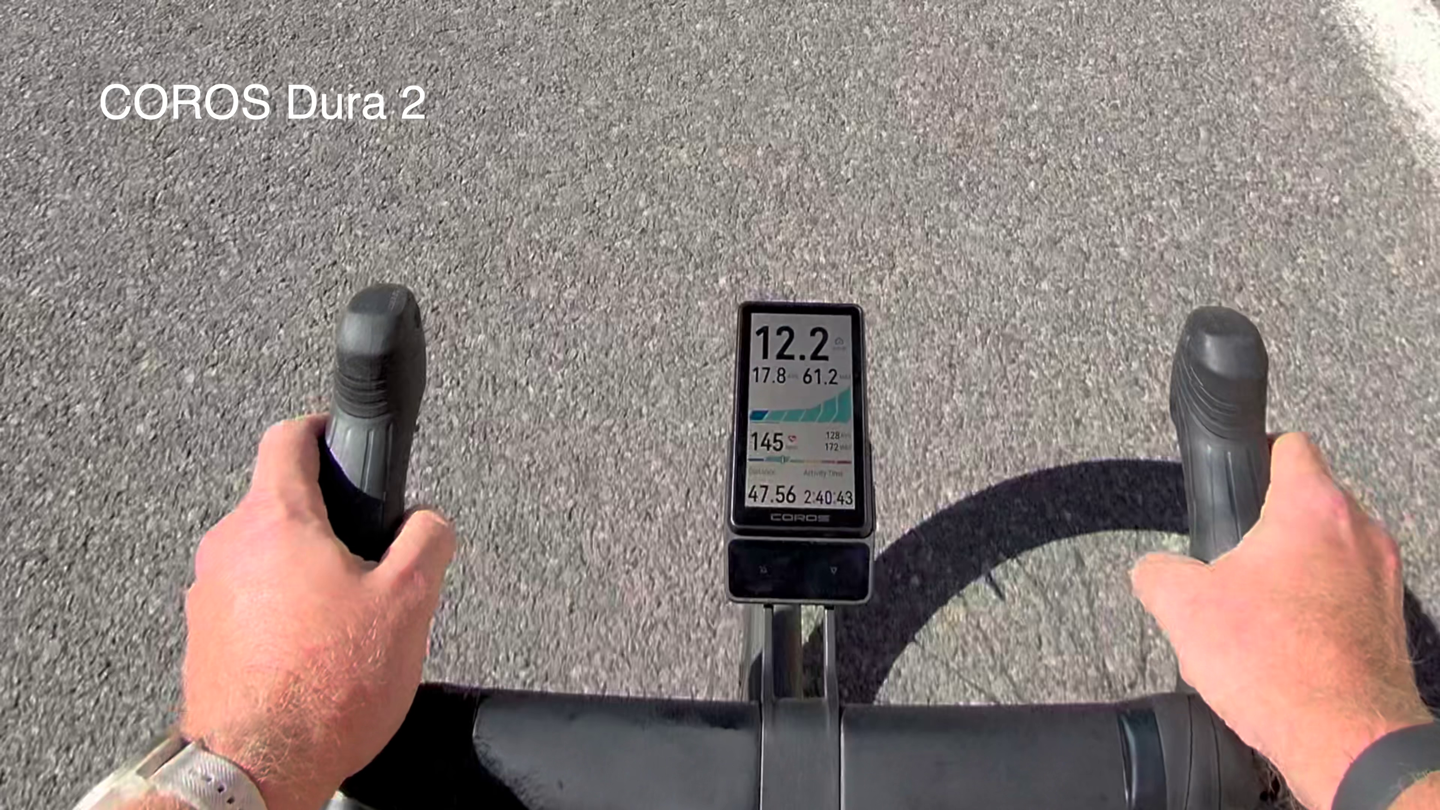
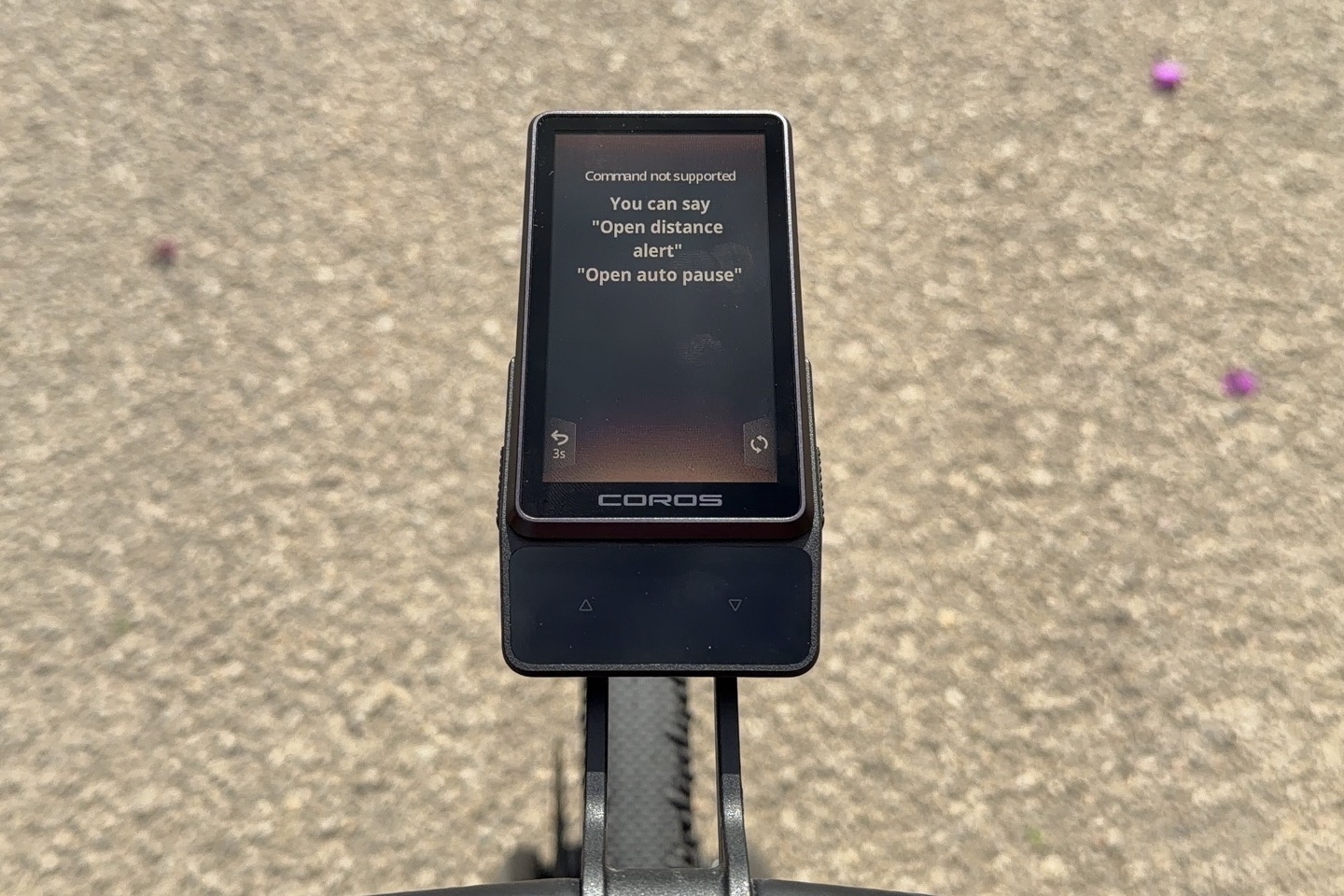
Voice control integration represents another underdeveloped feature set. Requiring the user to hold down a physical side button while attempting to issue commands, the voice recognition software proved virtually unusable at riding speeds exceeding 15 kilometers per hour due to wind interference. Even at stationary levels, the accepted command lexicon is extremely limited, lacking crucial cycling queries such as remaining route distance or total ascent.
Solar Performance and Battery Endurance Metrics
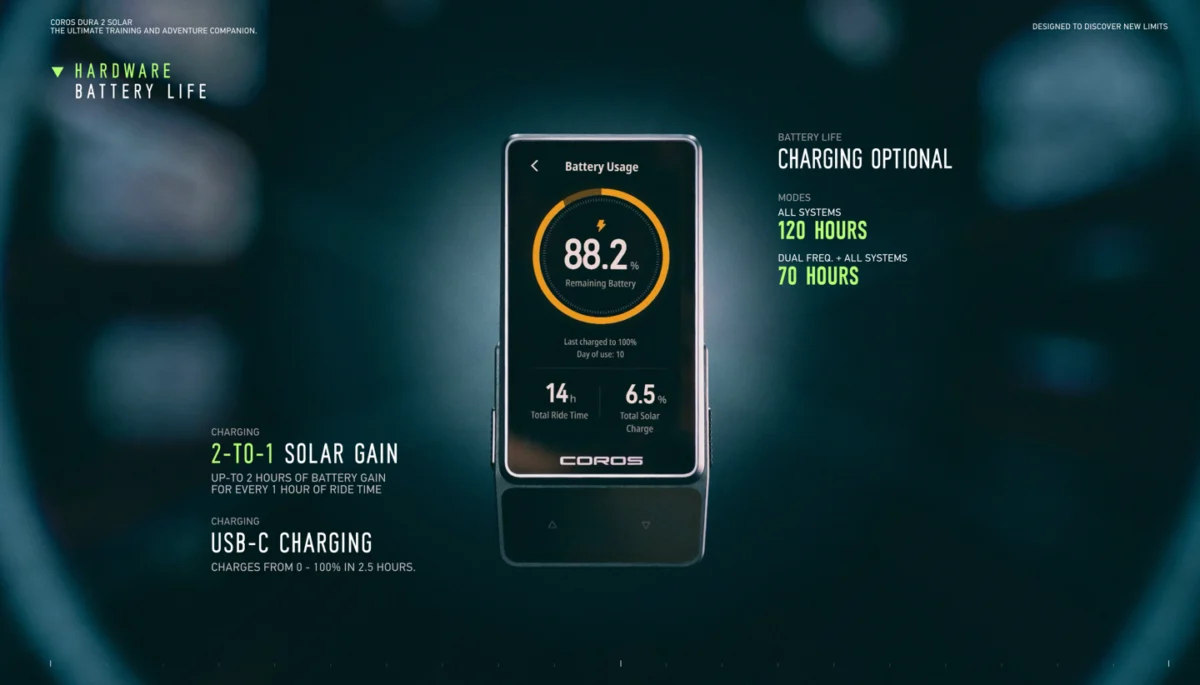
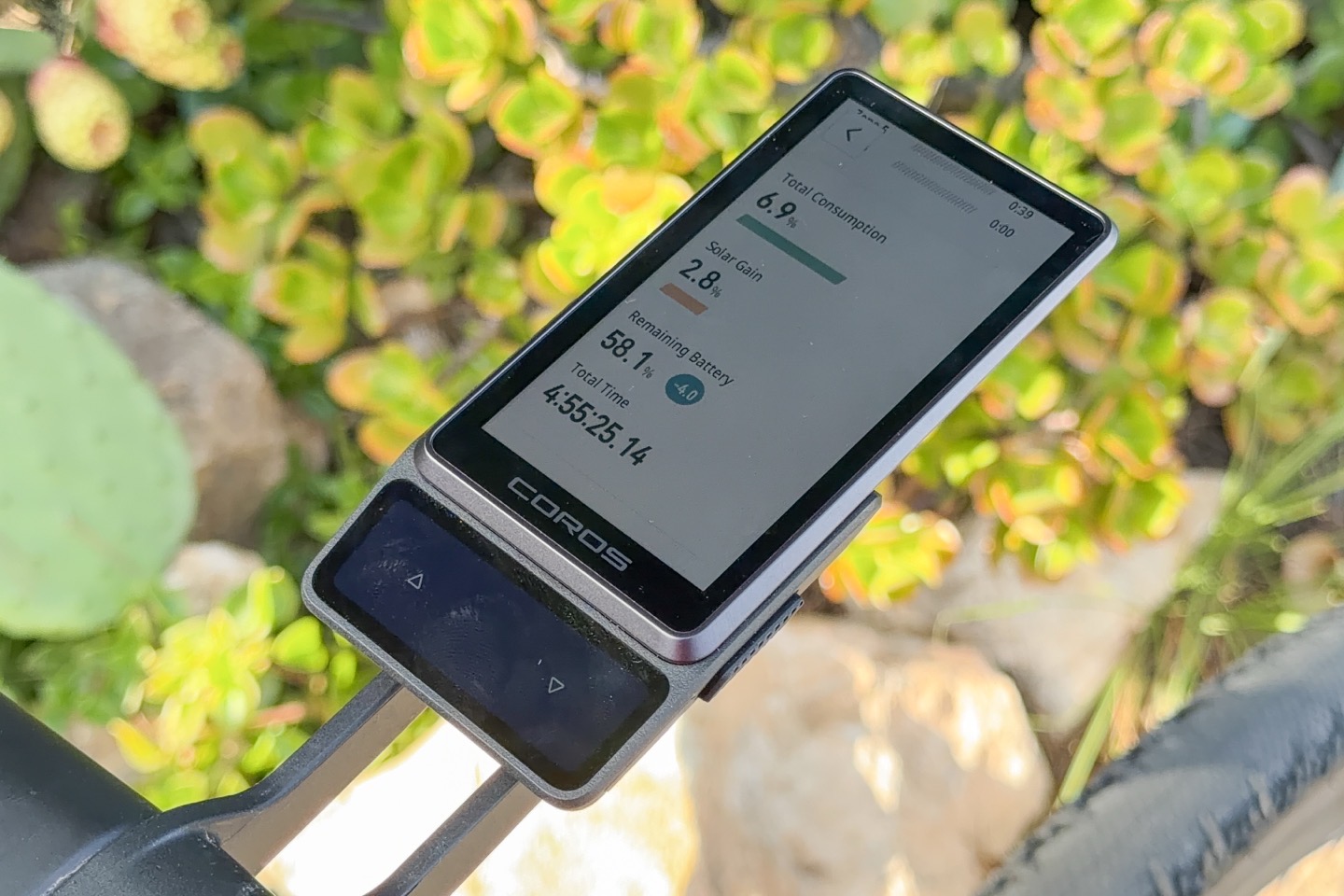
Battery longevity remains the defining hallmark of the COROS ecosystem. The Dura 2 employs a dual-tracking methodology to quantify energy consumption and solar absorption, presenting users with real-time system metrics and post-ride summary data detailing net battery usage and solar gains.
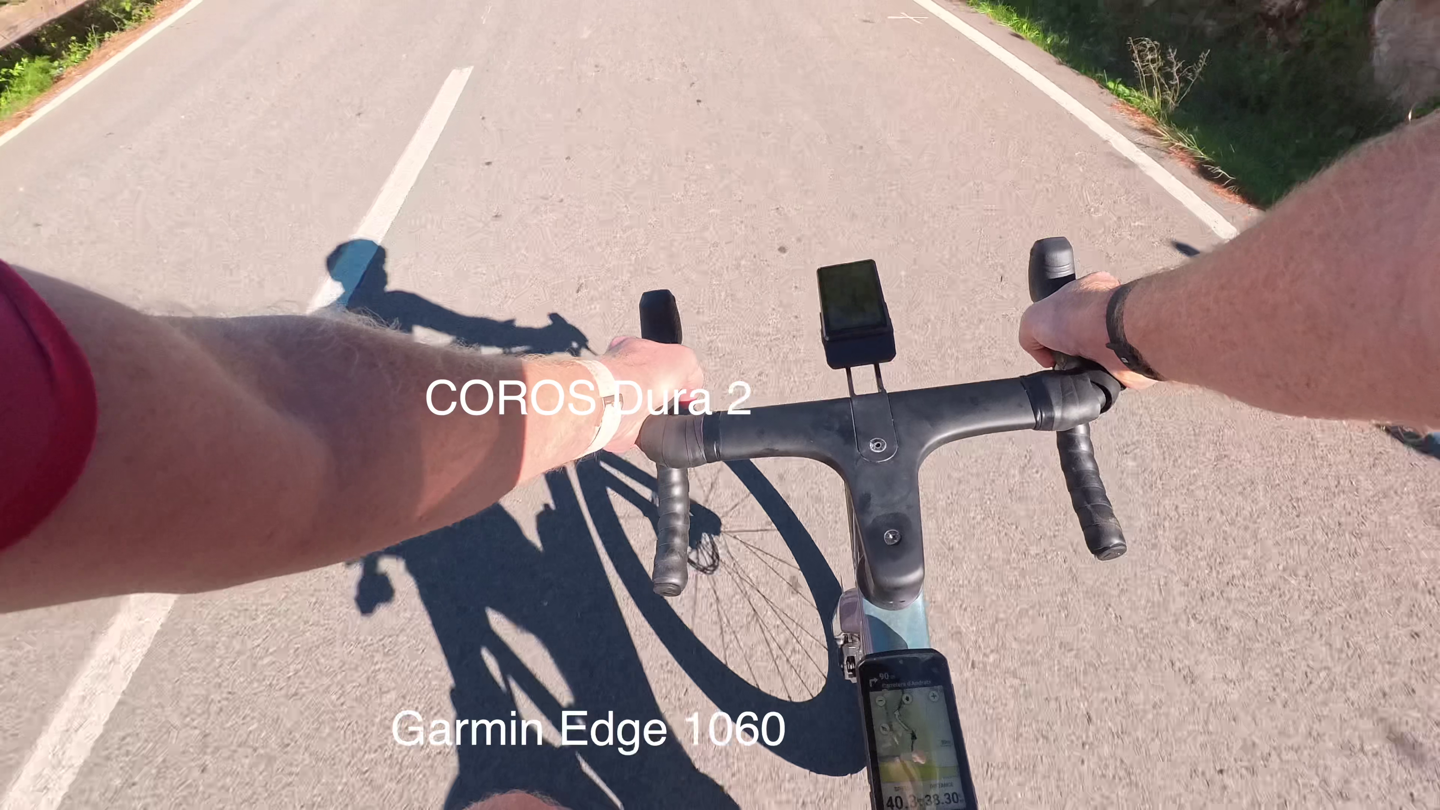
In optimal Mediterranean conditions featuring direct blue-sky sunlight, testing demonstrated solar recovery rates of approximately 0.5% per hour of exposure, effectively extending operational runtimes when left in ambient light. Real-time battery burn rates varied significantly based on environmental and operational variables:
- Sunny Conditions with Navigation: Consumed approximately 1.6% battery over a 50-minute interval, projecting an estimated total runtime approaching 47 hours.
- Overcast Conditions with Navigation: Burned approximately 1.3% battery per hour, projecting an 80-hour runtime.
- Severe Weather / No Sun with Navigation: Burned 5% battery over a 62-minute window, scaling down to an estimated 22-hour runtime.
While these real-world figures frequently fall short of COROS’s theoretical laboratory claims of up to 120 hours without solar intervention, the device nonetheless delivers exceptional battery endurance compared to standard OLED and high-brightness LCD cycling computers. GPS accuracy and barometric altimeter data gathered during extensive mountain testing demonstrated exceptional precision, closely matching benchmark reference units across complex topography and switchback descents.
Market Implications and Strategic Outlook
The launch of the COROS Dura 2 highlights a critical inflection point for the brand. Having cultivated a loyal consumer base by undercutting legacy competitors on price while delivering uncompromising battery longevity during the Dura 1 era, COROS is now attempting to transition into the premium hardware tier.
Industry analysts note that pricing the Dura 2 at $549 places it in direct competition with mature flagships from Garmin and Hammerhead. While the device succeeds in physical material quality, its current software instability, persistent sensor dropouts, flawed automated re-routing, and the controversial omission of mounting hardware complicate its value proposition. For endurance cyclists prioritizing multi-day battery independence above all else, the Dura 2 remains a compelling option. However, until software patches resolve foundational stability issues, the device struggles to justify its premium market valuation against heavily refined industry alternatives.