




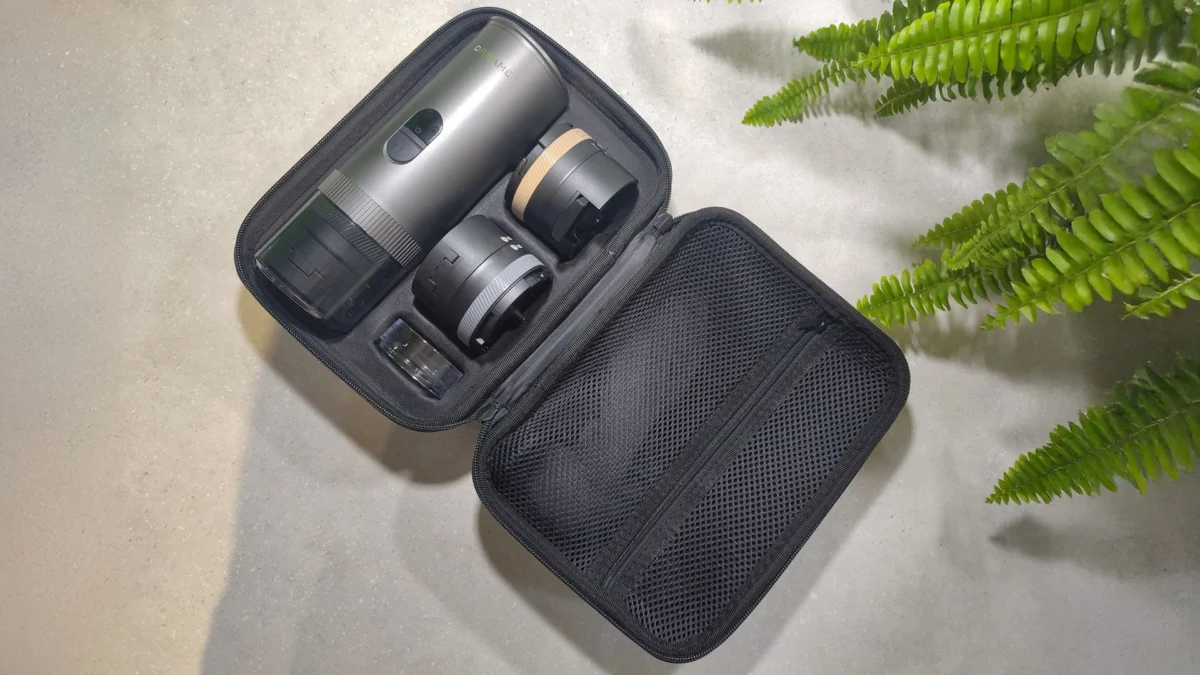
When assembling an emergency disaster kit, households traditionally prioritize water reserves, non-perishable canned food, currency, first-aid supplies, and battery-powered or hand-crank radios. However, as emergency management and grid-reliability experts note, psychological morale during prolonged power outages or utility disruptions is equally vital to human endurance. For millions of daily consumers, the morning ritual of coffee is not merely a preference, but a foundational psychological anchor that provides routine, comfort, and cognitive alertness during high-stress crises.
Historically, emergency preparedness manuals relegated coffee drinkers to instant coffee granules. While functionally simple, instant coffee often fails to satisfy baseline culinary expectations, particularly when basic municipal services collapse. Modern emergency planning recognizes that culinary morale can significantly impact an individual’s coping capacity during natural disasters, prolonged grid failures, or civil emergencies. Consequently, specialty portable coffee equipment has evolved from a niche luxury for backpackers and campers into a legitimate sub-category of emergency preparedness gear.
The Logistics of Emergency Brewing: Water Conservation and Fuel Management
Transitioning from standard domestic coffee machines to emergency apparatuses introduces unique logistical challenges, chief among them being water conservation and thermal energy management. In scenarios where municipal water supplies are compromised, restricted, or entirely cut off, every fluid ounce matters. Traditional drip-coffee systems, such as a Chemex or standard cone drippers requiring filter papers, demand significant water volumes to properly saturate grounds and extract flavor.
Conversely, espresso-style short drinks utilize a much higher coffee-to-water ratio, making them a more resource-efficient method for securing a caffeine fix without rapidly depleting limited water reserves. Experts recommend calculating water allocations meticulously, ensuring that hydration needs are met before dedicating water resources to non-essential beverages.
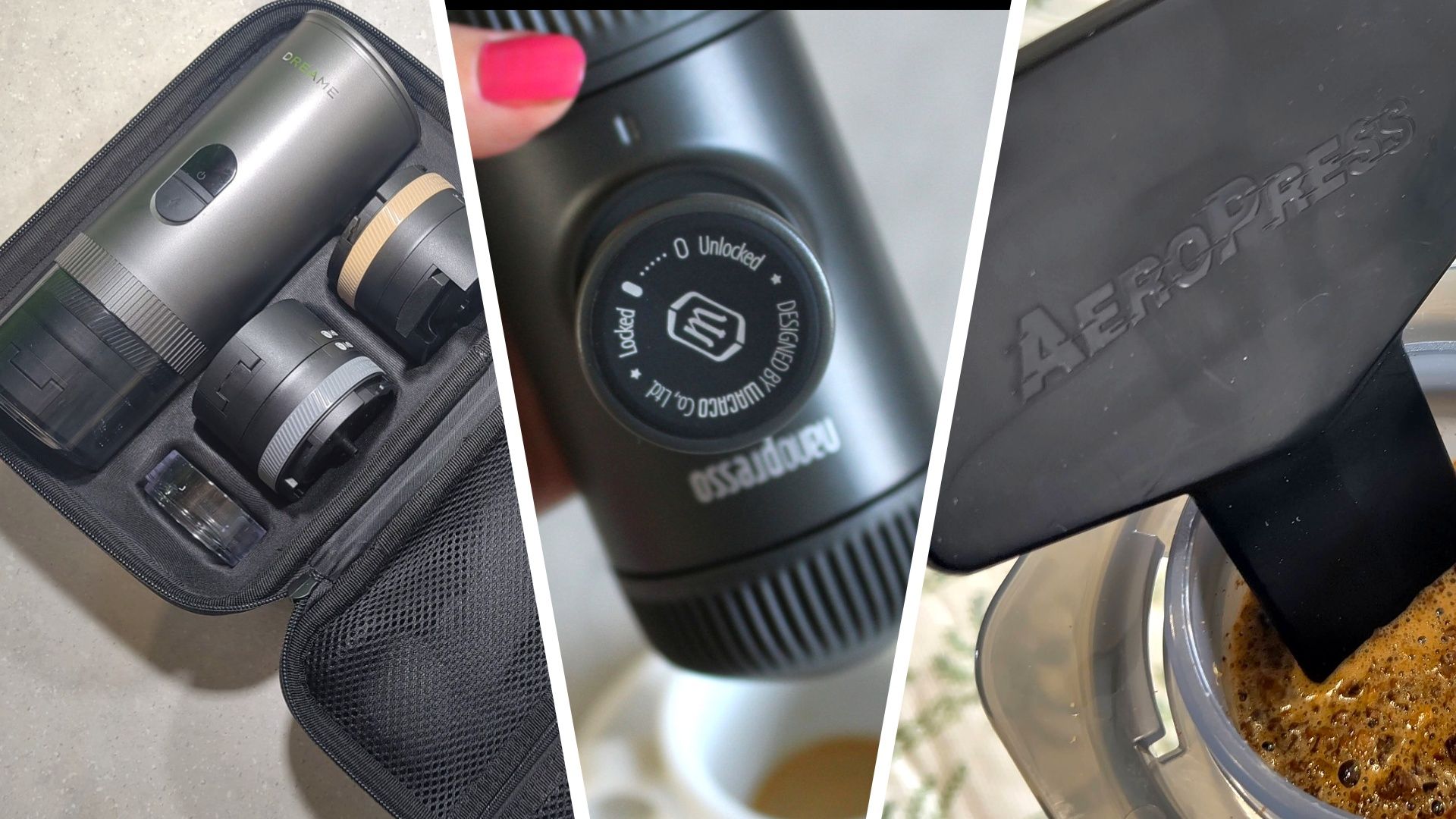
Beyond water, fuel is another critical variable. Without grid-tied electricity, water must be heated via alternative thermal sources. Portable gas camping stoves, such as the widely utilized MSR PocketRocket 2 Mini Stove Kit, have become standard recommendations among outdoor gear specialists and emergency planners. These compact backpacking stoves can elevate water temperature to an optimal extraction zone of approximately 203°F (95°C) in roughly three and a half minutes, providing a reliable bridge between raw water supplies and hot-water-dependent brewers.
Preservation of Coffee Integrity: Beans, Grinds, and Pods
The shelf life and storage conditions of emergency coffee supplies require deliberate planning. While pre-ground coffee offers immediate convenience, it degrades rapidly upon exposure to air, losing volatile aromatic compounds within days or weeks. Whole coffee beans retain their structural and flavor integrity significantly longer, provided they are stored correctly.
Specialty coffee authorities advise storing whole beans in opaque, airtight containers kept in cool, dark environments. Light, heat, atmospheric oxygen, and moisture are the primary catalysts for flavor degradation. To process whole beans during an emergency, individuals must integrate a manual hand grinder into their kit. Crucially, preppers are cautioned against low-grade blade grinders, which act more like food processors that chop beans into uneven fragments, resulting in bitter, uneven extraction. Instead, manual burr grinders—which crush beans uniformly between two abrasive surfaces—are considered essential for maintaining extraction quality.
For individuals seeking absolute simplicity during a high-stress crisis, pre-packaged, foil-sealed coffee pods represent an alternative. Hermetically sealed pods protect individual doses of coffee from oxidation and moisture indefinitely until opened, bypassing the need for separate bean storage, weighing, and grinding.
Chronology of Portable Coffee Innovation
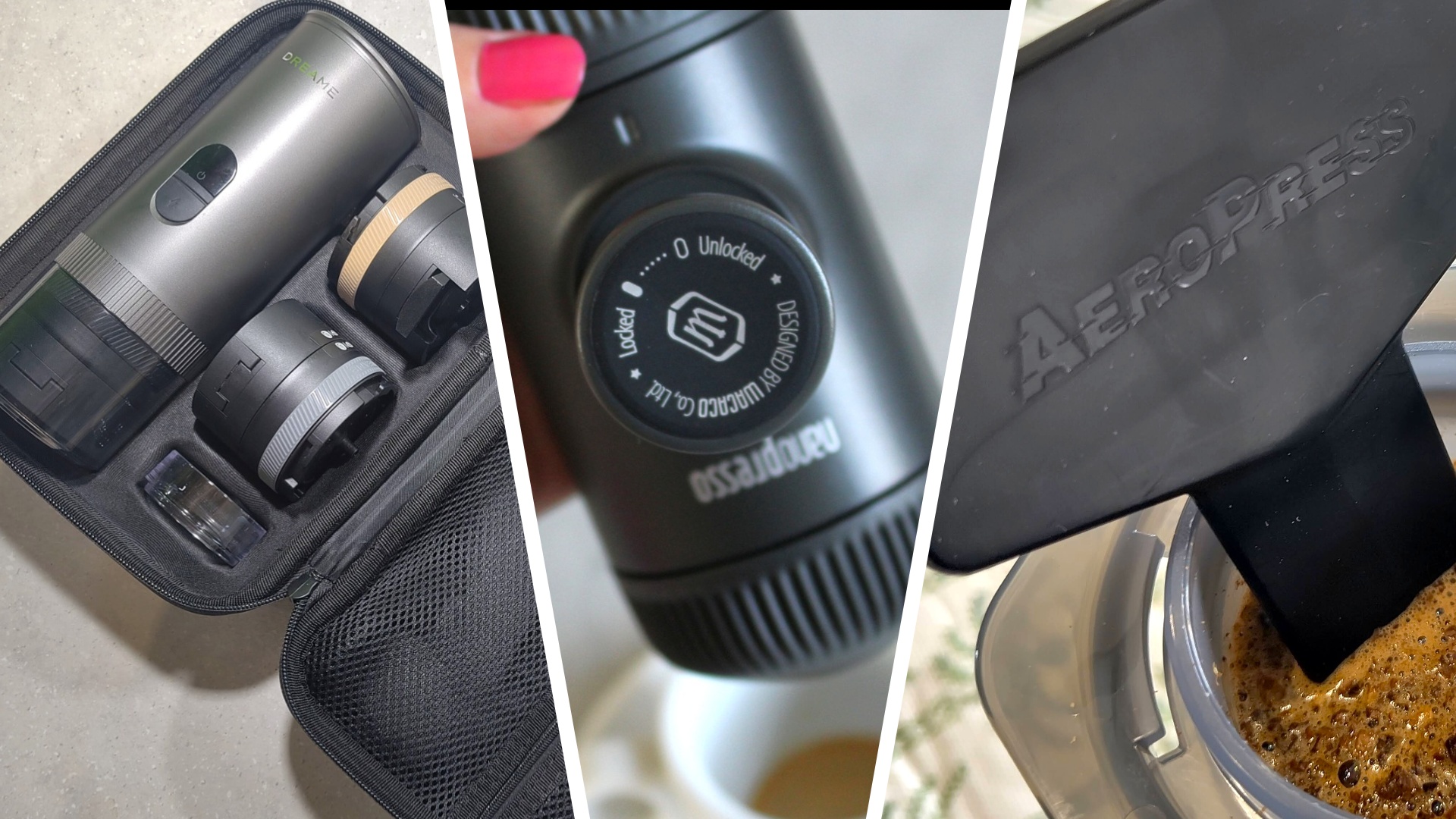
The market evolution of manual and portable brewing technology has accelerated significantly over the past decade, driven largely by the outdoor recreation boom and the specialty coffee movement.
Phase One: The Mechanical Era (Early 2010s)
The initial wave of portable coffee engineering focused primarily on travel-friendly manual immersion brewers, most notably the AeroPress, invented in 2005 by Aerobie aerodynamic engineer Alan Adler. Originally designed for single-cup travel use, the AeroPress quickly gained a cult following among backpackers and emergency preparedness advocates due to its virtually indestructible plastic construction, simple physics, and lack of mechanical failure points.
Phase Two: High-Pressure Manual Hydraulics (Mid-to-Late 2010s)
As consumer demand for espresso outside the home grew, manufacturers began developing hand-powered hydraulic piston systems capable of generating the high bar pressures required for authentic espresso extraction. Devices like the Wacaco Nanopresso entered the market, utilizing internal hand pumps to generate up to 18 bars of pressure entirely through human muscle power, bringing cafe-quality crema to remote and off-grid locations.
Phase Three: Integrated Thermal and Multi-Pod Technology (2020s to Present)
The most recent frontier in portable coffee technology involves battery-powered units with built-in micro-boilers and universal pod adaptability, such as the Dreame Ecceluxe Go. These modern systems eliminate the need for an external stove by incorporating rechargeable heating elements and versatile adapters compatible with multiple pod formats and fresh grounds, signaling a convergence of smart-appliance engineering and off-grid resilience.
Detailed Analysis of Leading Emergency Coffee Systems
To assist households in selecting appropriate gear for an emergency cache, industry analysts have evaluated the leading portable brewing devices based on durability, energy independence, water efficiency, and ease of maintenance.

Wacaco Nanopresso: The Muscle-Powered Espresso Maker
For environments completely devoid of electricity, the Wacaco Nanopresso offers a reliable, self-contained mechanical solution. Weighing very little and small enough to fit inside a standard cargo pocket, the device operates entirely without batteries or electrical wiring.
Users fill the internal chamber with finely ground coffee, tamp it lightly with the provided scoop, and pour hot water into the insulated reservoir. By pumping a patented hand-powered piston system, the user manually builds up to 18 bars of pressure. This hydraulic force pushes hot water through the coffee bed, producing a concentrated shot of espresso topped with a thick layer of crema.
A built-in pressure release valve prevents structural damage or accidents if the user overtamps the grounds. Furthermore, for those who wish to bypass the mess of handling loose grounds during an emergency, an optional NS adaptor allows the Nanopresso to accept Nespresso Original-style capsules. Its robust construction and minimal moving parts make it exceptionally durable in austere conditions.
Dreame Ecceluxe Go: The Autonomous Battery-Powered Station
Representing the pinnacle of modern convenience, the Dreame Ecceluxe Go integrates a battery-powered heating element directly into a portable espresso unit. Unlike manual pump devices, the Ecceluxe Go features a miniature internal boiler. Users pour room-temperature water into the top reservoir—guided by internal measurement lines designed to prevent overfilling and resource wastage—and select the appropriate brew adapter.
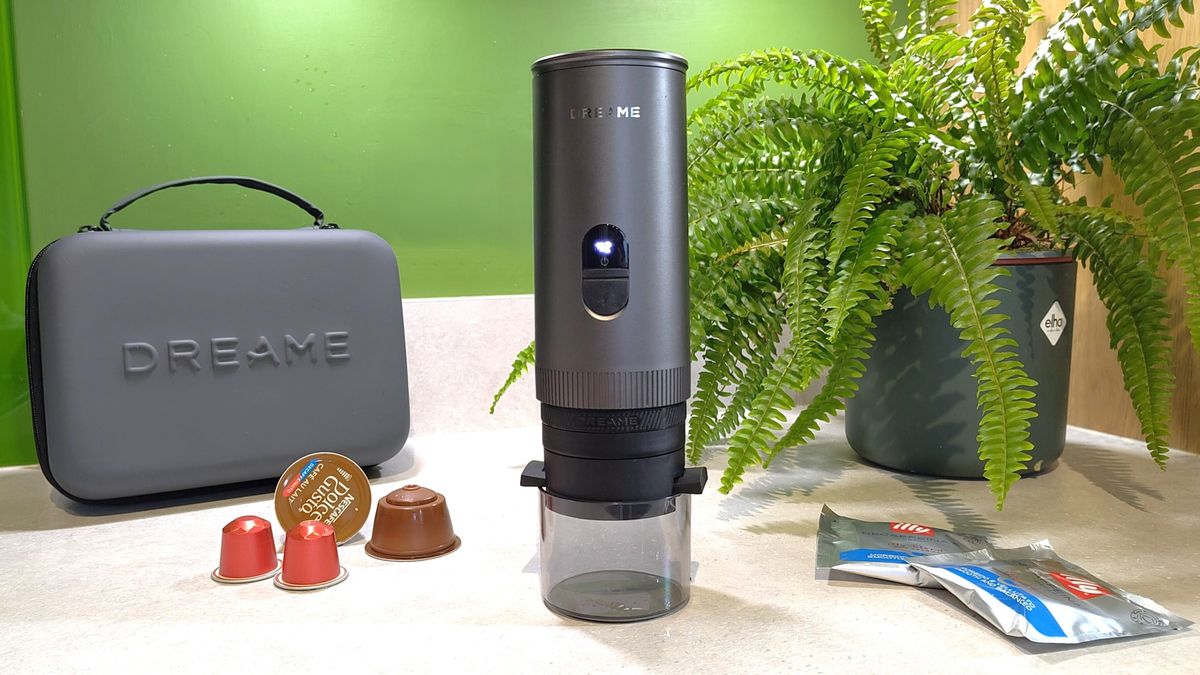
The unit is remarkably versatile, supporting fresh coffee grounds as well as three major pod formats: Nespresso Original, Nestlé Dolce Gusto, and ESE (Easy Serve Espresso) pods. Utilizing room-temperature water, the device heats the liquid internally and brews a shot of espresso in approximately six minutes.
Energy management is handled via USB-C charging. A single charge provides sufficient battery capacity to brew two to three consecutive drinks. During an extended grid failure, the unit can be easily recharged using standard portable power banks, vehicle auxiliary outlets, or solar generators. Housed in a compact, thermos-sized protective case, the Ecceluxe Go is engineered to integrate seamlessly into emergency storage lockers or go-bags. While initial regional rollouts focus on Southern Europe and North America, its universal USB-C charging standard ensures global operational viability.
AeroPress and the AeroPress Manual Coffee Grinder: The Gold Standard for Versatility
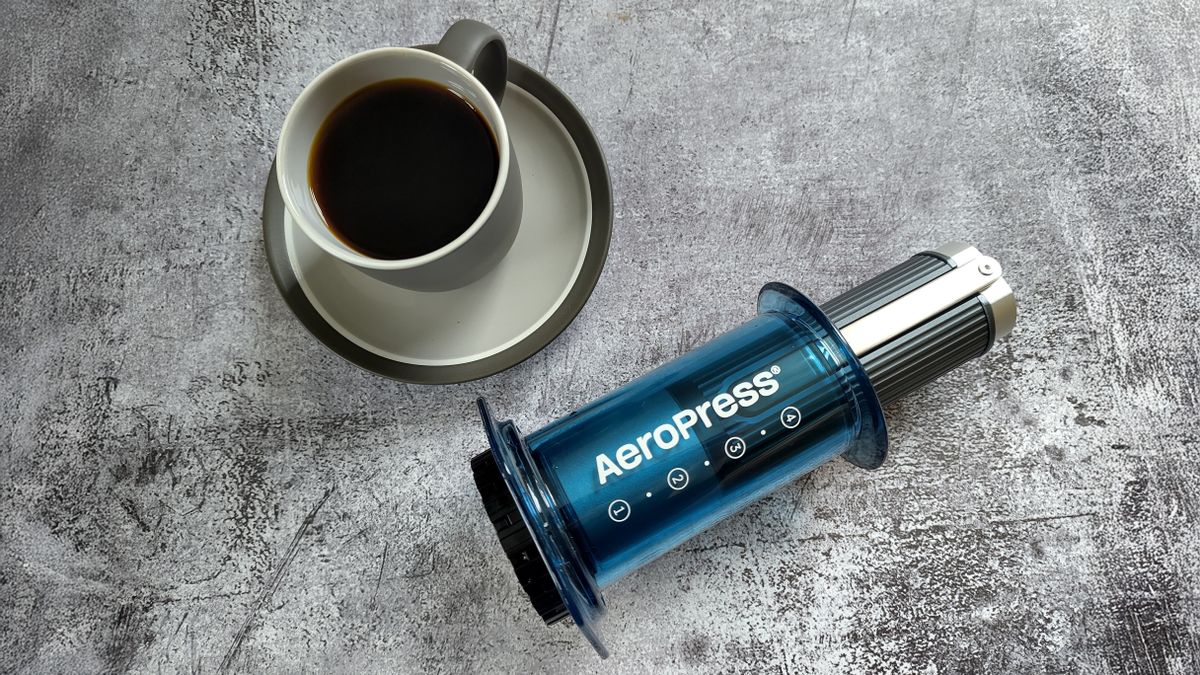
For households opting to store whole coffee beans, pairing a manual grinder with an immersion brewer remains the most reliable and foolproof configuration. The AeroPress Manual Coffee Grinder stands out in this category due to its precise stainless steel conical burrs and adjustable grind settings. Unlike blade grinders that fracture beans unevenly, this hand grinder produces uniform particles optimized for various extraction methods.
The AeroPress brewer itself operates on air-pressure immersion principles. It requires minimal water compared to traditional multi-cup drip machines, allowing users to brew either a concentrated, espresso-like shot for immediate alertness or a larger, smoother cup if water supplies permit. Constructed from durable, shatterproof polymers, the standard AeroPress is practically indestructible. For specialized deployment scenarios, variants such as the rugged stainless steel AeroPress Steel, the high-capacity AeroPress XL for families, and the ultra-compact AeroPress Go provide tailored options for different household sizes and mobility requirements.
Broader Implications and Preparedness Integration
The inclusion of specialized coffee apparatuses in emergency planning reflects a broader cultural shift toward holistic preparedness. Emergency management psychologists increasingly emphasize that mental health and psychological resilience are just as critical as caloric intake and hydration during extended crises.
By maintaining access to familiar, comforting routines like brewing quality coffee, individuals can significantly mitigate anxiety and fatigue during stressful events. Whether choosing the rugged, muscle-powered mechanics of the Wacaco Nanopresso, the high-tech autonomous convenience of the battery-heated Dreame Ecceluxe Go, or the versatile durability of the AeroPress system, modern emergency kits can easily accommodate culinary comfort without compromising resource efficiency. Ultimately, upgrading an emergency supply kit to include premium portable coffee gear ensures that even when the outside world stops functioning, personal standards of comfort and alertness remain uncompromised.