










The United States federal aviation infrastructure faces a reckoning following a catastrophic router outage that paralyzed the National Airspace System (NAS) on Friday, November 13, 2026, marking only the third nationwide ground stop in the history of the Federal Aviation Administration. The event, which grounded over 12,000 flights on the day of the incident and triggered a cascading series of delays affecting more than 20,000 flights over the subsequent weekend, has cast a harsh spotlight on the agency’s reliance on private contractors and the procedural lapses inherent in its ongoing modernization efforts. As investigators from the Department of Transportation and the FAA finalize their analysis of the root cause—a failure linked to the installation of Juniper Networks hardware—industry experts are questioning whether the agency has sacrificed rigorous safety protocols for a "move fast, break things" corporate culture.
A Chronology of the Collapse
The crisis began when the FAA Telecommunications Infrastructure (FTI) network, the backbone of the nation’s air traffic control communication, experienced a massive data surge. According to agency reports, the network was bombarded with 1,000 connection attempts every four to five seconds. This sudden, overwhelming traffic caused widespread instability in radar feeds and voice communications across 17 of the 22 Air Route Traffic Control Centers.
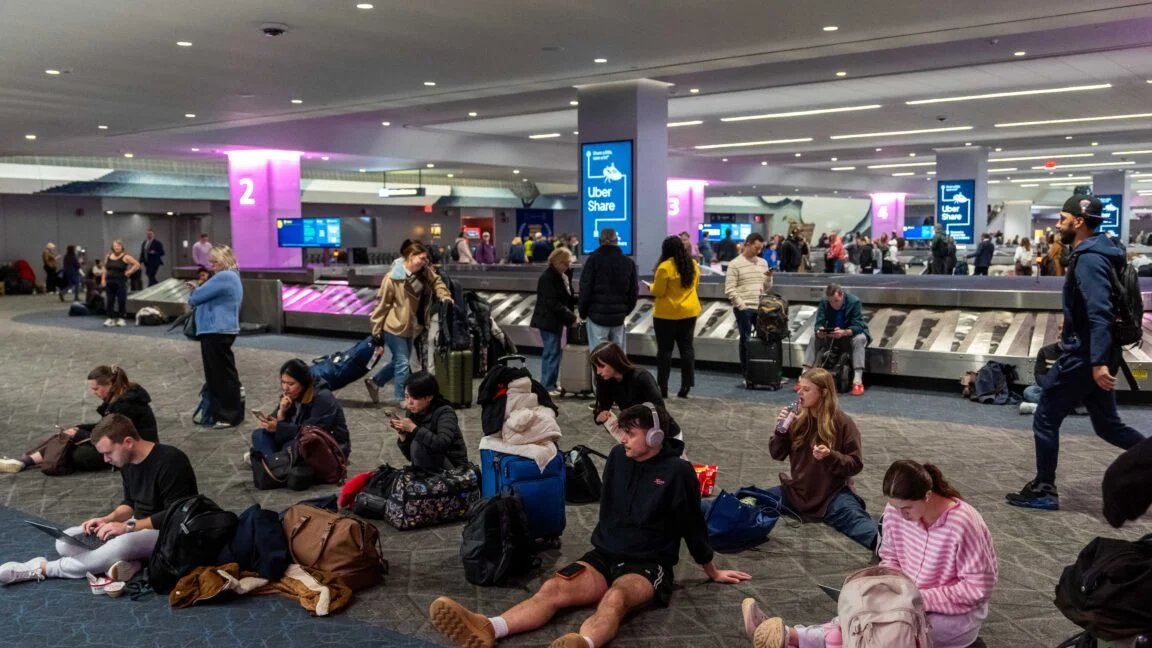
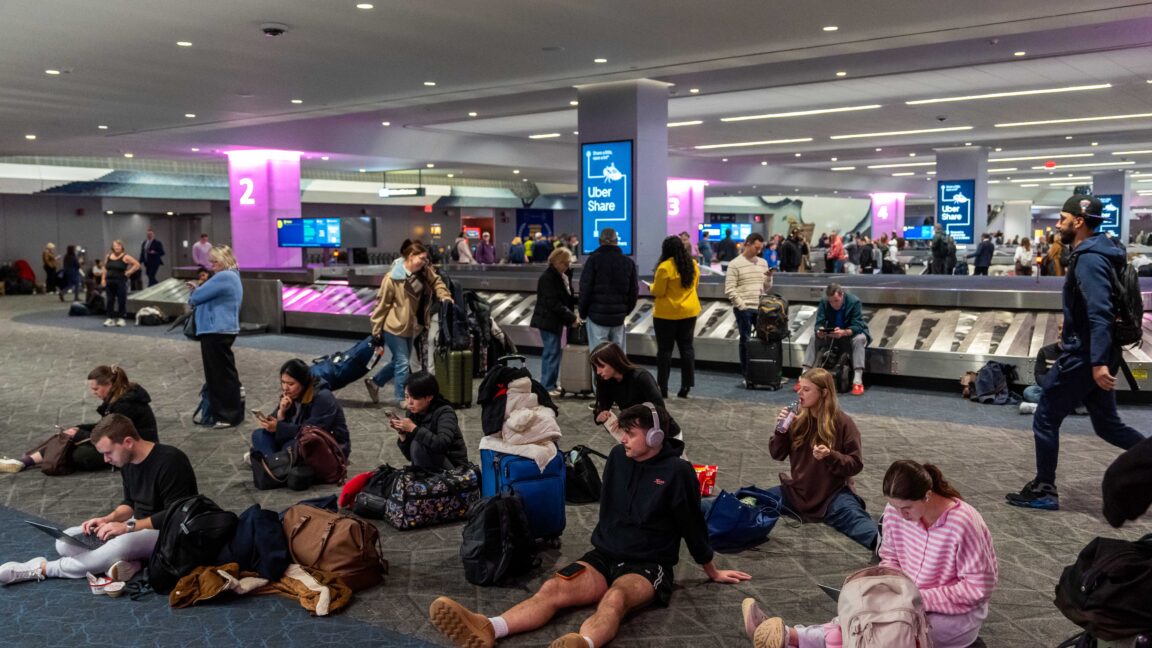
The disruption was not a random cyberattack but a direct result of maintenance activities at remote sites. A radar facility in Amarillo, Texas, and a radio communications site in El Dorado, Arkansas, were identified as the epicenters of the data flooding. L3Harris, the primary network service provider for the FAA, had been in the process of replacing aging 25-year-old Cisco routers with newer Juniper Networks hardware. The failure occurred during the live integration of these devices. While some international flights were permitted to continue departures, the domestic system essentially went dark, leaving over a million passengers stranded in terminals across the country.
The Breakdown of Oversight and Risk Management
Central to the ensuing debate is the role of the Professional Aviation Safety Specialists (PASS) union, which represents the technicians responsible for maintaining the NAS. The union has issued a sharp rebuke, noting that their members were excluded from the critical upgrades that led to the collapse. "Historically, contractors have followed a protocol where FAA employees conduct a risk assessment and coordinate the maintenance," a spokesperson for the union stated.
In this instance, reports suggest that an L3Harris engineer performed the router installation in El Dorado with virtually no direct supervision. FAA protocols typically require a qualified technician to act as a point of contact, ensuring that the work is performed according to safety standards and that the system is properly vetted before being brought online. Instead, the technician on site reportedly provided access to the contractor and then turned his attention to other tasks, unaware of the specific configuration changes being made. This lack of oversight represents a significant departure from the "blast radius" management philosophy that once defined FAA technical operations, where every maintenance action was scrutinized for its potential impact on the national network.
Expert Perspective: The "Blast Radius" Problem
Philip Mann, a former FAA technician and instructor with 17 years of agency experience, suggests that the incident highlights a fundamental misunderstanding of the connectivity within the modern NAS. In an interview, Mann explained that the agency’s failure to differentiate between physical remoteness and network proximity led to the catastrophe. "Duffy [the Transportation Secretary] has acknowledged that they confused the physical location of the facility with how far that system could reach," Mann stated. "On a map, El Dorado is in the middle of nowhere, but in a network diagram, that router was immediately adjacent to all 22 air route traffic control centers."
The traditional FAA approach was to treat every system as a potential point of failure that could propagate across the network. By performing high-risk upgrades during business hours, the agency ignored the fundamental principle of minimizing the impact of potential outages. "We had a rule: thou shalt not be on the front page of the newspaper," Mann added. "We didn’t work on major systems on Fridays, and we certainly didn’t do it without a comprehensive, multi-layered risk assessment."
The Funding vs. Oversight Paradox
Transportation Secretary Sean Duffy has requested a $50 billion infusion to accelerate the modernization of the NAS, framing the ground stop as a symptom of underinvestment. However, analysts and former agency insiders warn that money alone will not solve the systemic issues. The "Silicon Valley" influence on the FAA, which prioritizes rapid deployment over slow-burn, rigorous engineering, has been identified as a potential root cause.
If the agency continues to rely on contractors to handle complex infrastructure without integrating its own veteran technicians into the oversight process, additional funding may only serve to accelerate the frequency of such incidents. The focus, according to many, should shift from the quantity of infrastructure replaced to the quality of the integration process. This includes mandatory "after-hours" scheduling for critical network changes and the requirement that an FAA-certified engineer, not just a contractor, must physically authorize the activation of any new node on the national network.

Resilience in the Face of Failure
Despite the severity of the ground stop, the incident also served as a stress test for the NAS. The system’s ability to "fail gracefully"—by grounding all aircraft to ensure that those already in the air could land safely—demonstrates the fundamental resilience of the safety-first architecture built decades ago. The network degraded to its essential mission: protecting life.
However, the fact that the system was forced to fall back on this ultimate safety mechanism indicates that the current modernization strategy is potentially creating more risk than it is resolving. The introduction of new technologies, including the FAA’s SMART AI system, has raised further questions about the complexity of the modern airspace. While the agency maintains that the SMART AI rollout was coincidental and unrelated to the router failure, the convergence of these events has created a climate of public skepticism.
Moving Forward: A Call for Transparency
As the FAA prepares to announce the final investigative findings, the aviation industry and the traveling public are demanding more than just a technical explanation of the router configuration error. There is a call for a fundamental audit of the agency’s relationship with private contractors.
To prevent a recurrence, the FAA must address three critical areas:
- Mandatory Oversight: Reinstate the requirement that FAA-represented technicians oversee every aspect of critical network upgrades.
- Standardized Risk Assessments: Develop a unified, network-wide impact analysis tool that visualizes the reach of every node, regardless of its physical location.
- Cultural Shift: Re-establish a culture of "safety-first" engineering that prioritizes long-term system stability over the speed of modernization.
The November 13th ground stop was a wake-up call. The US National Airspace System is currently in a state of transition, caught between legacy systems that are robust but aging and a new, interconnected digital architecture that is powerful but prone to cascading failure. Without a deliberate effort to bridge the gap between contractor-led innovation and government-led oversight, the risk of another nationwide shutdown remains a tangible threat to the global aviation economy. The upcoming disclosure by Secretary Duffy will be the first step in determining whether the FAA is prepared to reform its internal processes or whether the system is destined to repeat the errors of the past.