The automotive world is witnessing a significant shift in how legacy performance vehicles are treated, as high-end engineering firms move beyond simple restoration to reimagine iconic platforms for the modern era. HWA AG, the German engineering powerhouse founded by Hans Werner Aufrecht, has begun teasing a project that promises to bring one of the most storied vehicles in Mercedes-Benz history back to the spotlight: the AMG Hammer. By targeting the W124 platform—the chassis that cemented AMG’s reputation as a world-class tuner—HWA is positioning itself to bridge the gap between 1980s mechanical purity and contemporary engineering standards.
The Genesis of the Hammer: A Turning Point in Performance
To understand the significance of the HWA project, one must first look at the historical context of the original AMG Hammer. During the mid-1980s, the automotive landscape was fundamentally different. AMG, then an independent tuning company based in Affalterbach, was tasked with transforming the Mercedes-Benz 300E—a respectable, albeit conservative, executive sedan—into a vehicle capable of challenging the world’s most elite sports cars.
The resulting "Hammer" was not merely a cosmetic upgrade. AMG engineers replaced the factory 3.0-liter inline-six engine with a bespoke 5.5-liter V8, a process that required extensive modification to the engine bay and the vehicle’s structural integrity. The engine was meticulously balanced, featuring custom cylinder heads and upgraded internal components that allowed it to produce 355 horsepower and 388 pound-feet of torque. In 1986, these figures were nothing short of astronomical. The Hammer was capable of reaching a top speed of 186 mph, an achievement that effectively placed it in the same performance bracket as the Ferrari Testarossa of the same era.
The impact of the Hammer went beyond raw power. It proved that a German sedan could provide high-speed stability, luxury, and reliable daily drivability while simultaneously dominating the autobahn. This dual-purpose performance became the cornerstone of the AMG philosophy, a brand ethos that eventually led to its full acquisition by Mercedes-Benz.
HWA: The Engineering Pedigree
The firm currently behind the tease of the new Hammer is HWA AG, a company with deep institutional ties to the legacy of Mercedes-Benz performance. Founded in 1998 by Hans Werner Aufrecht, the company was established following the reorganization of AMG’s racing operations. Aufrecht, a foundational figure who co-founded AMG in 1967, brought decades of experience in DTM (Deutsche Tourenwagen Masters) racing and high-performance vehicle development to the new firm.
HWA has spent the last quarter-century functioning as a premier engineering partner for automotive manufacturers. Their work extends beyond simple modification; they are known for their ability to manage complete vehicle development cycles, from powertrain integration to aerodynamic testing. Their recent foray into the "restomod" market—most notably with the HWA Evo, a modern, extreme interpretation of the Mercedes-Benz 190E 2.5-16 Evolution II—has set a high bar for what fans can expect from this upcoming Hammer project.
Chronology of the Hammer Legacy
- 1967: Hans Werner Aufrecht and Erhard Melcher establish AMG.
- 1986: The debut of the AMG Hammer based on the W124 E-Class platform.
- 1990: Mercedes-Benz and AMG sign a cooperation agreement, formalizing their partnership.
- 1998: Hans Werner Aufrecht founds HWA AG to manage the racing and high-performance engineering legacy.
- 1999: Mercedes-Benz acquires a majority stake in AMG, turning it into a wholly owned subsidiary.
- 2024: HWA begins teasing a new restomod project, widely identified as a modern take on the W124 Hammer.
Technical Implications of a Modern Hammer
A restomod, by definition, combines the classic aesthetic of a vintage car with the performance, reliability, and safety of modern technology. For HWA to successfully replicate the spirit of the Hammer, the firm must balance the weight distribution of the W124 chassis with a modern powertrain.
While HWA has not yet released the full specifications for the new Hammer, industry analysts suggest the project will likely utilize a modern Mercedes-AMG V8 engine, potentially tuned to exceed the power output of the original, while utilizing carbon fiber body panels to reduce curb weight. Modern electronic control units (ECUs), advanced suspension geometry, and braking systems will be necessary to ensure the vehicle meets current safety standards while providing the visceral driving experience for which the original was famous.
The use of the W124 platform is particularly significant. Widely considered one of the most over-engineered sedans ever produced, the W124 offers a robust foundation for high-performance modifications. The chassis was designed for durability and long-term structural integrity, making it an ideal candidate for a restomod that intends to handle significantly higher torque loads than the original engineers ever anticipated.
Market Impact and the Rise of the Restomod Sector
The decision by HWA to focus on the W124 Hammer reflects a broader trend in the automotive industry. Collectors are increasingly seeking vehicles that combine the "analog" feel of classic engineering with the reliability of modern mechanical components. The restomod market, valued in the billions, is currently driven by firms like Singer (for Porsche) and HWA (for Mercedes-Benz), which cater to enthusiasts who want the prestige of a historical icon without the maintenance and mechanical limitations of a 40-year-old vehicle.
For HWA, the success of the Evo project—which sold out rapidly despite its high price point—demonstrates that there is a robust market for limited-edition, bespoke vehicles. By reviving the Hammer, HWA is not just building a car; they are curating a piece of automotive history.
Future Outlook and Official Stance
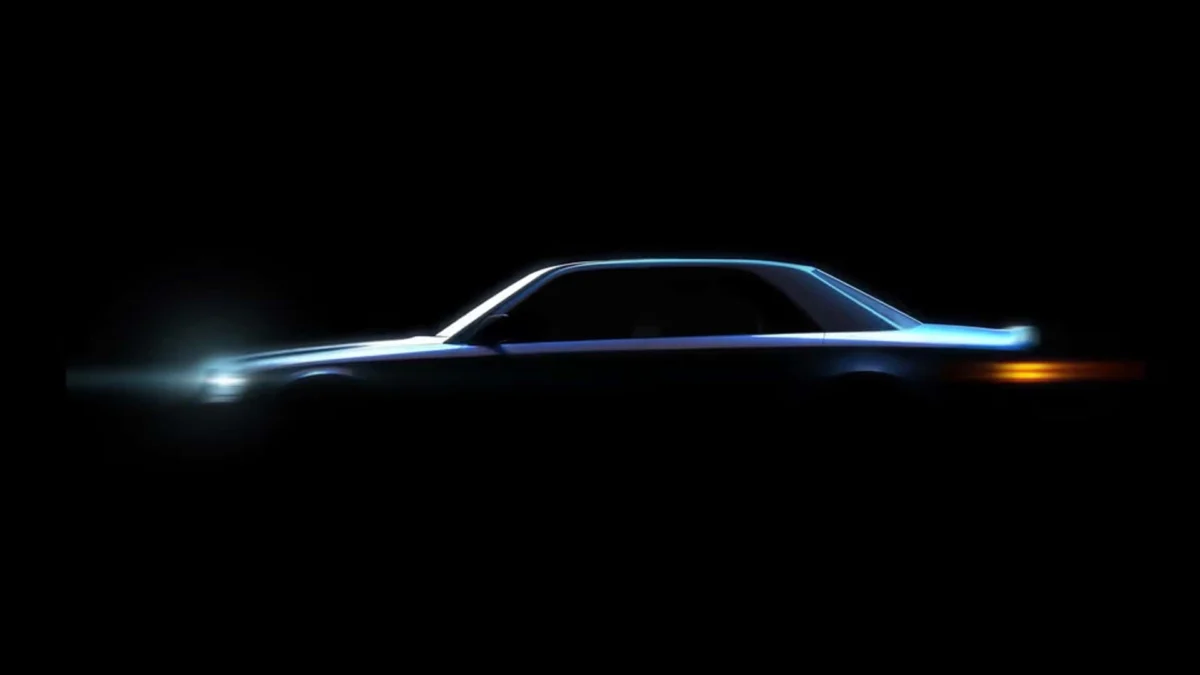
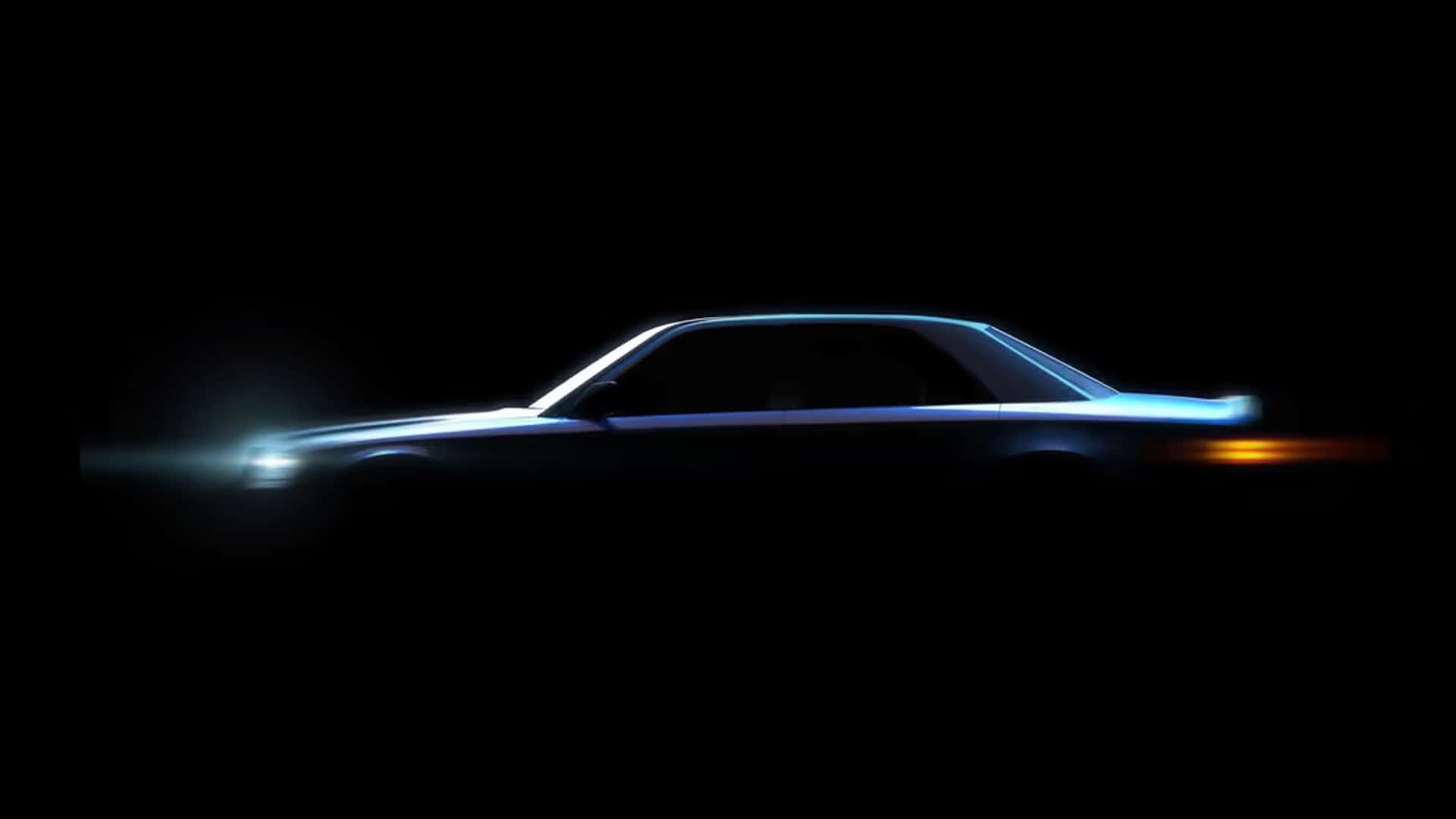
While HWA has maintained a degree of secrecy regarding the final production numbers and pricing, the teaser images provided by the firm confirm that the iconic, boxy silhouette of the W124 remains the focal point of the design. The company has emphasized that the goal is to honor the original Hammer’s reputation for "brutal performance" while ensuring the vehicle remains as "civilized" as a daily-driven luxury sedan.
Industry observers note that the success of this project will likely hinge on HWA’s ability to maintain the "Mercedes-Benz" identity. Unlike mass-produced vehicles, the HWA Hammer will be a boutique build, likely targeting high-net-worth collectors who prioritize craftsmanship and rarity.
The upcoming debut of the project is expected to occur at a major automotive venue, potentially following the pattern established by the HWA Evo’s unveiling at the Goodwood Festival of Speed. Until then, the automotive world remains in a state of high anticipation, waiting to see if HWA can successfully translate the spirit of the 1980s legend into a 21st-century machine. The Hammer, if executed with the precision HWA is known for, will likely serve as a definitive example of how engineering firms can preserve the legacy of the internal combustion engine in a rapidly evolving market.
As the automotive sector transitions toward electrification, these high-performance, internal-combustion restomods occupy a unique space. They represent the pinnacle of the traditional era of performance, serving as a swan song for the mechanical engineering prowess that defined the late 20th century. Whether the new Hammer will mirror the original’s role in putting a tuner on the global stage remains to be seen, but for HWA, the objective is clear: to ensure that the "Hammer" name continues to command the same level of respect and awe it earned nearly four decades ago.