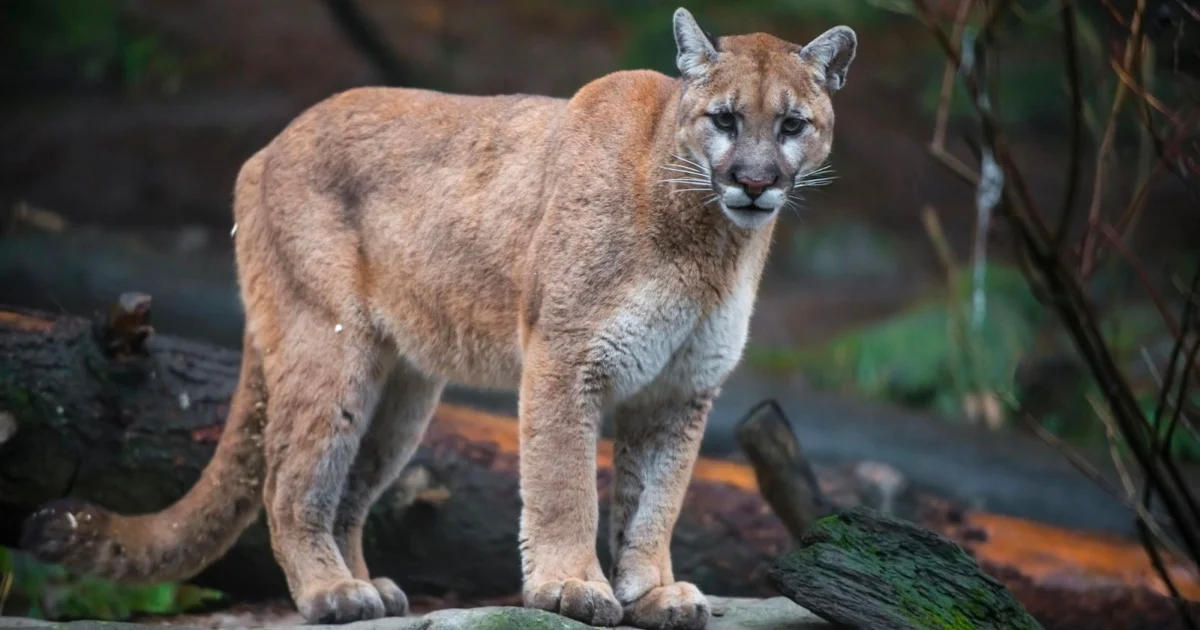
A routine roadside stop for a landscape photographer in the vicinity of Yellowstone National Park transformed into a life-threatening struggle for survival when a 70-pound mountain lion launched an aggressive attack on both the photographer and his pet. Adam Borkhus, a resident of Cody, Wyoming, was forced into a desperate physical confrontation with the apex predator after the animal ambushed his two-year-old Labrador, Diesel. The incident, which highlights the latent dangers inherent in the American West’s wild spaces, resulted in significant injuries for Borkhus and a harrowing lesson in the unpredictability of wildlife interactions.
The Chronology of the Encounter
The sequence of events unfolded rapidly during what was intended to be a standard photographic excursion. Borkhus, a seasoned outdoorsman accustomed to the rugged terrain of the Teton wilderness, pulled his vehicle off the road to swap camera lenses. During this brief pause, he released his Labrador, Diesel, to stretch his legs.
Within moments of exiting the vehicle, the tranquility of the setting was shattered by a sharp yelp from the dog. Upon rushing toward the source of the noise, Borkhus discovered Diesel pinned by a mountain lion. The predator, a mid-sized specimen weighing approximately 70 pounds, had secured a grip on the dog, triggering an immediate and instinctive reaction from the owner. Despite being armed with both bear spray and a firearm, Borkhus made the split-second decision to eschew his defensive tools, fearing that discharging a weapon or deploying chemical irritants in such close proximity would result in collateral damage to his pet.
Relying solely on his physical stature—Borkhus stands 6 feet 3 inches tall and weighs 300 pounds—he delivered a decisive kick to the mountain lion’s face. The intervention successfully forced the cat to release the dog, but the immediate consequence was a shift in the animal’s aggression. The cougar redirected its focus toward the human challenger, pouncing on Borkhus and forcing him to the ground. For an estimated 20 seconds, the two were locked in a violent struggle. While the lion swiped at him with its claws, Borkhus engaged in a tactical defense, using one hand to keep the animal’s jaws at bay while striking with the other. The confrontation concluded only when Borkhus managed to gain a grip on the cat’s ear, pulling with sufficient force to drive the animal away. Both man and dog retreated to the vehicle, escaping the encounter with their lives, though Borkhus required subsequent medical intervention, including a series of intensive rabies vaccinations.
Understanding the Mountain Lion (Puma concolor)
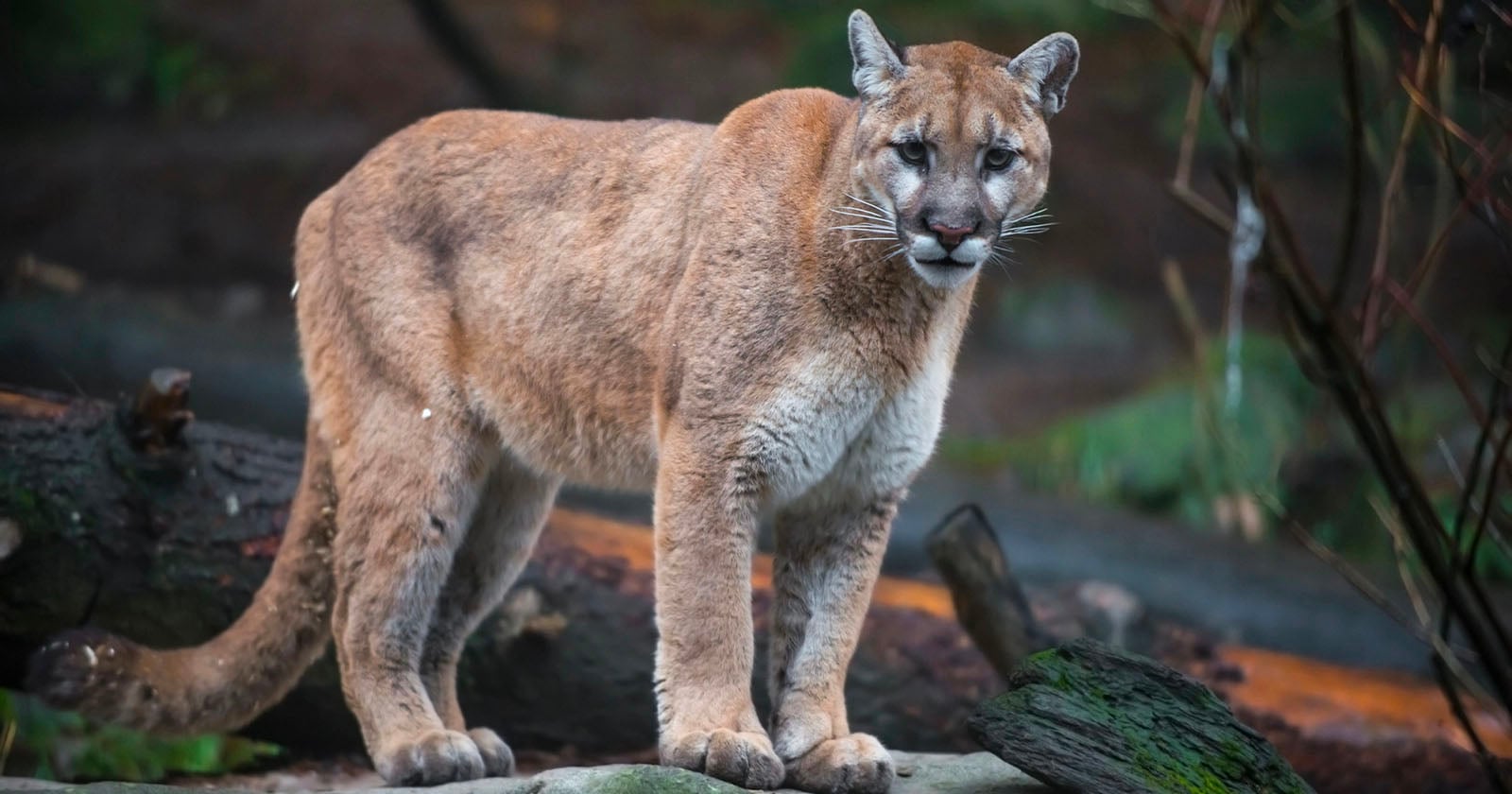
Mountain lions, also known as cougars or pumas, are elusive, solitary predators that inhabit a wide range of ecosystems across the Western United States. According to wildlife biologists, they are generally shy and avoid human contact; however, their behavior can change drastically if they feel cornered or threatened.
A mountain lion weighing 70 pounds is considered a sub-adult or a smaller female, but despite its relatively modest size, the species possesses lethal capabilities. With a bite force capable of crushing bone and retractable claws designed for gripping and tearing, even a small individual can inflict catastrophic injuries. In the context of the Yellowstone ecosystem, human-mountain lion encounters remain statistically rare. Research from organizations such as the Mountain Lion Foundation indicates that these animals typically view humans as a threat rather than a food source.
The incident involving Borkhus is viewed by experts as a "collision of unpredictable variables." Joshua Lisbon, a researcher with the Mountain Lion Foundation, characterized the event as a statistical anomaly, noting that the likelihood of such a specific sequence of events is akin to being struck by lightning. The fact that Wyoming has never recorded a fatal mountain lion attack underscores the rarity of the confrontation.
The Dynamics of Wildlife Defense
The decision-making process during an animal attack is often dictated by adrenaline and instinct, yet wildlife experts frequently analyze these events to provide guidance for future encounters. Borkhus’s choice to engage physically rather than utilizing his bear spray is a point of contention among safety professionals.
While bear spray is highly effective against grizzlies and other large mammals, its utility in a rapid-fire, close-contact struggle is nuanced. Deploying spray at point-blank range can be difficult, and as Borkhus noted, the risk of cross-contamination to the handler or a pet is significant. However, standard protocol for most wildlife agencies—including the National Park Service and the Wyoming Game and Fish Department—recommends the use of non-lethal deterrents whenever possible. Physical combat with a mountain lion is considered a "last resort" measure, as the risk of sustaining severe lacerations or puncture wounds is exceedingly high.
Medical Implications and Post-Incident Recovery
Following the attack, the medical requirements for a bite victim are stringent. Beyond the immediate treatment of puncture wounds and lacerations, the risk of zoonotic diseases necessitates a post-exposure prophylaxis (PEP) protocol. Rabies, while rare in mountain lions, is a fatal viral disease if not treated immediately upon potential exposure. The series of injections, which are notoriously painful and physically taxing, represents a significant portion of the post-attack recovery process.
Borkhus’s recovery serves as a reminder of the secondary dangers associated with wildlife encounters. Even when the initial physical threat has been neutralized, the biological risks—ranging from infection to systemic immune responses—require professional medical supervision.
Broader Impact and Wildlife Management
The incident has prompted renewed discussions regarding the intersection of human recreation and wild animal habitats. As more individuals venture into remote regions of the Rockies, the frequency of human-wildlife encounters may inevitably rise. Management agencies often emphasize the importance of situational awareness: keeping pets on leashes, carrying appropriate deterrents, and maintaining a heightened sense of vigilance when stopping in wilderness areas.
While this specific event resulted in a survival outcome, it serves as a stark case study for regional wildlife authorities. The behavior of the mountain lion—which did not seem to be actively hunting, but rather reacting defensively—suggests that even "routine" encounters can escalate due to the animal’s natural defensive instincts. For the residents of Cody and the broader Wyoming community, the story of Adam Borkhus and his dog, Diesel, stands as a testament to the unpredictable nature of the American wilderness.
Ultimately, the event underscores a sobering reality: despite our modern tools and technology, humans remain visitors in a landscape dominated by apex predators. The outcome, while fortunate, highlights the importance of preparedness, the fragility of the human-wildlife balance, and the necessity of respecting the space required by the animals that call the Yellowstone ecosystem home. As authorities continue to monitor regional wildlife activity, the story of the struggle on that roadside serves as a permanent, cautionary footnote for all who traverse the untamed West.