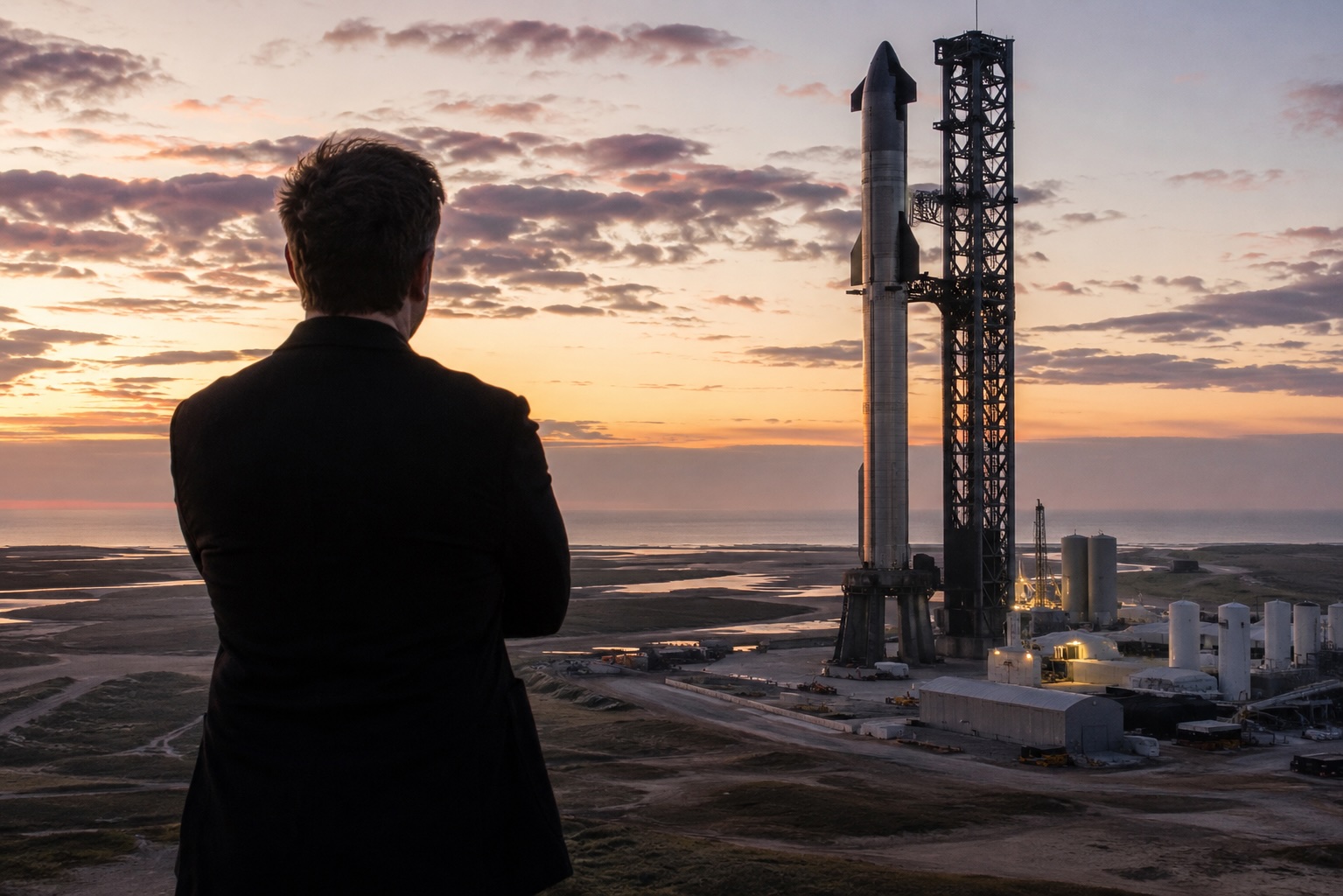
SpaceX has successfully cleared the final regulatory hurdle required to proceed with one of the most ambitious milestones in its heavy-lift rocket development program. Late Saturday evening, the Federal Aviation Administration (FAA) officially issued the modified launch license for Starship Flight 14. This crucial regulatory approval keeps the vehicle firmly on track for an instantaneous liftoff window opening at 7:15 a.m. Central Time on Monday, September 28, from Pad 2 at the company’s Starbase facility in Boca Chica, Texas. With backup launch windows already formally scheduled and secured for September 29 and September 30, flight controllers, engineers, and aerospace enthusiasts alike are bracing for a mission that marks a major structural and commercial transition for the private spaceflight pioneer.
Unlike preceding integrated flight tests, which focused primarily on atmospheric re-entry profiles, thermal protection system performance, and ship-to-booster hot-staging choreography, Flight 14 represents a foundational turning point. It is officially designated as SpaceX’s very first revenue-generating orbital mission. The stakes for this launch are remarkably high, as the corporation looks to prove not only the structural integrity of its fully integrated launch system but also its immediate viability as a high-volume cargo delivery platform capable of reaching stable low-Earth orbit.
Regulatory Roadmap and Operational Preparations
The issuance of the FAA license followed days of intense final preparations at Starbase. On September 24, SpaceX successfully executed a comprehensive wet dress rehearsal. During this critical pre-launch milestone, teams loaded fully operational loads of liquid oxygen and liquid methane propellants into both Booster 21 and Ship 41 while executing a full countdown sequence down to the final seconds before propellant offloading.
Because Flight 14 breaks new ground by pursuing a true orbital trajectory rather than a suborbital arc, the FAA was legally and procedurally compelled to issue a heavily modified launch license. This specialized permit required exhaustive reviews addressing rigorous updated safety margins, payload containment parameters, trajectory control assurances, and expanded commercial financial responsibility thresholds.
Aviation and aerospace observers analyzing the freshly published regulatory documentation also noted an intriguing environmental update: lightning hazards have been entirely removed from the hazard assessment list for Starship’s operational parameters at this site. While this adjustment had minimal impact on the immediate Texas launch preparations, industry analysts point out that it carries profound strategic implications for SpaceX’s expanding geographic footprint. Florida’s Space Coast—home to historic Launch Complex 39A (LC-39A)—and the burgeoning Starbase facility slated for development in Louisiana experience some of the highest lightning frequencies in the United States. Eliminating or streamlining these regulatory hurdles for weather-related constraints could drastically improve launch cadence once operations scale up across multiple spaceports.
Mission Profile and Operational Objectives
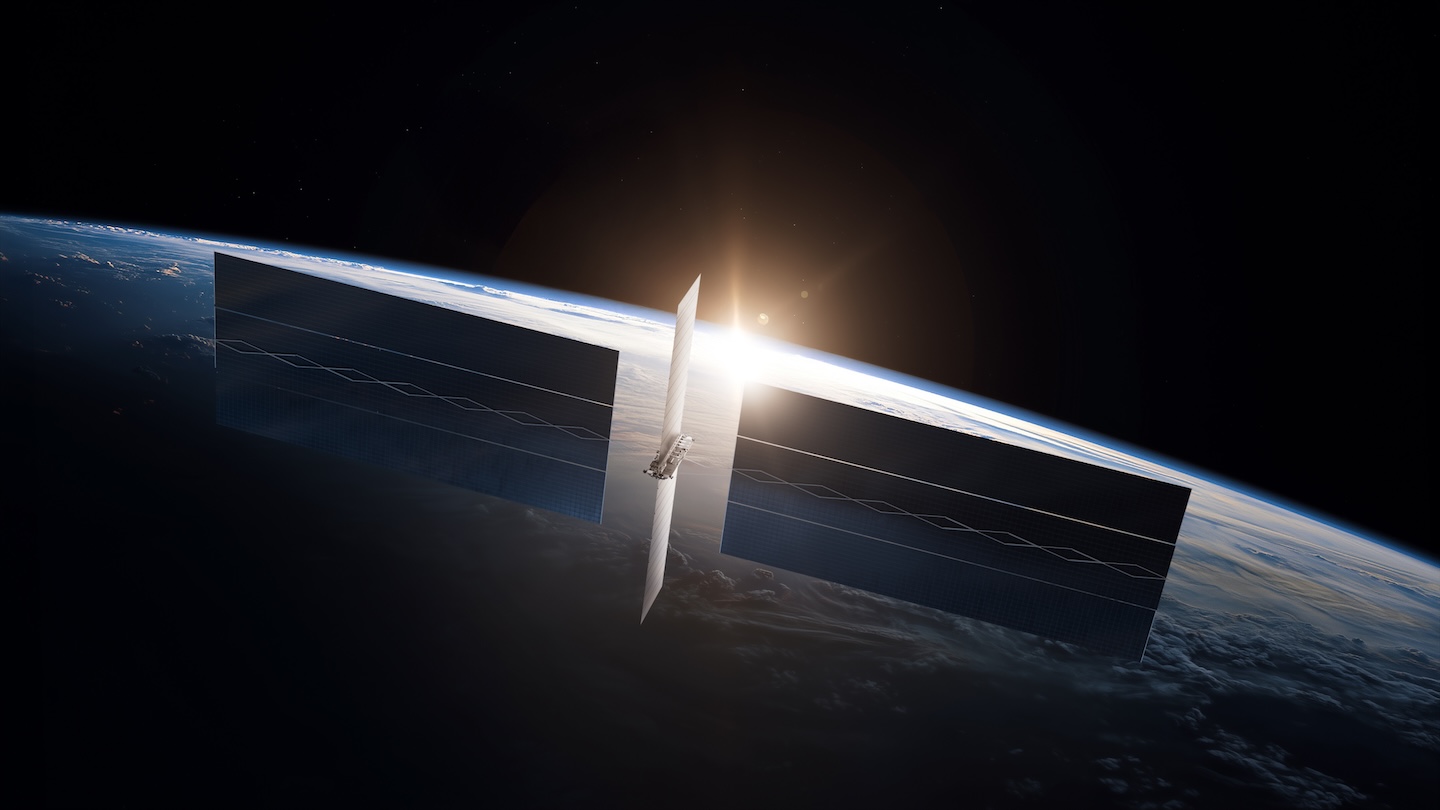
The architecture of Flight 14 reflects months of meticulous engineering iterations, culminating in a mission profile designed to stress-test numerous next-generation subsystems simultaneously. Per mission planning documents submitted to the Federal Communications Commission (FCC) and subsequent operational disclosures, Ship 41 is configured to carry a payload consisting of 26 Starlink V3 satellites. These units represent the very first operational deployment of the V3 architecture, which boasts vastly expanded data-handling capabilities and larger physical dimensions compared to its predecessors.

Once cleared from Pad 2, the two-stage vehicle will execute its characteristic hot-staging maneuver, separating the Super Heavy booster from the upper-stage Starship. The Super Heavy booster is programmed to perform a controlled return-to-launch-site trajectory, culminating in a precision splashdown within the designated safety zones of the Gulf of Mexico. Meanwhile, Ship 41 will push onward toward space, targeting an orbital altitude of approximately 275 kilometers.
Mission controllers have outlined a rigorous sequence for the upper stage. Ship 41 is scheduled to execute roughly six complete orbits around the Earth over a total mission duration spanning just under ten hours. Crucially, SpaceX has implemented a strict failsafe protocol: the spacecraft will only commit to its final orbital insertion burn after flight controllers thoroughly verify that sufficient hardware redundancy remains onboard to execute a safe deorbit burn at the conclusion of the mission profile. Upon completing its operational parameters, Ship 41 will target a controlled splashdown in the Pacific Ocean west of Chile.
Symbolism and Chronological Context

The timing of the launch attempt carries a profound layer of historical symbolism for the aerospace community. A Monday liftoff will occur precisely ten years and one day after Elon Musk first unveiled the Interplanetary Transport System—the visionary, gargantuan architectural concept that ultimately evolved into the Starship program—at the International Astronautical Congress in Guadalajara, Mexico, on September 27, 2016. What began a decade ago as a theoretical design concept paper has rapidly materialized into the world’s most powerful operational rocket system.
Furthermore, the operational momentum at Starbase shows no signs of slowing down regardless of Monday’s precise outcome. Preliminary air traffic planning schedules and manifest documents emerging this week indicate that SpaceX is already looking toward the horizon, outlining potential plans for Flight 15 no earlier than October 19. Additionally, preparations for the first-ever orbital Starship launch from LC-39A in Florida are preliminarily penciled in for no earlier than October 30, pending both the regulatory approvals for the Florida site and the real-world performance telemetry returned by Flight 14.
Broader Industry Implications and Technological Convergence
The launch of Starship Flight 14 arrives amid a flurry of strategic corporate developments that underscore the growing convergence between commercial space transportation and advanced digital infrastructure. In recent weeks, SpaceX has found itself at the center of high-profile technological partnerships, most notably through overlapping interests with major tech firms eager to harness orbital environments for heavy computing workloads.
While Google recently utilized a SpaceX Transporter rideshare mission to initiate its Project Suncatcher AI research satellites—testing space-hardened Tensor Processing Units in low-Earth orbit—SpaceX’s own long-term ambitions for orbital computing remain intertwined with the evolution of the Starlink V3 architecture. Musk has repeatedly emphasized that the sheer volume of global computational demand will eventually necessitate placing massive data centers directly into orbit, leveraging ultra-cheap, high-cadence heavy-lift capabilities provided by reusable vehicles like Starship.
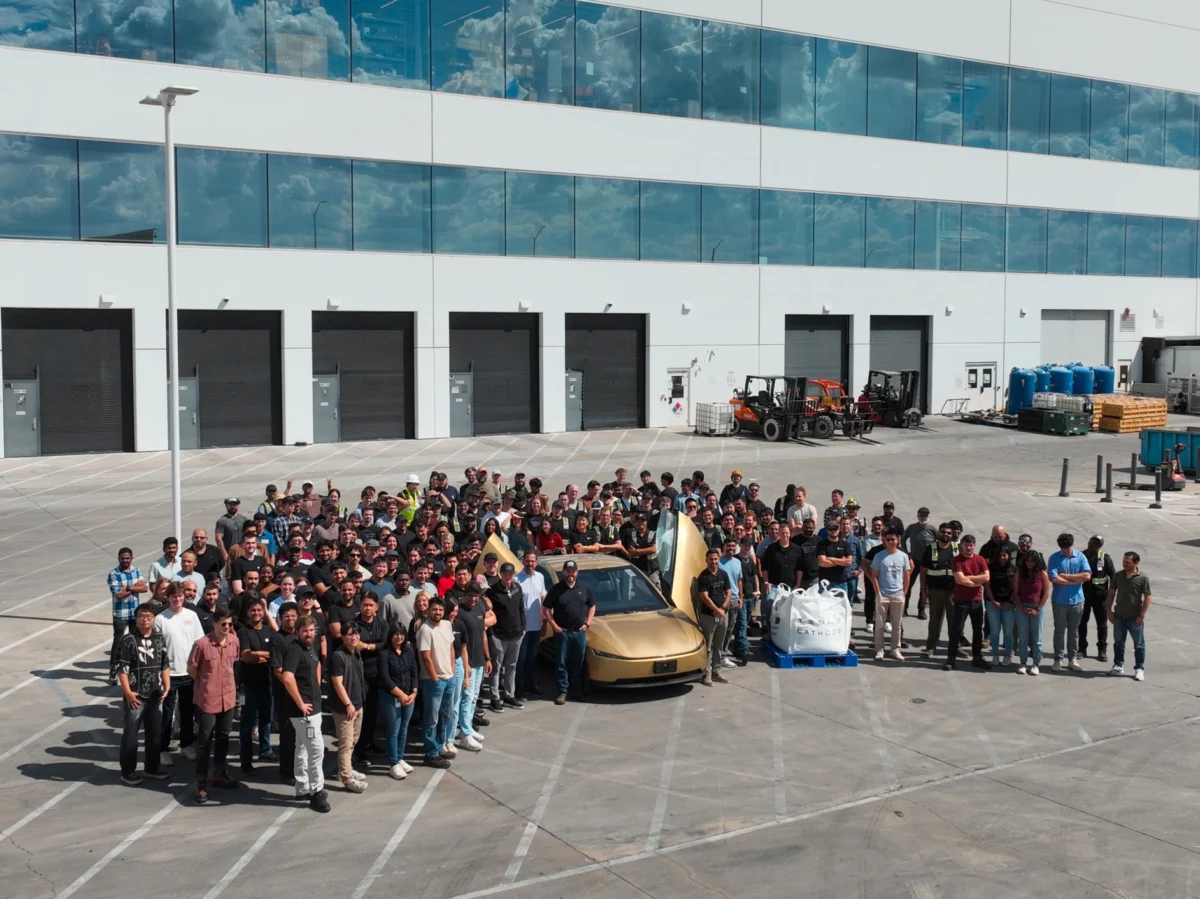
Concurrently, internal supply chain optimizations continue to fortify the broader Musk corporate ecosystem. Tesla’s recent breakthrough in producing its first Cybercab vehicle utilizing active cathode material manufactured directly from its newly operational in-house plant in Texas illustrates a shared corporate ethos: aggressive vertical integration aimed at insulating critical high-tech hardware from geopolitical volatility and external supply chain bottlenecks. Similarly, SpaceX’s rigorous approach to safeguarding its proprietary digital networks—highlighted by recent aggressive legal actions against coordinated engagement-farming rings on the X platform—reflects an unyielding corporate stance on operational integrity, data authenticity, and structural security.

As the countdown clock ticks toward Monday morning, the eyes of the global aerospace industry remain fixed on Boca Chica Beach. Flight 14 is far more than just another test flight in an iterative development campaign; it is a definitive stress test of hardware, software, and regulatory frameworks. If successful, it will officially inaugurate an era where fully reusable heavy-lift rocketry routinely delivers commercial payloads to orbit, permanently reshaping the economics of access to space and setting the stage for humanity’s next great leaps into the cosmos.