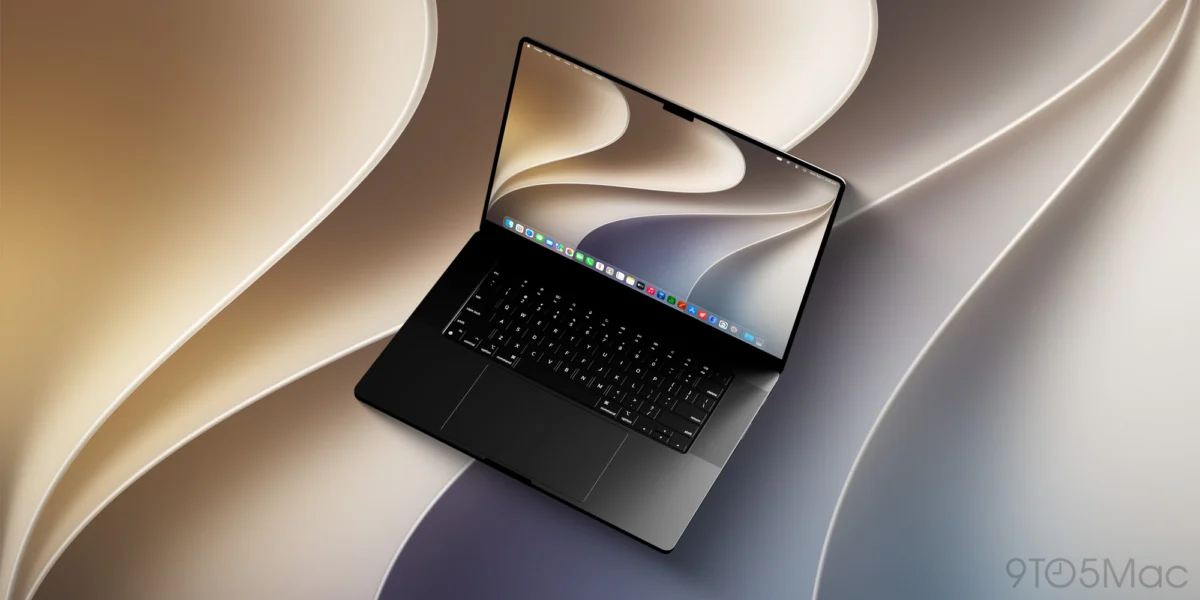
For several years, consumers enjoyed a steady deflation in the cost of entry for Apple’s Mac ecosystem. Bolstered by the transition away from Intel processors to Apple Silicon, the company steadily improved its baseline offerings. Laptops shipped with more generous starting allocations of memory and internal storage per dollar spent, while entry-level price points dropped lower than historical averages. The introduction of the budget-oriented MacBook Neo further solidified Apple’s position, briefly transforming the premium hardware manufacturer into a surprising contender in the value-computing sector.
That landscape shifted dramatically following a sweeping recalibration of retail costs across Apple’s product lines. Triggered by a protracted, industry-wide memory component shortage, Apple instituted steep price hikes affecting Mac computers, iPads, and related hardware. While these adjustments have slightly diminished the immediate financial appeal that characterized the brand’s offerings over the past two years, analysts note that the current generation of Macs retains a competitive edge relative to the broader personal computer market. For buyers facing an immediate hardware upgrade, understanding the positioning, compromises, and ongoing pricing nuances of the MacBook Air, MacBook Neo, and MacBook Pro lines is more critical than ever.
The Macroeconomic Pressures Behind the Price Shifts
The roots of Apple’s recent pricing adjustments lie deep within the global electronics supply chain. Over the preceding eighteen months, a confluence of geopolitical factors, increased demand for high-bandwidth memory required in artificial intelligence server infrastructure, and constrained manufacturing yields for advanced dynamic random-access memory (DRAM) created a severe market deficit.
Component costs for memory modules surged across the board, placing heavy margin pressures on consumer electronics manufacturers. While smaller original equipment manufacturers quickly passed these expenses onto consumers, Apple had initially insulated its customer base by absorbing short-term supply chain volatility. However, as the supply deficit extended into mid-2026, industry analysts anticipated that the Cupertino-based tech giant would eventually have to adjust its pricing strategy to protect profit margins. The resulting price increases, deployed globally in late June 2026, marked a definitive end to the deflationary trend consumers had grown accustomed to since the debut of the M-series processors.
MacBook Air: Balancing Premium Features and Mainstream Utility
Prior to the introduction of the MacBook Neo, the MacBook Air served indisputably as the gateway to Apple’s portable computer ecosystem. Even with the arrival of a lower-cost alternative, the MacBook Air maintains its status as the ideal compromise for users seeking a refined, reliable daily driver without stepping up to professional-grade hardware.
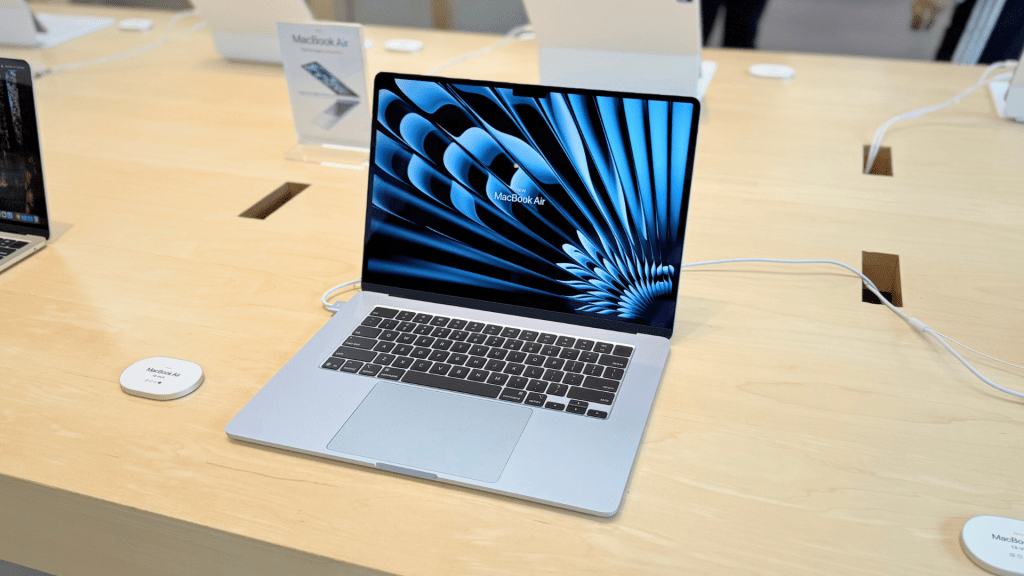
The appeal of the MacBook Air lies in its balanced feature set. Standard inclusions such as MagSafe magnetic charging, a vibrant P3 wide color gamut display, Center Stage webcam technology for video conferencing, and class-leading battery life separate it from budget alternatives. Furthermore, Apple continues to offer the MacBook Air in both traditional 13-inch configurations and a larger 15-inch form factor, catering to consumers who require expanded screen real estate for multitasking without the added weight and cost of a MacBook Pro.
Despite the recent industry-wide price adjustments, major electronics retailers continue to roll out periodic promotional discounts on specific MacBook Air configurations. For standard productivity tasks, academic use, and media consumption, the MacBook Air remains a benchmark for portable computing efficiency, even if its baseline affordability has been tempered by external component costs.
MacBook Neo: Apple’s Foray Into Ultra-Affordable Computing
Designed to capture the budget-conscious consumer segment previously dominated by low-cost Windows laptops and Chromebooks, the MacBook Neo redefined Apple’s entry-level strategy. Priced at an aggressive $699, the device represents the company’s first concerted effort to target the sub-$700 laptop market directly.

To achieve this price point, Apple introduced calculated compromises. The MacBook Neo relies on a modified variant of the mobile A18 Pro system-on-chip rather than a traditional M-series desktop processor. While the A18 Pro is exceptionally capable for web browsing, document editing, and casual media consumption, it lacks the multi-core muscle and thermal headroom required for heavy professional workflows. Additionally, the device features a more restrictive port selection and adheres to a baseline 8GB memory configuration.
Despite these hardware concessions, the MacBook Neo succeeds where it matters most to the end-user: build quality, display sharpness, and the cohesive macOS software experience remain largely uncompromised. Furthermore, Apple introduced a vibrant aesthetic identity to the line, offering finishes such as Citrus, Blush, and Indigo.
While third-party retailers have offered few direct discounts on brand-new units, Apple’s official refurbished store has emerged as a primary avenue for savings. Refurbished MacBook Neo models routinely feature price reductions of $100 to $120 compared to retail pricing. Because Apple’s refurbished inventory undergoes rigorous testing, component replacement, and cleaning, these units arrive with zero battery degradation, no cosmetic scuffs, and the standard one-year manufacturer warranty, presenting a compelling alternative for budget shoppers.
MacBook Pro: Peak Performance and Upcoming Architectural Shifts
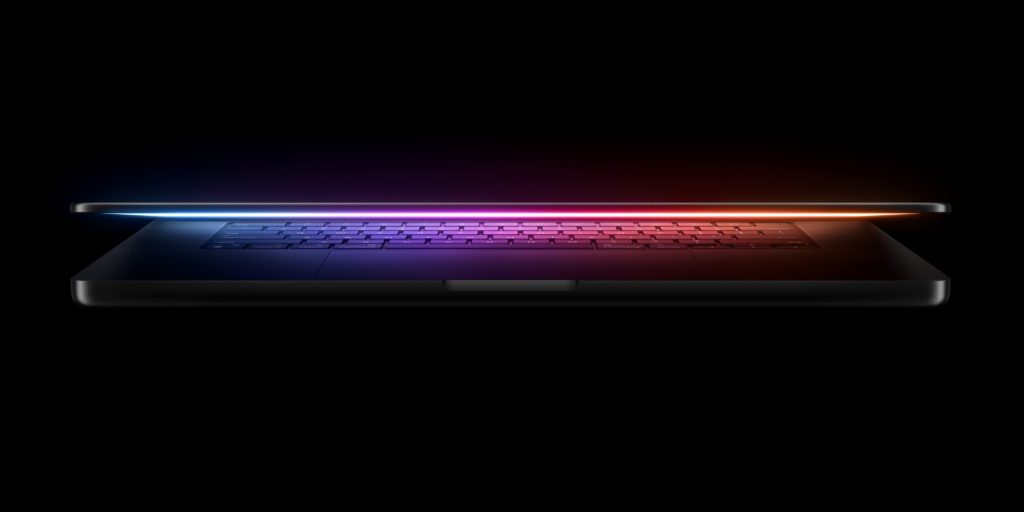
Positioned at the pinnacle of Apple’s portable lineup, the MacBook Pro caters to creative professionals, software engineers, and power users requiring sustained computational throughput. However, purchasing decisions in this tier are complicated by a looming product lifecycle transition.
Industry supply chain reports indicate that Apple is preparing a major structural redesign for the high-end MacBook Pro models, slated for late 2026. Anticipated upgrades include the integration of OLED display technology, the long-awaited introduction of touchscreen capabilities to macOS hardware, and an even thinner chassis design.
Crucially, market analysts note that this radical redesign is expected to debut exclusively alongside next-generation M5 Pro and M5 Max processors. Consequently, consumers eyeing the entry-level 14-inch MacBook Pro powered by the standard M5 chip face a safe window for immediate purchase, as the base-tier models are not expected to receive the forthcoming architectural overhaul in the near term. For those prioritizing raw computing power, multi-monitor support, and advanced cooling systems, current-generation MacBook Pro models—alongside ongoing retail promotions—continue to deliver unmatched performance within the macOS ecosystem.

Market Implications and Outlook
The convergence of global memory shortages, upward retail price adjustments, and a diversified laptop portfolio marks a complex chapter for Apple’s hardware division. By introducing the MacBook Neo, Apple successfully defended its footprint in the budget sector, even as component costs forced increases across its traditional product pillars.
For prospective buyers, the choice hinges on balancing immediate hardware needs against upcoming technological shifts. While the era of uniformly falling Mac prices has temporarily paused, the long-term value proposition of Apple Silicon—characterized by energy efficiency, longevity, and robust resale value—ensures that the Mac lineup remains resilient against competing computing platforms. Consumers are advised to monitor authorized third-party retailers for transitional discounts and to leverage official refurbished channels to mitigate the impact of recent macroeconomic price hikes.