The modern professional landscape, particularly in highly technical fields such as aeronautical automation, requires a precise equilibrium between operational readiness and minimalist efficiency. For Ruben Caeiro, a Portugal-based operator in the aeronautical sector, the concept of Everyday Carry (EDC) is not merely a collection of aesthetic accessories but a deliberate curation of tools designed to support both high-stakes professional responsibilities and personal mobility. His recent configuration highlights a growing trend in the EDC community: the shift toward high-value, functionally versatile equipment that emphasizes ergonomic design and reliability without the prohibitive costs often associated with specialized gear.
Defining the Modern Professional EDC
Everyday Carry refers to the collection of items a person carries on their person on a daily basis. While historically associated with tactical or survivalist niches, the practice has evolved into a mainstream discipline focused on productivity, preparedness, and personal organization. In technical fields like aeronautical engineering and automation, where precision is paramount, the items chosen for one’s pockets often mirror the standard of care required in the workplace.
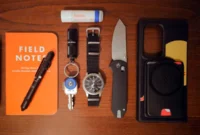
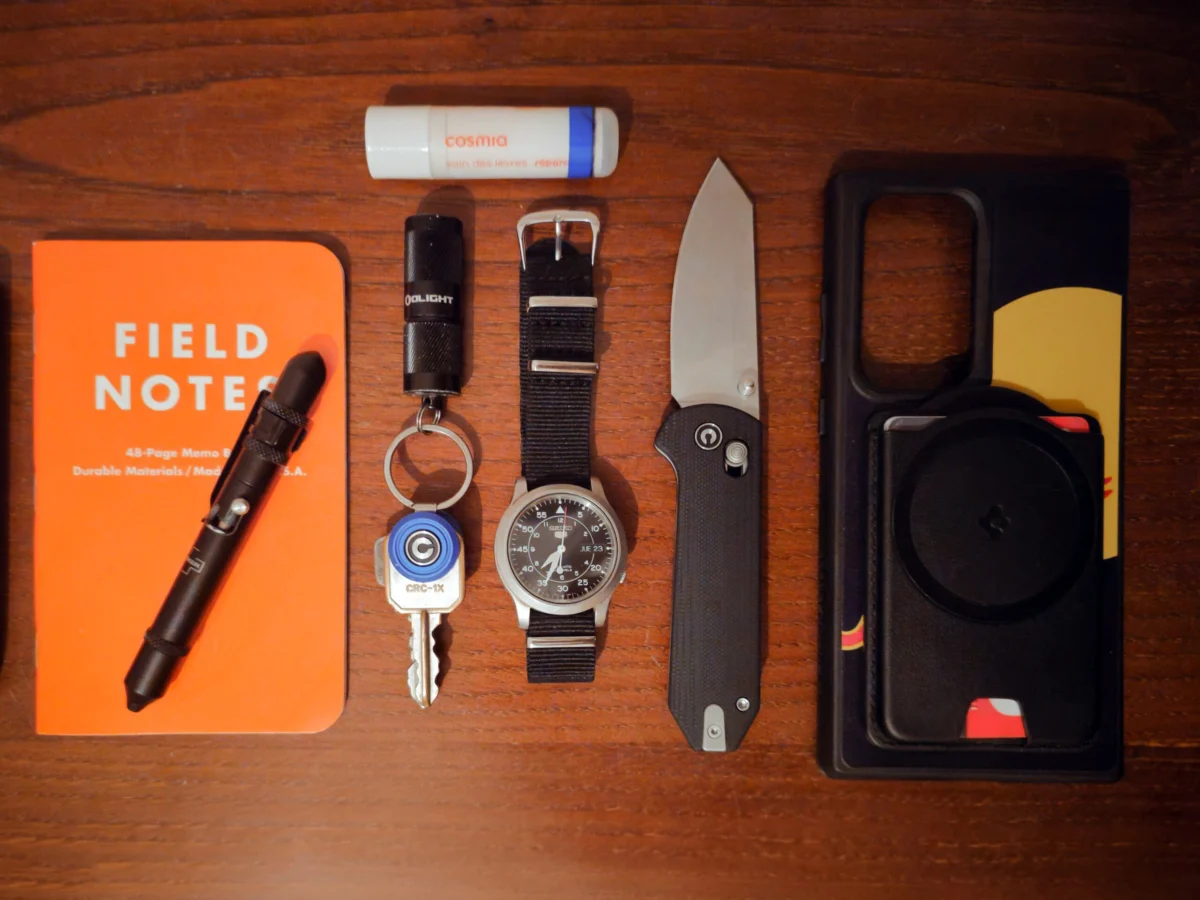
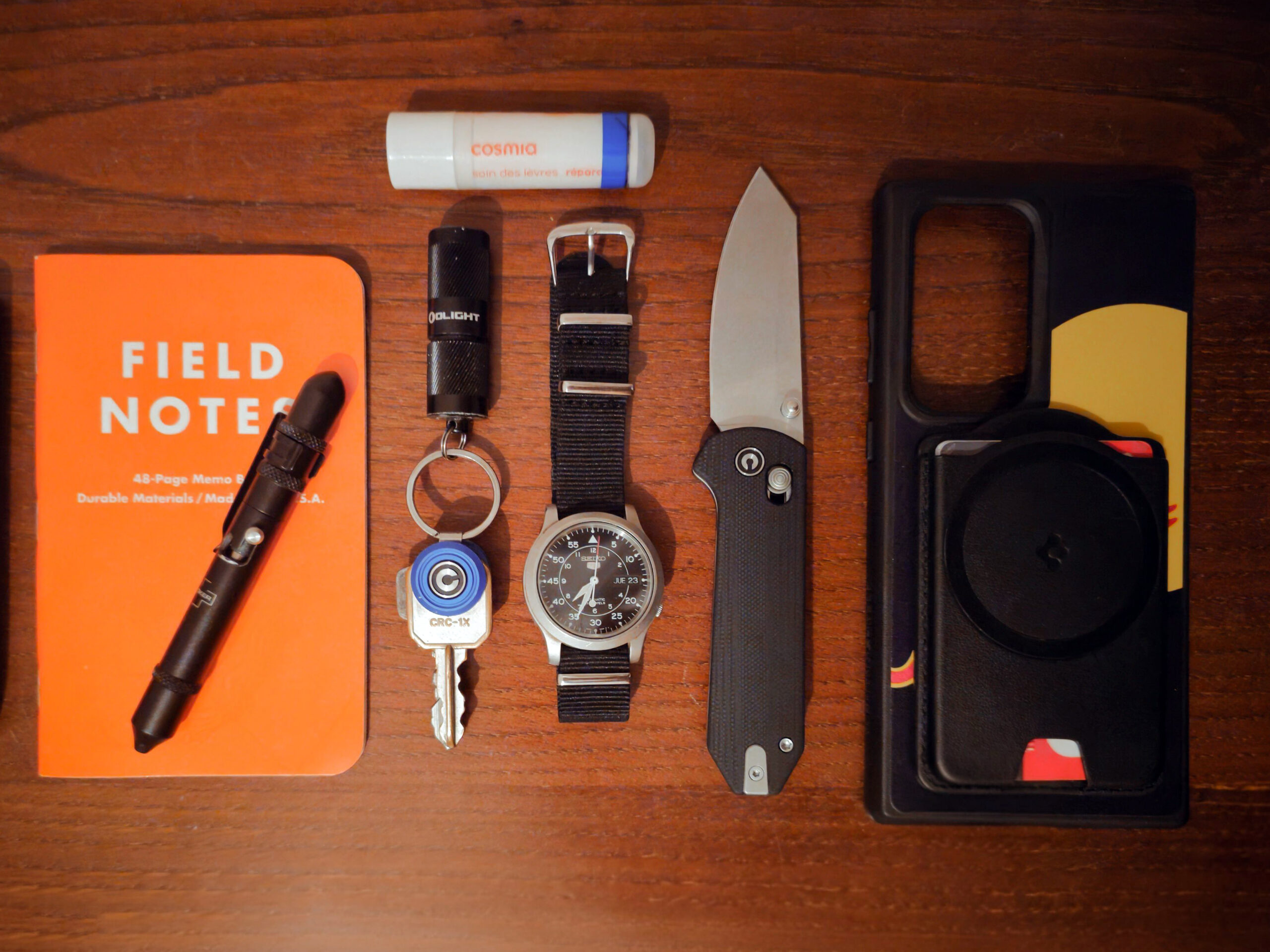
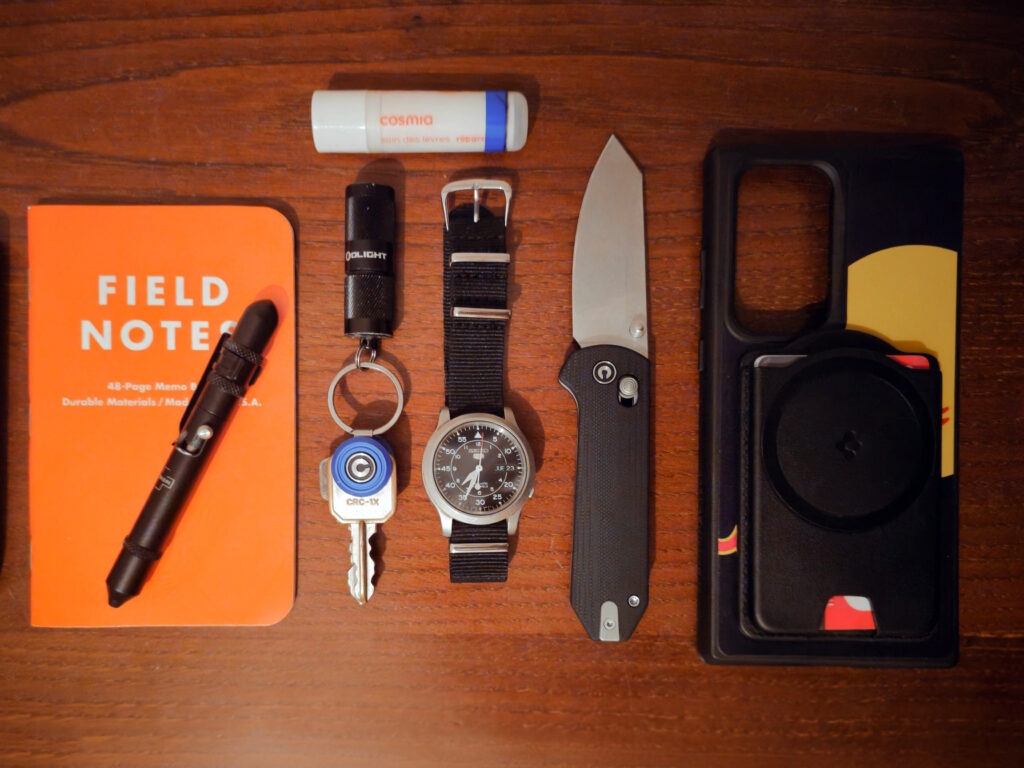
The selection shared by Caeiro—which includes a CIVIVI Yonder pocket knife, a Field Notes journal, and a selection of compact organizational tools—demonstrates a commitment to modularity. By utilizing a magnetic wallet integrated with a mobile device and an ultra-compact key management system, the user is able to maintain a slim profile while ensuring that essential utilities remain immediately accessible. This approach minimizes the "friction" of daily movement, allowing the professional to focus on complex diagnostic or operational tasks rather than the burden of cumbersome gear.
Chronology and Evolution of the Carry
The evolution of personal utility tools has accelerated significantly over the last decade. As manufacturing processes have improved, materials like G10, titanium, and high-carbon steel have become accessible at lower price points.
- 2010–2015: The rise of online communities such as EDC Forums and Reddit’s r/EDC transformed personal gear into a data-driven pursuit. During this period, the focus was largely on tactical durability.
- 2016–2020: A shift toward "urban minimalism" took hold. Manufacturers began prioritizing weight reduction and sleek industrial design.
- 2021–2024: The current era, characterized by the emergence of "Best Buy" awards and influencer-led design collaborations, such as the CIVIVI Yonder, designed by Zac Whitmore. The Yonder, which earned the "Best Buy of the Year" at Blade Show 2024, represents a pinnacle of this trend—offering a crossbar-lock mechanism and premium ergonomics at a price point that makes it accessible to the broader public.
Caeiro’s recent acquisition of the Yonder and his first Field Notes journal marks a deliberate upgrade to his toolkit. His stated intent to rotate his gear—switching to a Kizer Feist knife and a Casio Edifice watch for social or "dressier" engagements—reflects a sophisticated understanding of context-dependent utility.
Technical Analysis: The CIVIVI Yonder
The CIVIVI Yonder, a standout component of this carry, serves as a case study in modern manufacturing efficiency. Designed by Zac Whitmore and produced by CIVIVI (a subsidiary of WE Knife Co.), the Yonder incorporates a crossbar locking system, a mechanism traditionally reserved for high-end, premium knives.
From an engineering perspective, the crossbar lock is favored for its ambidextrous functionality and its ability to keep the user’s fingers clear of the blade path during closure. The use of robust, lightweight materials allows the Yonder to maintain a weight-to-performance ratio that is ideal for daily professional use. In the context of aeronautical automation, where operators may need to cut zip ties, score wiring insulation, or open packaging in confined spaces, the Yonder’s form factor provides the necessary precision without the weight of a larger, more aggressive tactical blade.
The Role of Analog Tools in a Digital Environment
Despite the hyper-digital nature of aeronautical automation, the inclusion of a Field Notes journal suggests a continuing reliance on analog note-taking. Industry studies in cognitive ergonomics have consistently shown that handwriting information during brainstorming or complex diagnostic troubleshooting improves memory retention and facilitates better spatial planning compared to digital input methods.
The combination of a high-tech, mobile-integrated wallet and a physical notebook highlights a "hybrid" workflow. Professionals in technical sectors often encounter scenarios where digital devices may be restricted, batteries fail, or physical schematics must be annotated on-site. The notebook acts as a low-failure-rate backup, ensuring that critical information is never lost due to software glitches or hardware limitations.
Economic and Practical Implications
The "high-value" approach adopted by Caeiro is reflective of a broader economic shift in the consumer goods market. As inflation affects the cost of premium goods, consumers are increasingly seeking "diminishing returns" gear—items that provide 90% of the functionality of high-end luxury products for 20% of the cost.
This trend is observable in the popularity of the Casio Edifice line. By opting for a watch that offers sapphire crystal and 100-meter water resistance at a fraction of the cost of luxury mechanical counterparts, the professional maintains a standard of quality that is practical for everyday wear. The durability of such items means that they serve as a long-term investment rather than a disposable commodity.
Official and Expert Perspectives
Industry experts note that the EDC community has become a critical feedback loop for manufacturers. When designers like Zac Whitmore receive accolades at events like the Blade Show, it signals to the industry that the consumer base is prioritizing "usability" over "bragging rights."
"The shift is toward tools that actually perform," says an analyst familiar with consumer hardware trends. "For professionals in technical fields, the gear is an extension of their competence. If a tool fails or is too heavy to carry, it’s not just an inconvenience; it’s a failure of the workflow."
Broader Impact on Professional Readiness
The meticulous organization of one’s daily carry has measurable impacts on professional readiness. By reducing the time spent searching for tools—or "gear searching"—an individual can maintain a higher state of focus. This is particularly relevant in high-consequence environments such as aviation, where the mental load must be managed carefully to prevent fatigue and error.
Furthermore, the practice of rotating gear, as described by Caeiro, indicates an intentional approach to professional identity. By maintaining a professional-grade set of tools for the workplace and a refined, "dressier" set for personal time, the user creates a psychological boundary between work and life, which is essential for long-term career sustainability in high-stress technical roles.
Future Trends in Everyday Carry
As we look toward the future, the integration of smart-wear and sustainable materials is expected to dominate the EDC conversation. We are already seeing the emergence of recycled materials in knife scales and modular, carbon-fiber key organizers. For individuals like Ruben Caeiro, the future will likely involve a further thinning of the "digital-analog divide," where pocket-carried tools may eventually incorporate more integrated sensors or connectivity, provided they do not compromise the fundamental reliability that the EDC community values above all else.
In summary, the gear carry of an aeronautical automation operator serves as a testament to the importance of deliberate design. Through the selection of high-value tools like the CIVIVI Yonder and the strategic use of analog journals, professionals can optimize their daily output while maintaining the flexibility required to adapt to the changing demands of their environment. This is not merely about having "stuff" in one’s pockets; it is about having the right tool for the right moment, ensuring that whether in the lab or on the go, one is always prepared for the complexities of the modern world.