The modern professional kitchen is an environment defined by precision, high-pressure deadlines, and a distinct separation between culinary tools and general-purpose hardware. For Stephen, a full-time cook based in Minnesota, the distinction is not merely a preference but a safety mandate. In an industry where cross-contamination is a primary concern, the tools utilized for food preparation must be strictly sequestered from the blades used for daily tasks such as breaking down cardboard shipping boxes, opening supply pallets, or performing general maintenance. This necessity has birthed a specialized approach to Everyday Carry (EDC) that prioritizes modularity, durability, and a clear functional divide between the kitchen line and the rest of the world.
The Philosophy of Segmented Utility
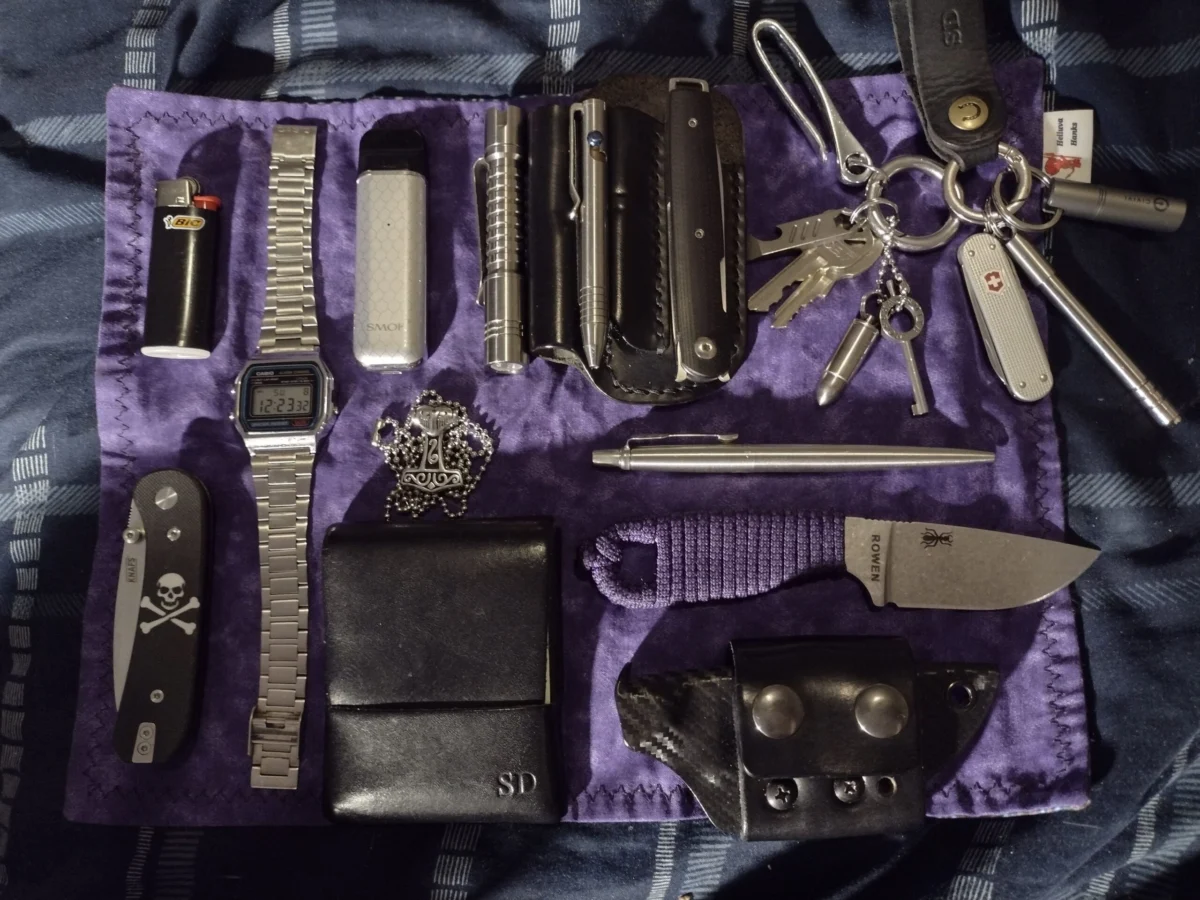
For many, EDC is a hobby centered on aesthetics or preparedness. For those working in high-intensity service environments, however, it is a matter of efficiency. Stephen’s carry configuration—which features a rotating selection of four knives—highlights a common trend among blue-collar professionals: the diversification of tools to extend the lifespan of high-end equipment.
By carrying three folders and one fixed-blade knife, Stephen ensures that he is never without a cutting edge, yet he maintains the ability to reserve his professional culinary knives exclusively for food-grade tasks. This separation is crucial for sanitation protocols. In commercial kitchens, the risk of transferring bacteria or chemical residues from packaging materials to food is a major health code violation. By maintaining an "out-of-kitchen" kit, professionals can perform the heavy-duty tasks inherent in receiving and stock management without compromising the sterility of their primary culinary toolkit.
A Chronology of EDC Evolution
The evolution of personal carry kits has shifted significantly over the past decade. Historically, a simple multi-tool sufficed for most general laborers. However, the rise of the "EDC community" and the increased availability of premium materials—such as S35VN steel, titanium, and G10 composites—has led to a more sophisticated tier of professional gear.
In the early 2010s, EDC trends focused heavily on "tactical" aesthetic choices. As of 2025, the focus has pivoted toward "utilitarian minimalism." This shift is evident in the choice of gear highlighted in this collection. The integration of leather sheaths and keychain-based organization systems reflects a growing desire to maximize pocket space while ensuring that heavy tools remain accessible without creating an uncomfortable profile on the body.
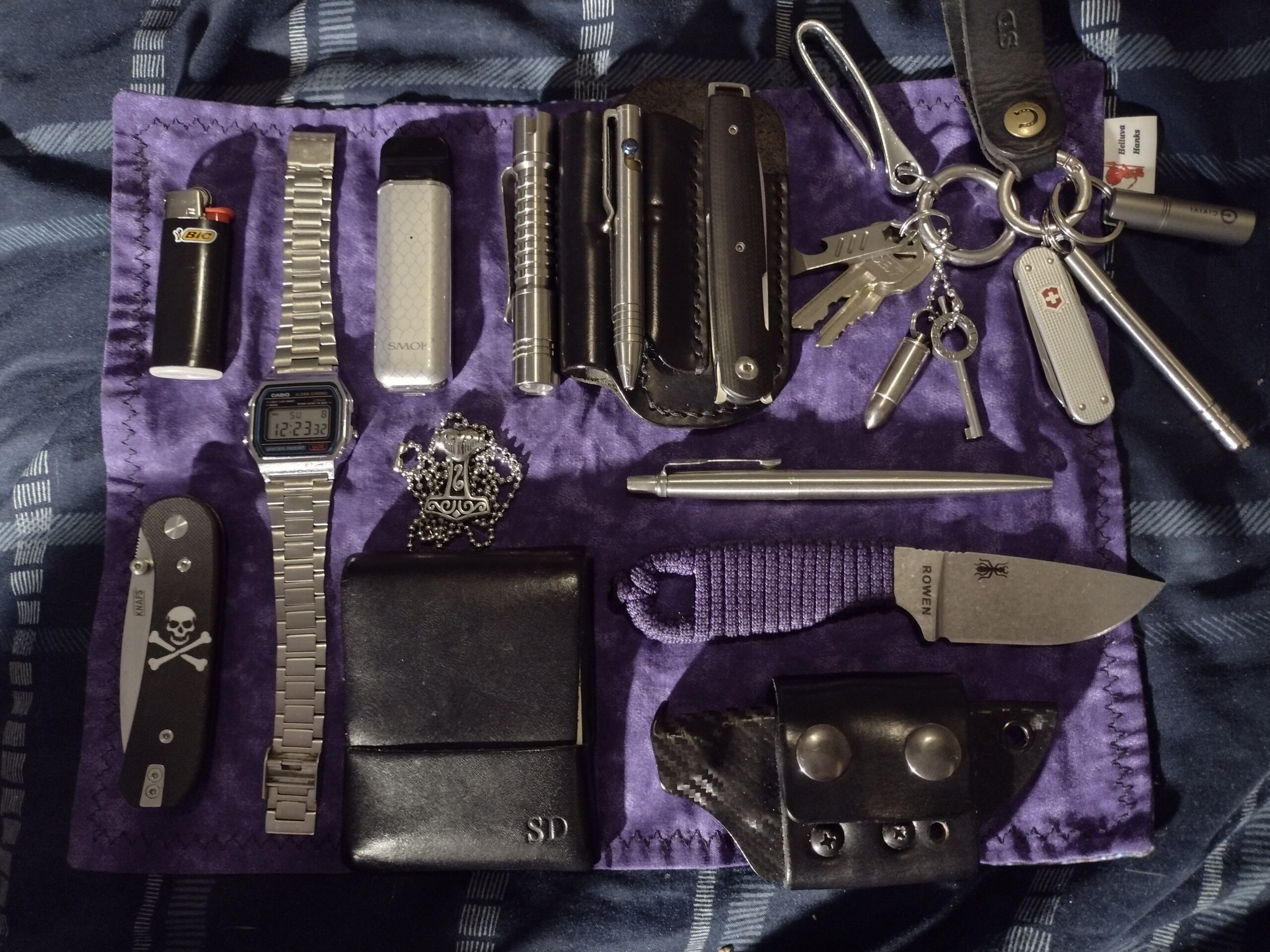
The timeline of this specific carry selection—utilizing the Parker Jotter for standard writing and a premium titanium bolt-action pen for more rigorous documentation—demonstrates a balanced approach. It acknowledges that not every task requires a high-cost piece of equipment, but that specific workflows (such as checking off high-volume inventory lists) benefit from the ergonomics of specialized tools.
Supporting Data and Material Analysis
The selection of the ESEE Izula in S35VN steel is a benchmark for the current state of professional utility knives. The Izula, originally designed as a survival knife, has found a second life in urban environments due to its compact fixed-blade design.
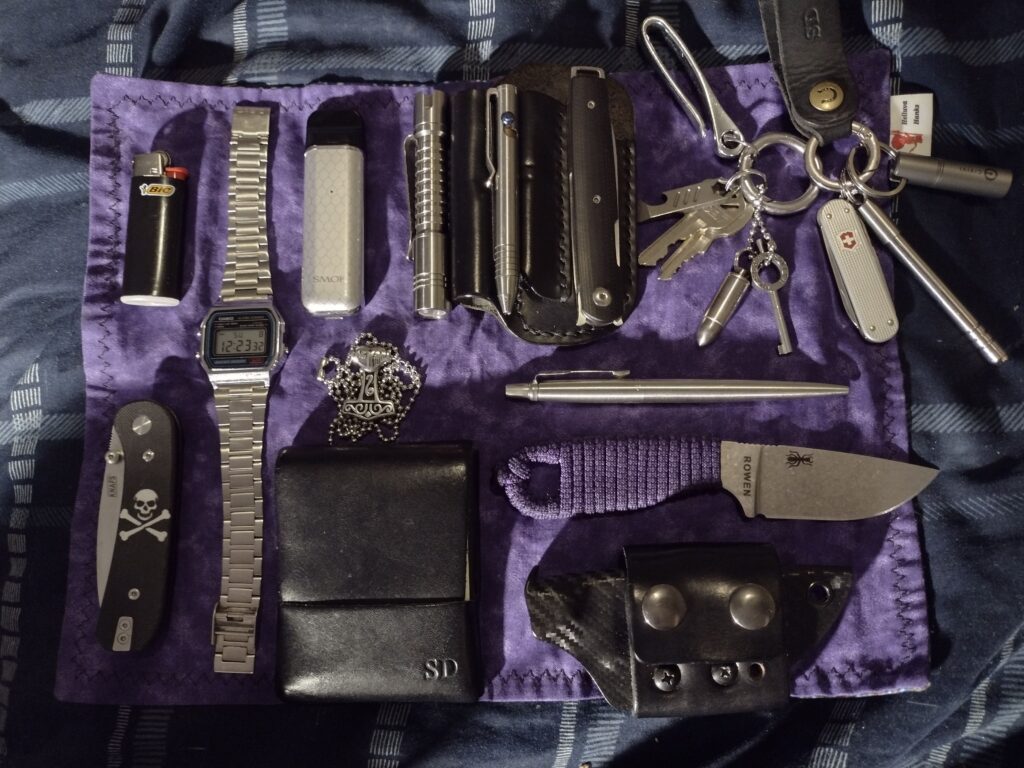
- Steel Composition: S35VN (CPM-S35VN) is a martensitic stainless steel designed to offer improved toughness over its predecessor, S30V. In a kitchen environment, where moisture and humidity are constant, the high chromium content of S35VN provides superior corrosion resistance.
- Ergonomics and Carry: The use of a molded polymer sheath allows for various mounting options, including belt clips or neck carry. For a cook who moves between stations, the ability to mount a fixed blade on a belt or a pack reduces the risk of misplacing the tool—a common issue in high-traffic work zones.
- Cost-to-Utility Ratio: The inclusion of the Parker Jotter, often priced under $15, alongside premium titanium options, illustrates the "Price-Performance Index" often favored by professionals. It is a strategic distribution of capital; spending more where the item is subject to heavy mechanical stress and less where the item serves as a consumable or secondary backup.
Official Perspectives on Occupational EDC
While manufacturers often market these tools for outdoor recreation or tactical use, the reality is that the largest market segment for mid-to-high-end folding knives and multi-tools remains the skilled trades. Chefs, electricians, and warehouse managers frequently report that the quality of their personal tools directly influences their daily efficiency.
Industry experts note that "gear fatigue"—the physical strain caused by carrying heavy, poorly organized equipment—is a silent issue in the culinary arts. The movement toward using leather belt organizers and keychain systems, as seen in this configuration, is an attempt to mitigate that fatigue. By shifting the weight of the gear from the pocket to a specialized belt-mounted system, users can maintain their range of motion, which is critical for a chef working on a line where sudden, rapid movements are standard.
Broader Impact and Industry Implications
The trend of "Professional EDC" has implications for how companies design their tools. We are seeing a distinct movement away from over-engineered, heavy-duty gadgets toward tools that are lightweight, easily cleaned, and highly specialized. The success of modular systems—where a user can swap out a knife for a pen or a light depending on the day’s requirements—suggests that the market is moving toward a more customizable experience.
Furthermore, the emphasis on cross-contamination awareness indicates a more educated consumer base. The separation of "work-wear" blades from "prep-wear" blades is a reflection of higher standards in safety and professionalism. As the culinary industry continues to face labor challenges, the tools that enable workers to move faster and work safer are becoming an essential part of the professional profile.

The Role of Aesthetic and Functional Value
There is a psychological component to the selection of one’s EDC gear. For many professionals, the act of curating a kit provides a sense of agency and preparedness. When a cook like Stephen selects a Knafs folder for daily tasks or a Boker for a slim-profile gent’s knife, he is not just selecting a tool; he is selecting an instrument that fits his specific environment.
The "gent’s knife" category—often characterized by slim profiles, wood or refined synthetic handles, and non-threatening designs—is gaining traction in professional settings where a tactical-looking blade might be inappropriate. This suggests that the future of EDC is not just about what a tool can do, but how it is perceived in a professional, public, or high-end setting.
Conclusion: The Future of Professional Utility
The integration of high-quality materials into everyday working lives represents a permanent shift in how laborers interact with their environments. The transition from the "standard issue" gear of the past to the curated, high-performance setups of today is not a trend, but a response to the increasing demands of the modern workforce.
Whether it is the use of corrosion-resistant steels like S35VN to handle the humid environment of a kitchen, or the strategic use of titanium for its weight-to-strength ratio, the tools of 2025 are designed to be extensions of the user’s capability. As professionals continue to share their configurations, the industry will likely see a continued trend toward hyper-specialization, with gear becoming smaller, lighter, and more precisely matched to the specific hazards and requirements of the user’s trade.
For the professional cook, this means a safer kitchen, a more organized workflow, and the peace of mind that comes with having the right tool for every task—without ever compromising the health and safety of the food they prepare. This level of intentionality in equipment selection serves as a testament to the evolving standards of the modern culinary professional, proving that even in a high-heat, high-stress kitchen, order and precision start with what one carries in their pocket.