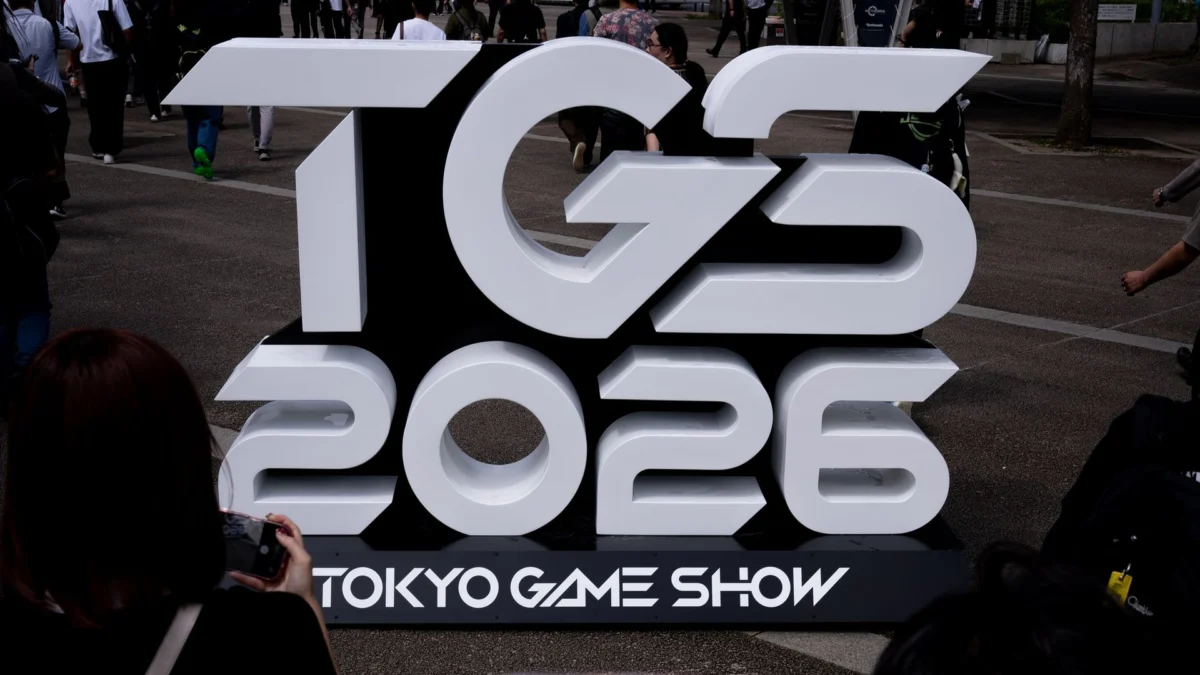
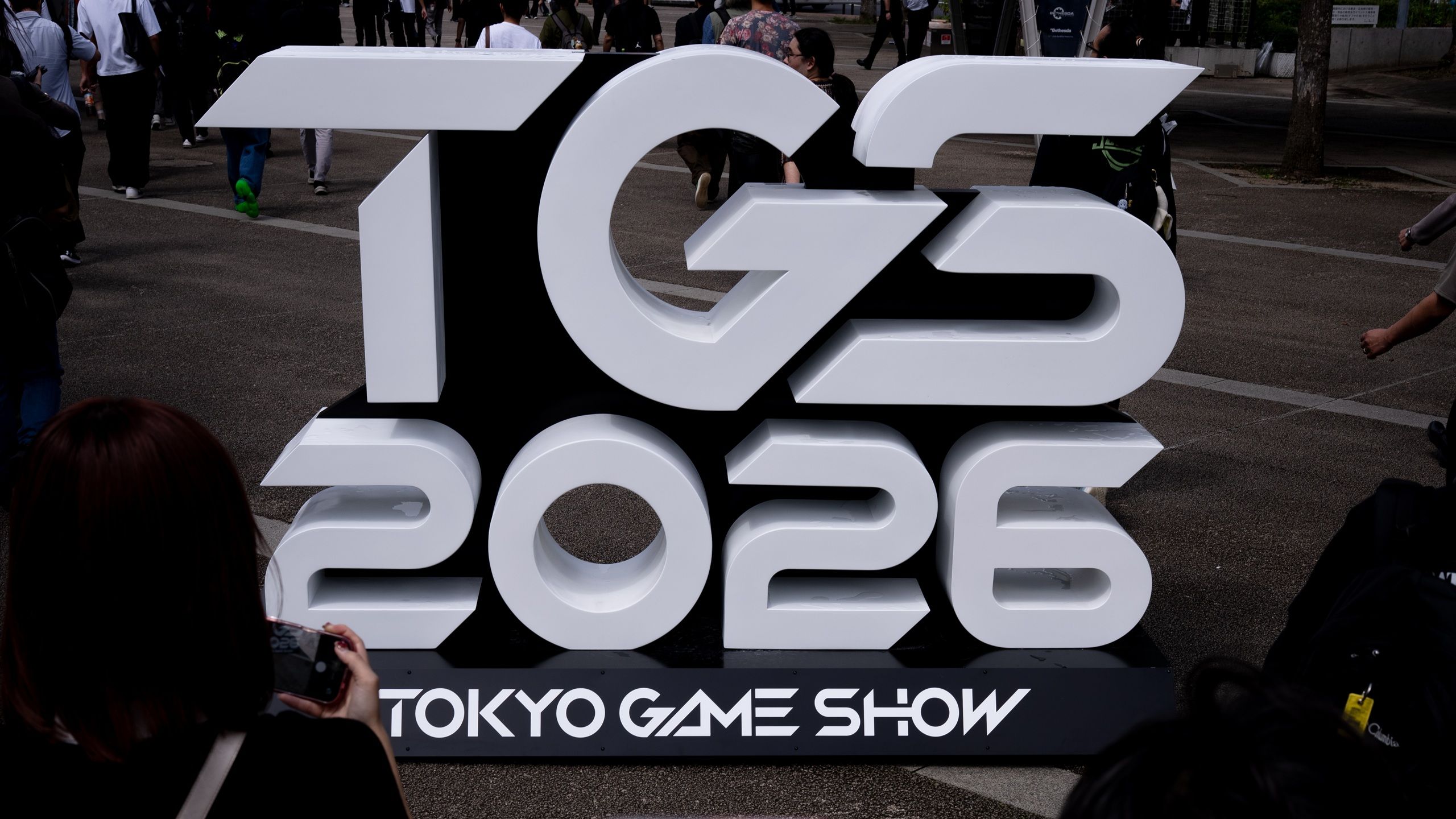
The organizers of the Tokyo Game Show (TGS), one of the world’s most prestigious gaming exhibitions, have officially announced the cancellation of the event’s final day, scheduled for Monday, September 21, 2026. This unprecedented decision was necessitated by the rapid approach of Typhoon Dujuan, the 25th named storm of the 2026 Pacific typhoon season. The storm, which is bringing severe weather conditions to the Kanto region, has forced authorities to prioritize the safety of the hundreds of thousands of attendees, international exhibitors, and industry personnel who had gathered in Chiba, Japan.
This year’s edition of TGS was historically significant as it marked the first time the exhibition attempted to expand to a five-day format in its 30-year history. While the show floor remained operational on Sunday, September 20, with minor adjustments to scheduling, the total shutdown of the final day marks a somber end to a milestone event. Event organizers have confirmed that all tickets purchased for the final day will be fully refunded, though the logistical fallout for publishers and developers remains a significant concern for the industry.
Chronology of the Weather Event
The atmospheric instability began to manifest late in the week, but weather models intensified significantly by the morning of September 19. According to reports from the Japan Meteorological Agency, Typhoon Dujuan was tracking steadily toward the Japanese mainland with a trajectory that placed the Chiba prefecture—home to the Makuhari Messe convention center—directly in the path of the storm’s most severe bands.
By the early hours of September 20, it became clear that the weather front would bring sustained, high-velocity winds and heavy precipitation, with some forecasts predicting upwards of 16 inches of rainfall across the Tokyo metropolitan area. Faced with the reality of widespread transportation shutdowns—including the suspension of major East Japan Railway lines and the cancellation of numerous flights via Nippon Airways—the TGS steering committee issued an emergency notice. The statement, released via the official TGS social media channels, explicitly cited the need to ensure that all attendees and staff could secure safe passage home before the storm’s intensity peaked.
The Impact on the Gaming Industry
The cancellation of the final day is more than a mere logistical hurdle; it represents a substantial disruption to the global gaming industry’s marketing calendar. The Tokyo Game Show has long served as the primary venue for Japanese developers and publishers to unveil major titles to both domestic and international audiences.
For many independent developers and mid-sized publishers, the final day was specifically earmarked for high-profile panels, networking events, and the final push for consumer engagement. With the doors closed prematurely, several firms are now facing the challenge of re-allocating resources, finding alternative venues for planned announcements, or shifting their product showcases to digital-only platforms. While the PC Gaming Show: Tokyo Direct proceeded with its scheduled content, the inability to engage in face-to-face follow-ups on the exhibition floor represents a loss of critical industry synergy.
Broader Implications and Economic Considerations
The Tokyo Game Show typically attracts an audience of over 250,000 visitors annually, contributing significantly to the local economy of Chiba and the surrounding Tokyo prefecture. The abrupt termination of the event triggers a ripple effect across the hospitality, transportation, and retail sectors. Hotels that were booked to capacity for the duration of the five-day event are seeing a surge in early check-outs, while local transit hubs are struggling to manage the sudden influx of attendees attempting to evacuate or depart the area before the storm’s landfall.
From an industry perspective, this event highlights the vulnerability of large-scale, physical exhibitions to the escalating frequency of extreme weather events in East Asia. As climate patterns shift, organizers of global conventions may need to reconsider the feasibility of extended event durations during the peak of the typhoon season. The financial impact of the cancellation—including lost revenue from on-site retail, the cost of dismantling booths early, and the potential loss of media coverage—will likely be the subject of internal reviews for months to come.
Official Response and Support Measures
In the immediate aftermath of the announcement, the TGS management team has focused on clear communication. Their primary message has been one of public safety. "Due to the approach of Typhoon No. 25, strong winds and rain are expected to intensify in the afternoon and beyond, and disruptions to transportation are also a concern," the committee stated. "Prioritizing the safety of all attendees, exhibitors, and related parties, as well as ensuring safe return home, we have decided to cancel the event for the entire day."
While there has been no public statement regarding the potential for financial compensation to exhibitors for their lost display time, industry observers suggest that the organizers will likely lean on "force majeure" clauses common in venue rental contracts. However, the goodwill maintained between the Computer Entertainment Supplier’s Association (CESA)—the primary body behind TGS—and its partners is expected to be a priority in the coming weeks.
Reflections on the 30-Year Milestone
The 2026 exhibition was intended to be a celebration of three decades of innovation in gaming. From the early days of console dominance in the 1990s to the current era of cross-platform cloud gaming and high-fidelity PC experiences, TGS has been the heartbeat of the Japanese gaming market.
Despite the unfortunate conclusion, the event did succeed in delivering a wealth of information to the public during its initial days. The PC Gaming Show: Tokyo Direct, which was part of the broader TGS programming, successfully aired numerous trailers and interviews. For those who were unable to attend in person or who were impacted by the cancellation, the digital footprint of the show remains accessible. The VOD content and comprehensive lists of announcements serve as a testament to the work completed by developers prior to the storm.
Moving Forward
As of the afternoon of September 20, the focus in Chiba has shifted from gaming to disaster preparedness. The city is preparing for potential flooding and the dangers associated with high-speed winds. For the global gaming community, the focus remains on the well-being of those currently in the region.
The Tokyo Game Show will undoubtedly return in future years, but the 2026 event will be remembered as a reminder of the fragility of large-scale human gatherings. It serves as a stark illustration that, despite the digital nature of the medium being celebrated, the infrastructure of the physical world remains at the mercy of environmental forces. For now, the industry looks toward the organizers for guidance on how they plan to reconcile the shortened schedule and ensure that the momentum generated by the initial days of the show is not entirely lost to the forces of Typhoon Dujuan.