The American electric vehicle market experienced a nuanced shift in late summer 2026, underscored by rising sales volumes for affordable models, a narrowing price gap with traditional internal combustion engine vehicles, and a notable surge by legacy automaker Toyota. According to data released by Cox Automotive in its August 2026 EV Market Monitor, total US new electric vehicle sales ticked upward by 2.5% compared to July, reaching approximately 78,895 units. While this figure represents a significant 46.9% year-over-year contraction—largely driven by an anomalous surge in August 2025 as buyers rushed to exhaust the final months of the federal $7,500 EV tax credit—the month-over-month recovery points toward a stabilizing, maturation-driven market.
At the center of this localized August rebound was Toyota, which outpaced its mainstream competitors in growth metrics by leveraging a heavily revamped, aggressively priced electric vehicle portfolio. The broader macro-trend highlights an increasingly competitive landscape where affordability, improved charging infrastructure integrations, and extended driving ranges are altering consumer adoption patterns away from luxury-tier exclusivity toward high-value everyday utility.
The Shrinking Price Gap: EVs and Gas Cars Move Closer
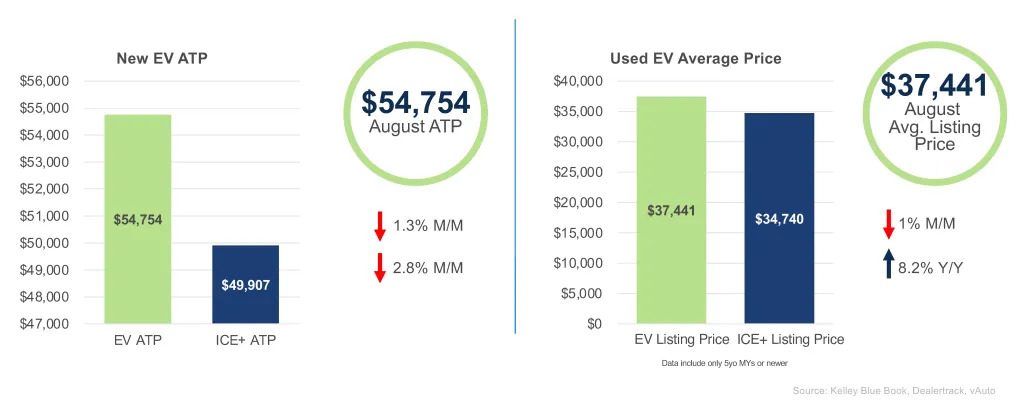
One of the most consequential developments highlighted in the Cox Automotive August 2026 report is the continued compression of the price differential between battery-electric vehicles and their gasoline-powered counterparts. The average transaction price (ATP) for a new electric vehicle in the United States fell to $54,754 in August, representing a 1.3% decline from July and a 2.8% decrease compared to the same period in 2025.
Consequently, the absolute price gap between a new EV and a standard internal combustion engine vehicle narrowed to $4,847, putting the difference at a modest 9.7%. Market analysts attribute this steady downward trajectory in transaction prices primarily to the introduction and high sales volume of lower-cost models entering showrooms. Vehicles such as the refreshed Toyota bZ, the Chevrolet Bolt, the subcompact Toyota C-HR, and volume adjustments on high-volume legacy cars like the Tesla Model 3—whose average transaction price dropped 1.9% month-over-month—played pivotal roles in democratizing the segment.
This pricing convergence is widely viewed by industry economists as a critical milestone. As the upfront financial penalty of purchasing an electric vehicle continues to dissipate, consumer hesitation tied to high capital expenditure is expected to ease, paving the way for broader middle-market adoption that transcends early-adopter demographics.
Competitive Landscape: Tesla Maintains Dominance as Legacy Automakers Surge
Despite mounting competition from traditional original equipment manufacturers (OEMs), Tesla retained its position as the dominant market leader in the United States by a comfortable margin. In August 2026, Tesla accounted for 40,816 electric vehicle registrations. However, increased competition caused the company’s monthly market share to slip to 51.7%, representing a 3.8% decline from July figures as alternative brands successfully captured consumer interest with fresh product pipelines.
Toyota emerged as the standout performer in terms of relative growth, leading all major US manufacturers with 4,964 electric units sold in August—an impressive 35% increase compared to July. To contextualize this growth velocity, Toyota sold just over 1,000 units of its first-generation bZ4X electric SUV in August 2025. The exponential scaling of the brand’s electric footprint underscores how quickly consumer sentiment can pivot when a manufacturer addresses early design and utility criticisms.
Other legacy automakers also posted encouraging gains during the late-summer sales cycle. General Motors’ Chevrolet brand saw a 30% increase in EV sales month-over-month, while Cadillac experienced a 13% bump, and Kia registered a 12% increase. Conversely, some early electric pioneers faced headwinds; Ford Motor Company moved just 15,484 Mustang Mach-E units through the first eight months of the year, marking a 55% contraction compared to the same timeframe in 2025. This divergence highlights a bifurcated market where agile brands offering updated technology and aggressive price points are capturing share from first-generation models whose platform life cycles are maturing.
The Evolution of the Toyota bZ: From Niche Contender to Volume Driver
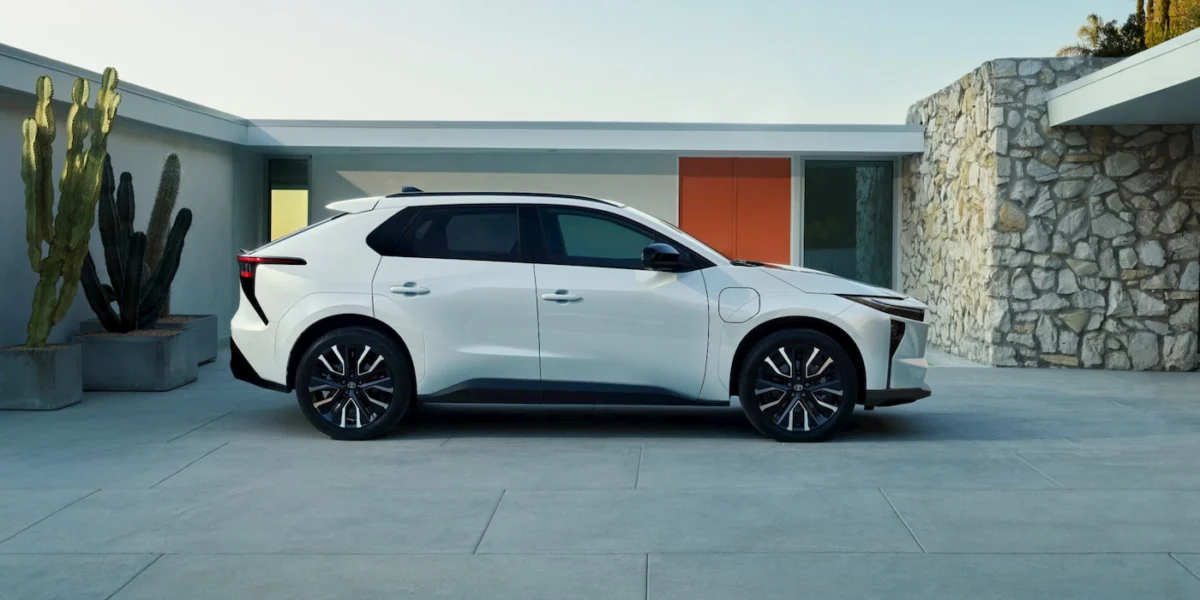
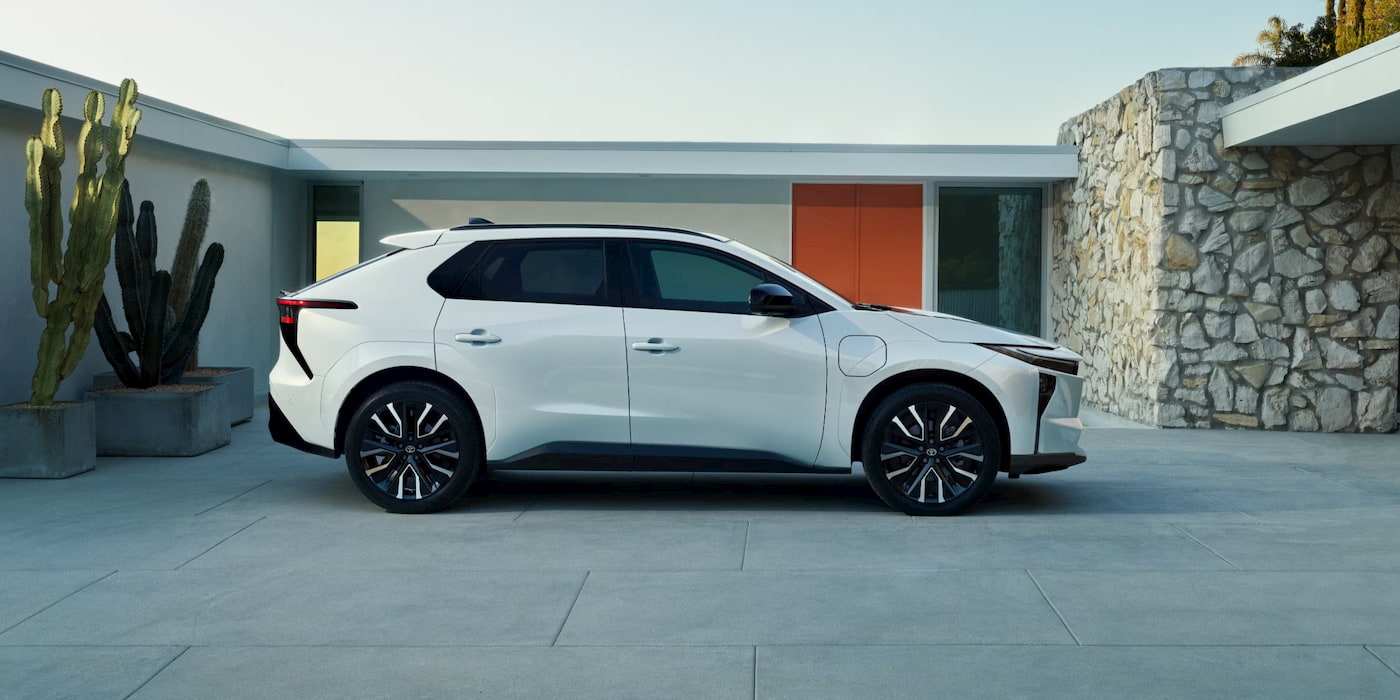
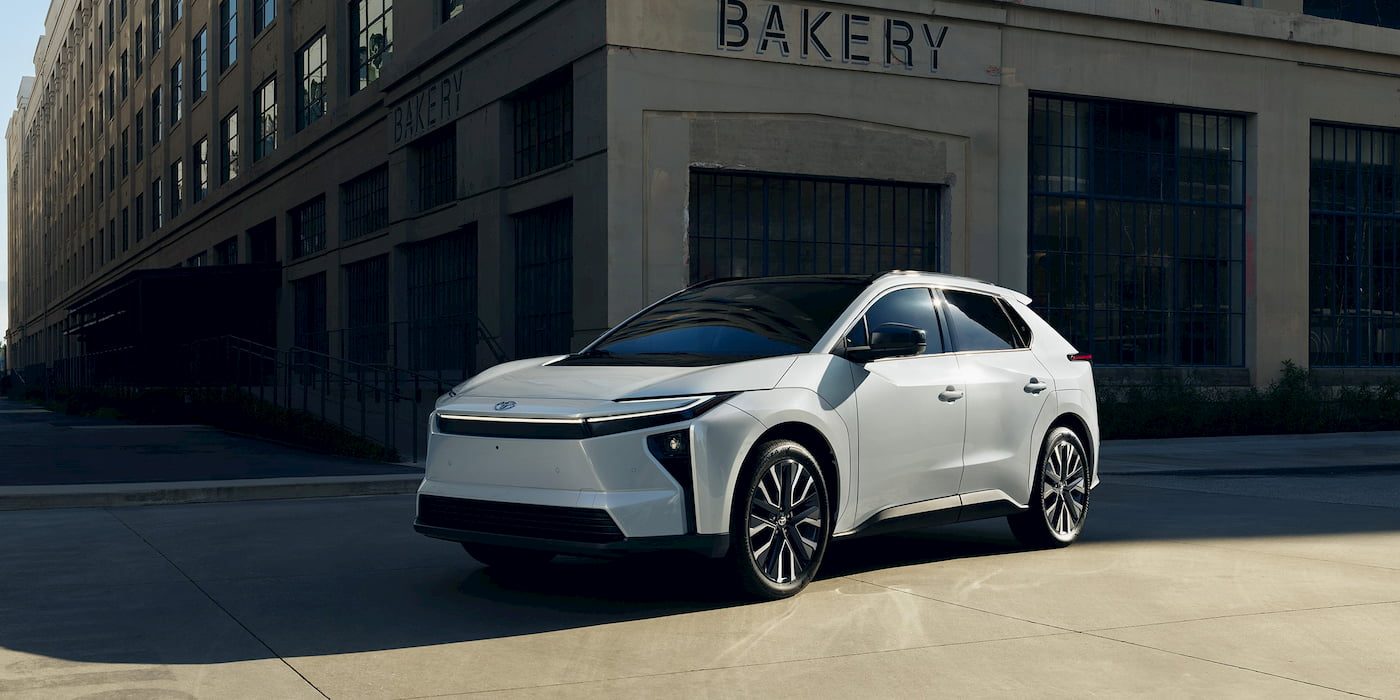
Toyota’s sudden surge up the sales charts is not an accident of market timing, but rather the direct result of a strategic product overhaul. Following the initial lukewarm reception of the bZ4X, Toyota executives authorized a sweeping mid-cycle refresh that went into effect late last year. Rebranded simply as the "bZ" alongside complementary additions to the lineup, the vehicle rapidly ascended to become one of the top-selling electric vehicles in America.
During the first half of 2026, the bZ solidified its status as the fourth best-selling EV in the United States, trailing only the Hyundai IONIQ 5 and Tesla’s dominant Model 3 and Model Y duo. Through the first eight months of 2026, cumulative sales for the bZ surpassed 22,500 units. This performance eclipses the entirety of the previous generation’s output, during which Toyota sold 15,609 bZ4X models across the entire 2025 calendar year.
The metamorphosis of Toyota’s core electric offering addresses the primary friction points voiced by early consumers: driving range, charging architecture, and interior ergonomics. Recognizing that early electric offerings lacked the competitive parameters required for mass-market conversion, engineers recalibrated the platform to deliver higher operational efficiency and improved daily usability.
Specifications and Pricing Strategy of the 2027 Toyota bZ
The commercial momentum of the Toyota bZ is anchored by an aggressive pricing structure paired with substantial technical upgrades. The entry-level 2027 Toyota bZ XLE Front-Wheel Drive (FWD) model starts at a highly competitive $34,980, making it accessible to budget-conscious buyers who previously found electric vehicle ownership out of reach. This base variant delivers an EPA-estimated driving range of up to 236 miles, satisfying the daily commuting needs of the average American driver.
For consumers requiring greater long-distance capability, Toyota introduced the FWD Plus configuration, which extends the EPA-estimated range to an impressive 314 miles on a single charge while keeping the barrier to entry low at an MSRP of $37,980. Beyond raw range numbers, the vehicle incorporates critical infrastructure updates, most notably the integration of a native North American Charging Standard (NACS) charge port, granting owners seamless, native access to Tesla’s expansive Supercharger network without the requirement of third-party adapters.
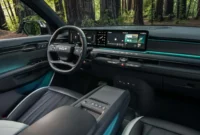
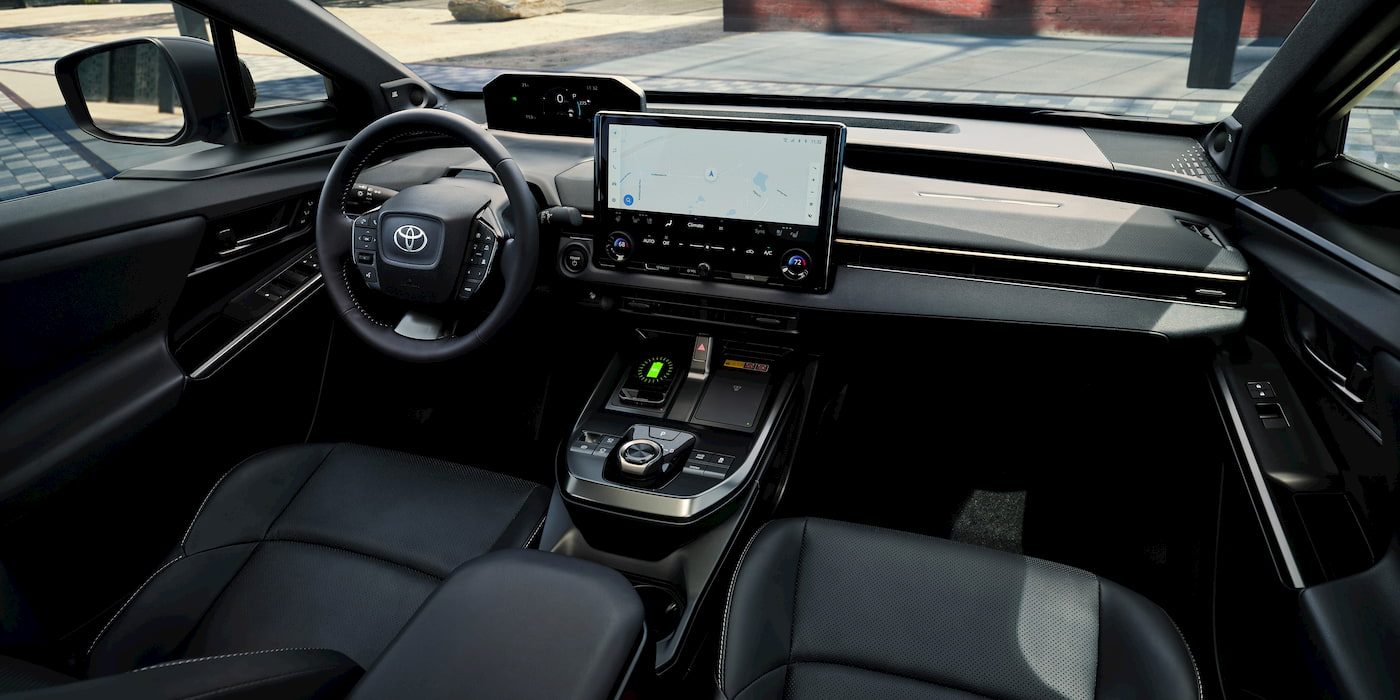
Inside the cabin, the 2027 model addresses historical critiques regarding interior layout and infotainment technology. The updated interior features a modernized architecture centered around a large 14-inch Toyota Audio Multimedia touchscreen interface, complete with wireless Apple CarPlay and Android Auto integration as standard equipment.
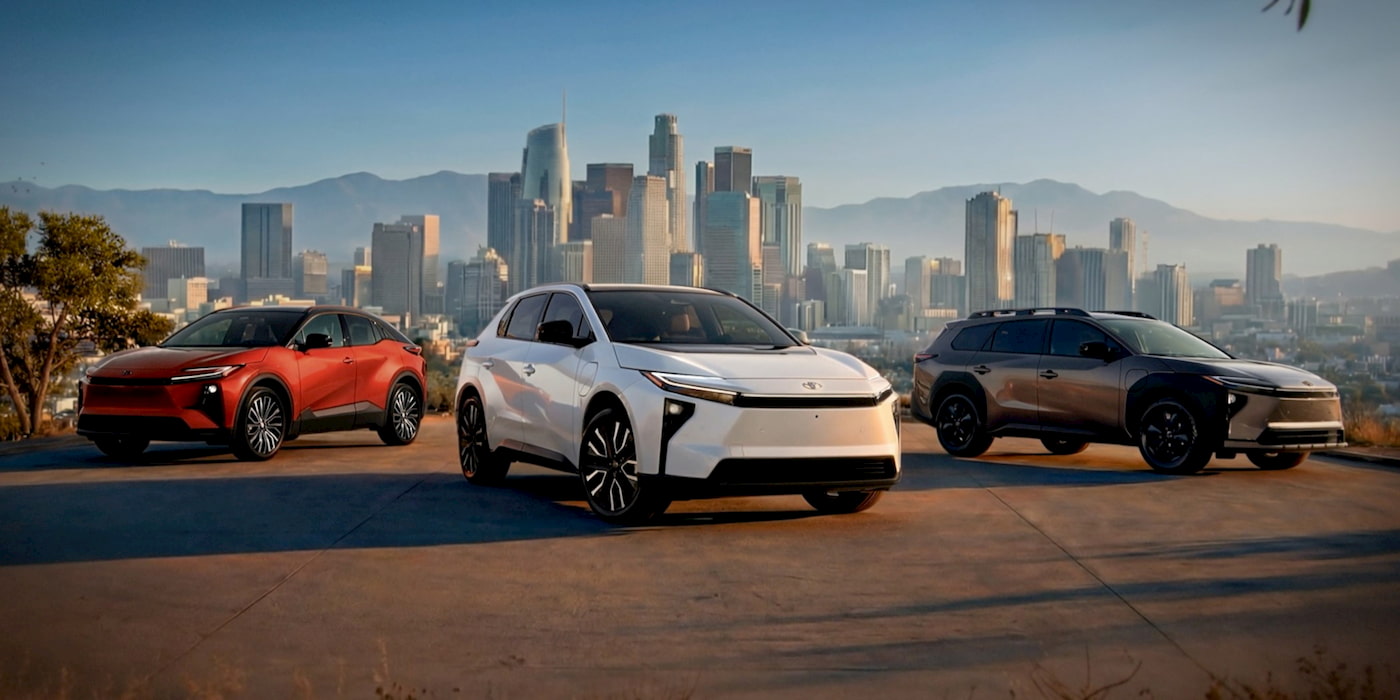
Toyota’s broader US electric utility portfolio now spans three distinct offerings designed to capture different segments of the crossover market. Alongside the core bZ model, the automaker offers the compact C-HR electric SUV starting at $37,080, and the adventure-oriented bZ Woodland variant starting at $45,380, catering to outdoor enthusiasts looking for enhanced ground clearance and utility capabilities.
Broader Industry Implications and Outlook
The August 2026 sales data compiled by Cox Automotive paints a picture of an electric vehicle industry undergoing a healthy, albeit turbulent, evolution. The transition away from government subsidy dependency toward organic market demand is proving that consumers are willing to embrace electrification provided the value proposition aligns with traditional automotive benchmarks.
Toyota’s methodical, calculated entry into the battery-electric space—once criticized by ardent EV purists as overly cautious—has culminated in a masterclass in market timing. By waiting for battery supply chains to mature, charging standards to unify under NACS, and manufacturing costs to decline, Toyota has been able to introduce profitable, high-demand vehicles at price points that legacy competitors struggle to match.

As automakers clear out remaining inventory of outgoing 2026 models to make room for fully realized 2027 iterations, retail incentives are expected to remain robust through the remainder of the third quarter. For prospective buyers, the convergence of falling transaction prices, expanding charging infrastructure, and increased product variety signals that the electric vehicle market is officially transitioning from an exclusive niche into a mainstream commercial reality.