The Evolution of Display Technology in Portable Computing
The transition to 4K resolution in the laptop market has been driven by the increasing demand for professional-grade color reproduction. In the professional digital cinema industry, the DCI-P3 color gamut serves as the benchmark for color precision. This color space is approximately 25% wider than the standard sRGB space, allowing for a broader range of color variations and deeper, more vibrant tones. For a laptop display to be considered professional-grade, it typically requires coverage of at least 85% of the DCI-P3 gamut.
Furthermore, the shift toward OLED technology has fundamentally altered the viewing experience. Unlike traditional LCD screens that rely on a backlight, OLED panels offer individual pixel illumination, resulting in true blacks and near-infinite contrast ratios. This is particularly advantageous for professionals who work in low-light environments or those who require absolute accuracy in shadow detail.
A Chronological Update: Leading the Market in 2025
The landscape for high-resolution laptops shifted significantly in the first half of 2025. On June 3, 2025, industry standards were adjusted as the MSI Titan 18 HX was replaced in top-tier performance rankings by the MSI Raider 18 HX AI. This change reflected a broader industry pivot toward incorporating NPU-enabled processors and advanced thermal management systems to support high-resolution gaming and heavy-duty rendering. As of mid-2025, the following models have emerged as the leaders in their respective categories:
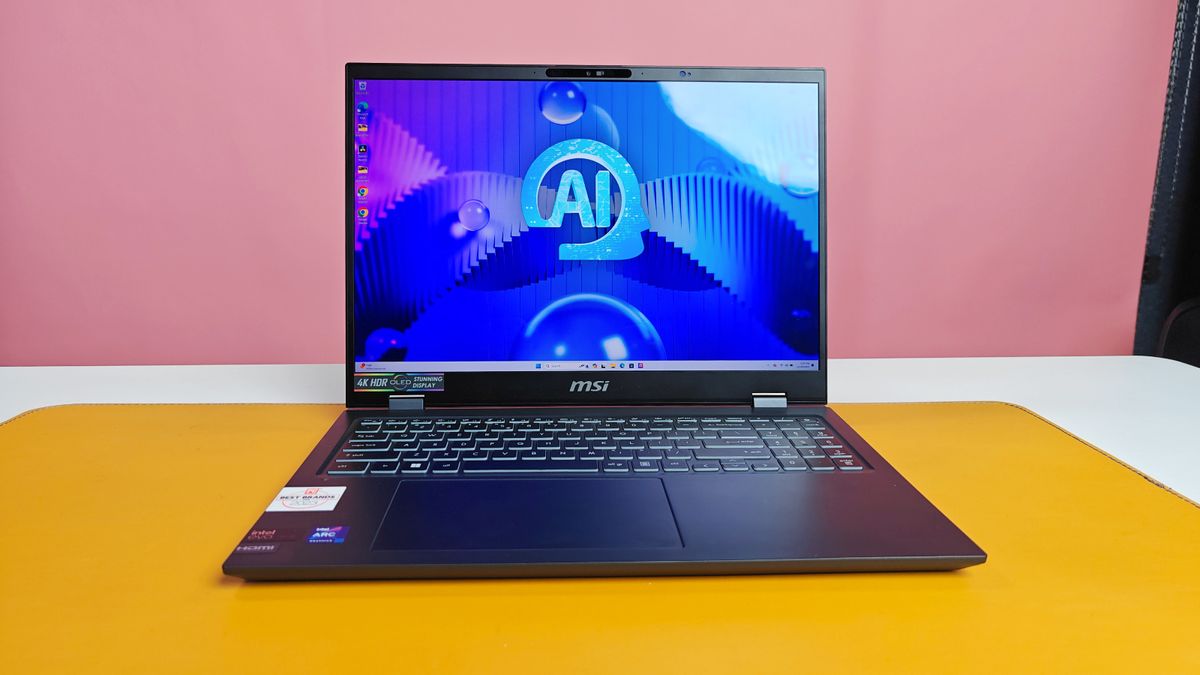
1. The MSI Prestige 16 AI Evo: The Best Overall Choice
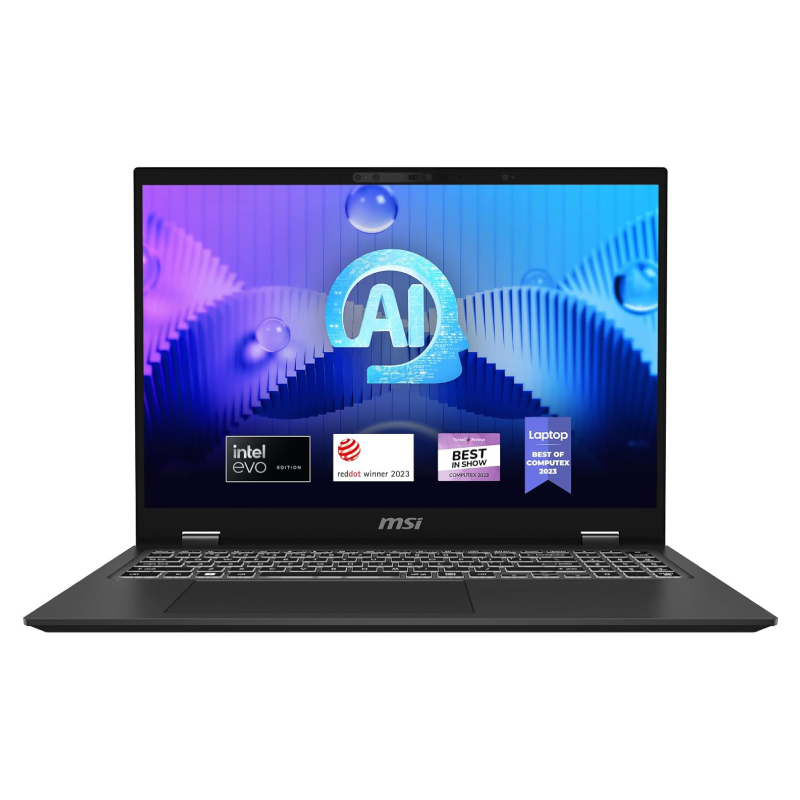
The Prestige 16 AI Evo remains the gold standard for versatility. Equipped with an Intel Core Ultra 7 155H processor, 32GB of RAM, and a 16-inch 4K OLED display, it balances portability with high-end performance. Its ability to cover 137.9% of the DCI-P3 gamut ensures that colors are not just accurate, but exceptionally vivid. Despite utilizing a previous-generation chip, its multicore performance—clocking in at 13,310 in Geekbench 6—outpaces many contemporary rivals, proving that efficient architecture often outweighs the latest silicon releases.
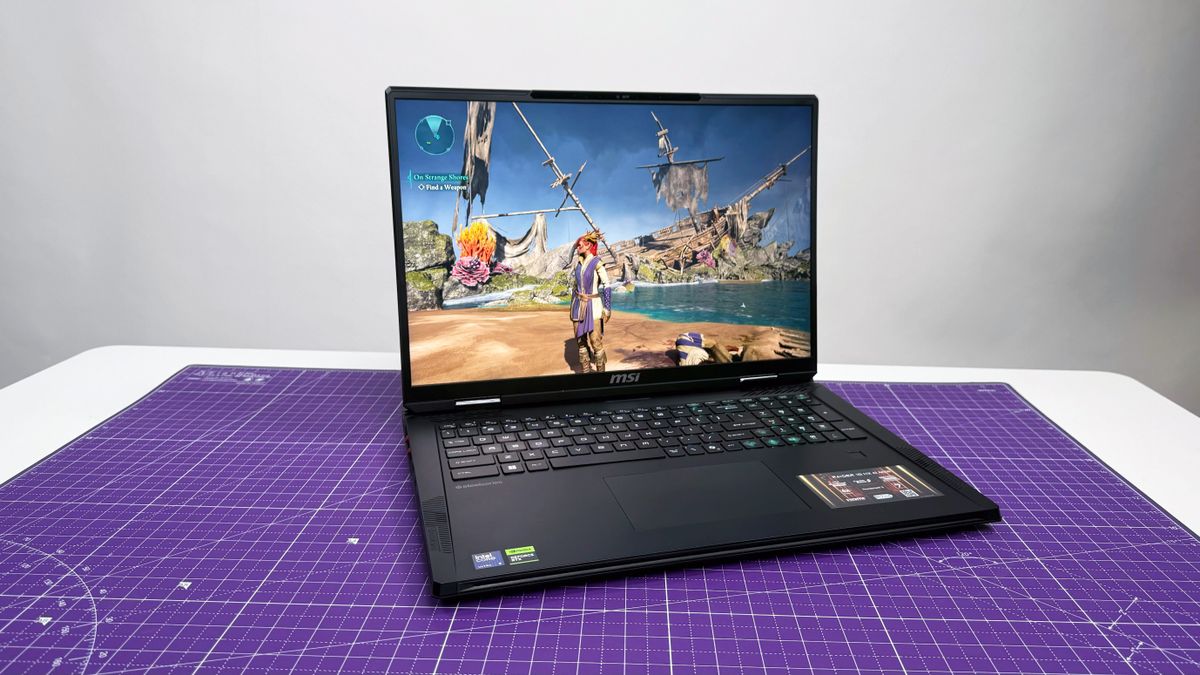
2. The MSI Raider 18 HX AI: The Premier Gaming Powerhouse
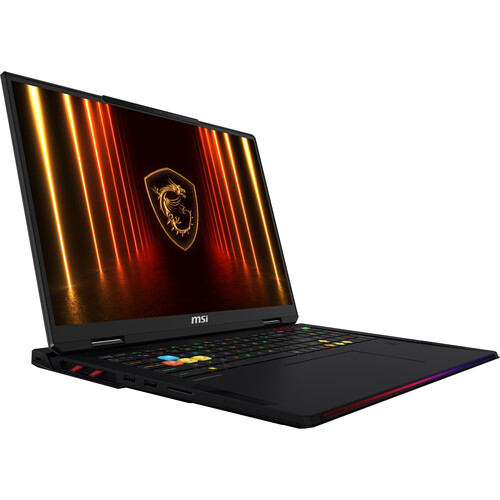
For users requiring desktop-level performance in a mobile form factor, the Raider 18 HX AI is the definitive choice. Boasting an Nvidia RTX 5080 GPU and an Intel Core Ultra 9 285HX, it is designed for demanding AAA gaming and rapid video transcoding. The integration of a 120Hz Mini-LED display allows for 668 nits of brightness, solving the traditional dimness issues associated with high-resolution gaming screens. However, this power comes at a cost: the machine weighs 7.8 pounds and exhibits limited battery life, cementing its status as a stationary workstation rather than a travel companion.
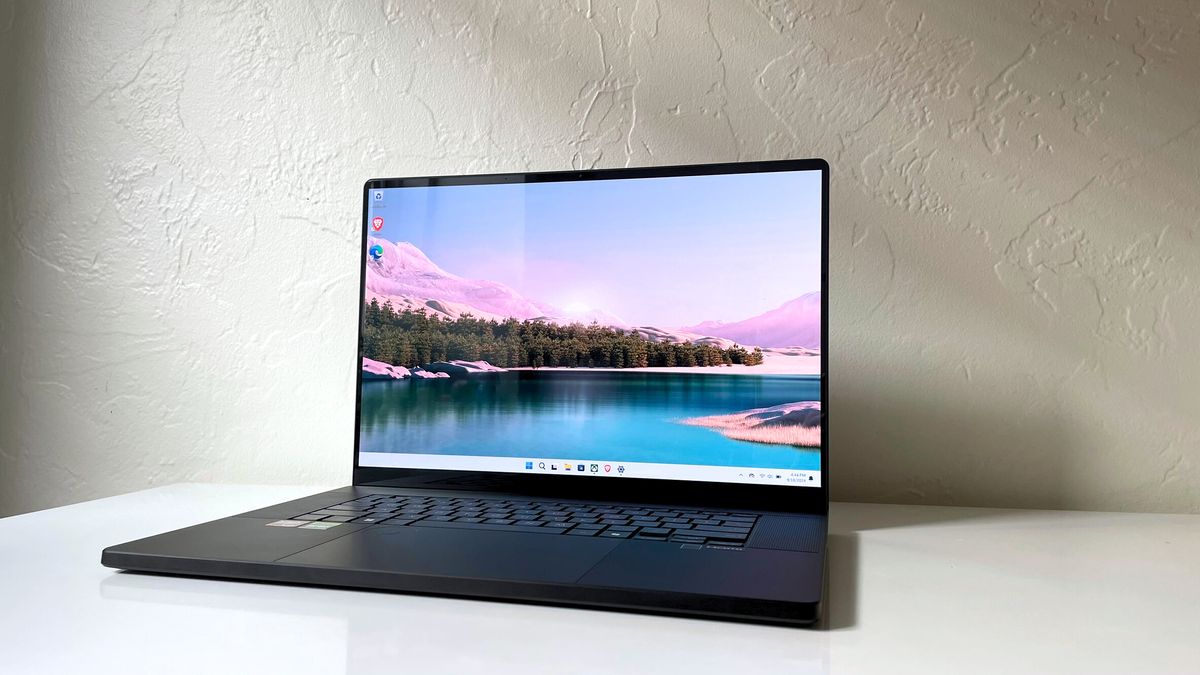
3. The Asus ProArt P16: The Creator’s Professional Choice
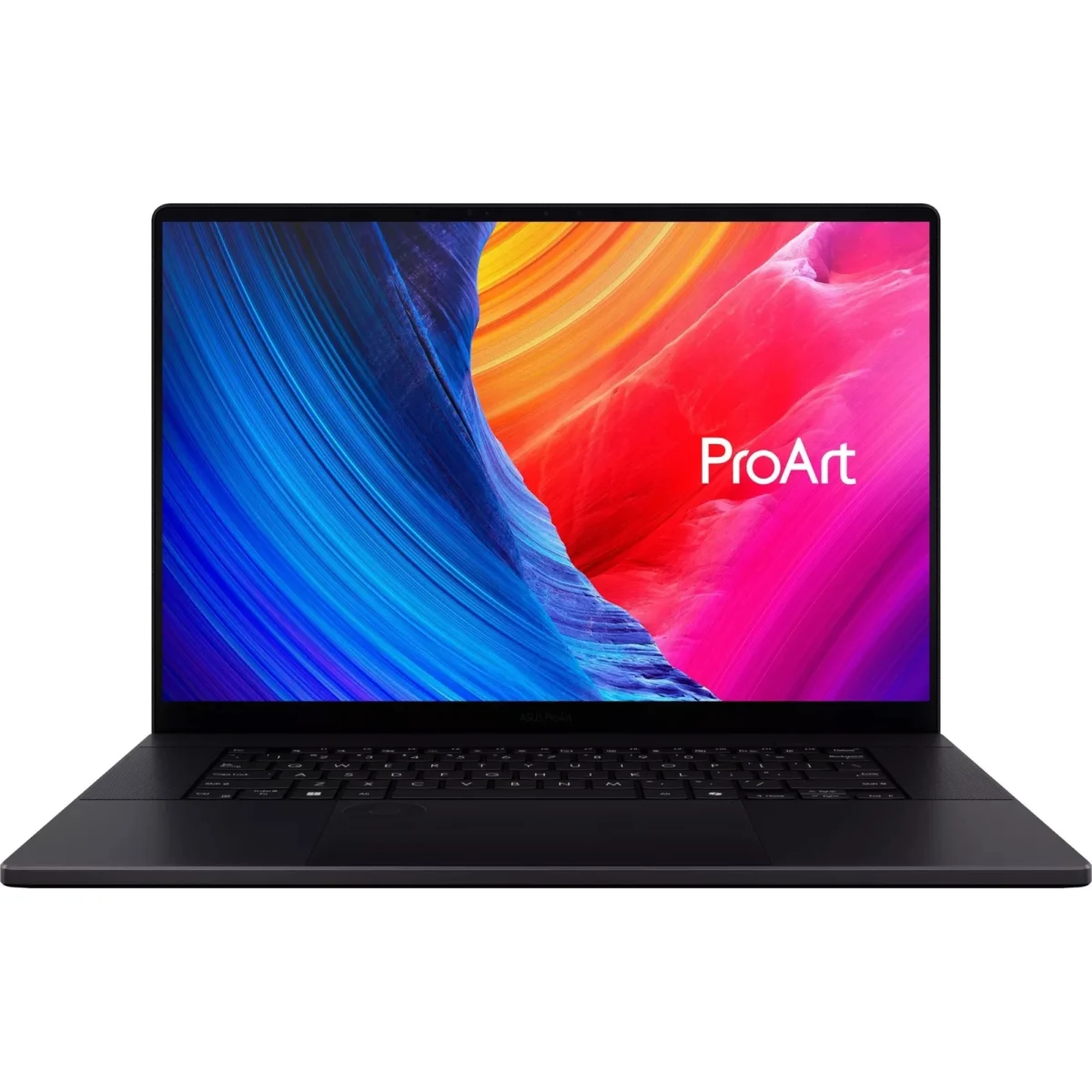
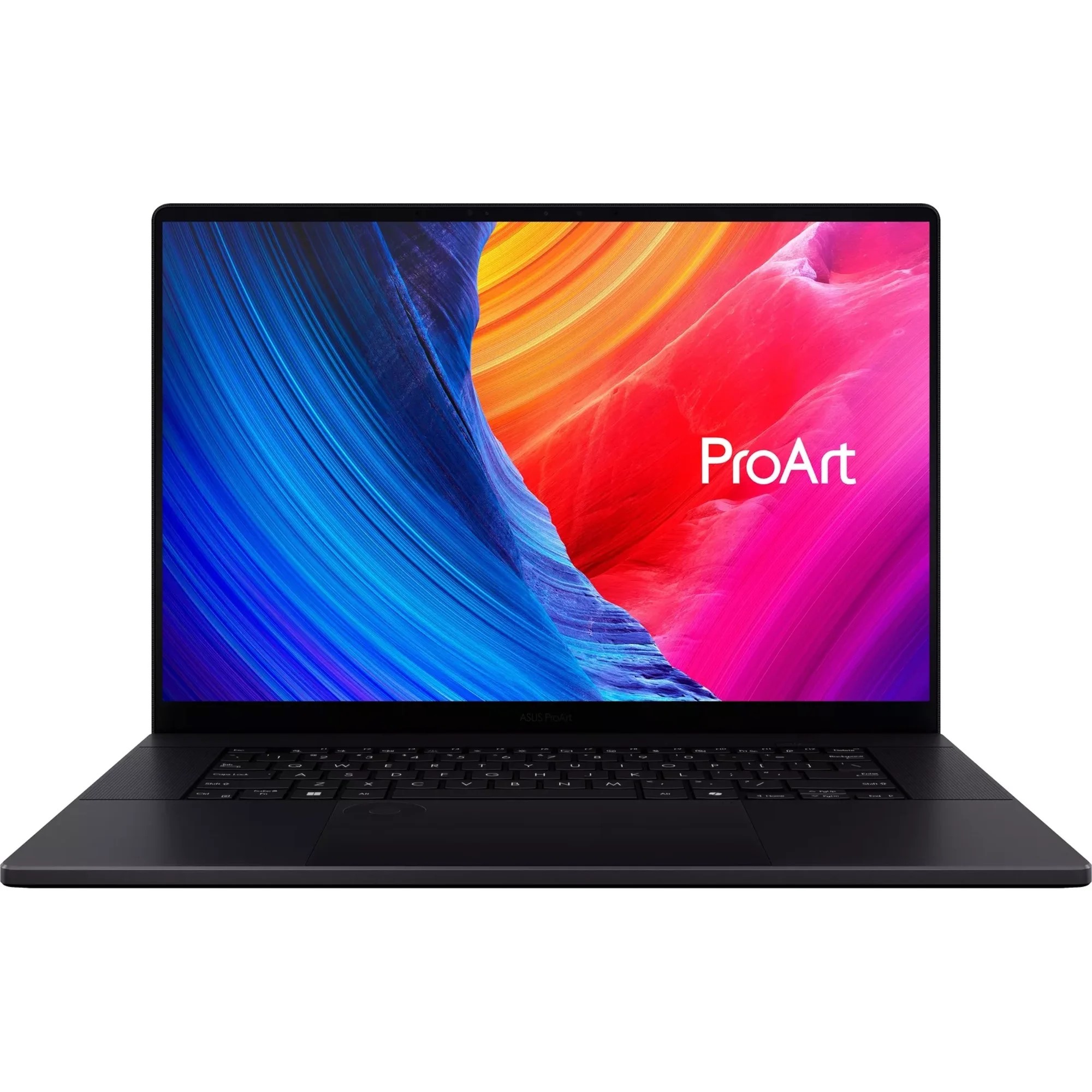
Targeting the professional creative sector, the Asus ProArt P16 utilizes the AMD Ryzen AI 9 HX 370 processor and an Nvidia RTX 4070. It serves as a formidable competitor to the Apple ecosystem, providing Windows-based professionals with a high-performance alternative at a more accessible price point. With 85.5% DCI-P3 coverage and an OLED touch-enabled display, it is optimized for color-sensitive workflows, such as photography and graphic design.
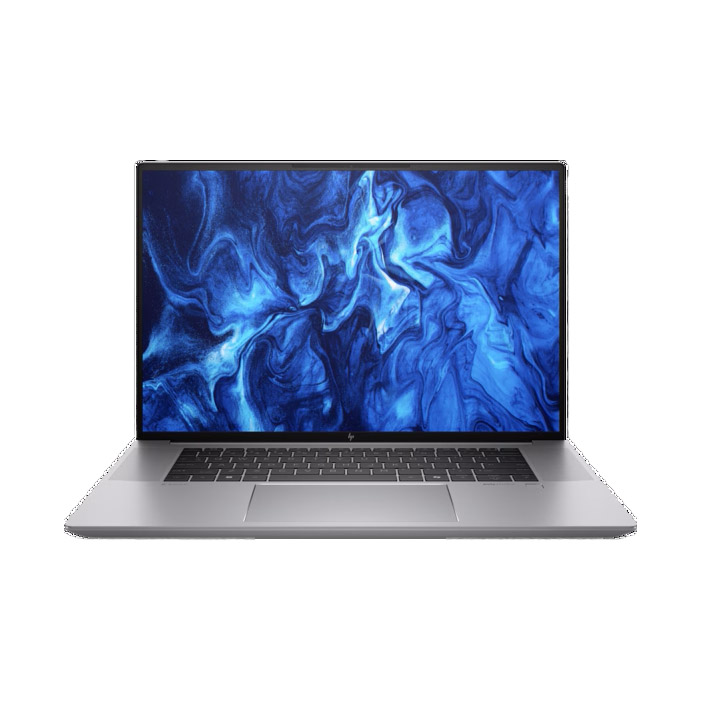
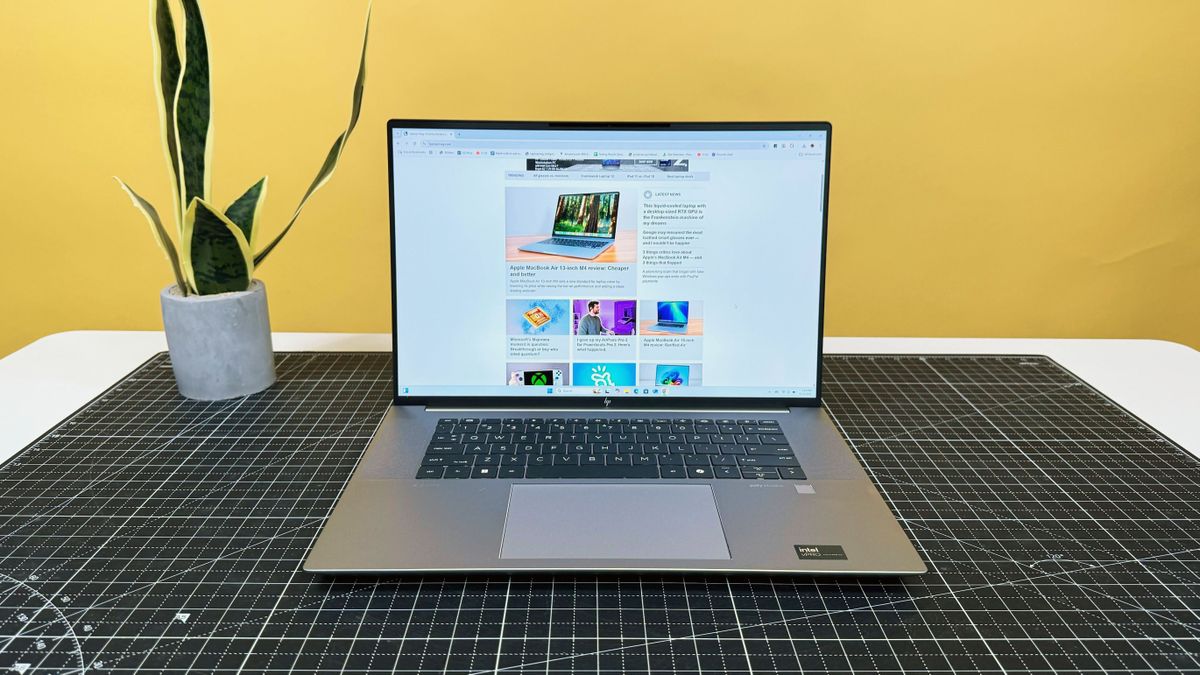
4. The HP ZBook Studio 16 G11: The Industry Standard for Engineers
HP’s ZBook line has long been the preferred choice for 3D animators and data scientists. The G11 model features the Nvidia RTX 3000 Ada Generation graphics card, which prioritizes workload stability over raw, overclocked speeds. With a Delta-E color accuracy score of 0.26, it is engineered for those who cannot afford even minor discrepancies in color or rendering output.

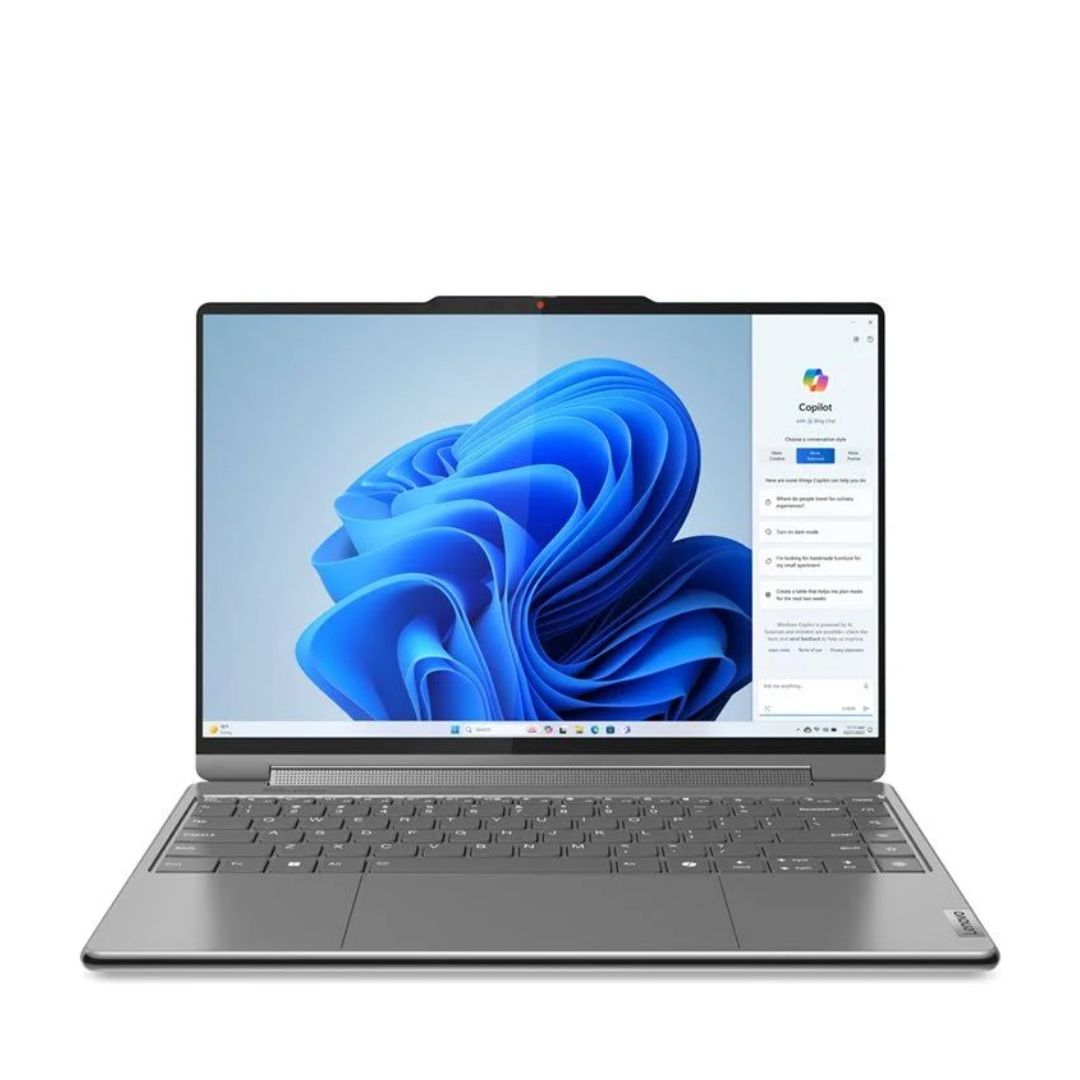
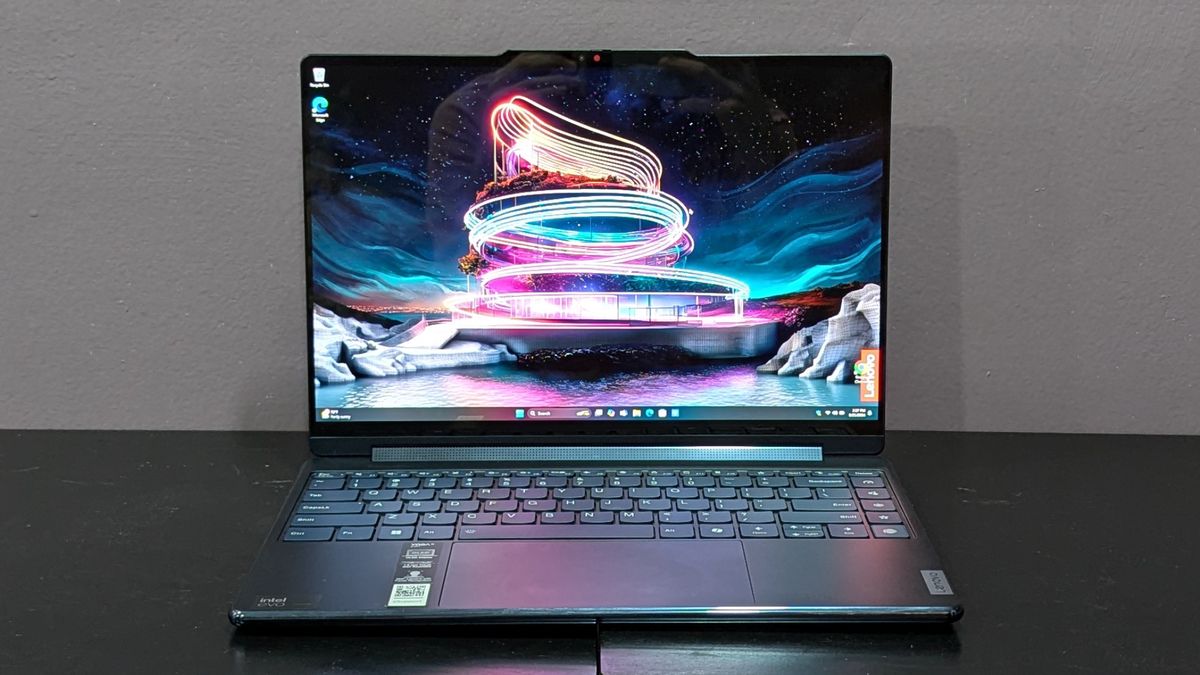
5. The Lenovo Yoga 9i Gen 9: The Portable 14-inch Option
For professionals who prioritize mobility, the Lenovo Yoga 9i offers a 14-inch 4K OLED screen in a 2-in-1 form factor. Its lightweight, 2.9-pound chassis is ideal for digital artists who require a device that can transition between a traditional laptop and a drawing tablet. While it lacks the raw power of the larger workstations, its color range (136% DCI-P3) remains among the best in the industry.
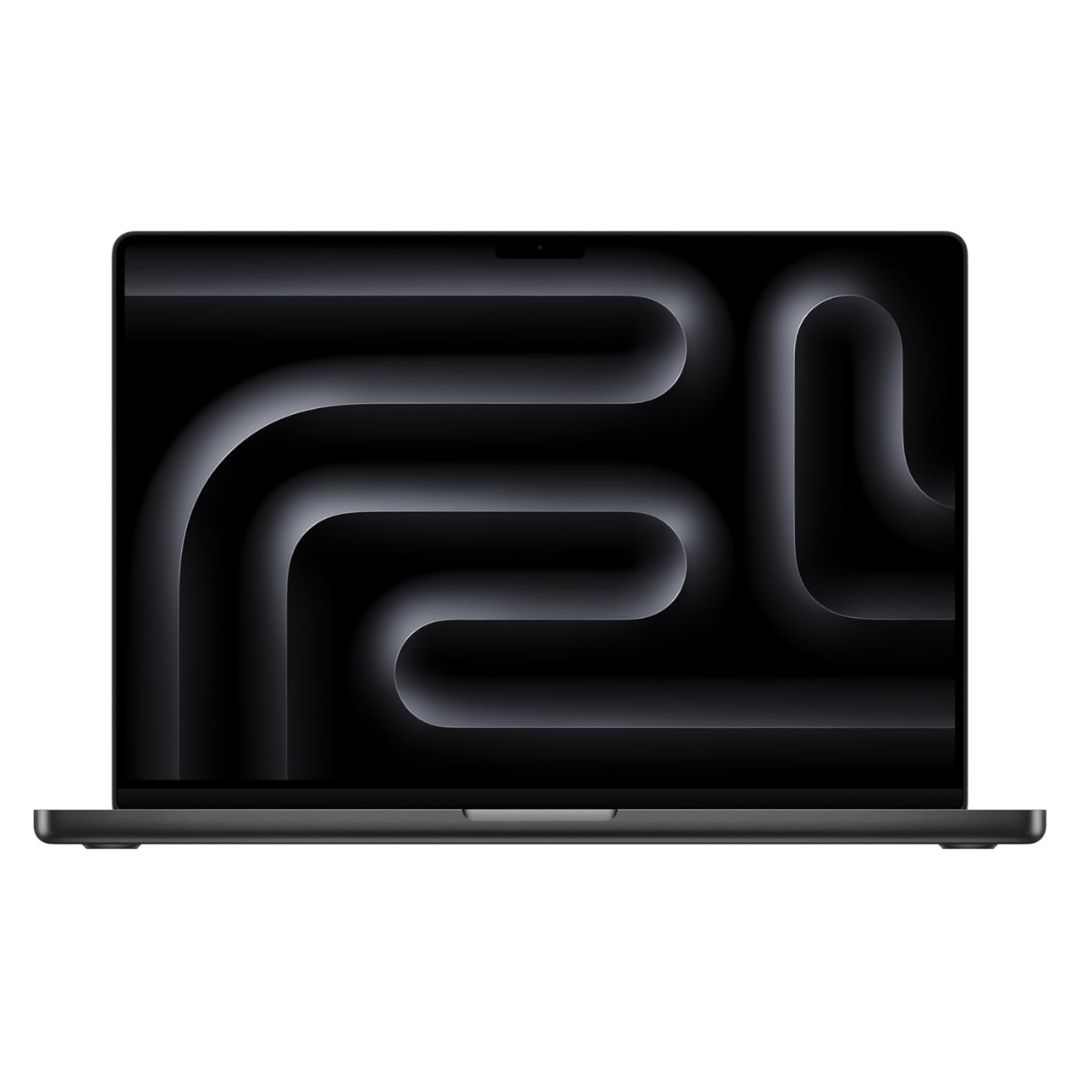
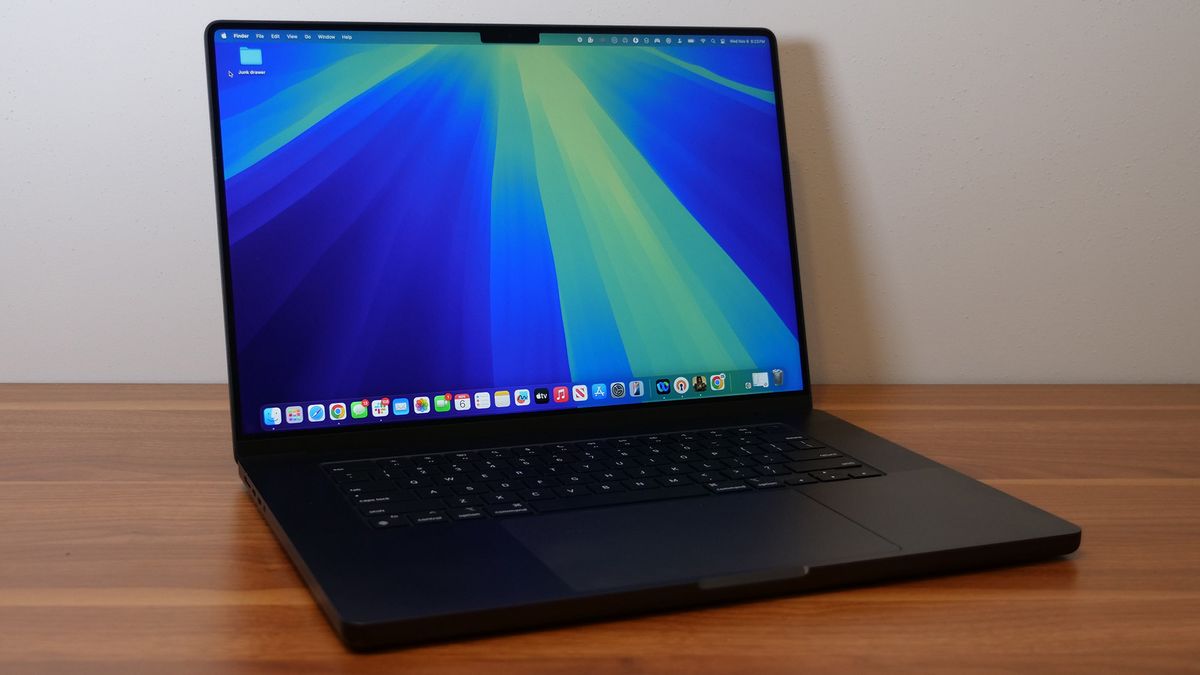
6. The Apple MacBook Pro 16 M4 Pro: The "Almost" 4K Standard
While its resolution (3456 x 2234) does not technically reach the 4K pixel count, the MacBook Pro 16 M4 Pro is included due to its overwhelming dominance in the creative market. With nearly 21 hours of battery life and a Geekbench 6 multicore score of 22,822, it represents a leap forward in mobile computing efficiency. Its Mini-LED display offers a peak HDR brightness of 1,116 nits, outperforming most dedicated 4K OLED panels in high-glare environments.
Technical Analysis: Implications of High-Resolution Displays
The move toward 4K and 4K-adjacent resolutions brings both benefits and specific hardware challenges. The primary implication for users is the increased demand on system resources. A 4K display requires the GPU to process four times the data of a 1080p display, which can lead to higher thermal output and faster battery depletion.
Our laboratory testing indicates that battery life remains the primary trade-off. While the Apple MacBook Pro 16 M4 Pro manages to circumvent this through superior power management, most Windows-based workstations with 4K panels struggle to exceed 8 hours of moderate use. Furthermore, users must consider the aspect ratio. The 16:10 ratio, now common in high-end laptops, provides extra vertical real estate that is objectively better for document editing and timeline-based video software, whereas the traditional 16:9 ratio remains the standard for media consumption.
Comparative Performance Metrics
Data compiled by Laptop Mag testing labs highlights the disparity between high-performance workstations and portable devices. In the Geekbench 6 multicore test, the Apple MacBook Pro 16 M4 Pro and the MSI Raider 18 HX AI significantly outpaced the competition, with scores exceeding 21,000. Conversely, while the Lenovo Yoga 9i displays lower raw performance scores, it compensates with extreme color accuracy and portability, illustrating the necessity for users to choose hardware based on their specific professional requirements rather than a single performance metric.
Choosing the Right Device: Factors for Professionals
When selecting a 4K laptop, users should evaluate their requirements based on four key pillars:
- Aspect Ratio: Choose 16:10 for productivity and document management, or 16:9 for film production and media-centric workflows.
- Panel Technology: Opt for OLED if your work involves deep shadows and color grading in controlled lighting. Select Mini-LED or high-brightness LCD if you frequently work in bright, outdoor, or office environments where glare is an issue.
- Color Gamut: Ensure the device covers at least 85% of the DCI-P3 gamut. For color-critical professional work, prioritize models that reach 100% or higher.
- Hardware Lifecycle: Consider the longevity of the RAM and storage. As software requirements for video and 3D rendering continue to grow, opting for a model that allows for memory expansion or choosing a higher base configuration is a prudent long-term investment.
Conclusion and Future Outlook
The 4K laptop market in 2025 is defined by the maturation of display technology. As OLED and Mini-LED panels become more efficient and accessible, the barrier to entry for professional-grade visuals has lowered. While gaming-centric laptops like the MSI Raider remain the undisputed kings of raw power, the emergence of AI-integrated processors in the Prestige and ProArt lines demonstrates that the future of the professional laptop lies in the synergy between high-resolution displays, NPU-accelerated workflows, and sustainable battery performance. For the discerning user, the decision today is no longer just about resolution, but about finding the specific balance of color accuracy, thermal stability, and portability that meets the demands of their craft.