The independent gaming sector is mourning the loss of Polyarc, the Seattle-based studio best known for its critically acclaimed virtual reality franchise, Moss. After nearly 12 years of operations, the studio has officially announced the cessation of active development. The news, shared via the company’s LinkedIn page, confirms that the team is disbanding, effectively closing a chapter on one of the most celebrated developers to emerge from the early wave of modern virtual reality gaming.
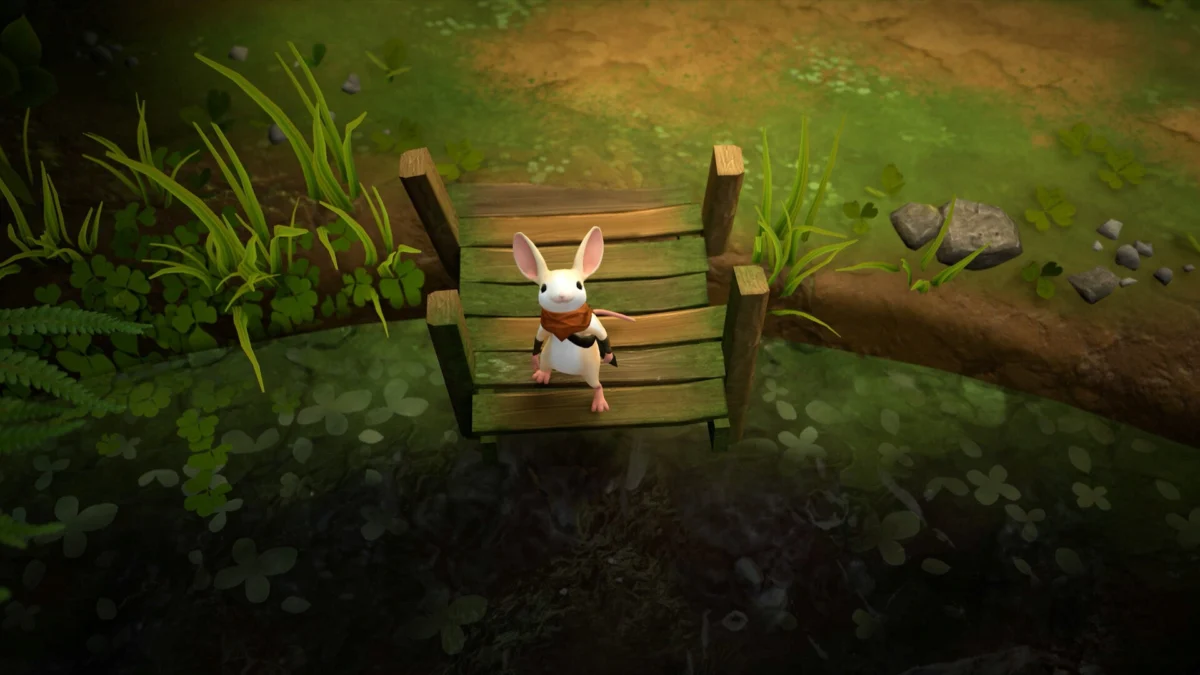
This announcement comes as a surprise to many in the industry, particularly following the studio’s efforts to broaden the accessibility of its flagship intellectual property. In July of this year, Polyarc released Moss: The Forgotten Relic, an ambitious project that consolidated the original Moss and Moss: Book II into a singular, non-VR experience. By removing the hardware barrier, the studio sought to introduce its beloved protagonist, Quill the mouse, to a wider audience on traditional gaming platforms. However, despite this strategic pivot, the studio has determined that it can no longer sustain its operations.
A Chronology of Polyarc’s Creative Journey
Founded in 2015 by industry veterans who cut their teeth at major studios like Bungie and Valve, Polyarc positioned itself as a boutique developer dedicated to the nascent medium of VR. From its inception, the studio’s mission was to create "surprise and delight" through immersive, high-fidelity storytelling.
- 2015: Polyarc is officially founded in Seattle, Washington, with a focus on high-quality VR experiences.
- 2018: The studio launches Moss, a puzzle-platformer that quickly becomes a landmark title for the PlayStation VR and other platforms. Its protagonist, Quill, becomes a mascot for the potential of VR character-driven storytelling.
- 2022: Moss: Book II is released to critical acclaim, deepening the lore and expanding the scope of the original game’s mechanics.
- 2023: The studio shifts gears with Glassbreakers: Champions of Moss, a competitive online strategy game.
- 2024: Polyarc releases Moss: The Forgotten Relic, a non-VR compilation designed for PC and consoles.
- Late 2024: Polyarc officially announces the end of active development and the dissolution of its staff.
The studio’s trajectory mirrors the broader history of the VR market. In 2018, the industry was riding a wave of optimism regarding the potential for home-based virtual reality. Moss was frequently cited by critics and hardware manufacturers alike as a "must-play" title that demonstrated how third-person camera perspectives could work effectively in a headset. However, the anticipated mass-market adoption of high-end VR never quite reached the levels required to sustain a mid-sized, independent studio focusing exclusively on that niche.
The Financial and Strategic Context
While the studio has not released specific financial statements, the closure follows a pattern seen across the independent game development sector over the past two years. Market analysts have pointed to a "correction" in the gaming industry, where venture capital interest has waned and consumer spending has become increasingly concentrated on "live service" titles and established franchises.
The performance of Glassbreakers: Champions of Moss serves as a sobering case study. As a competitive, multiplayer-focused title, it required a healthy and consistent player base to remain viable. However, the niche nature of VR-exclusive competitive gaming meant that the title struggled to gain traction against the backdrop of traditional, non-VR esports. The subsequent pivot to The Forgotten Relic appeared to be a final, strategic attempt to leverage the studio’s most valuable asset—the Moss brand—to reach a broader audience beyond the limits of VR hardware. The failure of this strategy to generate sufficient momentum to keep the studio solvent highlights the extreme difficulty of transitioning an established VR brand into the traditional PC and console markets.
Industry Solidarity and the Human Cost
The most tangible evidence of the studio’s finality is the professional transition of its staff. Along with the official announcement, Polyarc provided a publicly accessible spreadsheet containing the contact information and professional portfolios of its former employees. This "reverse-recruiting" tool is a common, yet somber, practice in the modern gaming industry, used to help displaced developers find new roles in a highly competitive job market.
The message shared on LinkedIn reflected a deep sense of camaraderie and professional pride: "After nearly 12 years riding the joyous rollercoaster of emotions that is making video games, our time together has come to an end. As we wind down active development, we are saying our farewells to each other. Working together over all of these years has been an honor. Bringing surprise and delight to those who played our games has been a privilege."
Industry peers have responded with a wave of support. The developer community has utilized social media to signal-boost the former Polyarc staff’s portfolios, underscoring the high esteem in which the studio’s talent was held. For many developers, Polyarc represented a "gold standard" for creative independence within the VR space, proving that a small team could produce AAA-quality visuals and narrative depth.
Broader Implications for Virtual Reality
The closure of Polyarc is more than just the end of a single studio; it serves as a bellwether for the challenges facing VR-first development. Despite significant technological advancements in hardware—such as the release of more affordable and capable headsets—the content ecosystem remains fragile.
Developers who specialize in VR face a "double-bind." To create a truly immersive experience, they must invest heavily in VR-specific design, which limits their potential player base to those who own the hardware. If they attempt to "port" these games to traditional screens, they often face the daunting task of re-engineering core mechanics that were designed specifically for 360-degree interaction.
Furthermore, the "discovery" problem in VR stores remains a significant hurdle. Unlike digital storefronts like Steam, which benefit from years of algorithm refinement and massive user volume, VR-specific storefronts often struggle to provide the kind of visibility required to turn a profit on a mid-budget project.
Legacy and Final Reflection
Polyarc leaves behind a legacy that is difficult to overstate. Moss remains one of the few games to successfully bridge the gap between "tech demo" and "meaningful interactive experience." By creating a sense of physical presence—where the player acts as a "Reader" assisting Quill—the studio expanded the vocabulary of game design.
While the studio’s doors are closing, the impact of its work will likely continue to be studied by developers interested in the intersection of character animation, scale, and narrative design. The studio succeeded in building a world that felt lived-in and precious, a rarity in an industry often focused on scale and combat-heavy gameplay.
The loss of Polyarc serves as a sobering reminder of the volatility of the current market. As the industry continues to consolidate, the disappearance of independent studios that prioritize artistic innovation over mass-market trends leaves a void that will be difficult to fill. For now, the "end of an era" at Polyarc serves as both a farewell to a beloved developer and a cautionary tale regarding the sustainability of specialized creative ventures in an increasingly demanding digital economy. The industry now looks toward the individual paths of the former Polyarc team, many of whom are expected to bring their unique expertise in immersive design to new projects across the wider gaming spectrum.