When an automotive manufacturer promotes a new electric vehicle with a staggering figure exceeding 1,000 horsepower, the marketing material typically emphasizes the visceral thrill of immediate, neck-snapping acceleration. However, this headline-grabbing number is rarely the full story. For the uninitiated, the leap from internal combustion engines to electric powertrains has introduced a complex dichotomy between "peak" power and "sustained" power. While the former serves as a powerful marketing tool, it is the latter—often buried deep within technical homologation documents—that truly defines the long-term capability and thermal stability of the vehicle.
The discrepancy between advertised output and real-world performance is not an act of deception, but rather a reflection of the fundamental physics governing battery chemistry, inverter efficiency, and thermal management. In many European markets, where regulatory oversight is rigorous, registration documents often list power figures significantly lower than the glossy brochures displayed in showrooms. This distinction highlights the difference between a fleeting burst of energy and the continuous work a drivetrain can perform without triggering a thermal shutdown or power reduction.
The Physics of Thermal Throttling
At the heart of every electric vehicle is a complex ecosystem consisting of the battery pack, the power inverter, and the electric motor. When a driver aggressively applies the accelerator, the battery releases a massive surge of current to the motor. This instantaneous transfer creates an immense amount of heat. If the vehicle’s cooling system—which manages the temperature of the battery cells, the stator windings in the motor, and the power electronics—cannot dissipate this heat faster than it is being generated, the onboard computer will intervene.
To protect these expensive components from permanent damage, the vehicle’s management software initiates "thermal throttling." This is essentially a safety valve; by reducing the current flow, the system effectively lowers the available torque and, by extension, the total horsepower. Consequently, the vehicle may offer its full 1,000-hp potential for a few seconds during a sprint, but once the system reaches a critical temperature threshold, the output is scaled back to a sustainable level.
Defining the 30-Minute Power Standard
While consumers focus on peak output, engineers and regulators rely on a more sober metric defined by the United Nations Economic Commission for Europe (UNECE) under Regulation No. 85. This is known as "maximum 30-minute power." This standardized test measures the highest average net power an electric drivetrain can sustain over a continuous 30-minute period without exceeding safe operating temperatures.
This metric is significantly more representative of real-world use cases, such as high-speed highway cruising, towing a heavy trailer up an incline, or driving aggressively on a race circuit. While it may lack the punch of a peak power figure, the 30-minute rating provides a reliable benchmark for an EV’s true, long-term performance capabilities. The gap between the peak figure and the 30-minute figure serves as a proxy for the engineering quality of the vehicle’s cooling architecture. A vehicle with a smaller gap between these two numbers is, by definition, more thermally robust.
Historical Context and The Evolution of EV Performance
The obsession with high-output electric motors began in earnest with the debut of high-performance luxury EVs, which sought to challenge the dominance of supercars. Early electric vehicles were plagued by inconsistent performance, leading to the "performance drop-off" that became a point of contention for early adopters.
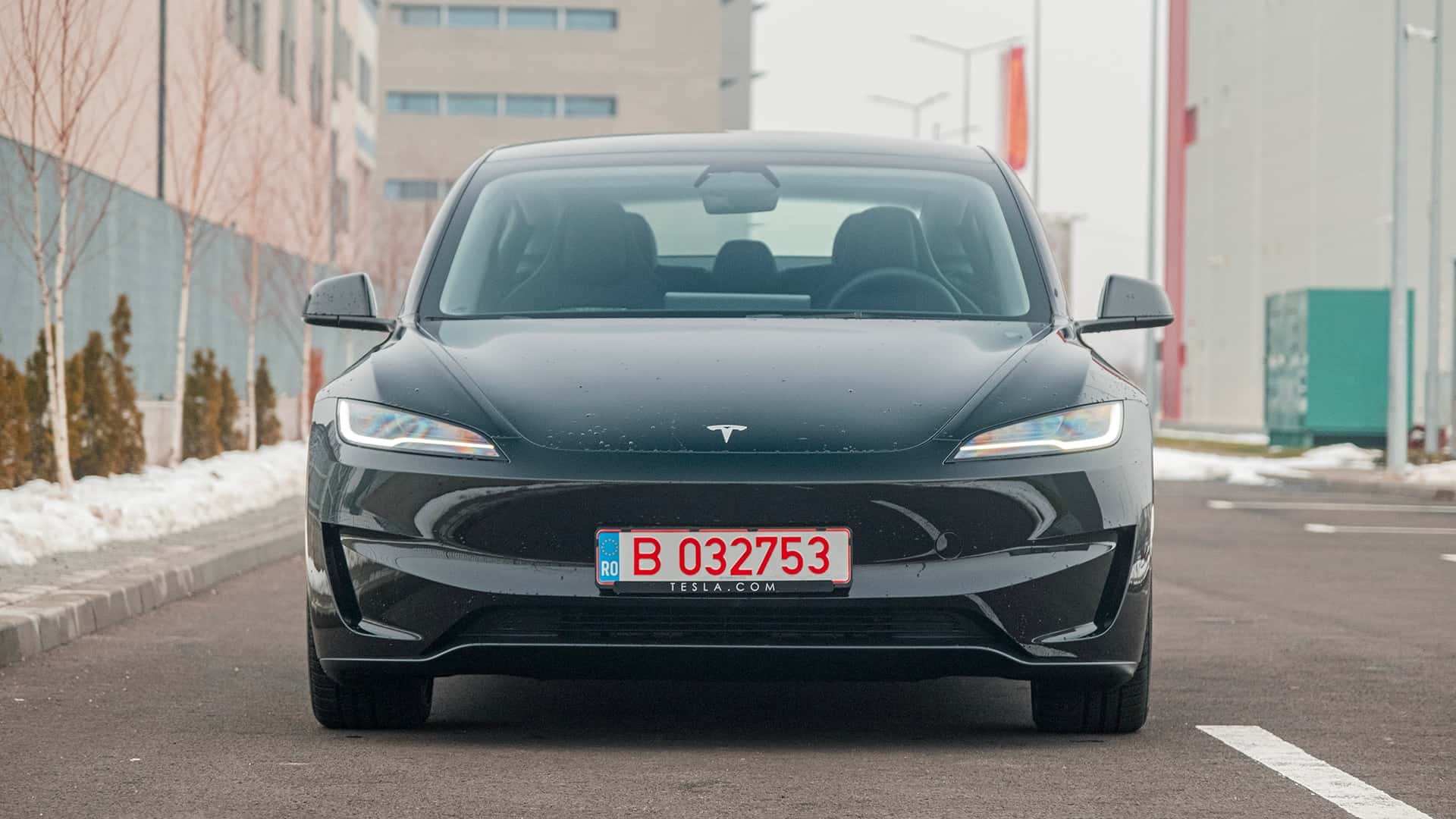
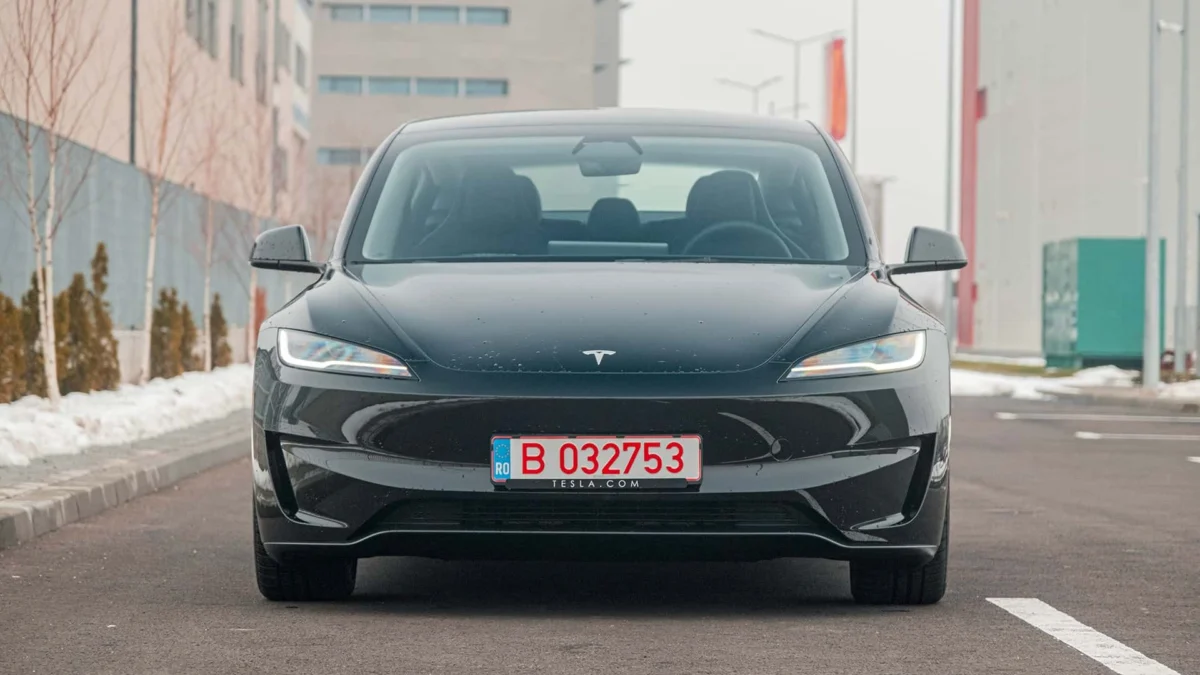
Over the last decade, manufacturers have shifted their focus from simply achieving high output to mastering thermal management. The progression can be observed through the evolution of track-focused software. For instance, Tesla’s "Track Mode" represents a milestone in how automakers communicate these tradeoffs to the consumer. Rather than hiding the limitations of the hardware, the system allows the driver to toggle a "Powertrain Endurance" setting. This mode deliberately restricts maximum power output to maintain a consistent thermal profile over long durations, prioritizing the ability to complete multiple laps at a steady pace over the desire to set a single, blistering lap time.
Real-World Performance Variations
Recent testing by industry experts has shed light on how different manufacturers approach these thermal constraints. In comparative evaluations conducted by publications like Car and Driver, observers noted that some vehicles maintain consistent power output across a wide spectrum of battery charge states, while others suffer a notable performance degradation as the battery levels fall below a certain threshold.
The Hyundai Ioniq 5, for example, has demonstrated an impressive ability to maintain consistent acceleration until its battery charge drops below 20%. This suggests that the manufacturer has engineered a "headroom" into the powertrain, where the battery is capable of supplying more power than the motors demand, effectively masking the physical limitations of the discharge process. Conversely, other high-performance models have shown that as voltage drops during discharge, the system must draw increasingly higher current to maintain the same power, which in turn generates even more heat, accelerating the onset of thermal throttling.
Implications for the Consumer
The marketing of peak horsepower has created a consumer culture that often overlooks the nuances of automotive engineering. While it is true that few drivers will ever need to maintain 1,000 horsepower for 30 consecutive minutes, the peak-versus-sustained debate has significant implications for luxury and sports car buyers.
If a consumer purchases a high-performance EV expecting consistent performance on a winding mountain road or a track day, they may find themselves disappointed if the vehicle enters a "limp" or reduced-power mode after just a few minutes of spirited driving. Conversely, vehicles engineered with advanced cooling systems—such as those featuring oversized radiators, specialized battery chilling plates, and high-efficiency inverters—are designed to minimize these interruptions. Porsche, for instance, demonstrated the efficacy of its thermal management in a series of 26 consecutive 0–200 km/h acceleration tests, where the difference in timing between the first and last run was a mere 0.8 seconds. This result highlights that while electric motors can overheat, they do not have to, provided the thermal engineering is sufficiently prioritized.
Moving Beyond the "Horsepower War"
The industry appears to be approaching a turning point. While "horsepower wars" have historically defined the top-tier segment of the automotive market, there is a growing consensus among some manufacturers that pursuit of ever-higher peak numbers is reaching a point of diminishing returns. Executives, such as those within the Hyundai N division, have suggested that the focus should shift toward "emotional" performance, handling, and consistency rather than just raw, peak power.
For the prospective buyer, the lesson is clear: look past the marketing headlines. If you are shopping for a performance-oriented EV, investigate the manufacturer’s documentation for sustained power ratings or real-world track performance reviews. Understanding that a vehicle’s output is not a static number, but a dynamic variable influenced by battery temperature, cooling efficiency, and state of charge, will lead to a more informed purchase decision.
Ultimately, the peak horsepower advertised on a window sticker is a measure of potential, but it is the thermal engineering beneath the skin that dictates the reality of the driving experience. As electric vehicles continue to replace their combustion-powered counterparts on both the street and the track, the ability to sustain power—not just produce it—will likely become the true hallmark of performance engineering.