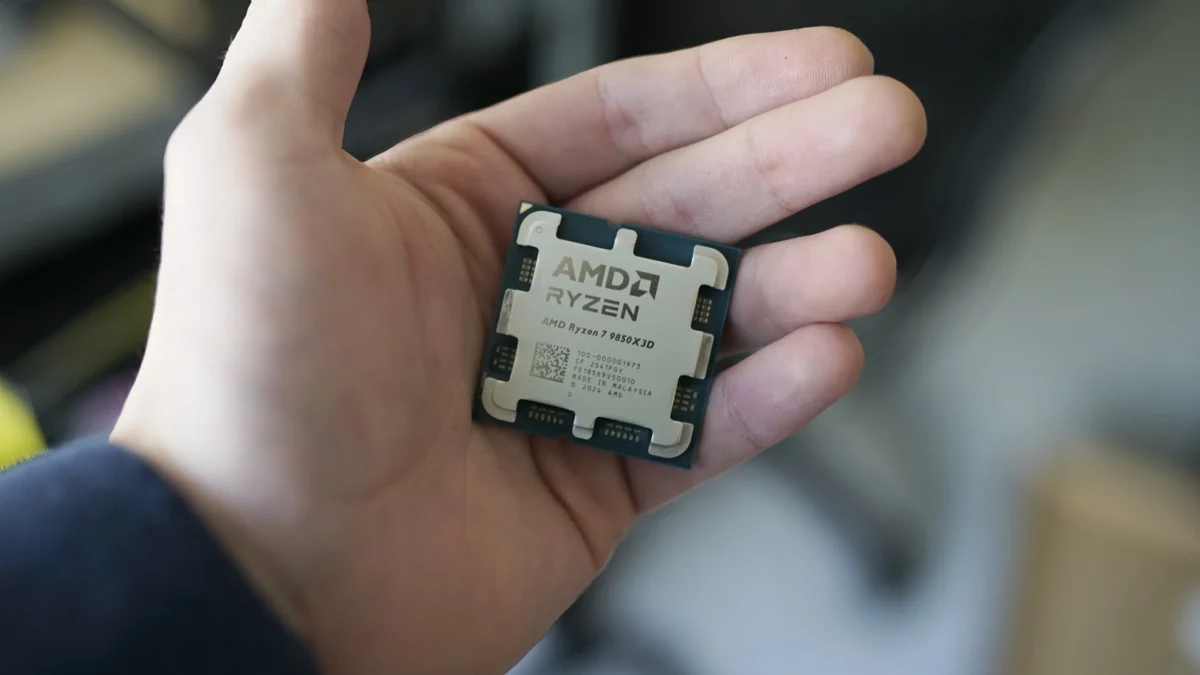
Federal law enforcement authorities have arrested and charged a Customs and Border Protection (CBP) supervisor stationed in Calais, Maine, following an intricate internal investigation into federal property theft and sabotage. Terry “Jiajia” Liu, who was employed as an IT support specialist at border facilities along the Maine-Canada frontier, is accused of systematically looting high-grade computer hardware from dozens of secure government workstations.
According to federal court documents and reports initially brought to light by local investigative media, Liu targeted at least 46 Department of Homeland Security (DHS) computers across three distinct border facilities. The stolen components included high-performance Intel 14th Generation Raptor Lake Refresh processors, advanced memory modules, and high-capacity hard drives. To avoid immediate detection, Liu allegedly replaced the high-end components with vastly inferior, older hardware—in some instances downgrading processing power to obsolete Pentium chips—and subsequently monetized the stolen federal assets through commercial trade-in platforms.
The case has highlighted alarming vulnerabilities in internal asset management, physical security, and oversight within critical federal infrastructure installations. As cybersecurity and physical security experts review the fallout, the incident underscores the unique challenges agencies face when trusted technical personnel exploit their authorized access for illicit financial gain.
Anatomy of an Inside Job: The Calais Border Facility Operation
Liu’s official role within the Department of Homeland Security was restricted to information technology support and basic maintenance. While this role required physical access to various computer systems across the facilities, it explicitly prohibited Liu from modifying, dismantling, or relocating government hardware without authorization.
Port Director Theodore Cummings had previously issued explicit directives to Liu regarding these strict boundaries. In a written order that formed a cornerstone of the federal affidavit, Cummings explicitly instructed Liu: "Please do not move any computers or computer parts."
Despite these clear prohibitions, investigators discovered that Liu regularly bypassed administrative and physical controls during the vulnerable midnight shifts. Armed with tools such as standard screwdrivers, Liu would transport secure government workstations into isolated training rooms. Hidden surveillance cameras deployed by federal investigators captured the defendant in the act. Footage showed Liu meticulously scraping thermal paste off high-end processors, extracting memory modules, and storing the valuable components inside personal desk drawers before substituting them with substandard parts purchased out-of-pocket from consumer retailers like Amazon and Newegg.
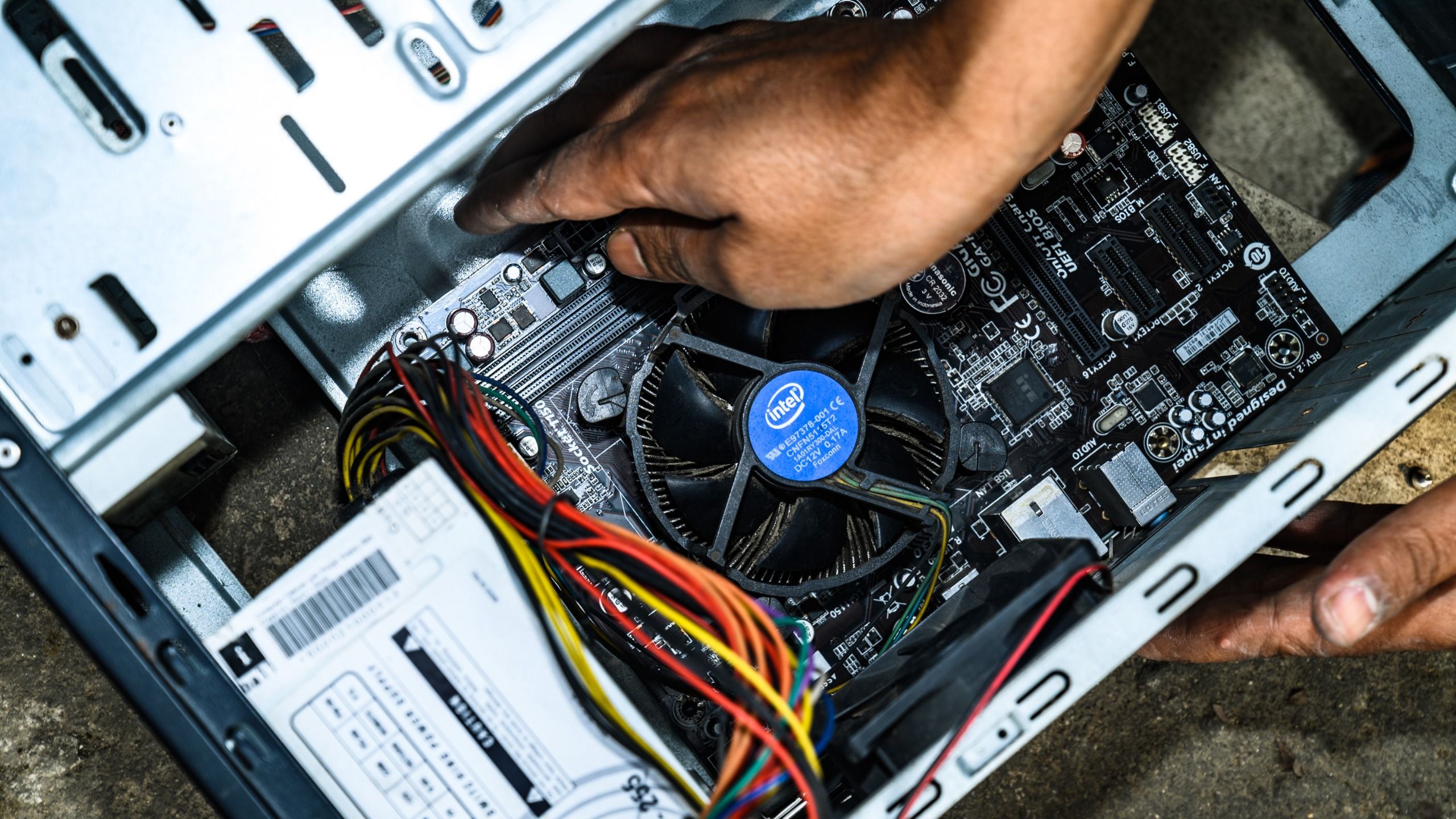
A subsequent forensic audit of the compromised infrastructure revealed the sheer scale of the operation. Out of the 46 computers targeted, 39 had their advanced Raptor Lake Refresh processors swapped out for legacy or low-end components. Additionally, investigators cataloged six machines with missing or downgraded memory modules and eight systems featuring unauthorized hard drive replacements.
The Chronology and Trade-In Scheme
The illicit operation was not a smash-and-grab enterprise; rather, it was a methodical, long-term scheme designed to convert government property into personal store credit without raising immediate red flags on secondary marketplaces like eBay or Craigslist.
Investigators tracking the paper trail discovered that Liu utilized Newegg’s commercial Trade-In program to offload the stolen processors. Between May 2025 and July 2026—a span of roughly 14 months—Liu executed a repeating cycle of theft and liquidation.
The chronology of the investigation and the underlying digital footprint reveal the following key phases:
- May 2025: Liu initiates the trade-in pipeline, executing the first of several transactions involving high-end Intel Core i7 Raptor Lake Refresh processors.
- Mid-2025 to Early 2026: Throughout a 14-month window, investigators identified 13 distinct email threads moving between Liu’s personal email account and an official CBP email address. These correspondences contained shipping labels and trade-in receipts matching the exact specifications of components missing from DHS workstations.
- July 2026: The operation comes to a head as internal discrepancies mount, prompting a full federal investigation involving covert surveillance and digital forensics.
- September 2026: Public disclosures reveal the arrest and formal charges levied against Liu by federal prosecutors.
Financial records obtained via subpoena from American Express corroborated the digital paper trail. Investigators located three separate $200 store credit transactions issued by Newegg to Liu, aligning precisely with the retailer’s trade-in valuations, which typically ranged between $200 and $210 per processor.
Interrogation and Confession
When confronted by federal investigators during formal interviews, Liu initially attempted to justify the clandestine hardware swaps under the guise of maintenance efficiency. The defendant claimed that the modifications were motivated by a desire to enhance computer performance and expedite sluggish IT repair turnaround times within the border stations.
However, this defense quickly crumbled under basic technical scrutiny. Forensic evaluations of the modified systems proved unequivocally that substituting high-performance 14th-generation processors and modern memory modules with legacy and Pentium-class hardware resulted in severe, measurable performance degradation. Realizing the implausibility of the performance-enhancement defense, Liu eventually confessed to purchasing cheaper, lower-tier components on Amazon and Newegg to mask the theft of government-owned assets, which were subsequently sent into Newegg’s trade-in pipeline for personal financial benefit.
Financial Toll and Operational Impact
While the individual trade-in payouts yielded modest returns of roughly $200 per chip, the total financial and operational cost to the federal government is staggering.
According to preliminary government estimates, simply purchasing replacement hardware to restore the stolen components to their original specifications carries an estimated price tag of $20,460. However, this figure represents only a fraction of the total expenditure required to remediate the issue. Fully replacing all 46 compromised computer systems with equivalent, modern hardware is projected to cost approximately $105,800.
Crucially, these financial estimates exclude the extensive labor hours required by IT personnel to securely configure, image, and deploy each system back into a sensitive government network environment. Rebuilding the trust and baseline security integrity of workstations at critical international ports of entry introduces intangible costs that far outweigh the raw hardware replacement expenses.
Broader Implications for Federal Cybersecurity and Insider Threats
The arrest of a DHS contractor and IT supervisor at a vital international border crossing brings a renewed focus to the persistent threat of insider malice. While cybersecurity budgets heavily prioritize external network defense, perimeter firewalls, and cryptographic protocols, physical security and internal hardware auditing often remain secondary considerations.
Insecure asset management—specifically the ability of a single technician to covertly dismantle dozens of operational workstations over a 14-month period without immediate administrative detection—points to systemic vulnerabilities in government oversight. Border security installations handle sensitive law enforcement and immigration data; compromising the endpoint hardware within these facilities creates potential vectors for operational disruption, even if the primary motivation in this specific instance appears to have been financial opportunism rather than foreign espionage.
As federal prosecutors prepare their case against Liu on charges of theft and damage to government property, the Department of Homeland Security faces an urgent mandate to audit physical security protocols across all regional stations. The incident serves as a stark reminder that the most sophisticated digital safeguards can be undermined by a simple screwdriver and a lack of rigorous physical inventory controls.