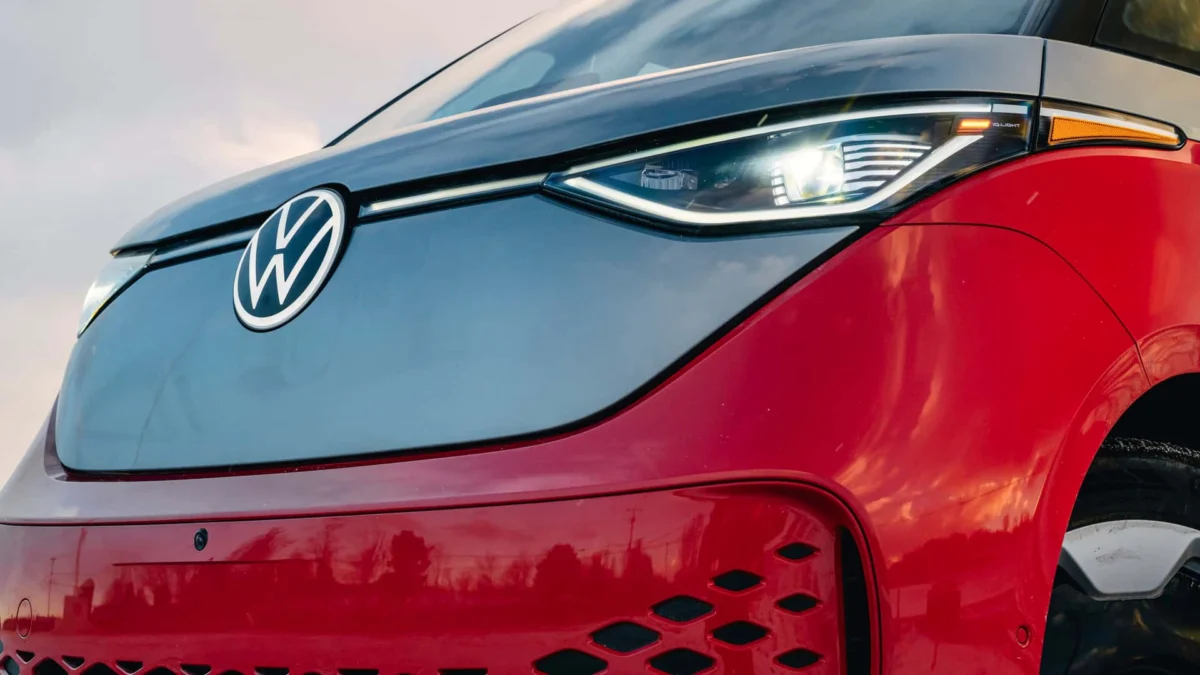
The Volkswagen ID. Buzz, a modern electric interpretation of the iconic Microbus, is set to skip the 2026 model year in the United States, a strategic pause attributed to subdued EV adoption in the American market. Despite robust global demand that saw deliveries double in 2025 to 60,700 units—making it the eighth best-selling EV within the Volkswagen Group—the retro-styled electric minivan has encountered significant headwinds in the U.S. Only 6,140 units found buyers in the American market, prompting Volkswagen to recalibrate its strategy for the North American market. The company plans to clear out remaining 2025 model year inventory before reintroducing the ID. Buzz for the 2027 model year.
U.S. Market Challenges for the ID. Buzz
The initial rollout of the ID. Buzz in the United States has been hampered by several key factors. The rear-wheel-drive model’s EPA-estimated range of 234 miles, while adequate for some urban commutes, has been a point of concern for potential buyers accustomed to longer ranges from competing EVs or internal combustion engine vehicles. Compounding this issue is a substantial starting price of $61,545. This pricing, coupled with the range limitations, has positioned the ID. Buzz as a niche offering rather than a mainstream family vehicle in a market still grappling with widespread EV adoption.
When Volkswagen announced the decision to bypass the 2026 model year, the company officially cited a "strategic decision" based on a "careful assessment of current EV market conditions" and the broader, generally weak EV adoption rates in the U.S. While this statement acknowledges the overarching market challenges, it deliberately avoids singling out specific product-related issues like range or price as the sole catalysts for the hiatus. However, internal discussions reveal that Volkswagen did explore alternative powertrains to enhance the ID. Buzz’s appeal in the U.S.
Exploring a Range-Extending Powertrain
In a candid interview with Australian publication GoAuto, Stefan Mecha, head of Volkswagen Commercial Vehicles, disclosed that the company had indeed considered a range-extending electric vehicle (EREV) variant for the ID. Buzz. This approach would have involved integrating a small gasoline engine to act as a generator, charging the battery and alleviating range anxiety for drivers undertaking longer journeys. Such a configuration could have significantly broadened the ID. Buzz’s market appeal by bridging the gap between pure electric vehicles and traditional gasoline-powered cars, offering the best of both worlds for a segment of consumers hesitant to commit to full electric mobility.
However, the vision of a range-extending ID. Buzz ultimately proved unfeasible due to fundamental platform constraints. Mecha explained that the MEB platform, upon which the ID. Buzz is built, was meticulously designed exclusively for battery-electric vehicles. This dedicated architecture, while enabling efficient electric vehicle packaging and sharing across over 20 models within the Volkswagen Group (including the ID.3 and ID.7 Tourer, and even models from other manufacturers like the Ford Explorer and Capri), lacks the necessary physical space for a combustion engine, particularly in the ID. Buzz’s design. The ID. Buzz’s characteristic short front overhang, a key element of its distinctive retro styling, leaves no room for such an addition. The MEB platform’s inherent design prioritizes battery placement and electric motor integration, making the retrofitting of a gasoline generator a significant engineering challenge, if not an outright impossibility, without a fundamental redesign.
Broader EREV Strategies within the Volkswagen Group
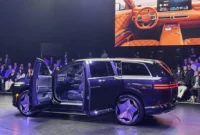
While a range-extending ID. Buzz will not materialize, the Volkswagen Group is actively pursuing EREV technology in other markets. Notably, the company recently launched its first EREV in China: the ID. Era 9X. This large, six-seat SUV, co-developed with SAIC, utilizes a 1.5-liter gasoline engine as a generator to supplement the battery’s charge, thereby reducing the frequency of charging stops. This strategic move into the Chinese market, a region with distinct consumer preferences and charging infrastructure realities, highlights the group’s willingness to adapt its EV strategies to local conditions.

Furthermore, Volkswagen’s new Scout brand is poised to introduce range-extending versions of its upcoming Traveler SUV and Terra pickup truck in the United States. Scheduled for production in 2027, these vehicles represent a significant commitment to offering alternative powertrain solutions that cater to American consumer demands for versatility and extended driving range. The timing of these Scout models aligns with the anticipated return of the ID. Buzz to the U.S. market, suggesting a more integrated approach to addressing consumer concerns around electric mobility.
The Future of Volkswagen Platforms and EREVs
The exploration of range extenders by Volkswagen Group extends beyond specific models. Reports from late last year indicated that the broader group is considering EREV options for both European and North American markets. This strategic consideration is intrinsically linked to the development of the long-awaited Scalable Systems Platform (SSP). The SSP is designed to be a highly flexible architecture capable of accommodating not only fully electric powertrains but also combustion engines that function exclusively as generators. This next-generation platform is slated to replace all of the group’s current electric vehicle platforms, with an anticipated debut in an Audi production vehicle around 2028, followed by models from Porsche and Skoda. The inherent flexibility of the SSP platform could unlock more opportunities for range-extending variants across a wider spectrum of Volkswagen Group vehicles in the future.
Motor1’s Analysis and Future Outlook for the ID. Buzz
From a market perspective, the absence of a range-extending option for the initial U.S. launch of the ID. Buzz appears to have been a missed opportunity. Had such a variant been available, it might have significantly improved the vehicle’s reception and sales performance in a market still navigating the complexities of EV adoption. While the EREV path for the ID. Buzz itself is now closed, Volkswagen’s commitment to the minivan remains evident.
The upcoming 2027 model year is slated to bring several enhancements designed to boost its appeal. These include new exterior color options, updated wheel designs, and, importantly, the reintroduction of conventional buttons on the steering wheel, a feature many drivers have expressed a preference for over touch-sensitive controls. Furthermore, Volkswagen will introduce an "ID. Buzz Tourer" variant. This specialized configuration is designed for enhanced travel comfort, featuring a fold-out mattress and platform, integrated window blinds, ventilation panels for the front windows, and even an exterior table and chairs, positioning it as a lifestyle vehicle for adventurers and campers.
However, several hurdles remain for the ID. Buzz’s success in the U.S. The issue of pricing will be critical; a more competitive entry point could significantly influence consumer purchasing decisions. Additionally, Volkswagen’s decision to continue supplying the ID. Buzz with a North American Charging System (NACS) adapter rather than a native NACS port could present an inconvenience for some potential customers, particularly as the automotive industry rapidly transitions towards standardized NACS charging infrastructure. While the adapter provides a workaround, a native port would offer a more seamless and integrated charging experience, potentially influencing buyer sentiment.
The ID. Buzz’s journey in the U.S. has been marked by high hopes and significant challenges. Its retro charm and electric powertrain represent a bold statement from Volkswagen, but its success will hinge on its ability to adapt to the evolving demands and preferences of the American consumer, particularly in an increasingly competitive and dynamic EV market. The upcoming 2027 model year, coupled with the group’s broader platform and powertrain strategies, suggests that Volkswagen is committed to finding a path forward for its unique electric minivan in the crucial North American market.