Polestar, the electric vehicle manufacturer backed by Chinese automotive giant Geely, has confirmed it will not contest the recent U.S. government ban on its future models, effectively signaling an exit from the American market. The decision, revealed by a company spokesperson to The Wall Street Journal, leaves dealers and enthusiasts in the United States facing uncertainty about the brand’s presence. This move comes after U.S. authorities cited national security concerns as the basis for prohibiting the sale of Polestar’s 2027 model year vehicles and beyond.
Background of the U.S. Ban
The U.S. government’s action against Polestar is rooted in broader concerns regarding the potential national security risks associated with vehicles that are owned by foreign entities and equipped with advanced connectivity features. While the specific details of the national security concerns have not been fully elaborated by U.S. officials, the underlying rationale often involves the potential for data collection and transmission to foreign governments, particularly in sensitive sectors like automotive technology.
This situation is not entirely isolated within the automotive industry. Geely, Polestar’s parent company, also owns Volvo Cars. Notably, Volvo has reportedly received an exemption from similar restrictions concerning its connected vehicles in the U.S. This distinction has fueled questions and frustration among Polestar stakeholders, particularly its U.S. dealers, who question why a sister company under the same ownership umbrella has navigated the regulatory landscape differently.
Polestar’s Decision to Withdraw
Despite having avenues to challenge the ban, such as requesting reconsideration from the U.S. Commerce Department or pursuing legal action, Polestar has opted for a strategic withdrawal. The company’s spokesperson indicated that extensive dialogue with U.S. authorities did not yield a belief that an appeal would be successful. Consequently, Polestar is redirecting its focus and resources towards markets where it anticipates greater success and a more stable regulatory environment.
"We had significant dialogue with U.S. authorities and did not believe an appeal would have succeeded," the spokesperson stated, as reported by The Wall Street Journal. This pragmatic approach suggests that the cost and uncertainty of a protracted legal battle, coupled with a potentially unfavorable outcome, outweighed the potential benefits of remaining in the U.S. market.
Impact on U.S. Dealerships
The ramifications of Polestar’s withdrawal are particularly acute for the 32 dealerships operating in the United States. These businesses have made substantial investments in establishing and expanding their Polestar presence, often in anticipation of new model launches and increased market share. Matthew Haiken, a prominent Polestar dealer in the U.S., expressed his dismay and confusion to The Wall Street Journal, stating, "We deserve some answers."
Dealers are grappling with several key questions: Why is Polestar not challenging the ban? Why was it unable to secure the same exemption as Volvo? And what will become of their significant investments in Polestar infrastructure, including showrooms and service centers, now that future sales are effectively prohibited? Some dealers have reportedly invested millions of dollars, expecting continued growth with the planned introduction of models like the Polestar 4 SUV.
Sales Performance and Market Focus
A closer examination of Polestar’s sales figures reveals a strategic rationale for its pivot away from the U.S. market. In the past year, Polestar sold just 5,747 electric vehicles in the United States, representing a mere 6% of its global sales. This figure pales in comparison to the performance in Europe, which accounts for the vast majority of the company’s sales. This disparity underscores that while the U.S. market represents a significant opportunity for many automakers, Polestar’s footprint there has been relatively modest.
The decision to exit the U.S. allows Polestar to concentrate its efforts on its core European markets and potentially other burgeoning EV markets where it can achieve greater scale and brand penetration. This strategic realignment is likely to involve a more aggressive push in regions where consumer adoption of electric vehicles is robust and where Polestar’s product offerings align closely with market demand.
Inventory Liquidation and Future Prospects
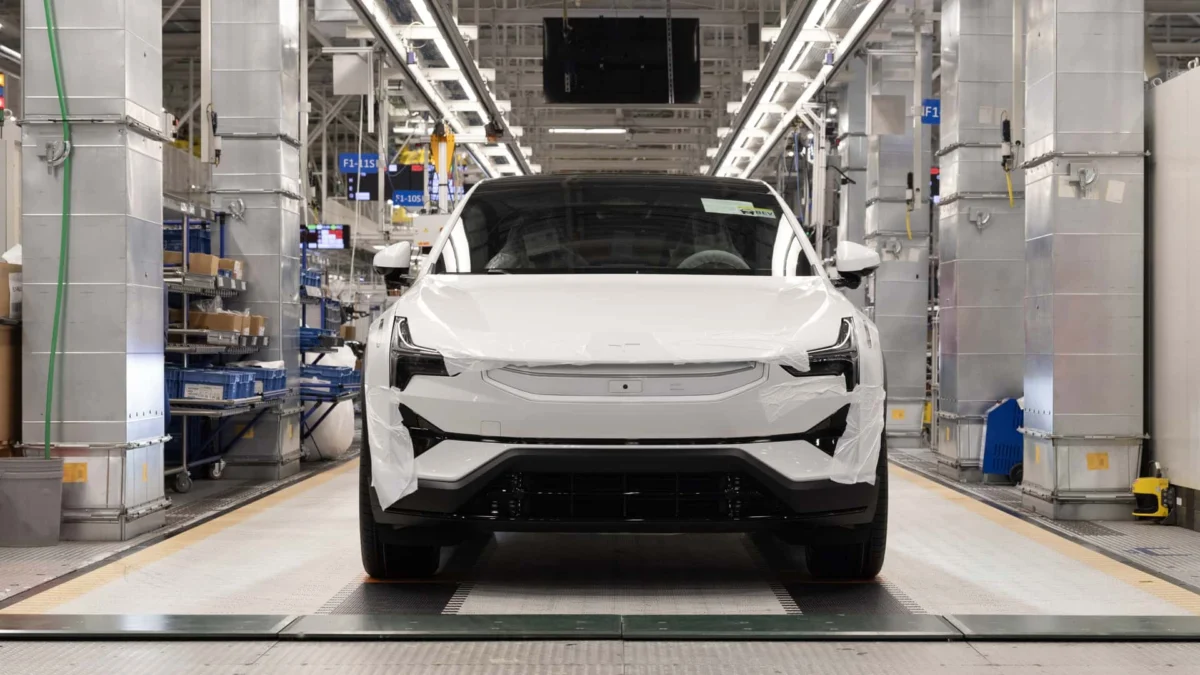
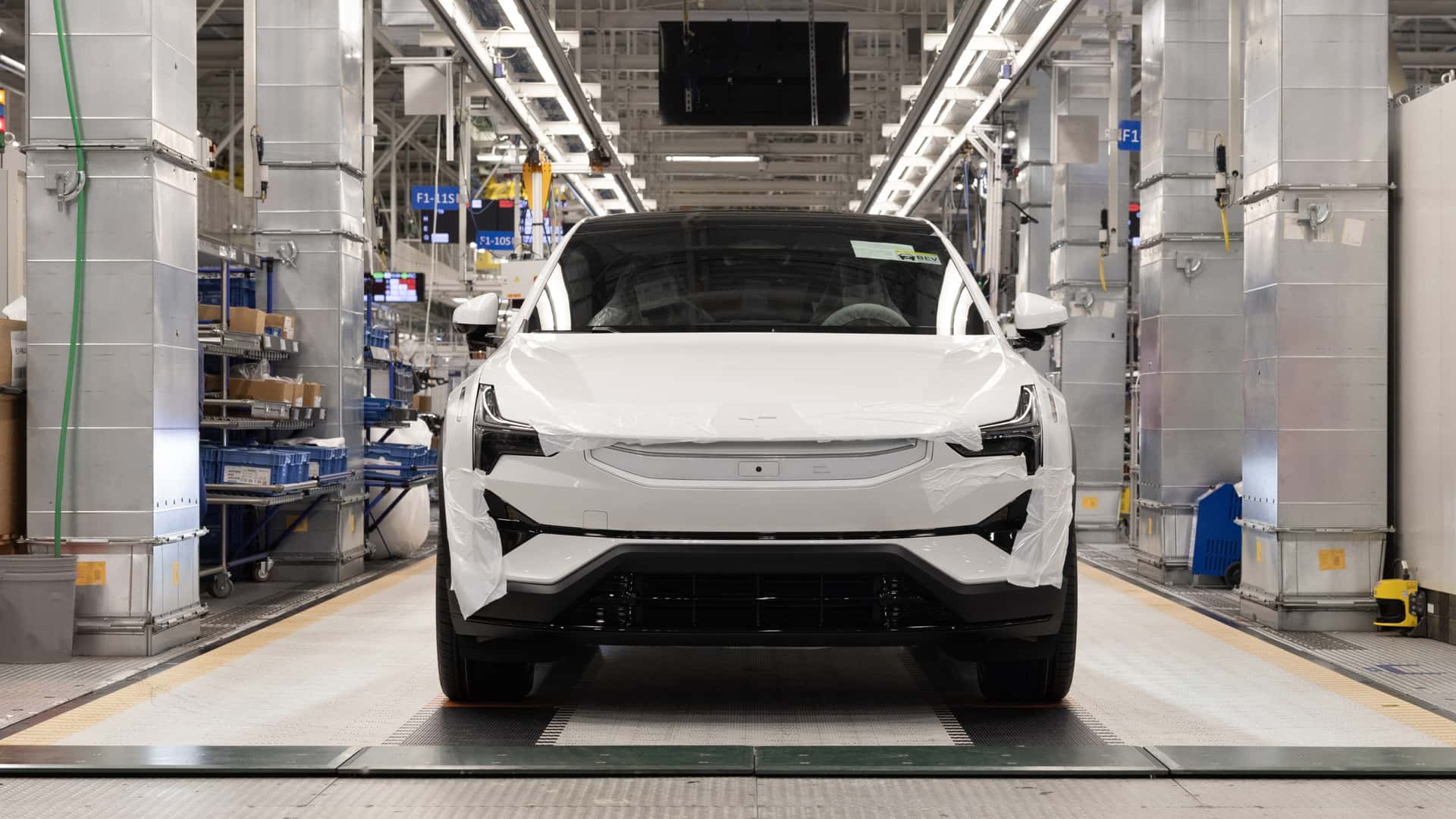
While future sales of 2027 model year vehicles and beyond are barred, Polestar will continue to sell its existing inventory in the U.S. To accelerate this process and mitigate losses, the company has reportedly implemented significant price reductions, with some reports indicating discounts of up to $25,000 on models like the Polestar 3. This aggressive discounting strategy aims to clear remaining stock before the official end of sales.
The Polestar 3, a key model manufactured in the U.S., now faces an uncertain future regarding its continued availability and support for existing owners. While the ban specifically targets sales of new vehicles from the 2027 model year onwards, the long-term implications for servicing and parts availability for current Polestar owners in the U.S. remain a concern that will need to be addressed.
The Broader Geopolitical Context
The U.S. government’s scrutiny of Chinese-owned technology companies, particularly in sectors with potential national security implications, is a recurring theme in international relations. The automotive sector, with its increasing reliance on sophisticated software, data collection, and global supply chains, has become a focal point for these concerns. The ban on Polestar’s future models can be viewed as an extension of this broader geopolitical strategy, aimed at safeguarding American interests and technological independence.
The exemption granted to Volvo, despite its Geely ownership, suggests that regulatory decisions are often nuanced and may depend on specific operational structures, data handling protocols, and perceived levels of risk. However, the lack of transparency surrounding these distinctions can create confusion and challenges for businesses operating across international borders.
Analysis of Implications
Polestar’s withdrawal from the U.S. market has several significant implications:
- For Consumers: U.S. consumers interested in Polestar vehicles will have a limited window to purchase new models. The long-term availability of service and parts for existing Polestar owners in the U.S. will also be a key consideration.
- For Dealerships: The 32 U.S. dealerships face a substantial business challenge. They will need to re-evaluate their strategies, potentially seeking to represent other automotive brands or repurpose their facilities. The financial losses incurred from their Polestar investments could be considerable.
- For Polestar: The company prioritizes its core markets, particularly Europe, where it has a stronger sales base and a more established presence. This move allows for a streamlined global strategy, albeit at the cost of abandoning a potentially lucrative market.
- For the EV Industry: The ban highlights the geopolitical complexities that can influence the global automotive market, particularly for companies with cross-border ownership structures. It underscores the importance of navigating international regulations and national security considerations in the rapidly evolving electric vehicle landscape.
The decision by Polestar not to contest the U.S. ban marks a significant turning point for the brand in North America. While the company’s strategic focus may shift, the reverberations of this withdrawal will be felt by its dealers and enthusiasts across the United States for some time to come. The situation also serves as a case study in the intricate interplay of global trade, national security, and the burgeoning electric vehicle industry.