The burgeoning field of real estate photography presents a compelling career path for individuals with a passion for architectural aesthetics and a keen eye for detail. While the prospect of capturing the essence of properties for sale can be an appealing aspiration, transitioning into this specialized niche requires more than just a camera. Aspiring real estate photographers must navigate a landscape of common missteps that can hinder professional growth and client satisfaction. This comprehensive guide delves into six critical areas where photographers often falter, offering insights and actionable advice to ensure a smooth and successful entry into the industry.
Understanding the Crucial Role of Lenses in Real Estate Photography
A fundamental yet frequently overlooked aspect of real estate photography is the selection of appropriate lenses. The spatial dynamics of interior and exterior property features necessitate specialized optics. For instance, capturing the breadth of a living room or the expansive feel of a master bedroom often demands a wide-angle lens. These lenses, typically ranging from 16mm to 35mm or even wider (14mm), are designed to encompass a broader field of view, making small spaces appear more spacious and allowing photographers to capture more of the architectural details within a single frame. Without such a lens, photographers might be forced to shoot from a distance, rendering furniture and fixtures disproportionately small, or resort to stitching multiple images, a process that can be time-consuming and may not always yield seamless results.
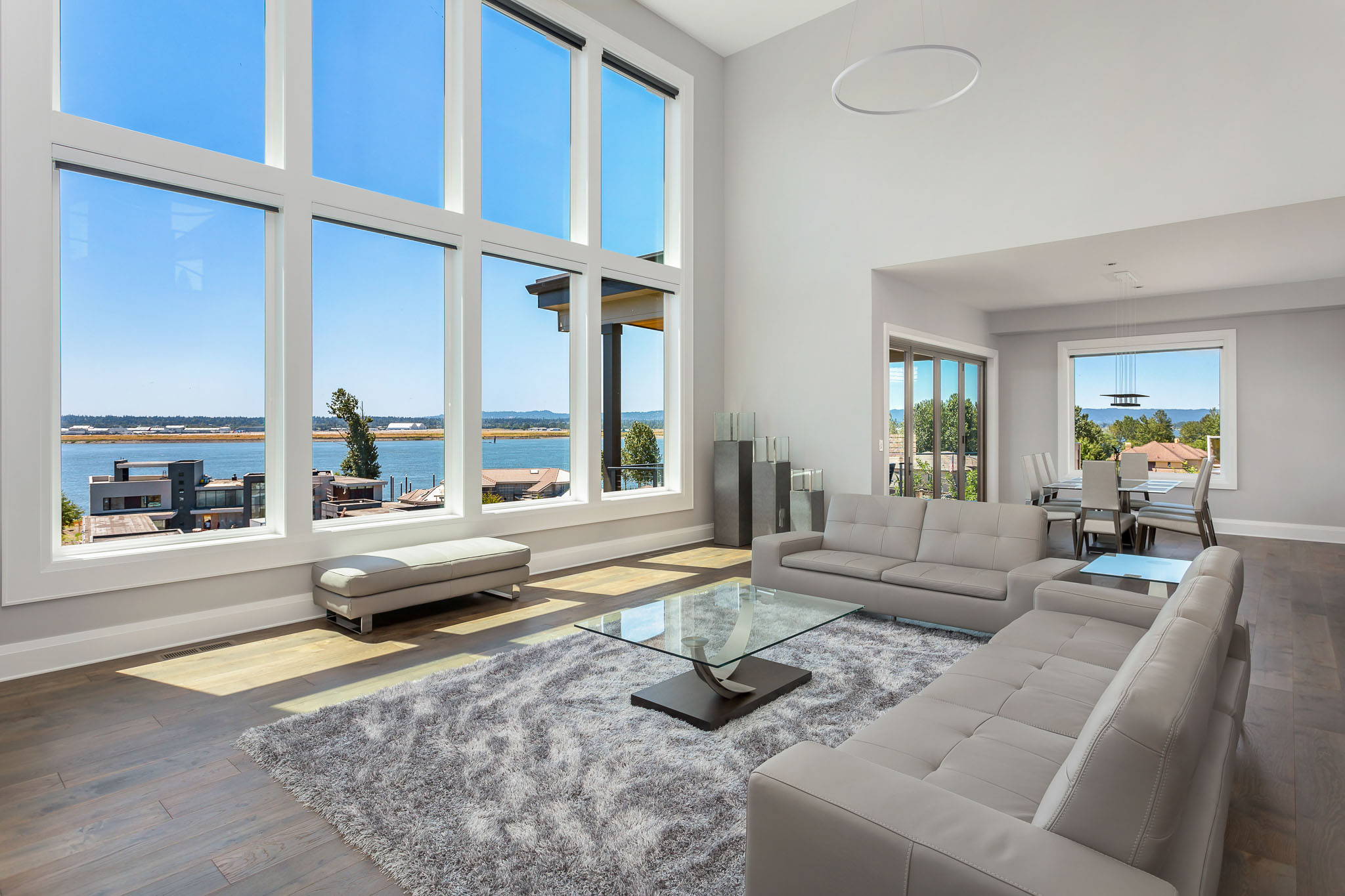
Conversely, for exterior shots, particularly those featuring expansive grounds, landscaping, or scenic backdrops like mountains or coastlines, a standard or telephoto lens can be invaluable. These lenses allow for tighter framing of specific architectural elements or can be used to compress perspective, emphasizing the relationship between the property and its surroundings. The key lies in understanding the specific demands of each property and its environment.
It is important to note that investing in the most expensive, top-tier lenses is not an immediate prerequisite for success. Many competent real estate photographers begin their careers with versatile zoom lenses such as a 24-70mm or 24-105mm. These lenses offer a good balance of focal lengths for general interior photography, especially in properties with generously sized rooms. However, for those frequently encountering tight spaces, renting an ultra-wide lens, such as a 16-35mm or 14-24mm, can be a cost-effective way to assess its utility before making a purchase.
Even on a budget, affordable yet capable options exist. Lenses like the Tamron 17-28mm f/2.8 for Sony mirrorless cameras or the Tamron 17-35mm f/2.8-4 for DSLRs can deliver excellent results. For photographers seeking extreme wide-angle coverage without a significant financial outlay, Rokinon’s 14mm f/2.8 lens is a popular choice, often lauded for its affordability and the availability of distortion correction profiles. The primary goal in real estate photography is often to achieve sharp focus throughout the entire scene, which typically involves stopping down the lens aperture. This practice means that even moderately priced lenses can produce excellent results when used correctly.

Crucially, proactive communication with the client is paramount. Inquiring about the property’s size, the dimensions of key rooms, and the client’s specific photographic expectations can provide invaluable guidance in lens selection. This simple step can prevent costly mistakes and ensure that the delivered images meet or exceed client requirements. In situations where the optimal lens is unavailable, a strong compositional eye and the ability to perform panoramic stitching can sometimes compensate, though this is less likely to be unnoticed by discerning clients than lens choice alone.
The Criticality of Timely Delivery in Client Relations
Beyond technical photographic considerations, professional conduct plays a significant role in building a sustainable real estate photography business. One of the most significant client-facing errors is failing to meet agreed-upon turnaround times. In the fast-paced real estate market, properties are often listed and marketed with urgency. Agents and developers rely on high-quality photography to attract potential buyers and renters, making prompt delivery of edited images not just a convenience, but a necessity.
Promising a quick turnaround, such as 24 to 48 hours, and then delivering images a week or more later can severely damage a photographer’s reputation. This lapse in professionalism can lead to a loss of repeat business and negative word-of-mouth referrals. While some professional photography sectors may operate with longer delivery timelines, real estate photography often demands swift processing. This necessitates efficient post-production workflows.

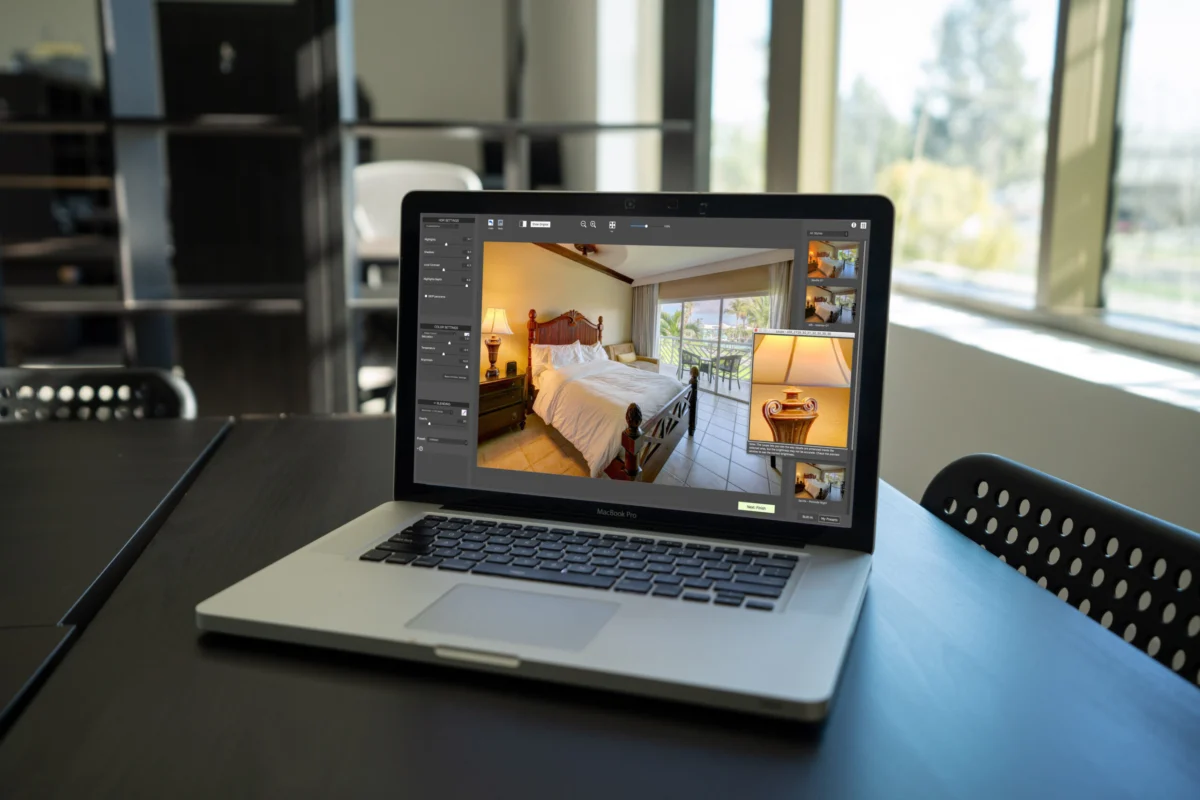
The post-production process for real estate photography, while demanding speed, does not need to be overly complex. For straightforward single-exposure shots, consistent batch processing of color correction and minor adjustments for rooms with similar lighting conditions can be sufficient. When dealing with high-dynamic-range scenes, where the contrast between bright windows and shadowed interiors can be extreme, techniques like HDR (High Dynamic Range) imaging and panoramic stitching become essential. Software like Adobe Lightroom offers integrated HDR merging capabilities, allowing for adjustments within the raw file. For more advanced control and streamlined batch processing of bracketed exposures, specialized HDR software such as Photomatix by HDRsoft can be integrated into a photographer’s workflow. These tools enable the creation of images that accurately represent the scene’s luminosity while maintaining detail in both the highlights and shadows.
Ultimately, exceeding client expectations by delivering polished images ahead of schedule is one of the most effective strategies for building client loyalty. A surprise early delivery can create a lasting positive impression, positioning the photographer as reliable, efficient, and dedicated to client satisfaction.
The Non-Negotiable: Client Responsibility for Property Preparation
Another common oversight that can significantly impact a real estate photography session is the failure to clearly communicate the client’s responsibility for preparing the property. While photographers are artists and technicians, their role does not typically extend to performing extensive cleaning, decluttering, or staging. A property that is not "camera-ready" upon arrival can lead to significant delays, frustration, and ultimately, subpar photographic results.

It is a standard industry practice, and one that should ideally be stipulated in the contract, that the property be in a presentable state for photography. This includes ensuring that rooms are clean, surfaces are clear of personal items, and any necessary staging or minor repairs have been completed. While a photographer might make minor adjustments, such as straightening a rug or moving a small object, the bulk of the preparation should be the client’s responsibility.
Asking clients to prepare their spaces is not an unreasonable request. It ensures that the photographer can commence their work efficiently, maximizing the allotted shooting time and focusing on capturing the best possible images. If a photographer is expected to undertake cleaning or staging services, this should be clearly defined as an additional service with a corresponding fee. Wasting valuable shooting time waiting for a client to tidy up, or worse, attempting to photograph a cluttered or unkempt space, is detrimental to both the photographer’s professional image and the quality of the final product.
Navigating the Ethical Landscape: Deceptive Retouching and Misrepresentation
The power of photo editing software like Photoshop is undeniable, but its application in real estate photography must be approached with caution and ethical consideration. In many jurisdictions, laws exist to prevent the significant misrepresentation of real estate properties through photography. While minor enhancements to color balance, exposure, and contrast are standard practice, extreme retouching that fundamentally alters the appearance of a property can lead to legal repercussions for both the agent and the photographer.

Photographers should be aware of the legal landscape in their operating regions regarding property advertising and visual representation. Furthermore, discerning clients who might request overly aggressive or deceptive editing should be approached with professional caution. While the photographer’s primary role is to fulfill client requests, maintaining ethical standards and understanding potential legal ramifications is crucial. If a client’s requests cross ethical boundaries or suggest intent to mislead, it may be prudent to gently educate them on the potential consequences and to consider whether it is a professional relationship worth pursuing.
The Art of Restraint: Avoiding Over-Processed Images
While photography is an art form, real estate photography serves a dual purpose: artistic appeal and accurate representation of a tangible asset. Over-processing images, pushing tones and colors to unnatural extremes, can detract from a property’s appeal and create an impression of artificiality. The goal should be to enhance the property’s features, not to distort them.
This means striving for natural-looking tones and colors. While brighter, warmer hues can make a space feel more inviting, this should be achieved within the bounds of realism. Overly saturated colors, exaggerated HDR effects, or unnatural color casts can alienate potential buyers who may feel misled when experiencing the property in person.

When employing techniques like HDR, the aim is to balance the dynamic range of the scene, capturing detail in both the brightest and darkest areas without creating an artificial, "cartoonish" effect. While software like Photomatix excels at providing granular control over tonal mapping, enabling photographers to achieve smooth, natural transitions and appropriate contrast, the key is to apply these tools judiciously. Presets that lean towards natural and neutral aesthetics, allowing for subtle adjustments to brightness, contrast, and clarity, are often preferred. The challenge in capturing extremely dynamic scenes lies in managing highlight and shadow contrast independently, a task for which specialized HDR software offers significant advantages over standard raw converters.
The Strategic Imperative: Fair Pricing and Business Growth
A common trap for new real estate photographers is the reluctance to charge appropriately for their services. While it’s understandable to offer discounted rates or even pro bono work for initial portfolio building or to gain experience with friends and colleagues, this practice should not become a long-term habit. After securing a few initial assignments and demonstrating competence, photographers must establish a fair and sustainable pricing structure.
Many photographers remain stuck in a cycle of undercharging, fearing that raising prices will alienate early clients who provided them with opportunities. However, serious and discerning clients recognize and value quality and professionalism. If a photographer’s work is demonstrably good, clients will be willing to pay a fair price.

The true indicator of pricing strategy is market demand. If a photographer finds themselves consistently booked and unable to accommodate all client requests at their current rates, it signals an opportune moment to increase prices. This strategic adjustment allows photographers to earn more for their work, potentially work with fewer clients, and maintain a healthier work-life balance. In situations where demand far exceeds capacity even after price increases, it may be time to consider expanding the team by hiring an assistant or a second photographer to handle certain assignments, thereby scaling the business effectively.
By diligently avoiding these common pitfalls, aspiring real estate photographers can lay a strong foundation for a successful and reputable career, delivering value to clients and building a thriving business.