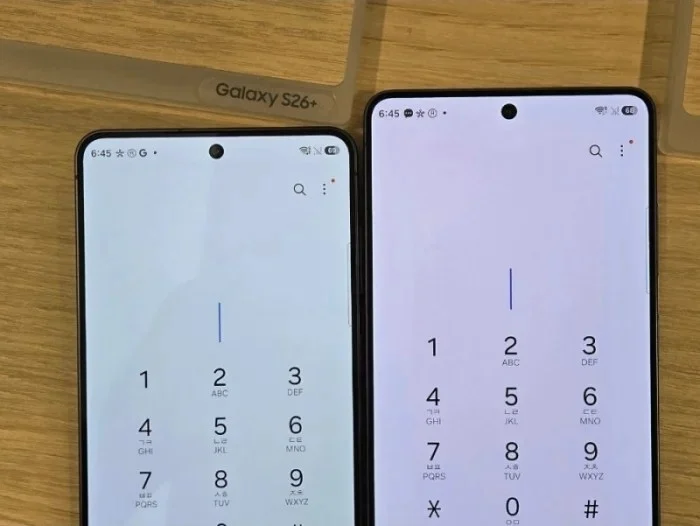
Samsung has officially acknowledged and addressed growing concerns surrounding a distinct reddish tint manifesting in the central region of the display on numerous Galaxy S26 Ultra devices. Following a comprehensive technical investigation, the global technology giant has confirmed that the phenomenon is neither indicative of a hardware defect nor a precursor to permanent OLED burn-in. Instead, the root cause has been identified as an unoptimized software color calibration system, a finding that offers considerable relief to affected users and the broader industry. The company is poised to deploy a software-based update to rectify the issue, precluding the need for any physical component replacements.
The Emergence of the Display Anomaly
Reports of the unusual reddish discoloration began to surface shortly after the initial launch of the Galaxy S26 Ultra, Samsung’s flagship premium smartphone for the current generation. Users across various online forums, social media platforms, and dedicated tech communities shared photographic and video evidence of the peculiar tint, which typically appeared as a subtle yet noticeable reddish hue, often concentrated around the center of the display panel. Early discussions among consumers and tech enthusiasts leaned towards speculation of a hardware flaw, possibly related to the advanced OLED panel itself or its underlying components. Given the premium positioning and price point of the Galaxy S26 Ultra, such concerns quickly escalated, leading to a wave of user frustration and calls for an official explanation from Samsung. The perception of a hardware defect was particularly troubling for users, as it implied potential long-term degradation and the inconvenient process of device replacement or repair. This initial phase saw a significant increase in customer service inquiries directed at Samsung, underscoring the urgency for a definitive response.
Samsung’s Official Investigation and Technical Revelation
Responding to the mounting public discourse and direct customer feedback, Samsung initiated an in-depth technical investigation into the reported display anomaly. This rigorous internal examination, conducted by the company’s display and software engineering teams, aimed to meticulously pinpoint the precise cause of the reddish tint. The investigation involved replicating the reported conditions, analyzing display performance under various environmental parameters, and scrutinizing both hardware and software aspects of the device’s display subsystem.
The conclusion of this investigation brought forth a crucial distinction: the issue was not rooted in the physical integrity or manufacturing quality of the OLED panel itself. This was a significant clarification, as OLED burn-in or inherent panel defects are far more severe and typically require hardware servicing. Instead, Samsung traced the anomaly directly to an unoptimized software algorithm responsible for color calibration. This software component, vital for ensuring accurate and consistent color representation across the display, was found to be misinterpreting or improperly adjusting color parameters under specific environmental triggers.
Technical Deep Dive: The LEAD 2.0 Integration and Color Imbalance
Central to the display anomaly is its direct link to the flagship device’s new privacy screen technology, which incorporates a design standard known as LEAD 2.0. While specific technical details of LEAD 2.0 remain proprietary, industry experts infer that such a designation typically refers to an advanced layering or optical filter system integrated into the display stack. These privacy screens are designed to limit viewing angles, preventing unauthorized onlookers from seeing the screen’s content directly, a feature increasingly sought after in both consumer and enterprise mobile devices. The integration of such sophisticated layers introduces new complexities for display calibration, as light passes through additional materials that can subtly alter its spectral composition before reaching the user’s eye.
According to technical details released by Samsung, the color imbalance primarily manifests under a specific combination of environmental and usage conditions: when the smartphone is exposed to high ambient light levels for an extended period, particularly while the screen is simultaneously set to maximum brightness. This combination creates a scenario where the display’s automatic brightness and color temperature adjustment algorithms, in conjunction with the LEAD 2.0 layer, struggle to maintain a perfectly neutral color balance due to the unoptimized software calibration. The intense external light stress, combined with the display operating at its peak luminance, pushes the existing software calibration system beyond its intended operational parameters, resulting in the visible reddish outline or tint. This specific trigger mechanism clarifies why not all users experienced the issue and why it often appeared intermittently, depending on their usage environment. The interaction between the display’s inherent light emission, the light filtering properties of the LEAD 2.0 layer, and the software’s attempts to dynamically adjust colors under extreme conditions appears to be the core of the problem.
Historical Context: Samsung’s Display Leadership and Calibration Challenges
Samsung has long been recognized as a pioneer and leader in AMOLED display technology, with its panels consistently lauded for their vibrant colors, deep blacks, and exceptional contrast. The company’s display division, Samsung Display, supplies panels to numerous other smartphone manufacturers globally, underscoring its expertise. However, even industry leaders occasionally face unforeseen challenges, particularly with the rapid evolution and integration of new display technologies.
Past instances across the smartphone industry have seen display-related anomalies resolved through software updates. For example, some previous Samsung Galaxy devices, and even phones from other manufacturers utilizing OLED panels, have experienced issues like green tints or color shifts, particularly at low brightness levels or after significant software updates. These issues were often traced back to software calibration adjustments, driver optimizations, or power management algorithms that interacted imperfectly with the display hardware. The complexity of modern smartphone displays, which comprise multiple intricate layers, optical filters, and sophisticated driving electronics, makes precise color calibration a monumental task. Each pixel’s luminance and chrominance must be accurately controlled across a vast spectrum of brightness levels and environmental conditions, a task heavily reliant on robust and adaptive software. Samsung’s track record demonstrates a consistent commitment to addressing such issues promptly with software patches, leveraging its deep engineering capabilities to fine-tune device performance post-launch. This history reinforces the credibility of a software-based solution for the S26 Ultra issue.
Implementation of the Fix: A Software-Based Resolution
To resolve the problem, Samsung is strategically utilizing a software-based solution rather than initiating a costly and logistically challenging hardware recall or component replacement program. This approach offers several distinct advantages:
- Speed and Efficiency: A software update can be developed, tested, and deployed much faster than a hardware repair cycle. It eliminates the need for users to send in their devices, minimizing disruption to their daily lives.
- Cost-Effectiveness: For both Samsung and consumers, a software fix is significantly more economical than manufacturing and distributing new display modules or entire replacement devices.
- User Convenience: Users can typically download and install software updates over-the-air (OTA) from the comfort of their homes, requiring no physical interaction with service centers.
The upcoming software update will primarily focus on recalibrating the display’s color management system. This recalibration will likely involve adjusting the algorithms that interpret sensor data (such as ambient light levels) and control the display’s color output, particularly in scenarios involving the LEAD 2.0 privacy layer and high brightness settings. The update will aim to ensure that the display maintains a neutral and accurate color balance even under the most demanding conditions that previously triggered the reddish tint. Samsung’s development teams are expected to have rigorously tested this software patch across a wide range of simulated and real-world environments to guarantee its effectiveness and prevent any unintended side effects on overall display performance.
Broader Implications and Industry Perspective
The incident with the Galaxy S26 Ultra’s reddish tint, and Samsung’s subsequent resolution, carries several implications for consumers, the company, and the broader smartphone industry.
For Consumers: The confirmation that the issue is a software glitch rather than a hardware defect provides significant reassurance. It means that the long-term health and performance of their expensive flagship devices are not compromised. While users will need to await the software update, the promise of a swift, convenient fix is far preferable to facing a hardware repair. It reinforces trust in Samsung’s responsiveness and commitment to post-purchase support.
For Samsung: While any launch issue can temporarily impact brand perception, Samsung’s transparent communication and rapid identification of a software-based solution mitigate potential long-term damage. This situation underscores the immense complexity of integrating cutting-edge display technologies like LEAD 2.0 into mass-produced devices. It highlights the critical role of extensive real-world testing and agile software development cycles to address unforeseen interactions between new hardware components and existing software frameworks. The incident will likely lead to even more stringent pre-launch testing protocols, particularly concerning display calibration under extreme environmental conditions. The successful deployment of the software fix will also serve as a testament to Samsung’s engineering prowess and its ability to adapt quickly.
For the Industry: This event serves as a reminder of the intricate balance between hardware innovation and software optimization. As smartphone displays become increasingly advanced, incorporating features like under-display cameras, flexible panels, and specialized optical layers (like privacy screens), the challenge of achieving perfect color accuracy and consistency across all operating conditions grows exponentially. The S26 Ultra case illustrates that even minor calibration discrepancies can become visible under specific stresses, emphasizing the need for robust, dynamic color management systems that can adapt flawlessly to various hardware configurations and environmental inputs. It also validates the industry trend towards resolving complex performance issues through software updates, a more sustainable and user-friendly approach compared to costly hardware recalls.
Looking Ahead: Samsung’s Commitment to Quality
As Samsung prepares to roll out the corrective software update for the Galaxy S26 Ultra, the focus remains on ensuring a seamless and effective resolution for all affected users. This incident, while a minor setback, ultimately reinforces Samsung’s dedication to quality control and customer satisfaction. The company’s ability to quickly diagnose a complex technical issue involving a novel display technology and propose an efficient software-based remedy speaks volumes about its engineering capabilities. The Galaxy S26 Ultra, with its innovative features and premium design, represents the pinnacle of Samsung’s mobile technology. Addressing this display anomaly decisively is crucial for maintaining consumer confidence and solidifying its position as a leader in the highly competitive smartphone market. Users can anticipate the arrival of the software update via standard over-the-air notifications in the coming weeks, which is expected to permanently eliminate the reddish tint and restore their displays to their intended pristine color accuracy.
Filed in: Mobile, News, Smartphones. Read more about Fix and Samsung.