The landscape of PC gaming is undergoing a significant transformation, with the cost of essential hardware components reaching unprecedented levels. Driven largely by an insatiable demand from the burgeoning artificial intelligence sector, graphics cards, solid-state drives (SSDs), and memory modules are becoming increasingly expensive, casting a long shadow over the aspirations of gamers and system builders alike. Recent market analyses, corroborated by statements from industry giant Valve, paint a grim picture: these elevated prices are not a temporary blip but rather a sustained trend, with no significant relief expected in the short to medium term. This challenging environment is not only impacting current consumer purchasing power but also shaping the strategic decisions of companies like Valve, which has long championed open-source PC gaming.
The AI Boom’s Unprecedented Demand for Hardware
The primary catalyst for the current hardware price inflation is the explosive growth of artificial intelligence and machine learning. Large Language Models (LLMs), generative AI, and advanced data analytics require immense computational power, particularly from high-performance Graphics Processing Units (GPUs) and vast quantities of high-bandwidth memory (HBM). Companies like Nvidia, traditionally a key player in the gaming GPU market, are now seeing a substantial portion of their high-end GPU production diverted to data centers and AI research facilities. Products such as Nvidia’s H100 and A100 Tensor Core GPUs are in extremely high demand, commanding premium prices and consuming significant manufacturing capacity. This diversion creates a ripple effect, reducing the supply of consumer-grade GPUs and driving up their retail prices.
Beyond GPUs, the AI sector’s hunger for data processing and storage capacity is also directly impacting the market for SSDs and, critically, Dynamic Random-Access Memory (DRAM). AI workloads are memory-intensive, requiring rapid access to large datasets, which translates into a surging demand for both conventional DDR5 modules and specialized HBM. This competition for components from both the gaming and AI industries creates a perfect storm for price increases, as manufacturers struggle to keep pace with dual-front demand.
Memory Prices: A Steep Ascent with No Immediate Peak
The memory market, in particular, has been flagged as a critical area of concern. Earlier this month, industry research indicated that memory prices are projected to rise sharply between now and 2027, with market analysts foreseeing no significant reductions until 2028. This forecast applies broadly to both DRAM and NAND flash memory, which are fundamental to modern computing. Manufacturers are prioritizing lucrative contracts with data centers and AI firms, leading to tighter supply and higher costs for consumer-facing products.
Valve, a company with deep insights into the hardware supply chain due to its own ventures into hardware manufacturing, has echoed these sobering predictions. Speaking to Bloomberg’s Jason Schreier, Valve engineer Yazan Aldehayyat offered a candid assessment of the current market trajectory: "Honestly, it’s still getting worse. Just in case people are not aware. What people are seeing on retail shelves right now, from our observations, is lagging what we’re seeing from a bulk supply by at least three to six months." This statement suggests that the price increases observed by consumers are merely the vanguard of even higher costs already being experienced at the bulk supply level, implying a further escalation in retail prices in the coming months.
The Steam Machine: A Case Study in Hardware Market Volatility
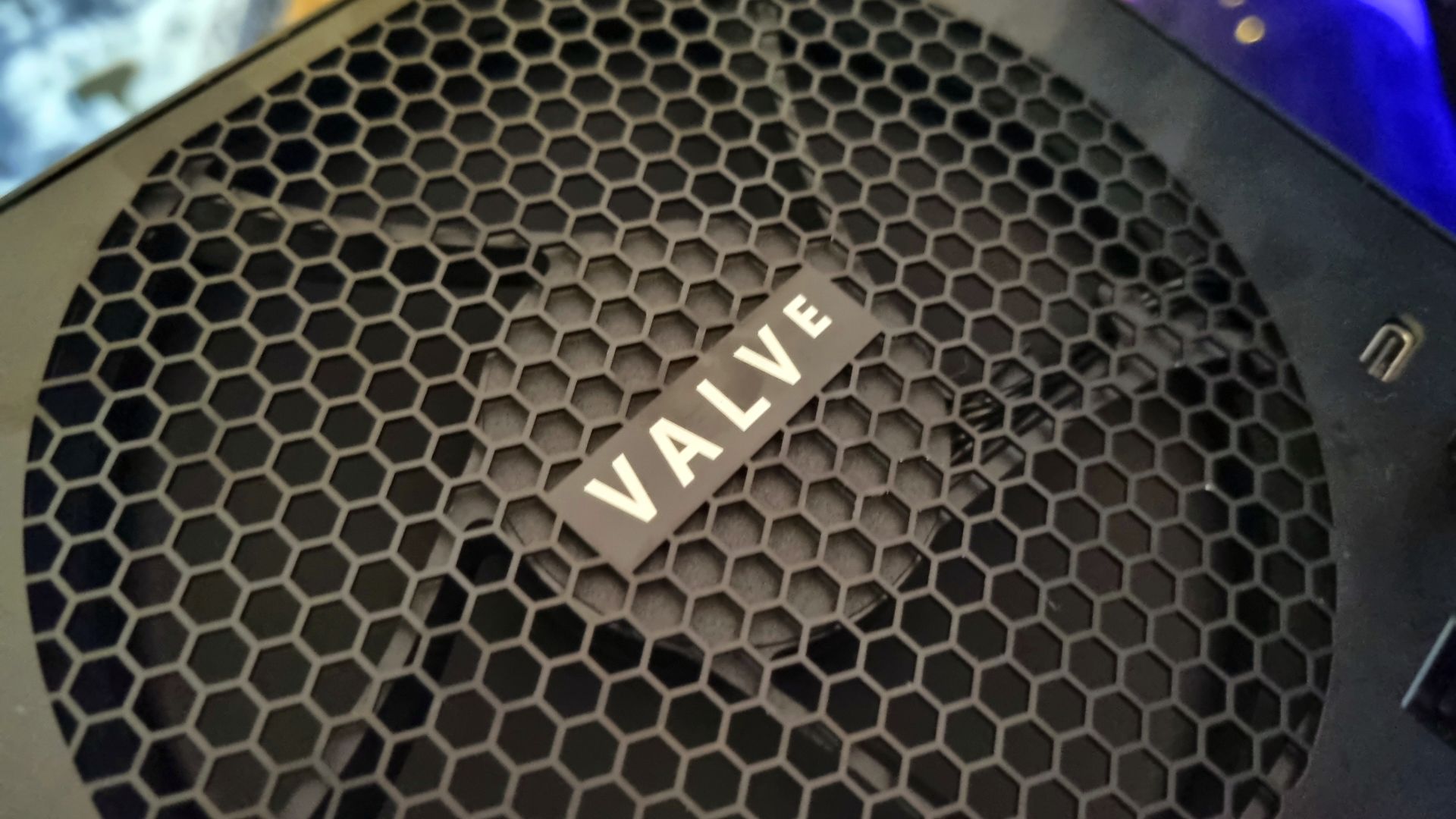
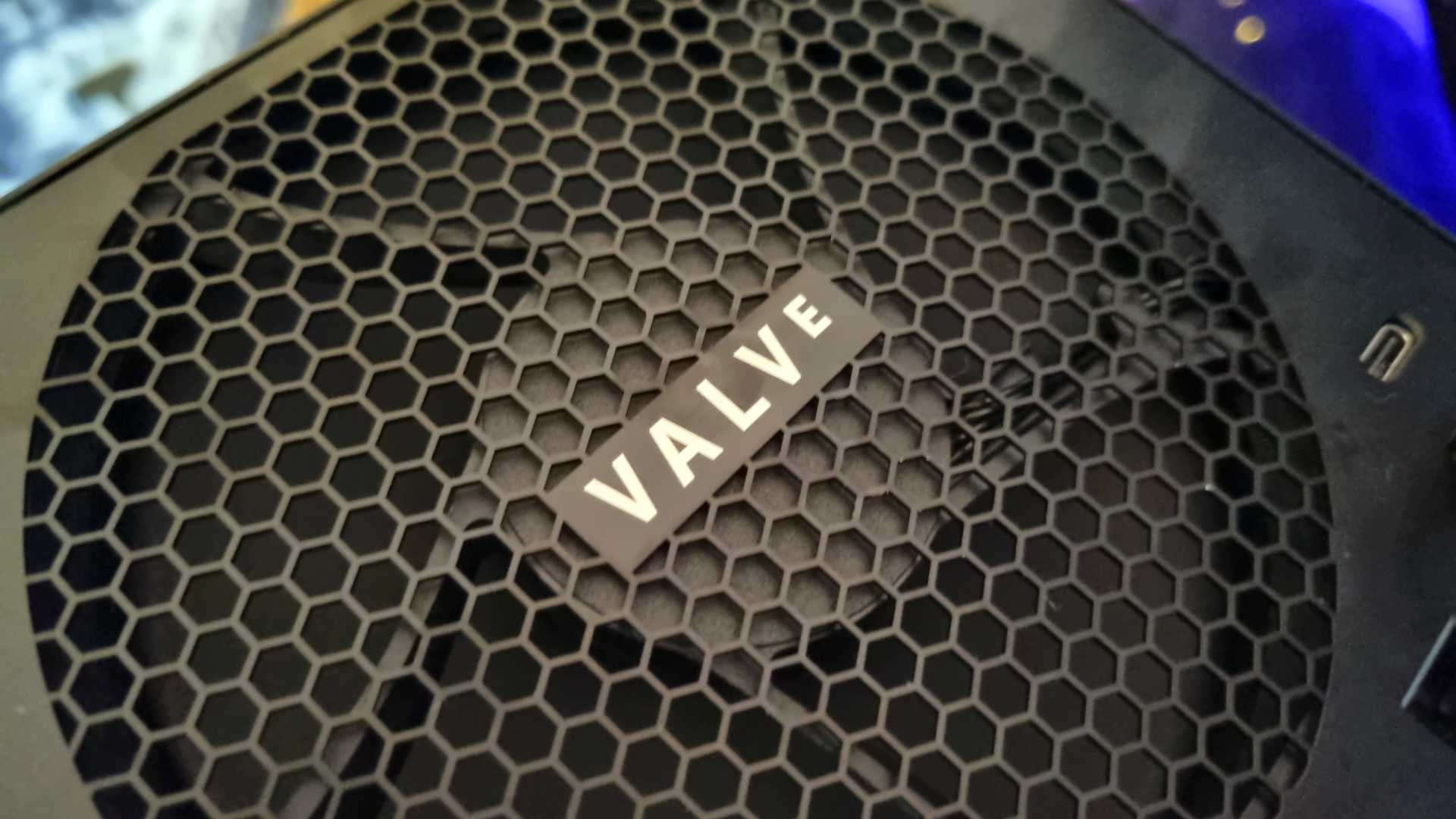
Valve’s own journey with hardware, particularly its ambitious Steam Machine initiative, provides valuable context for understanding the challenges posed by the current market. First unveiled in 2013 with a full launch in 2015, the Steam Machine was Valve’s vision for bringing the open-ended nature of PC gaming into the living room, directly challenging traditional consoles. Running on SteamOS, a Linux-based operating system, and often paired with the innovative Steam Controller, these devices were manufactured by various partners and aimed to offer a flexible, upgradeable alternative for couch gaming.
However, the Steam Machine faced a multitude of hurdles from its inception, including a fragmented hardware ecosystem, limited native Linux game compatibility at launch (before the advent of Proton, which significantly improved this), and competitive pricing pressures from established console manufacturers. The ongoing memory crisis, as revealed by Valve engineers, was another significant factor impacting its initial rollout and sustained production. Pierre-Loup Griffais, another Valve engineer, explained the direct impact: "We’re basically building everything we can. We’re limited by memory capacity, for sure." This highlights how even a company with Valve’s resources and industry standing can be constrained by global supply chain dynamics.
The Steam Machine’s commercial performance, while never reaching the mainstream success of PlayStation or Xbox, is viewed differently by Valve. Rather than focusing on raw sales figures, Aldehayyat clarified Valve’s definition of success: "We suspect that the Steam Machine is a really good way to solve a very real problem that people have. If that’s borne out to be true, from our opinion, it’s a success." This philosophy underscores Valve’s long-term commitment to fostering an open PC gaming ecosystem, even if individual hardware endeavors encounter market headwinds. Griffais further affirmed that despite the memory crisis, Valve’s plans for the device’s future remain unaltered, emphasizing continued support: "Users are getting their machines. For a lot of the experience, the work starts. We’ll be doing that for years to come." This commitment, while perhaps referring to the broader Linux gaming ecosystem rather than just the original Steam Machine hardware, aligns with Valve’s consistent efforts to expand PC gaming accessibility, as seen more recently with the highly successful Steam Deck.
A Broader Timeline of Hardware Market Pressures
The current surge in hardware prices is not an isolated incident but rather the latest iteration of market volatility that has plagued the PC component industry in recent years.
- 2017-2018 Cryptocurrency Boom: The initial surge in cryptocurrency mining led to a massive demand for GPUs, making them scarce and expensive for gamers.
- 2020-2022 Pandemic-Induced Supply Chain Disruptions: Global lockdowns, factory closures, and logistics issues created widespread shortages across nearly all semiconductor-reliant industries, including PC hardware. Demand for home entertainment and work-from-home setups simultaneously surged, further exacerbating the problem.
- 2023-Present AI Acceleration: The exponential growth of AI development has created an unprecedented demand for high-end GPUs and specialized memory, eclipsing previous drivers of scarcity.
These consecutive periods of market pressure have created an environment where component prices rarely return to their pre-crisis levels, instead establishing new, higher baselines. The current AI-driven demand, with its long-term investment cycles and strategic national importance, suggests that this trend could be more enduring than previous market disruptions.
Implications for Consumers and the PC Gaming Industry
The sustained increase in hardware costs carries significant implications for various stakeholders:
- Consumers: For many, building or upgrading a gaming PC is becoming an increasingly prohibitive expense. This could lead to longer upgrade cycles, a shift towards more budget-conscious component choices, or even a migration to consoles, which offer a fixed price point and predictable performance. Cloud gaming services might also see increased adoption as an alternative to expensive hardware ownership. The aspiration of "enthusiast-level" PC gaming becomes a luxury accessible to fewer individuals.
- PC Component Manufacturers: While some manufacturers benefit from increased average selling prices (ASPs) due to high demand, they also face challenges in managing volatile supply chains, forecasting demand accurately across different market segments (gaming vs. AI), and maintaining consumer loyalty amidst rising costs.
- Game Developers: Developers might need to optimize games for a wider range of hardware specifications, recognizing that fewer players will have access to the absolute latest and most powerful GPUs. This could influence design choices and graphical fidelity targets.
- Valve and Other Platform Holders: Companies like Valve, which rely on a thriving PC gaming ecosystem, must navigate these challenges strategically. The success of the Steam Deck demonstrates a path forward: offering a complete, optimized hardware solution at a competitive price point, effectively sidestepping the complexities of individual component purchases. This approach addresses the "problem people have" of accessible PC gaming, echoing their original Steam Machine philosophy.
Valve’s Unwavering Commitment to an Open Platform
Amidst these market challenges, Valve’s overarching strategy remains consistent: to cultivate an open and accessible PC gaming platform. This commitment was evident in their decision not to launch an exclusive game for the Steam Machine, a move that would have mimicked traditional console strategies. Instead, Valve emphasized its interest in "having the whole PC catalog" as its "’launch exclusive’." This philosophy underscores their belief in the strength of the PC’s vast game library and the freedom offered by an open ecosystem, rather than relying on proprietary content to drive hardware sales.
This long-term vision aligns with Valve’s continued investment in Proton, the compatibility layer that allows Windows games to run on Linux, and the development of SteamOS, which powers the Steam Deck. By focusing on software and platform infrastructure, Valve aims to ensure that PC gaming remains viable and accessible, regardless of the fluctuating costs of individual hardware components. Their hardware endeavors, from the Steam Machine to the Steam Deck, serve as demonstrations or solutions for specific segments of the PC gaming market, rather than attempts to monopolize hardware sales.
The Road Ahead: Navigating a New Economic Reality
The current economic reality for PC gaming hardware is one of scarcity and escalating prices, driven by profound shifts in global technology demand. The AI boom, a testament to rapid technological advancement, has inadvertently placed immense pressure on the very components that power recreational computing. Valve’s candid assessment confirms what many consumers already suspect: the era of readily affordable, high-performance PC upgrades may be on hold for the foreseeable future.
For the industry, this necessitates adaptation. Innovation in manufacturing processes, greater efficiency in component design, and potentially new business models (like subscription-based hardware or more integrated system offerings) may emerge. For gamers, the emphasis shifts to value, longevity, and perhaps a renewed appreciation for optimizing existing hardware or exploring alternative platforms. While the immediate outlook for hardware prices is indeed grim, Valve’s persistent efforts to champion an open, accessible PC gaming experience offer a glimmer of hope that the platform’s core strengths will endure, even through these challenging economic currents. The conversation around PC gaming will undoubtedly evolve from simply "what’s the best hardware" to "what’s the most sustainable and accessible way to game."