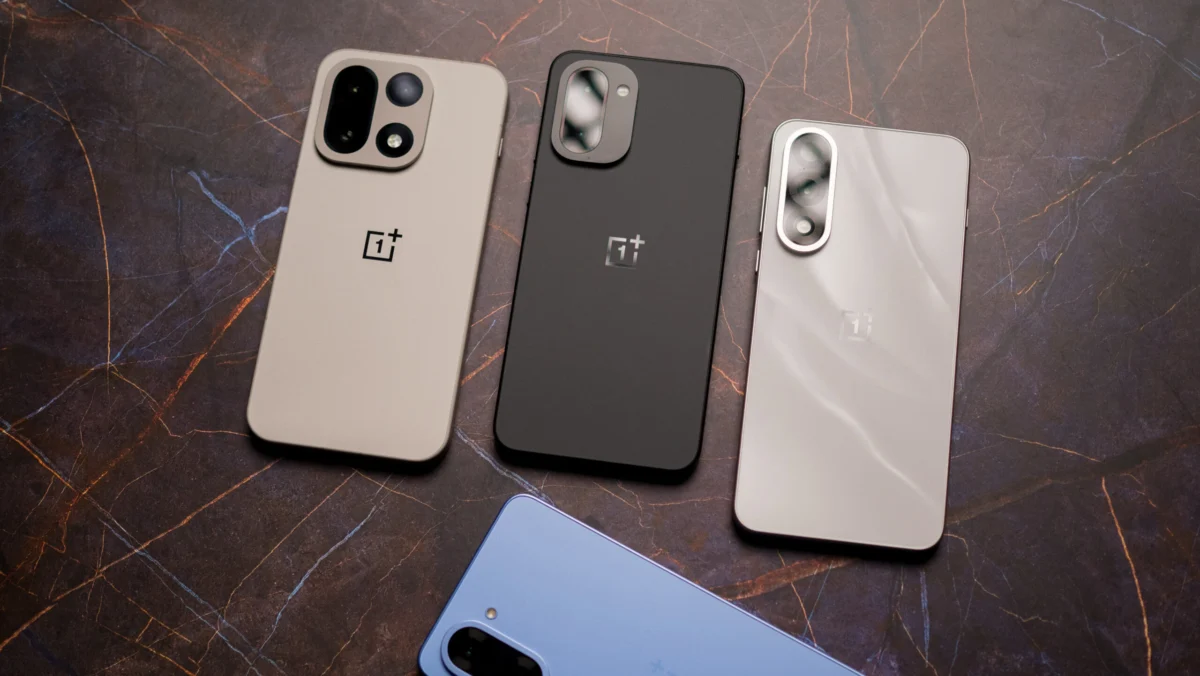
OnePlus, the Chinese smartphone manufacturer known for its "flagship killer" devices, officially announced earlier this week its decision to discontinue the launch of new smartphone models in the United States and Europe. While the company has assured ongoing support for its existing devices within these regions, the move signifies a strategic withdrawal from key Western markets, prompting significant implications for consumers, particularly those with specific display sensitivity requirements. This development marks a pivotal moment in the global smartphone landscape, reflecting complex market dynamics and the challenges faced by international brands in highly competitive territories.
A Shifting Presence: OnePlus’s Journey in Western Markets
OnePlus initially carved out a significant niche in the smartphone market by offering high-specification devices at competitive prices, a strategy that earned it the moniker "flagship killer." Its early models, often sold directly to consumers through an invite system, fostered a passionate community of tech enthusiasts. The company’s commitment to powerful processors, ample RAM, and clean software experiences through its OxygenOS operating system resonated with users seeking alternatives to established giants like Samsung and Apple.
Over the years, OnePlus gradually evolved, attempting to transition from a niche brand to a more mainstream player. This shift involved increasing its price points, investing in broader marketing, and, crucially, seeking partnerships with major telecommunications carriers. In the U.S., carrier availability is often a make-or-break factor for smartphone sales, particularly for flagship models, as many consumers prefer purchasing devices through their service providers, often bundled with payment plans or promotional offers. Despite some initial inroads, particularly with T-Mobile, OnePlus struggled to establish a pervasive presence across all major U.S. carriers, a factor cited by industry analysts as a significant hurdle to its long-term growth and market penetration.
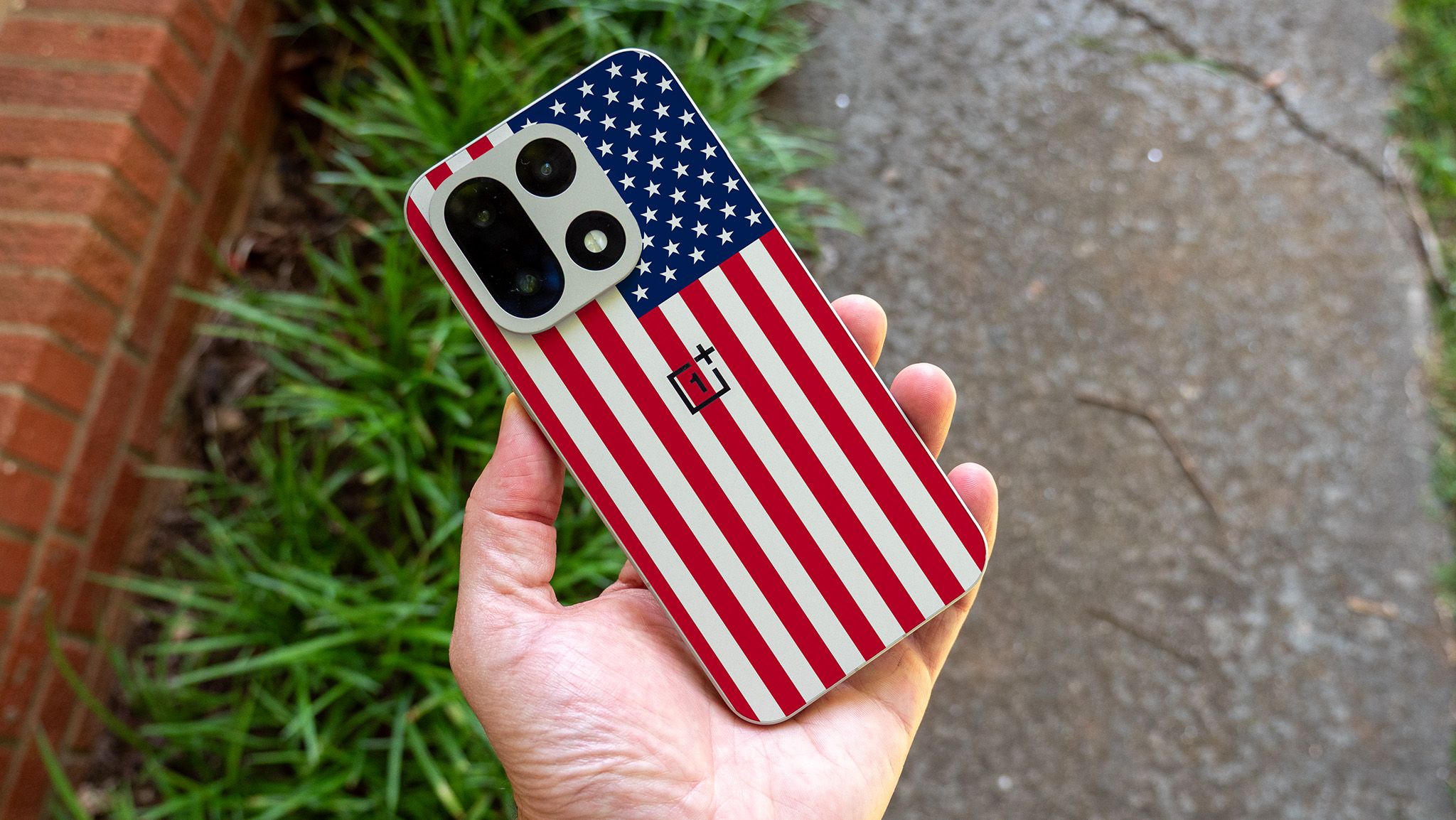
In Europe, while direct-to-consumer sales channels were more prominent, OnePlus still faced intense competition from a myriad of brands, including local European players, other Chinese manufacturers, and the dominant global players. The fragmented nature of the European market, with diverse consumer preferences and regulatory environments, presented its own set of challenges.
The recent OnePlus 13, launched in early 2025, was widely lauded, with some reviewers, including those at Android Central, awarding it a perfect 5-out-of-5 score. This device, featuring cutting-edge specifications and advanced display technology, was perceived by many as a strong contender capable of challenging industry leaders. However, its success was ultimately hampered by the underlying distribution challenges, particularly the lack of widespread U.S. carrier support. This inability to secure broad retail visibility proved to be a critical misstep, highlighting the intricate relationship between product quality and market accessibility in the modern smartphone industry.
The Immediate Impact: Market Exit and Customer Support
The announcement confirms that while new models will no longer be introduced, existing OnePlus devices in the U.S. and Europe will continue to receive software updates and warranty support for their specified durations. For instance, the critically acclaimed OnePlus 13 and 15 are guaranteed seven years of support, ensuring that current owners will not be immediately abandoned. This commitment aims to mitigate concerns among the existing user base and uphold the brand’s reputation for after-sales service, at least for the lifecycle of currently sold devices.
However, the effective exit of new product launches means that consumers in these regions will no longer have access to the latest innovations from OnePlus. This absence will be particularly felt by those who valued OnePlus for its distinct approach to hardware, often pushing specifications and offering unique features that set it apart from competitors. The withdrawal leaves a void in a market already dominated by a few major players, potentially reducing consumer choice and competition in the premium Android segment.
The Critical Niche: Flicker-Free Displays and PWM Sensitivity
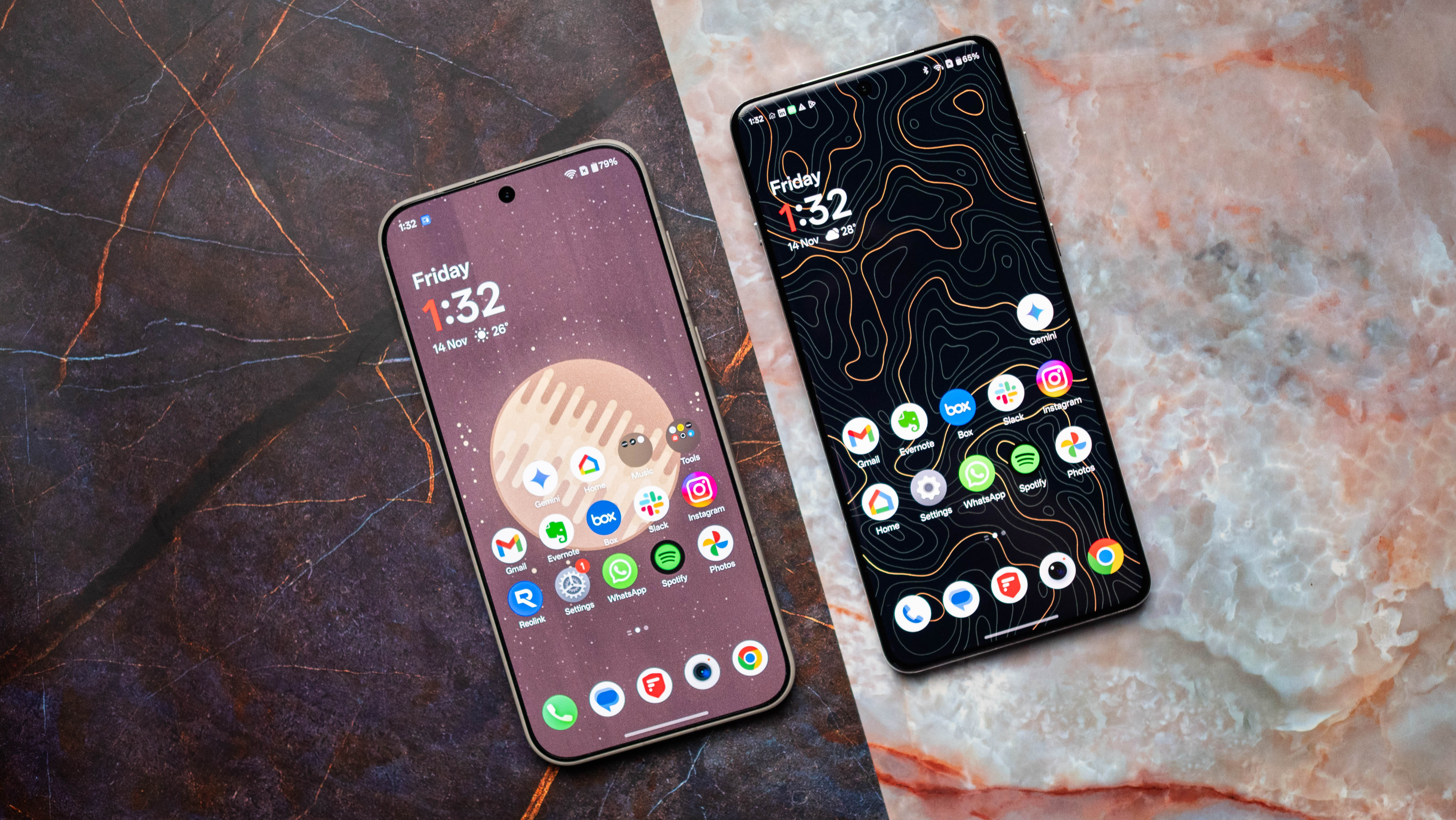
One of the most significant implications of OnePlus’s departure is the reduced availability of smartphones featuring flicker-free displays, a crucial consideration for a growing segment of users sensitive to Pulse Width Modulation (PWM) dimming. PWM is a common technique used in OLED screens to adjust brightness by rapidly switching the display on and off. While imperceptible to most, individuals sensitive to PWM can experience symptoms such as eye strain, headaches, and fatigue, especially when using devices in dim lighting conditions.
The original author of the Android Central article recounts personal experience with PWM sensitivity, attributing debilitating headaches to prolonged use of devices like the Galaxy Z Fold 4 in low light. This highlights a real and often overlooked issue affecting a significant portion of the population. Industry estimates suggest that a substantial percentage of individuals may experience discomfort from low-frequency PWM, making the availability of alternatives a critical health and usability factor.
OnePlus, alongside Motorola, emerged as a pioneer in addressing this issue by implementing high-frequency PWM dimming or DC dimming solutions in their devices, significantly reducing or eliminating flicker. Devices like the OnePlus 12, 13, and 15R were lauded within the PWM-sensitive community for offering comfortable viewing experiences without compromising on overall display quality or other flagship features. The OnePlus 15R, in particular, was highlighted for having one of the best OLED displays for flicker-sensitive individuals to date.
With OnePlus out of the picture, the options for U.S. consumers seeking flagship-tier phones with healthy dimming solutions become severely limited. Motorola, which has also been recognized for its efforts in this area, primarily offers traditional flagships in the U.S. market through models like the Edge Plus 2023, but has increasingly focused on its foldable Razr line. While these foldables incorporate advanced displays, they represent a different form factor and price point compared to traditional flagships. Nothing, a UK-based company that has recently entered the U.S. market, also offers phones with improved dimming, but its "flagship" devices often sit in a slightly lower tier than the ultra-premium offerings from Samsung or Google.

Smaller vendors like TCL and Nuu also provide phones with healthier displays, but these are typically budget-friendly releases and do not offer the cutting-edge specifications and performance expected of a true flagship device. This creates a significant dilemma for PWM-sensitive users who also desire top-tier performance, camera capabilities, and overall user experience.
Market Dynamics and Carrier Dependency
The U.S. smartphone market is notoriously difficult for new or smaller brands to penetrate due to its heavily carrier-subsidized model. Unlike many other global markets where unlocked phones are prevalent, American consumers predominantly purchase their devices through AT&T, Verizon, and T-Mobile. These carriers dictate which phones are offered, often through exclusive deals and substantial marketing campaigns, making it exceedingly challenging for brands without strong carrier partnerships to gain traction.
OnePlus’s inability to secure widespread carrier distribution in the U.S. was a critical factor in its ultimate decision. Without a presence in carrier stores, which serve as primary retail points for millions of Americans, even highly-rated phones like the OnePlus 13 struggled to reach a broad audience. This structural barrier highlights a fundamental difference between the U.S. market and other regions, where direct-to-consumer sales or independent retail channels play a more significant role.
Globally, the smartphone market has seen increased consolidation, with Apple, Samsung, and Google dominating the premium segments in Western markets. Chinese brands, while highly successful in Asia, often face political headwinds and intense competition when attempting to expand their footprint in the U.S. and Europe. Concerns over data security and geopolitical tensions have complicated market entry and expansion for several Chinese tech companies, potentially influencing OnePlus’s strategic re-evaluation of its Western presence.
Broader Implications and Future Outlook
The departure of OnePlus from new product launches in the U.S. and Europe carries several broader implications:
- Reduced Competition: The absence of a strong challenger like OnePlus may further solidify the market dominance of Apple, Samsung, and Google in the premium segment. This could lead to less innovation and slower adoption of certain user-centric features, such as advanced flicker-free display technologies, if the leading players perceive less competitive pressure.
- Limited Consumer Choice: For consumers, particularly those with niche requirements like PWM sensitivity, the pool of viable options has shrunk considerably. This forces a compromise between desired specifications and essential health-related features, or compels users to explore riskier options like importing devices.
- Challenges for Niche Innovations: OnePlus’s proactive stance on display health demonstrated a responsiveness to specific user needs that major players often overlook. Its exit might disincentivize other manufacturers from prioritizing such niche, albeit important, innovations if the market rewards broader appeal over specialized features.
- Uncertainty for PWM-Sensitive Users: The immediate future for PWM-sensitive users in the U.S. looks uncertain. While current OnePlus devices offer a temporary solution, the long-term availability of high-quality, flicker-free flagships is now questionable. The reliance on brands like Motorola and Nothing, or the risky endeavor of importing phones from regions where brands like Honor thrive, presents a less than ideal scenario.
- Oppo’s Strategy and Realme’s Role: Oppo, OnePlus’s parent company, has indicated that Realme will be replacing OnePlus in the global market, though specifics regarding U.S. availability remain unclear. Realme, historically focused on budget to mid-range devices, would need to significantly elevate its offerings to fill the void left by OnePlus’s flagship presence, especially concerning advanced display technologies.
The recommendation for current OnePlus users and those seeking flicker-free displays is to consider purchasing available OnePlus models while they remain supported. The company’s commitment to seven years of support for models like the OnePlus 13 and 15 provides a window of usability. However, this is a short-term solution, and the long-term outlook necessitates a shift in strategy for affected consumers.
Unless major players like Samsung, Google, or Apple decide to prioritize eye health and integrate high-frequency PWM or DC dimming solutions into their flagship devices, the only viable options for flicker-sensitive individuals may continue to be under-specced phones from smaller vendors or the importation of devices from other markets. Importing comes with its own set of challenges, including potential compatibility issues with local carrier networks, lack of local warranty support, and difficulties with repairs.
The withdrawal of OnePlus from launching new phones in the U.S. and Europe underscores the complexities of global smartphone market penetration and highlights the critical importance of addressing diverse consumer needs. Its exit leaves a notable gap, particularly for a specific segment of users, and serves as a stark reminder of the challenges inherent in competing against entrenched market leaders within highly regulated and carrier-dependent ecosystems.