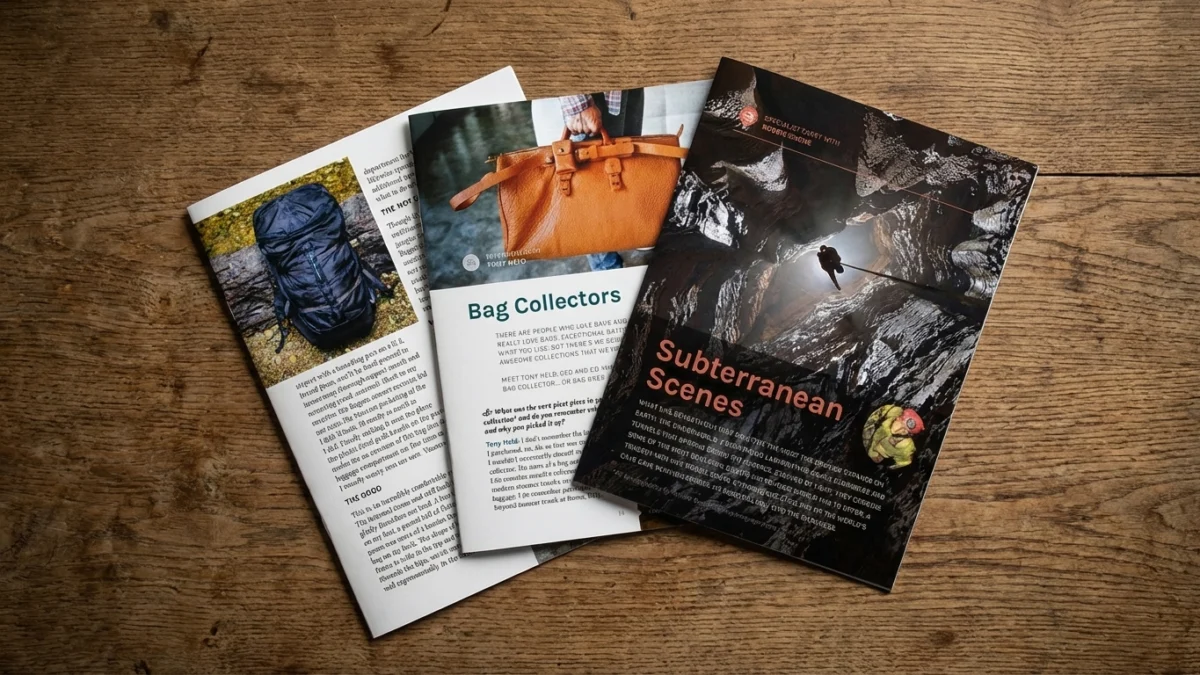
The specialized gear and carry industry reached a significant milestone this week as Carryology, the world’s leading authority on bags, luggage, and everyday carry (EDC) accessories, announced the public release of its archival zines. These historical documents, which were originally produced as physical print media during the brand’s formative years, have been digitized and made available for free download. The initiative follows a period of reflection by the organization’s founding team, who sought to document the brand’s journey from a shared office space to its current status as a primary influencer in the multi-billion-dollar global luggage and accessories market.
The decision to release these archives was prompted by a surge in community interest following a retrospective video produced by the Carryology team. According to the organization, the feedback from long-term followers indicated a profound nostalgia for the "scrappy energy" of the brand’s early operations. These zines were once rare artifacts, primarily distributed at international trade shows and industry meetups, serving as a tangible representation of the burgeoning "carry" culture. By providing digital access to Issues One, Three, Four, Five, and Six, Carryology is effectively offering a historical roadmap of how functional design and utilitarian fashion have converged over the last decade.
The Genesis of a Movement: Carryology’s Early Foundations
To understand the significance of these zines, one must look at the landscape of the carry industry circa 2009-2010. Before Carryology became a central hub for reviews and collaborations, the market for high-end backpacks and technical luggage was fragmented. Consumers interested in specialized gear often had to navigate obscure forums or military surplus sites to find information on materials like Cordura or X-Pac.
Carryology emerged to fill this void, operating out of a cramped, shared workspace where review samples were famously piled to the ceiling. The brand’s mission was to elevate the "art of carry" by analyzing the ergonomics, aesthetics, and durability of the items people use to transport their lives. The early zines were an extension of this mission—a way to codify design principles and build a community around the shared appreciation of well-made goods.
These publications represented a transition period in media. While the internet was already the primary source of news, the "zine" format allowed Carryology to present a curated, tactile experience. These booklets featured deep dives into design philosophy, interviews with legendary bag designers, and explorations of the "Carry Awards," which have since become the industry’s most prestigious honors.
Chronology of Evolution: From Print to Global Influence
The release of the archives provides a chronological look at the brand’s expansion. The timeline of Carryology’s influence can be categorized into several distinct phases:
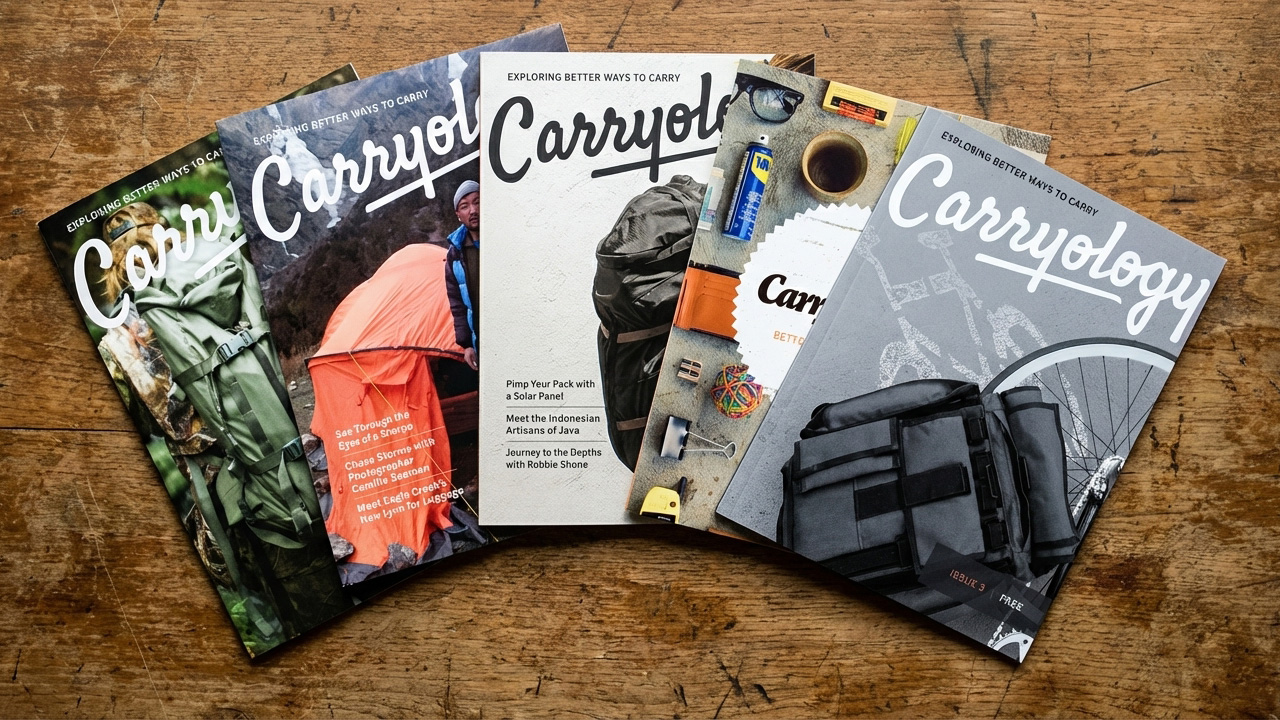
- The Blog and Zine Era (2009–2013): During this period, the focus was on establishing a vocabulary for the carry community. Concepts like "EDC," "access," and "organization" were defined and debated. The zines released this week date back to this era of exploration.
- Expansion into Video and Social Media (2014–2018): As the brand’s audience grew, Carryology transitioned from a niche blog to a multimedia platform. This era saw the rise of the Carryology Classified community, a secondary market and discussion group that now boasts tens of thousands of members.
- The Collaboration Era (2019–Present): Perhaps the most impactful phase, Carryology began partnering with major brands such as GORUCK, Bellroy, Mystery Ranch, and Remote Equipment to create limited-edition "Carryology Concept" (X-Pac) products. These collaborations often sell out within minutes, demonstrating the brand’s immense market-moving power.
The digitized zines capture the raw, unpolished beginnings of this trajectory. Issue One, in particular, serves as a manifesto for the organization, outlining the belief that the tools we use to carry our gear should be as carefully considered as the gear itself.
Supporting Data: The Growth of the Carry Market
The release of these archives comes at a time when the global luggage and bag market is experiencing robust growth. According to market research data, the global luggage market size was valued at approximately USD 22.8 billion in 2022 and is expected to expand at a compound annual growth rate (CAGR) of 6.7% through 2030. Within this broader category, the "technical backpack" and "premium everyday carry" segments—Carryology’s primary focus—have outperformed traditional travel gear.
Several factors have contributed to this surge, many of which are documented in the design trends discussed within the Carryology zines:
- The Rise of Remote Work: As professionals become more mobile, the demand for versatile "work-from-anywhere" bags has skyrocketed.
- Urbanization and Commuting: Increased urbanization has driven a need for ergonomic, weather-resistant carry solutions for city dwellers.
- Material Innovation: The adoption of high-performance materials like Dyneema, recycled nylons, and laser-cut laminates has moved from the military and outdoor sectors into the mainstream consumer market.
Carryology’s role in this growth cannot be overstated. By educating consumers on the technical aspects of bag construction, they have created a more discerning market that values longevity and repairability over "fast fashion" disposability.
Industry Impact and the Value of Archival Media
The decision to offer these zines for free is being viewed by industry analysts as a strategic move to strengthen brand loyalty and preserve the heritage of the "carry" movement. In an era where digital content is often ephemeral, providing high-quality, long-form archival material serves to ground the brand in its original values.
"The release of these zines is more than just a nostalgia trip," says an industry consultant familiar with the brand. "It’s a way for Carryology to claim its history. By showing where they started—the ‘scrappy energy’ they refer to—they reinforce their authenticity. In a market where many new brands try to buy their way into the ‘heritage’ space, Carryology is proving they were there at the beginning, documenting the shift in how people think about their gear."
Furthermore, the zines provide an educational resource for aspiring designers. The early issues contain sketches, material breakdowns, and interviews that offer a "behind-the-scenes" look at the manufacturing process. By making this information accessible, Carryology continues to foster a culture of transparency and excellence in design.

Technical Access and Community Response
The digitized zines are currently hosted via secure download links, allowing the public to view them on various devices. The collection includes:
- Issue One: The foundational document establishing the Carryology ethos.
- Issue Three: An exploration of evolving urban carry needs.
- Issue Four: A focus on the intersection of outdoor performance and daily utility.
- Issue Five: Insights into the burgeoning "Carry Awards" and industry benchmarks.
- Issue Six: A look at the globalization of the carry community and international design trends.
Initial community response has been overwhelmingly positive. On social media platforms and the Carryology Classified group, members have shared screenshots of their favorite articles and design tips from the archives. For many newer members of the community, these zines provide their first look at the brand’s origins, bridging the gap between the modern, high-production Carryology and the DIY-inspired startup of the late 2000s.
Broader Implications for Niche Media
The Carryology zine release highlights a growing trend in niche media where specialized outlets are becoming the "guardians of the gate" for their respective industries. As traditional journalism faces challenges, community-driven platforms like Carryology have stepped in to provide deep, authoritative coverage that mainstream outlets cannot match.
The success of Carryology’s model—combining expert reviews, community engagement, and direct product collaboration—has become a blueprint for other enthusiast markets, from mechanical keyboards to horology and high-end audio. The release of archival zines suggests that for these niche communities, the history of the hobby is just as important as the next product drop.
In conclusion, Carryology’s archival release is a significant gesture toward a community that has supported the brand for over a decade. It serves as a reminder that while the materials and technologies of the carry world continue to evolve, the core principles of good design—functionality, durability, and aesthetics—remain constant. As the brand looks toward the future of the carry industry, these zines stand as a testament to the passion that started it all in a small, crowded office filled with backpacks.