







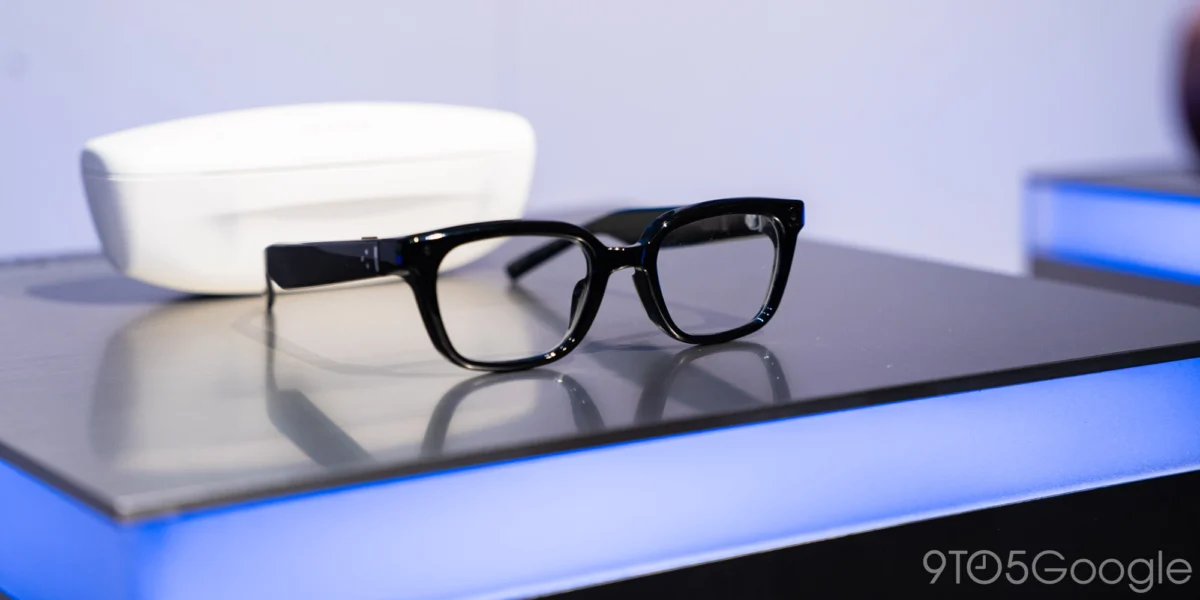
The landscape of wearable technology is set to undergo a significant shift this winter as Gentle Monster, the high-fashion eyewear brand, officially confirmed that its inaugural line of Android XR glasses will launch in December 2026. This announcement follows weeks of industry anticipation and arrives shortly after similar disclosures from fellow partner Warby Parker, cementing the arrival of Google and Samsung’s collaborative "Intelligent Eyewear" platform.
A Strategic Entry into the XR Market
The confirmation from Gentle Monster, delivered via a high-profile social media campaign featuring actor Joaquin Phoenix, marks a pivotal moment for the Android XR ecosystem. While the technical specifications of the hardware remain subject to ongoing disclosure, the partnership highlights a strategic pivot by Google and Samsung to integrate advanced extended reality (XR) capabilities into everyday fashion accessories. By collaborating with established design-forward brands like Gentle Monster and Warby Parker, the technology giants are attempting to bypass the aesthetic hurdles that have historically plagued head-mounted displays, opting instead for a form factor that prioritizes consumer wearability and style.
The teaser campaign, directed by filmmaker Jonathan Glazer, describes the upcoming product as a "cinematic journey between reality and dream." While the marketing materials emphasize the artistic vision behind the collaboration, the underlying message is clear: the first wave of Android XR hardware is intended to be a consumer-facing, lifestyle-oriented product rather than a niche tool for enterprise users or developers.
Chronology of the Android XR Rollout
The path to this December launch has been carefully orchestrated over the past year. Industry observers note that the collaboration between Google, Samsung, and their design partners has been built on a foundation of iterative development and strategic branding.
- Early 2026: Initial reports emerge regarding a joint venture between Google and Samsung to develop a dedicated XR operating system and hardware platform, branded under the "Intelligent Eyewear" moniker.
- Late Q3 2026: Speculation mounts regarding the launch window, with industry leaks suggesting a late-year release to coincide with the holiday shopping season.
- November 6, 2026: Gentle Monster confirms via social media that its collection will launch in December 2026, accompanied by a promotional short film starring Joaquin Phoenix.
- November 12, 2026: Warby Parker is scheduled to open pre-orders for its own version of the Android XR glasses, signaling a coordinated, multi-brand strategy for the platform’s debut.
This timeline suggests a deliberate, tiered marketing approach. By spacing the announcements and pre-order windows, the consortium is managing market expectations while building significant anticipation across different demographics—ranging from the high-fashion, design-conscious audience targeted by Gentle Monster to the more accessible, mass-market consumer base represented by Warby Parker.

Technical Context and the "Intelligent Eyewear" Platform
The term "Intelligent Eyewear" signifies a departure from the heavy, bulky headsets associated with the first generation of virtual reality. The Android XR platform, developed by Google, is designed to handle spatial computing tasks—such as augmented reality overlays, real-time information projection, and seamless integration with smartphone ecosystems—within a lightweight chassis.
Analysts suggest that the success of these devices will hinge on the efficiency of the underlying hardware, specifically the thermal management and battery density. To achieve the slim profiles shown in promotional materials, these glasses likely utilize specialized micro-LED displays and low-power processing units capable of offloading heavy computational tasks to a connected Android device. This "tethered" or "companion" model is a known industry standard for achieving a form factor that mimics traditional eyeglasses, as it reduces the weight burden on the user’s face while maintaining a robust feature set.
Market Implications and Industry Competition
The entry of Android-based smart glasses into the consumer market creates a direct competitive landscape against existing players, most notably Meta’s Ray-Ban collection and Apple’s Vision Pro ecosystem. However, the Google-Samsung approach is distinct in its modularity. By leveraging multiple design partners, the platform allows for a variety of aesthetic styles, potentially appealing to users who might otherwise reject the "tech-centric" look of current smart glasses.
From a market impact perspective, the December 2026 launch window is critical. Launching in the final month of the year allows these brands to capture holiday sales while positioning the product as a "must-have" item for the upcoming year. If the hardware proves reliable and the software interface intuitive, it could spark a broader adoption of spatial computing among consumers who have remained on the sidelines during the early, experimental phases of XR.
Official Responses and Public Engagement
The partnership with high-profile cultural figures like Joaquin Phoenix and directors like Jonathan Glazer serves a specific purpose: de-stigmatizing the technology. Previous iterations of smart glasses, such as Google Glass, faced significant social friction due to their intrusive appearance and privacy concerns. By framing these new devices through the lens of high-fashion and cinematic storytelling, the companies are attempting to normalize the concept of "always-on" eyewear.
Registration for the Gentle Monster collection is currently open, allowing potential customers to secure priority access. While neither Google nor Samsung has provided a comprehensive global price list, analysts estimate that the luxury branding of the Gentle Monster line suggests a premium price point, likely tiered above the more utility-focused models expected from other partners.

Future Outlook and Technical Hurdles
Despite the excitement surrounding the December release, significant challenges remain. Developers will need to prove that the Android XR platform can offer a library of applications that go beyond simple notifications and navigation. The integration of artificial intelligence, particularly Google’s Gemini models, is expected to be a cornerstone of the user experience, potentially allowing the glasses to act as a real-time assistant that understands the user’s visual environment.
Furthermore, privacy remains a paramount concern for regulators and the public alike. How these glasses manage data collection, specifically concerning camera usage and environmental mapping, will likely be a subject of intense scrutiny in the months following the launch. The companies involved have emphasized that user privacy is a foundational element of the "Intelligent Eyewear" design philosophy, though specific policies will only be fully vetted once the hardware hits the market and undergoes independent security audits.
As the industry approaches the mid-November date for the full cinematic reveal and the subsequent December launch, all eyes will be on whether this hardware can deliver on the promise of "seamless reality." If successful, the collaboration between Google, Samsung, and their design partners could represent the most significant shift in personal computing since the proliferation of the smartphone.
Broader Economic and Tech Industry Impact
The scale of this launch cannot be understated. By utilizing the existing supply chains and global distribution networks of Samsung and the software infrastructure of Google, the "Intelligent Eyewear" initiative is positioned to scale far more rapidly than startup-led projects. The collaboration essentially creates a "reference design" model that could eventually be adopted by other OEMs, potentially standardizing the way we interact with augmented information in public spaces.
Moreover, the economic implications for the retail sector are significant. By partnering with companies like Warby Parker, the platform leverages existing physical retail footprints where customers can try on, fit, and purchase the hardware. This "brick-and-mortar" advantage is crucial for a product that is, at its core, a piece of apparel. The ability to receive a professional fitting for lenses and frames is a massive differentiator compared to pure online sales models.
As December nears, the tech industry is bracing for a new era of wearable computing. Whether this marks the beginning of the "post-smartphone" era or remains a sophisticated niche remains to be seen, but the commitment from these industry titans confirms that the era of intelligent, augmented eyewear has arrived.